
Coconut oil
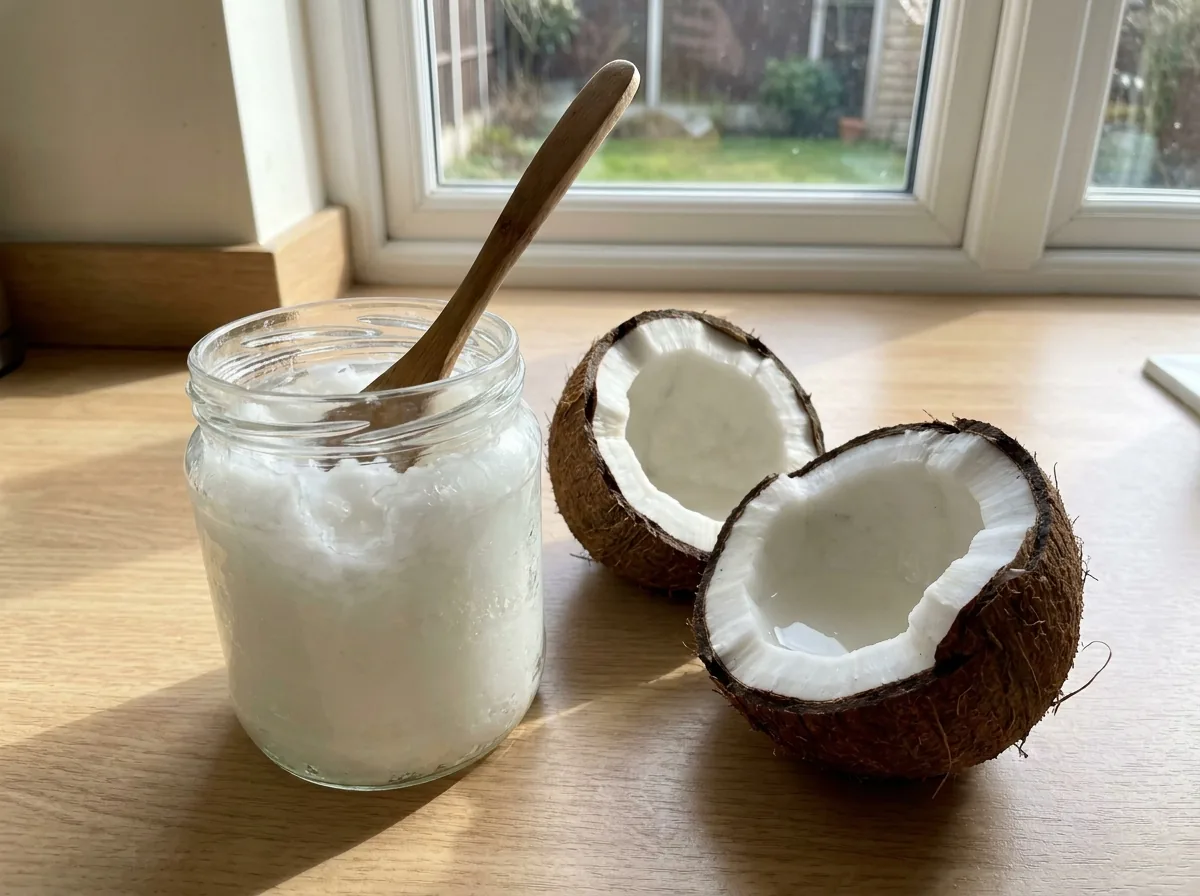
Coconut oil works as a moisturiser: in two small trials it eased dry skin as well as mineral oil did, and in children with mild to moderate eczema it beat mineral oil over 8 weeks. Its other reputations are weaker. Evidence for hair, head lice and oil pulling is limited, and there is no good evidence for weight loss. Eaten, it raises LDL cholesterol, so it is not a heart-healthy oil.
At a glance
Last reviewed 10 October 2026What it's used for
Evidence is rated per use. The same ingredient can be strong for one thing and traditional for another.
| Use | Evidence | What the research shows |
|---|---|---|
| Dry skin and mild eczemaCompare remedies for skin → | Moderate | In 117 children with mild to moderate atopic dermatitis, virgin coconut oil for 8 weeks cut the SCORAD severity score by 68% against 38% for mineral oil, and improved skin water loss and hydration more. In 34 adults with mild to moderate dry skin on the legs, coconut oil and mineral oil worked comparably over 2 weeks, with no adverse reactions. Each finding rests on one small trial, and mineral oil is an active comparator rather than no treatment.1,2 |
| Hair protein loss and breakageCompare remedies for hair & nails → | Limited | A laboratory and in-vivo combing study found coconut oil was the only one of three oils (against mineral and sunflower oil) that reduced protein loss from both damaged and undamaged hair, used before or after washing. The authors worked for a coconut hair-oil manufacturer, and we found no trial showing less breakage or better growth in people.3 |
| Head lice | Limited | A trial of 100 people found a coconut and anise spray cleared lice in 82% against 42% for permethrin 0.43% lotion, but permethrin resistance has been reported, which may have flattered the comparison, and the spray also contains anise, so plain coconut oil is untested. Thirty-three people had irritant reactions where alcohol touched broken skin. Do not treat it as a proven replacement for standard lice treatments.4 |
| Oil pulling for gums and plaque | Limited | A 2024 meta-analysis of 25 trials found probable benefit for gum health, and chlorhexidine mouthwash was better at reducing plaque. The certainty was very low, most participants had no oral disease, and half the trials used sesame oil rather than coconut oil. Trials lasted 7 to 45 days, so long-term effects are unknown.9 |
| Weight loss | Traditional | A meta-analysis of clinical trials found coconut oil did not significantly change body weight, body fat or waist circumference compared with other oils. The 'MCT' weight-loss claim comes from trials of oils made of the shorter C8 and C10 fats, which produced a modest loss (about 0.5 kg) in a meta-analysis with signs of commercial bias. Coconut oil is mostly lauric acid, a longer fat, so those results do not carry over.5,8,3 |
| Heart health and cholesterolCompare remedies for heart health → | Traditional | The evidence points the wrong way. A meta-analysis of 16 trials found coconut oil raised LDL cholesterol by 10.5 mg/dL (95% CI 3.0 to 17.9) and HDL by 4.0 mg/dL compared with non-tropical vegetable oils. The American Heart Association advises replacing saturated fat with unsaturated fat to lower cardiovascular disease, and WHO says under 10% of energy should come from saturated fat, listing coconut oil among the sources.5,6,7 |
How much
Ranges below are what studies used and what supplements commonly contain. They are not a recommendation for you. Start at the low end.
How people take it
Safety
Who should avoid
- High LDL cholesterol or heart disease — eating it raises LDL, so ask your doctor first
- Acne-prone or oily facial skin — clinical guidance lists it among ingredients to avoid
- Broken or sore skin with alcohol-based lice sprays — irritation was common in a trial
- Replacing brushing or dental care with oil pulling — trial evidence is very low certainty
- Children with eczema — use it only on the advice of the doctor treating the rash
Known interactions
Questions people ask
Is coconut oil good for hair?
One industry-authored study found that coconut oil, used before or after washing, reduced protein loss from hair when mineral and sunflower oil did not. We found no trials showing it reduces breakage, speeds growth or treats dandruff in people, so the evidence is limited.
Is coconut oil good for your face, or does it clog pores?
For acne-prone or oily skin, avoid it. A 2026 Australian clinical update lists coconut oil among ingredients to avoid in moisturisers for acne-prone skin. That is expert guidance, not a trial of coconut oil on faces. Its skin trials were on the body, not the face.
What are the benefits and side effects of coconut oil?
The best-supported benefit is as a moisturiser for dry skin and mild eczema. Eaten, its main side effect is a rise in LDL cholesterol (about 10 mg/dL more than non-tropical oils), and it has no good evidence for weight loss. On skin, the risks we found evidence for are pore-clogging on the face and irritation of broken skin when mixed with alcohol.
How do you use coconut oil on skin?
The trials used virgin coconut oil applied to the body twice a day, for 2 weeks in dry skin and 8 weeks in child eczema. Use a thin layer on the body rather than the face, and stop if you see redness or new spots. We did not find guidance on exact amounts.
Make it yourself
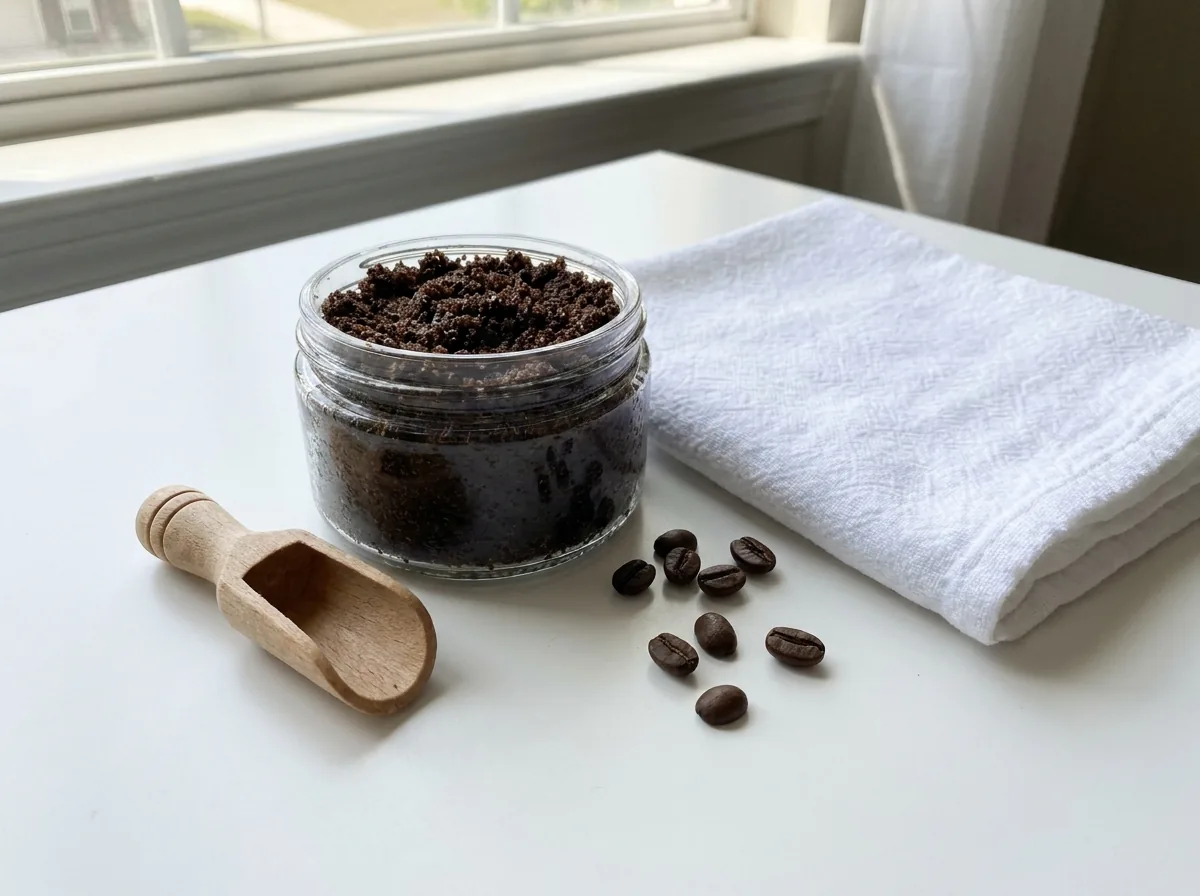
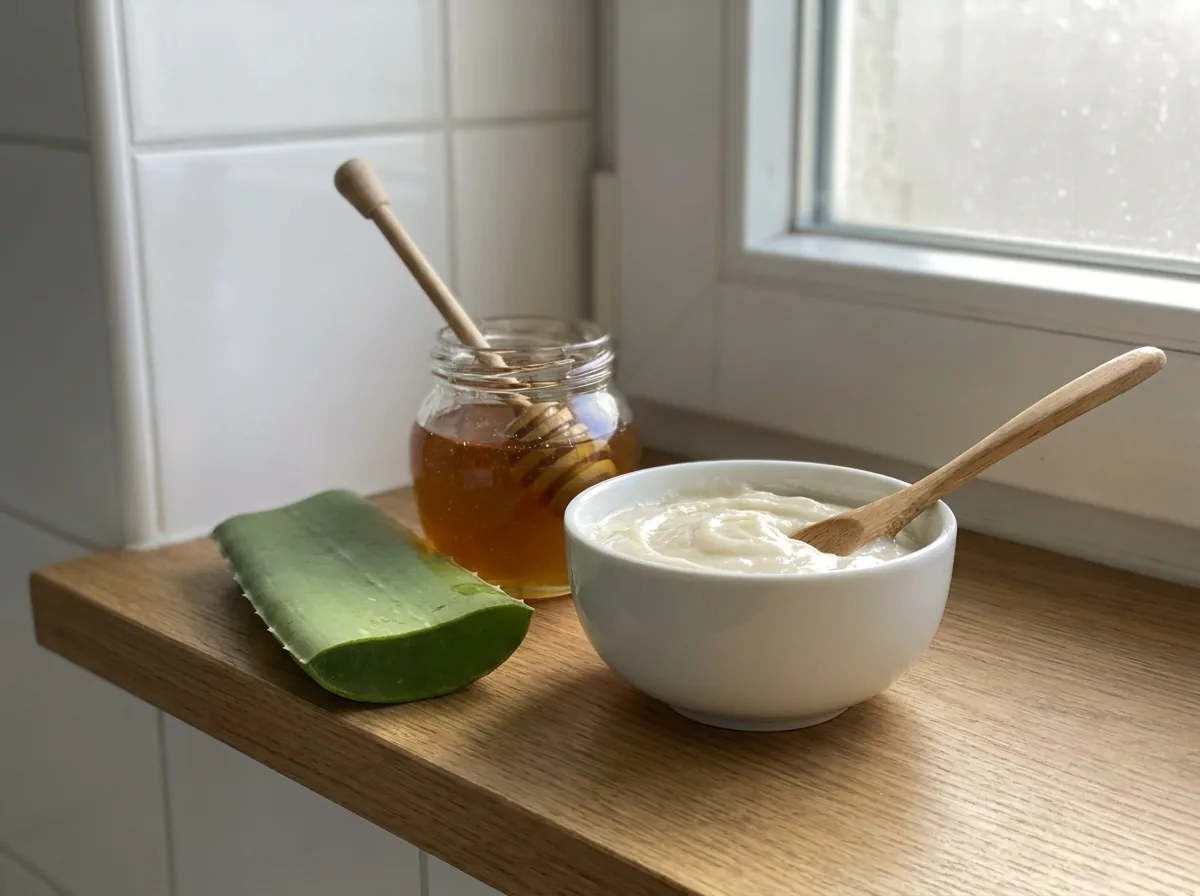
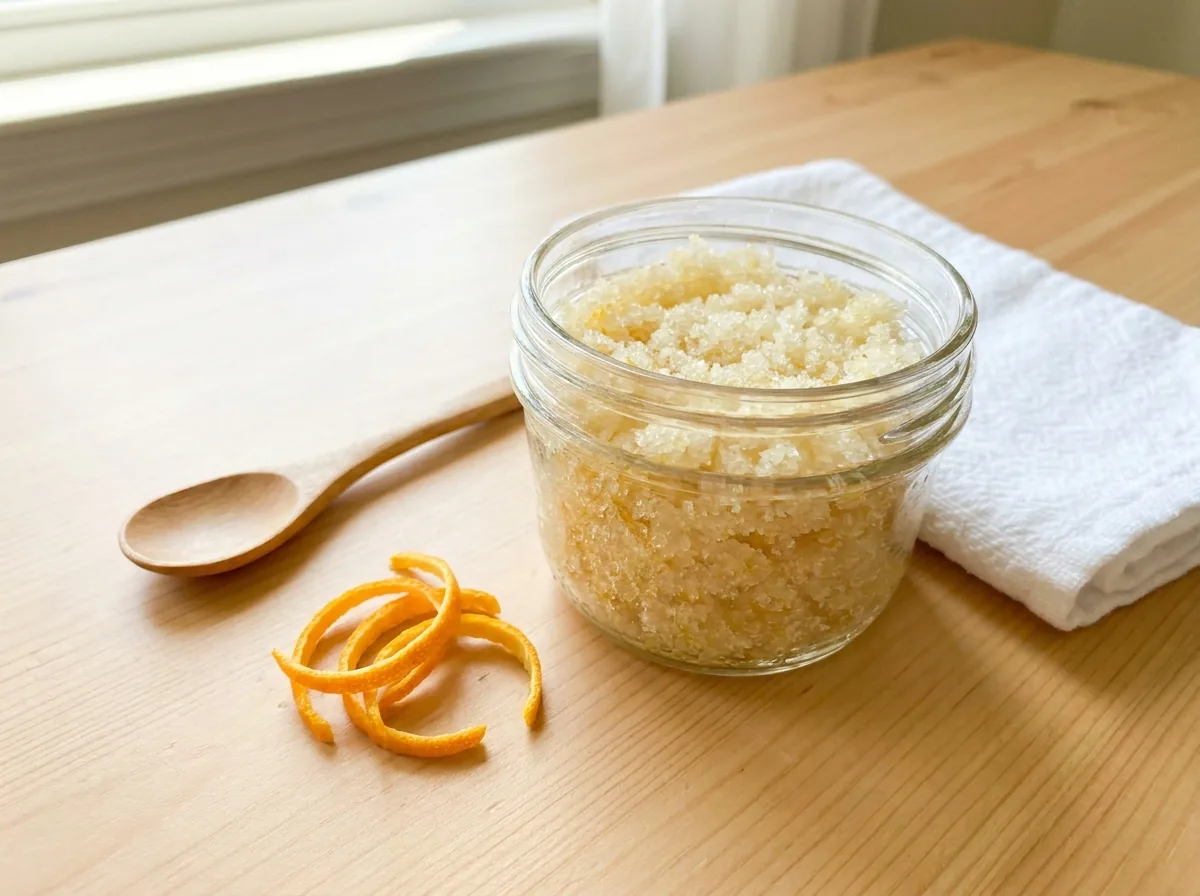
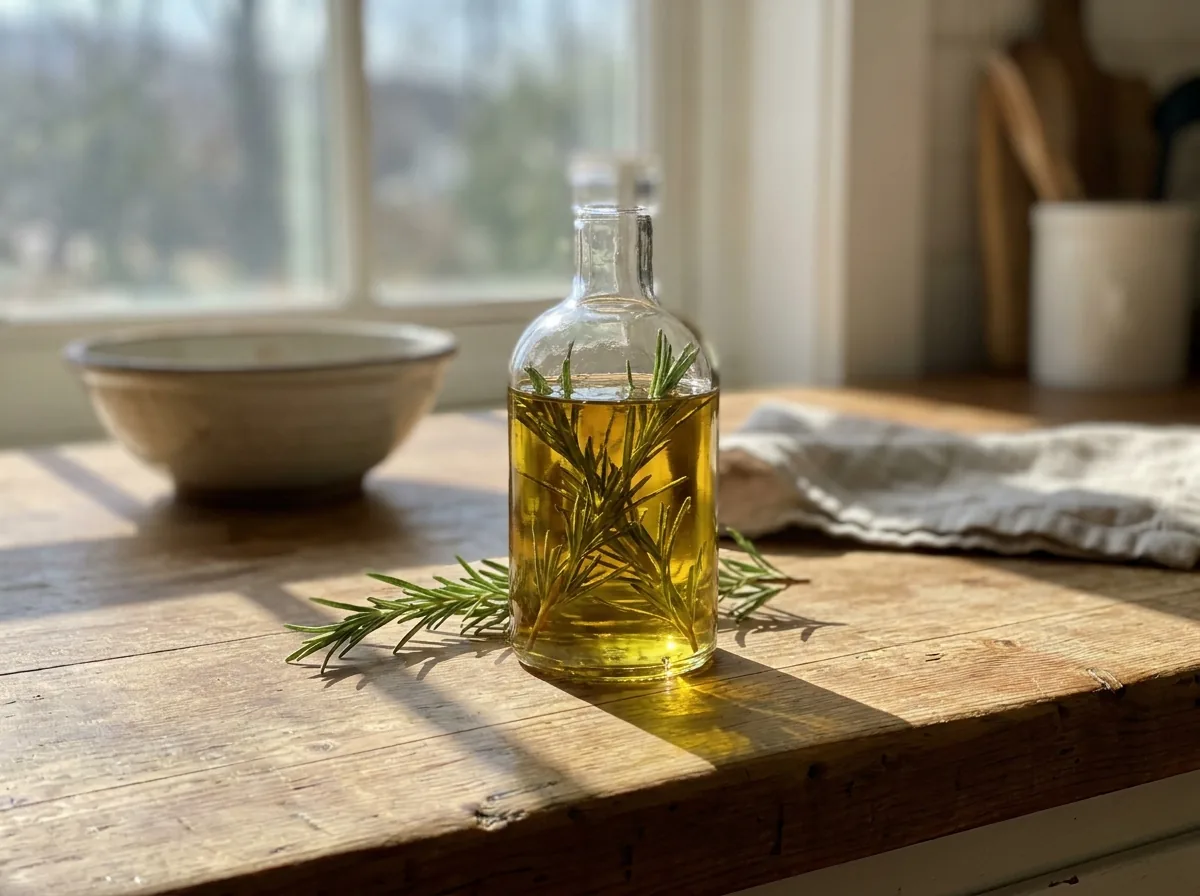
DIY guides that use coconut oil, with quantities, safety notes and an honest word on what they do.

Sources (10)
- Randomised trial Evangelista MT, Abad-Casintahan F, Lopez-Villafuerte L. The effect of topical virgin coconut oil on SCORAD index, transepidermal water loss, and skin capacitance in mild to moderate pediatric atopic dermatitis: a randomized, double-blind, clinical trial. Int J Dermatol. 2014.
- Randomised trial Agero AL, Verallo-Rowell VM. A randomized double-blind controlled trial comparing extra virgin coconut oil with mineral oil as a moisturizer for mild to moderate xerosis. Dermatitis. 2004.
- Laboratory and in-vivo study Rele AS, Mohile RB. Effect of mineral oil, sunflower oil, and coconut oil on prevention of hair damage. J Cosmet Sci. 2003.
- Randomised trial Burgess IF, Brunton ER, Burgess NA. Clinical trial showing superiority of a coconut and anise spray over permethrin 0.43% lotion for head louse infestation, ISRCTN96469780. Eur J Pediatr. 2010.
- Meta-analysis Neelakantan N, Seah JYH, van Dam RM. The Effect of Coconut Oil Consumption on Cardiovascular Risk Factors: A Systematic Review and Meta-Analysis of Clinical Trials. Circulation. 2020.
- Clinical guidance Sacks FM, Lichtenstein AH, Wu JHY, et al. Dietary Fats and Cardiovascular Disease: A Presidential Advisory From the American Heart Association. Circulation. 2017.
- Regulator/health agency World Health Organization. Healthy diet (fact sheet).
- Meta-analysis Mumme K, Stonehouse W. Effects of medium-chain triglycerides on weight loss and body composition: a meta-analysis of randomized controlled trials. J Acad Nutr Diet. 2015.
- Systematic review Jong FJX, Ooi J, Teoh SL. The effect of oil pulling in comparison with chlorhexidine and other mouthwash interventions in promoting oral health: A systematic review and meta-analysis. Int J Dent Hyg. 2024.
- Clinical guidance Iyengar L, Welsh B. Acne vulgaris: a clinical update. Aust Prescr. 2026.
Last reviewed 10 October 2026 · Next review April 2027 · How we rate evidence
Reader notes
Experiences and questions from readers, read by an editor before they appear. They are personal accounts, not evidence, and are not medical advice.