
Olive oil
Eaten as part of a Mediterranean diet, extra virgin olive oil has moderate evidence for heart health: in the PREDIMED trial the diet cut major cardiovascular events (hazard ratio 0.69) in high-risk adults, and large cohorts link higher intake to fewer heart events, though olive oil on its own has not been tested in a trial.
On skin the trials point the wrong way: it damaged the adult skin barrier and did not help babies, so it is not a good moisturiser for eczema-prone skin or infants. We found no human trial for hair, and only limited evidence for ear wax drops.

At a glance
Last reviewed 10 October 2026What it's used for
Evidence is rated per use. The same ingredient can be strong for one thing and traditional for another.
| Use | Evidence | What the research shows |
|---|---|---|
| Heart health (as part of a Mediterranean diet)Compare remedies for heart health → | Moderate | PREDIMED randomised 7,447 high-risk adults to a Mediterranean diet with free extra virgin olive oil, the same diet with nuts, or advice to cut fat. Over about 4.8 years the hazard ratio for major cardiovascular events was 0.69 (95% CI 0.53 to 0.91) with olive oil. The original 2013 report was withdrawn for randomisation errors and this is the re-analysis; a Cochrane review judged the evidence for death from any cause to be little or no effect (HR 1.0) and for stroke to be reduced (HR 0.60). The trial tested a whole diet, so the benefit cannot be credited to the oil alone.1,2 |
| Lower risk of heart disease and early death (long-term intake) | Limited | A 2024 meta-analysis of 30 prospective cohort studies (2.7 million people) linked higher olive oil intake to lower cardiovascular disease (relative risk 0.85) and all-cause mortality (0.85), with the risk reduction levelling off around 18 to 22 g a day. Cohort studies show association, not cause, and people who use olive oil tend to eat and live differently.3 |
| Softening ear wax | Limited | The NHS suggests 2 to 3 drops of olive or almond oil, 3 to 4 times a day for 3 to 5 days. The Cochrane review of ear drops (10 studies, 623 people) found no high-quality evidence that any drop is better than another, and none that oil beats water or saline. One study found active drops cleared wax in 22% of ears against 5% with no treatment after five days. There were no serious harms.6,7 |
| Dry skin and infant massageCompare remedies for skin → | Traditional | The trials suggest harm. In 19 adults, olive oil applied twice daily for 4 weeks significantly reduced skin barrier integrity and caused mild redness, while sunflower oil did not. In 115 newborns, olive oil or sunflower oil twice daily for 4 weeks improved hydration but left the skin's lipid layer less well-formed than no oil. The infant trial was a small pilot not powered to show clinical effects, so the authors advised caution.4,5 |
| Hair care and hair growthCompare remedies for hair & nails → | Traditional | We found no clinical trial of olive oil on hair. Use as a conditioner or hot-oil treatment is traditional and rests on how it feels, not on trial evidence. |
| Face (moisturising or cleansing) | Traditional | We found no trial on the face. The only skin-barrier trials we found were on the forearm and in newborns and found harm, so it is not a good guess for eczema-prone or sensitive facial skin.4 |
How much
Ranges below are what studies used and what supplements commonly contain. They are not a recommendation for you. Start at the low end.
How people take it
Safety
Who should avoid
- Babies and newborns — trial suggests it reduces skin barrier structure; skip it for massage
- Eczema or eczema-prone skin — it damaged the skin barrier in adults with and without eczema
- A hole in the eardrum (perforated eardrum) — the NHS says not to use ear drops
- Ear symptoms not cleared after 5 days, or a badly blocked ear — see a nurse (NHS)
Known interactions
Questions people ask
What are the benefits of olive oil?
The best-supported benefit is heart health as part of a Mediterranean diet: PREDIMED found fewer major cardiovascular events (hazard ratio 0.69) and a 2024 meta-analysis of cohorts linked higher intake to lower cardiovascular and overall mortality. Those cohort studies cannot prove cause, and the trial tested the whole diet, not olive oil alone.
Is olive oil good for your skin or face?
Probably not for sensitive or eczema-prone skin. In 19 adults, 4 weeks of olive oil on the forearm reduced skin barrier integrity and caused mild redness, while sunflower oil did not. We found no trial on the face.
Is olive oil good for baby skin?
Not on the evidence so far. In a pilot trial of 115 newborns, olive oil improved hydration but left the skin's lipid layer less well-formed than no oil. The trial was small, but the authors advised caution about using oils on neonatal skin.
Does olive oil work for ear wax, and is it safe?
The NHS advises 2 to 3 drops, 3 to 4 times a day for 3 to 5 days, and says wax should fall out over about 2 weeks. Cochrane found no high-quality evidence that any drop is better than another, including water. Do not use drops with a perforated eardrum, and see a nurse if it has not cleared after 5 days.
Make it yourself
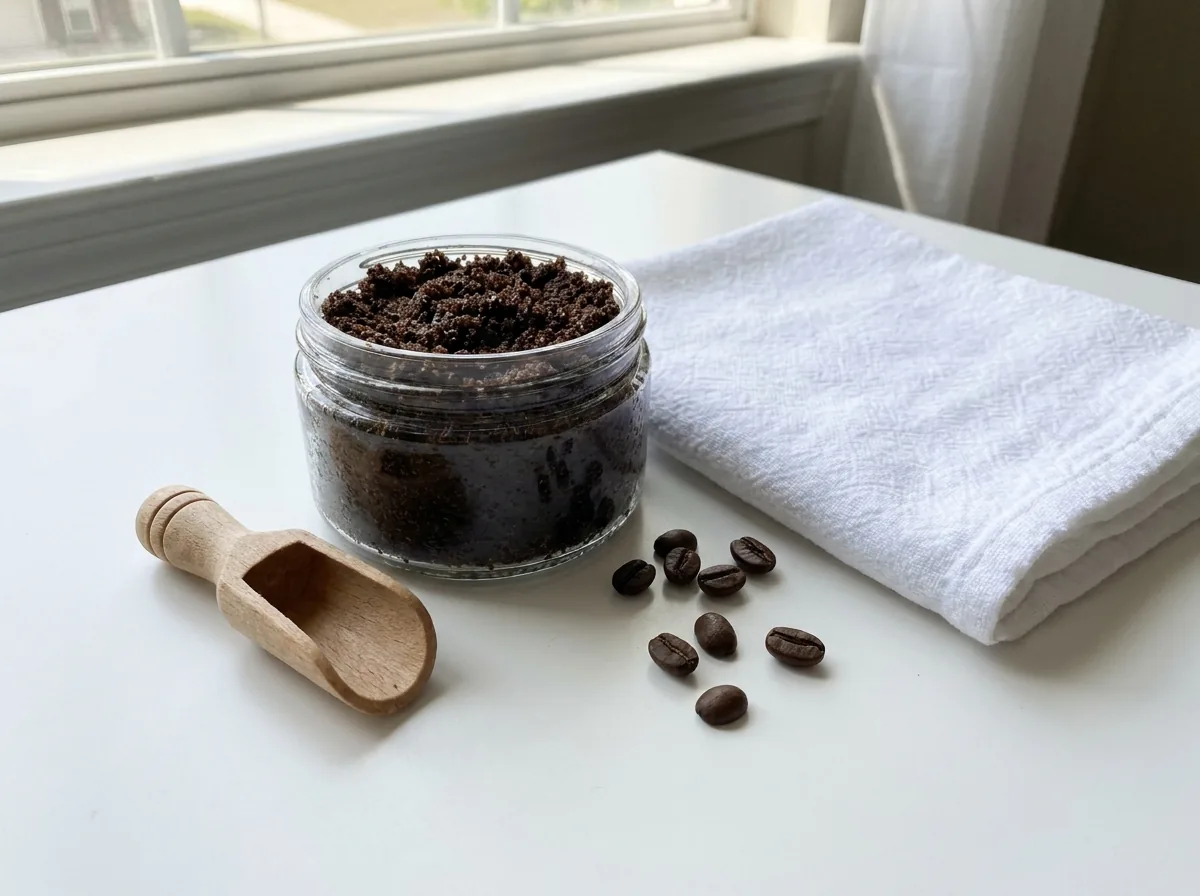
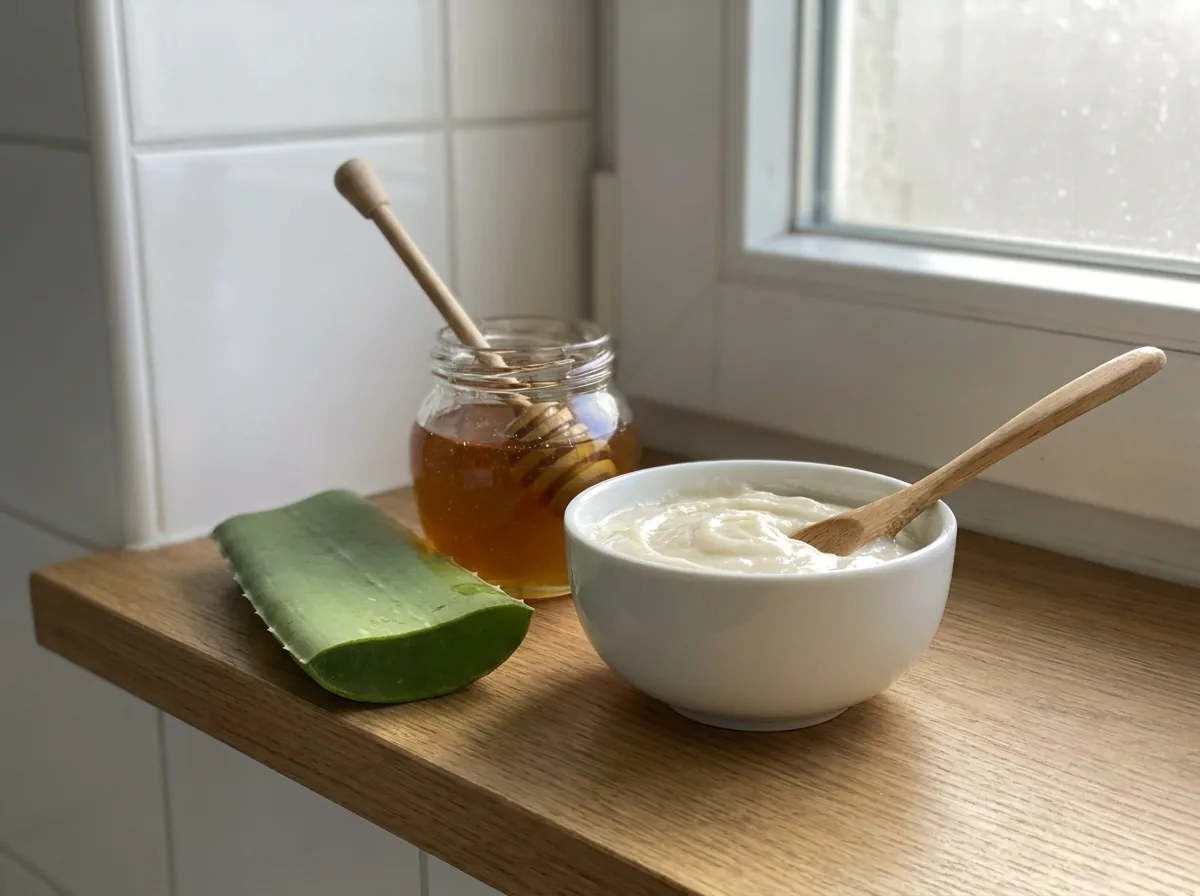
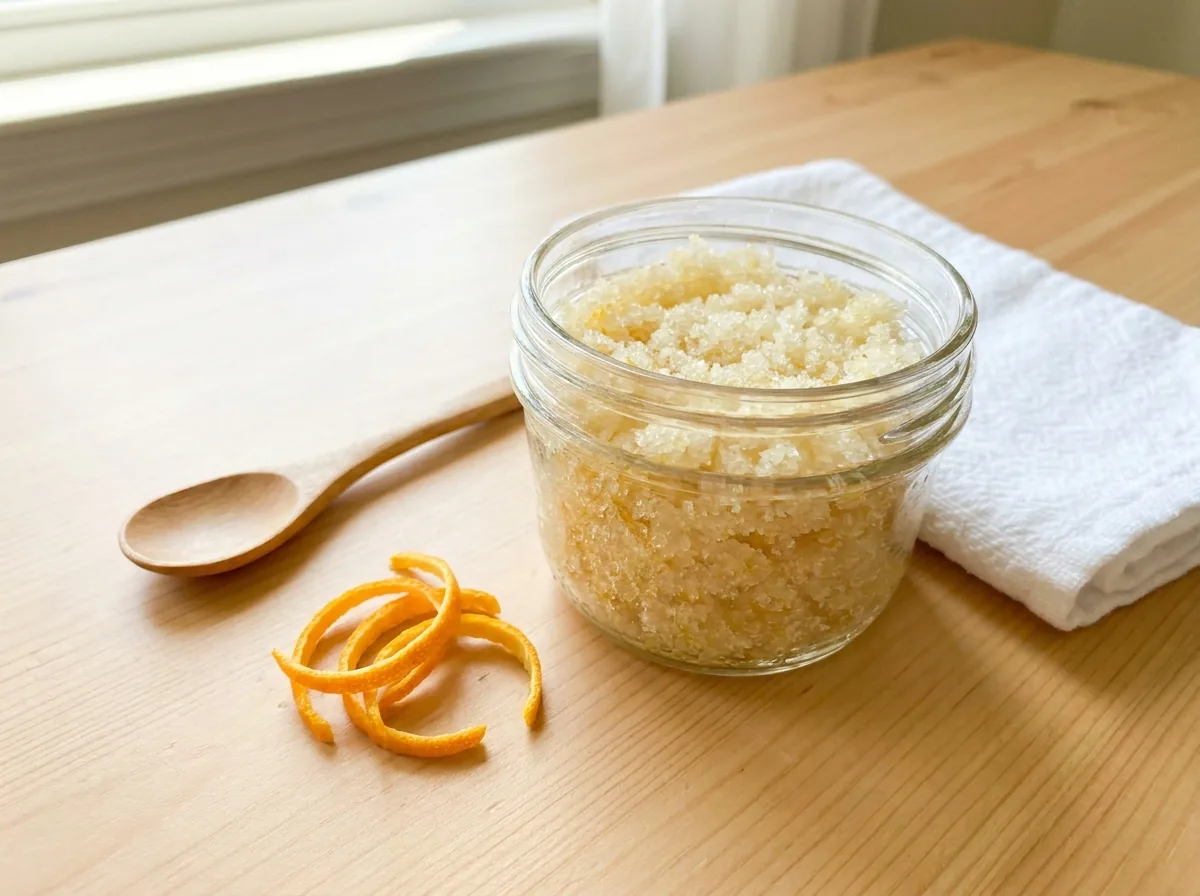
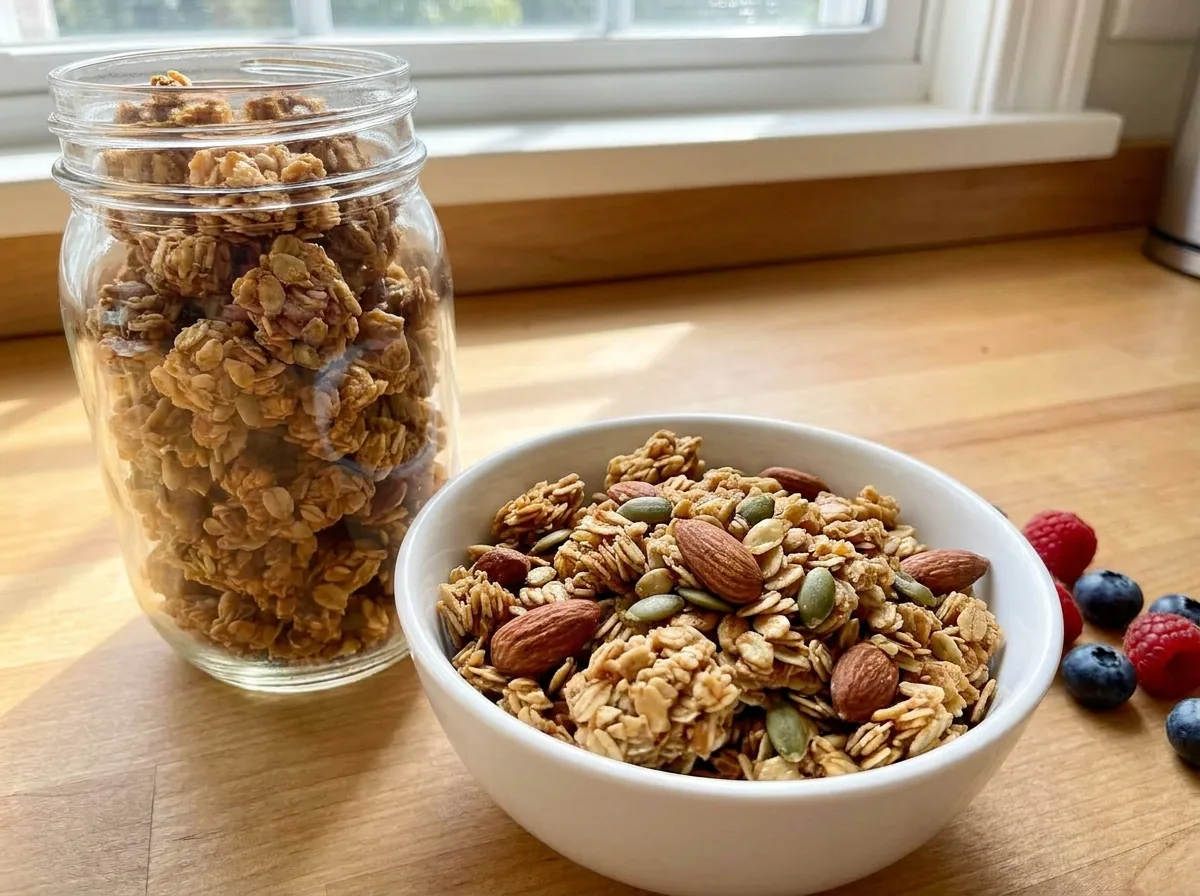
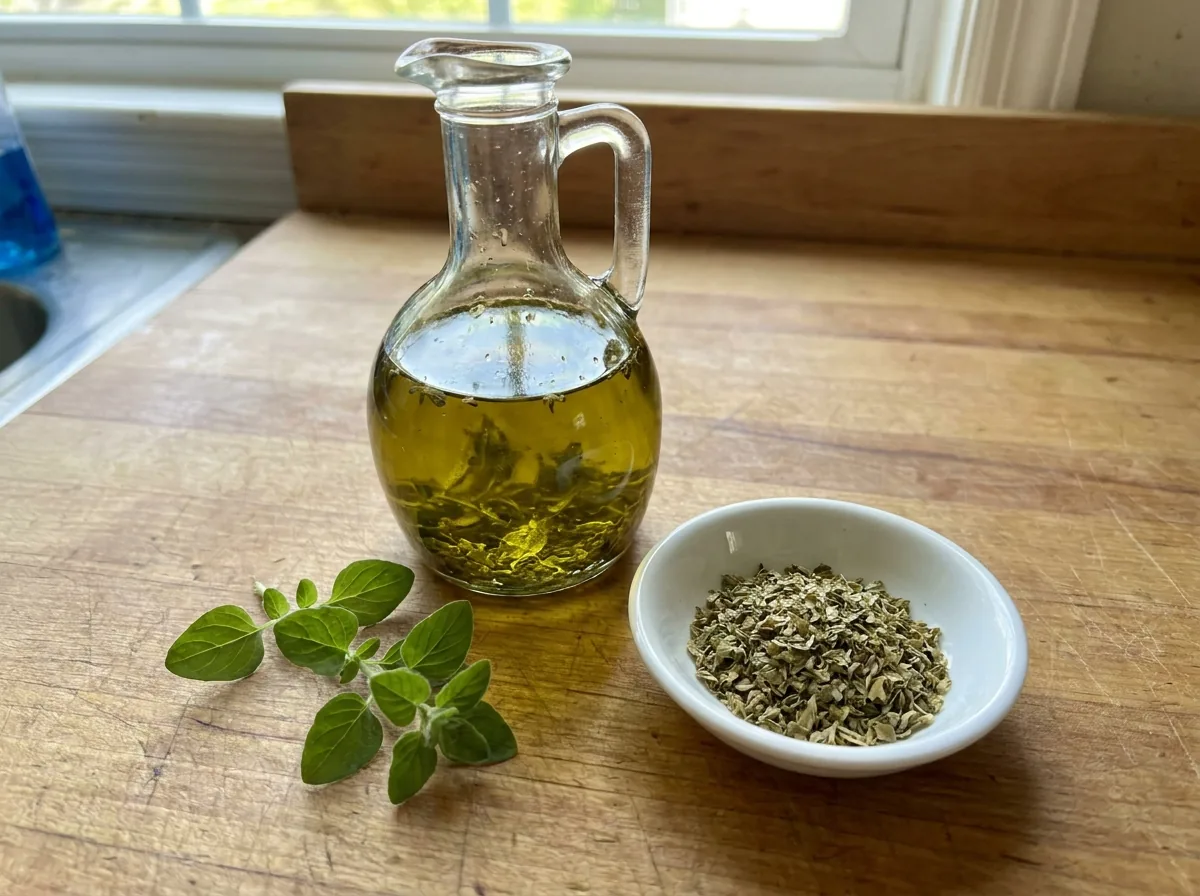
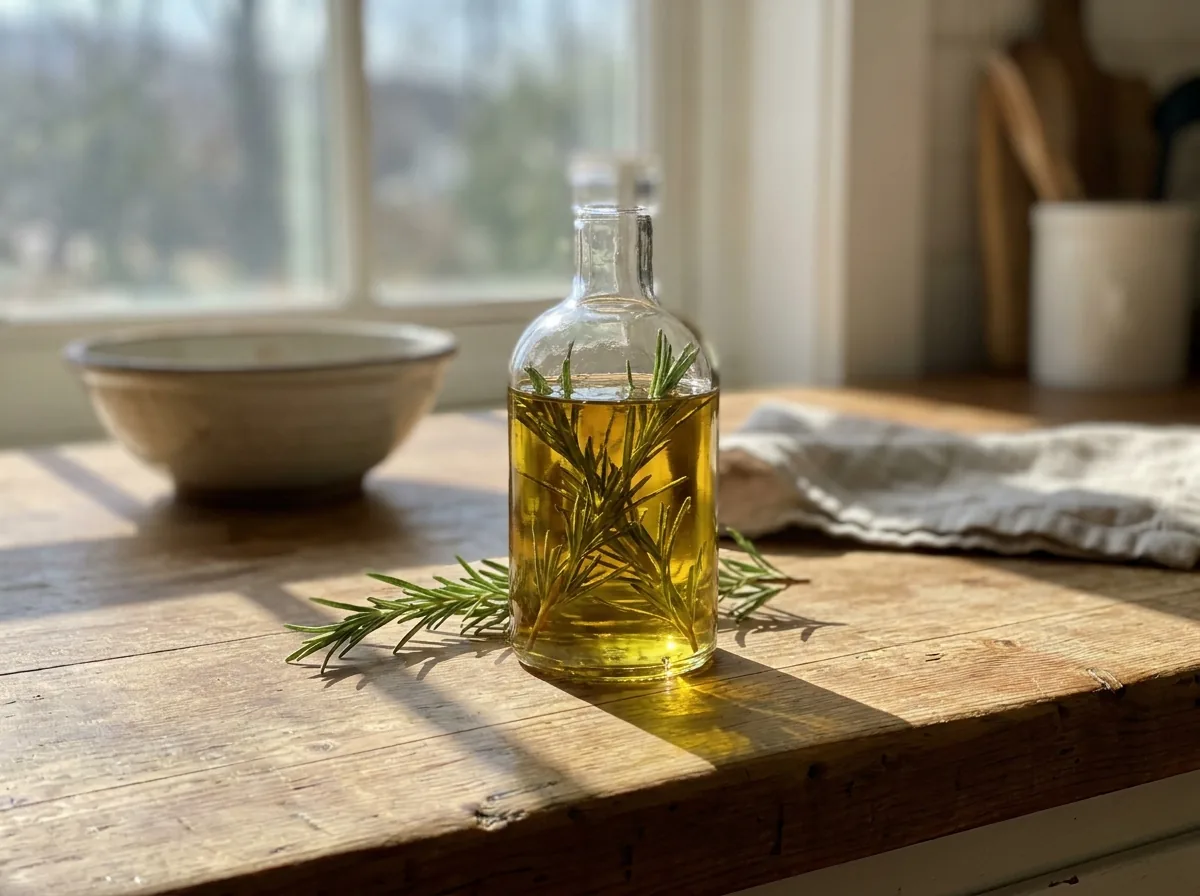
DIY guides that use olive oil, with quantities, safety notes and an honest word on what they do.
Sources (7)
- Randomised trial Estruch R, Ros E, Salas-Salvado J, et al. Primary Prevention of Cardiovascular Disease with a Mediterranean Diet Supplemented with Extra-Virgin Olive Oil or Nuts. N Engl J Med. 2018.
- Cochrane review Rees K, Takeda A, Martin N, et al. Mediterranean-style diet for the primary and secondary prevention of cardiovascular disease. Cochrane Database Syst Rev. 2019.
- Meta-analysis Ke Y, Fan H, Zhao Y, et al. Olive oil intake and cardiovascular disease, cancer, and all-cause mortality: a systematic review and dose-response meta-analysis of prospective cohort studies. Food Funct. 2024.
- Mechanistic trial Danby SG, AlEnezi T, Sultan A, et al. Effect of olive and sunflower seed oil on the adult skin barrier: implications for neonatal skin care. Pediatr Dermatol. 2013.
- Randomised trial Cooke A, Cork MJ, Victor S, et al. Olive Oil, Sunflower Oil or no Oil for Baby Dry Skin or Massage: A Pilot, Assessor-blinded, Randomized Controlled Trial (the Oil in Baby SkincaRE [OBSeRvE] Study). Acta Derm Venereol. 2016.
- Cochrane review Aaron K, Cooper TE, Warner L, Burton MJ. Ear drops for the removal of ear wax. Cochrane Database Syst Rev. 2018.
- Regulator/health agency NHS. Earwax build-up.
Last reviewed 10 October 2026 · Next review April 2027 · How we rate evidence
Reader notes
Experiences and questions from readers, read by an editor before they appear. They are personal accounts, not evidence, and are not medical advice.