
Turmeric
Turmeric-based products have reduced knee osteoarthritis pain more than placebo in short trials, but almost all of that evidence is for concentrated curcumin extracts rather than the spice or whole-root powder, and the reviews rate its certainty as low. The EU regulator accepts turmeric root only for mild indigestion, on traditional use rather than trial proof.
The main caution is liver injury: US and Italian case reports link turmeric supplements to serious hepatitis, and one death occurred in a ten-case US series.
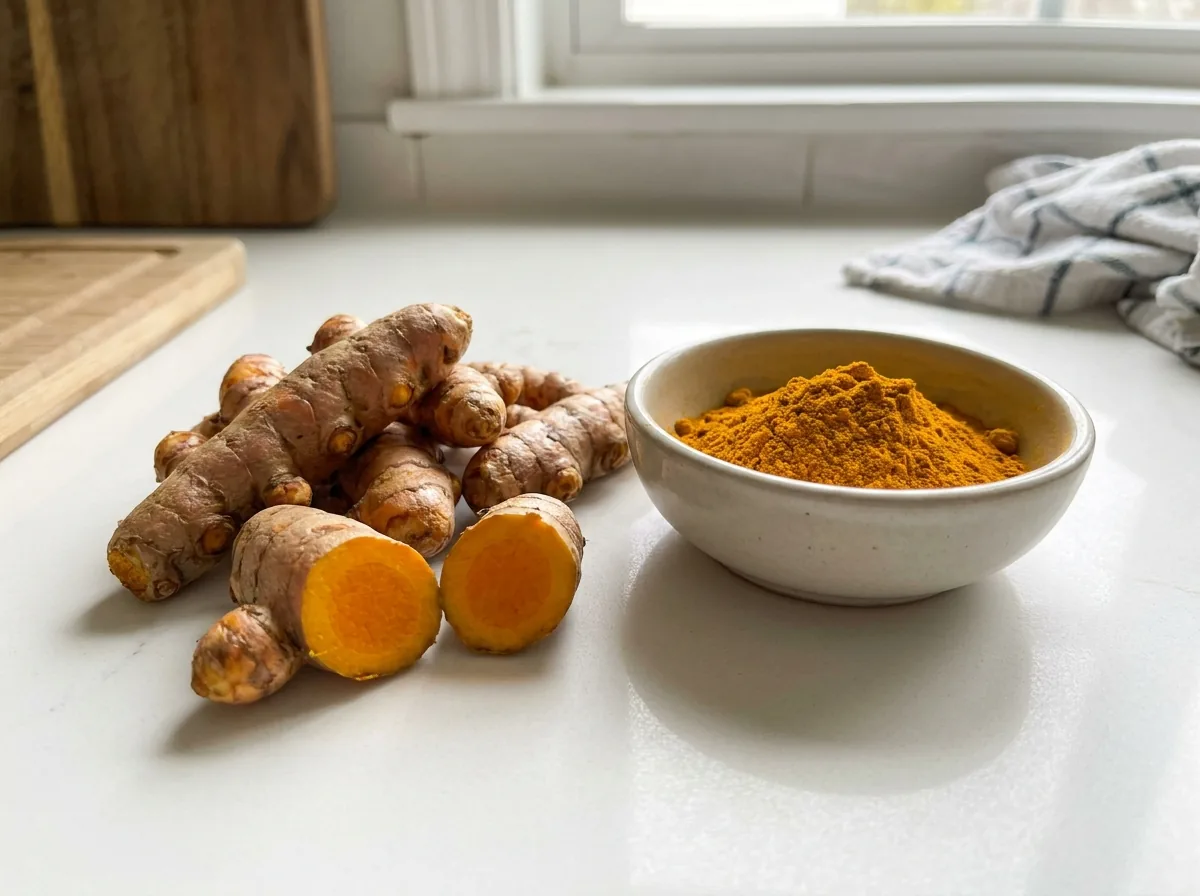
At a glance
Last reviewed 10 October 2026What it's used for
Evidence is rated per use. The same ingredient can be strong for one thing and traditional for another.
| Use | Evidence | What the research shows |
|---|---|---|
| Knee osteoarthritis pain and functionCompare remedies for joints and inflammation → | Limited | Systematic reviews of randomised trials find turmeric products beat placebo for knee pain and function: 16 trials in 1,810 adults lasting up to 16 weeks gave a standardised mean difference of −0.82 for pain, with very high heterogeneity (I² 86%), and similar results to NSAIDs. A 2025 network meta-analysis of 17 trials rated the certainty of evidence as low. The trials mostly tested curcumin or curcuminoid extracts, not culinary turmeric or plain root powder, so these results do not show that the spice works. NCCIH says the initial evidence is positive but higher-quality research is needed.4,5,6,1 |
| Mild indigestion (fullness, slow digestion, wind)Compare remedies for digestion → | Traditional | The EU regulator (HMPC) recognises turmeric root powder, tea and extracts for mild digestive problems on traditional use alone, because clinical studies had design shortcomings and only one had a control group. A 2024 systematic review of 26 studies, most at high risk of bias, found possible benefit in irritable bowel syndrome and inflammatory bowel disease but inconsistent results for other digestive conditions, and said efficacy remains unclear.2,3,7 |
How much
Ranges below are what studies used and what supplements commonly contain. They are not a recommendation for you. Start at the low end.
How people take it
Safety
Who should avoid
- Liver disease, bile-duct obstruction, gallstones — EU regulator advises against
- Pregnancy and breastfeeding — safety not established, EU regulator advises against
- Children and adolescents under 18 — not recommended, too little data
- Anyone with jaundice, dark urine or unusual fatigue while taking it — stop and seek care
- Known hypersensitivity to turmeric
Known interactions
Compare with
Head-to-head pages for the pairs people search most.
Questions people ask
Does turmeric work for arthritis pain?
Trials of turmeric and curcumin extracts show less knee osteoarthritis pain than placebo, but the evidence is short-term, varies a lot between studies and is rated low certainty. Almost none of it tests cooking turmeric or plain root powder, so the spice itself has not been shown to help.
Can turmeric damage the liver?
Rarely, but seriously. A US network reviewed ten turmeric-associated liver injury cases from 2004 to 2022: five people were hospitalised and one died of acute liver failure, and 7 of 10 carried the gene variant HLA-B*35:01.
NCCIH says liver damage has been reported with the highly bioavailable formulations and advises stopping if fatigue, nausea, poor appetite, dark urine or jaundice appear.
Is turmeric good for digestion?
The EU regulator accepts turmeric root for relief of mild fullness, slow digestion and flatulence based on long use, not trial proof. A 2024 review of 26 mostly poor-quality studies found possible benefit in irritable bowel syndrome and inflammatory bowel disease, but concluded efficacy is unclear.
Is turmeric the same as curcumin?
No. Curcumin is the main yellow compound in turmeric, and it is the one most research has tested, usually as a concentrated extract. NCCIH notes that curcuminoids are the components commonly credited for turmeric's health effects, so results for extracts cannot be assumed for the spice.
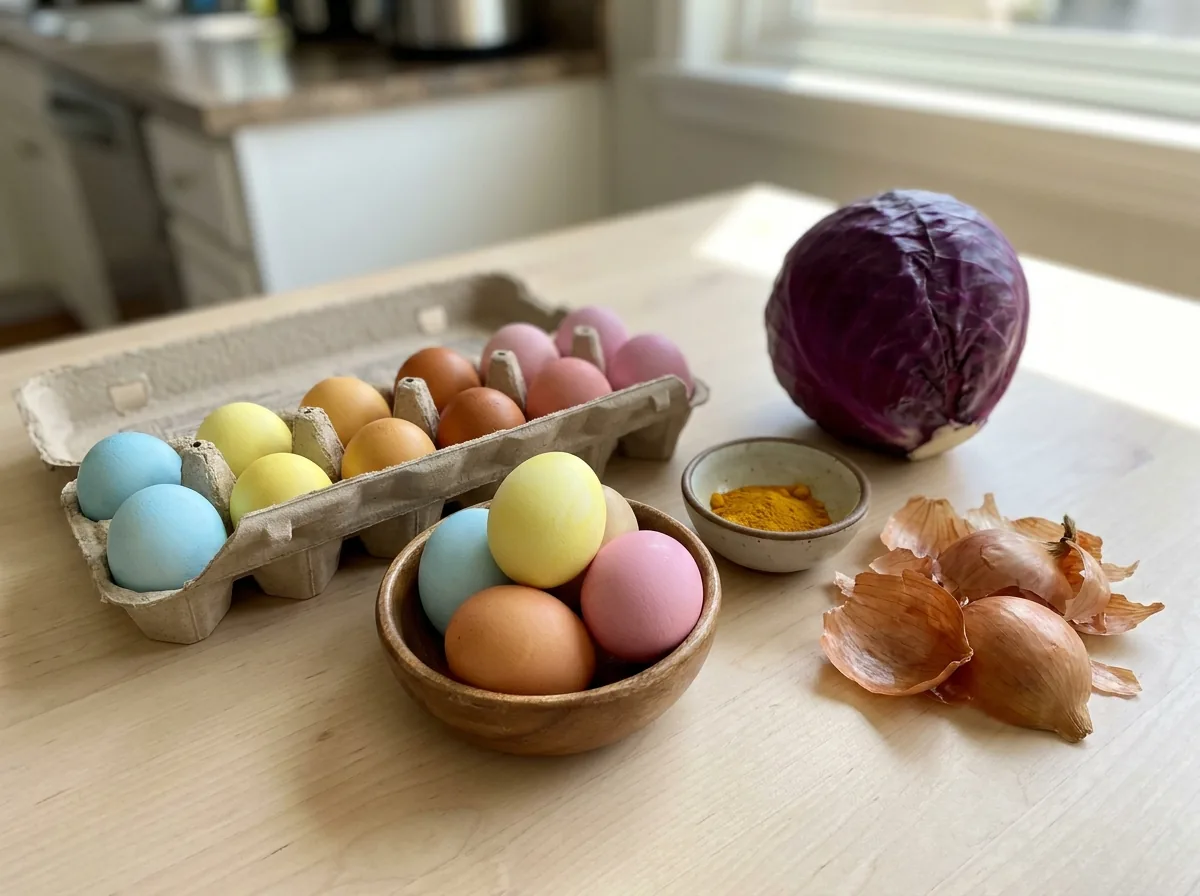
Make it yourself
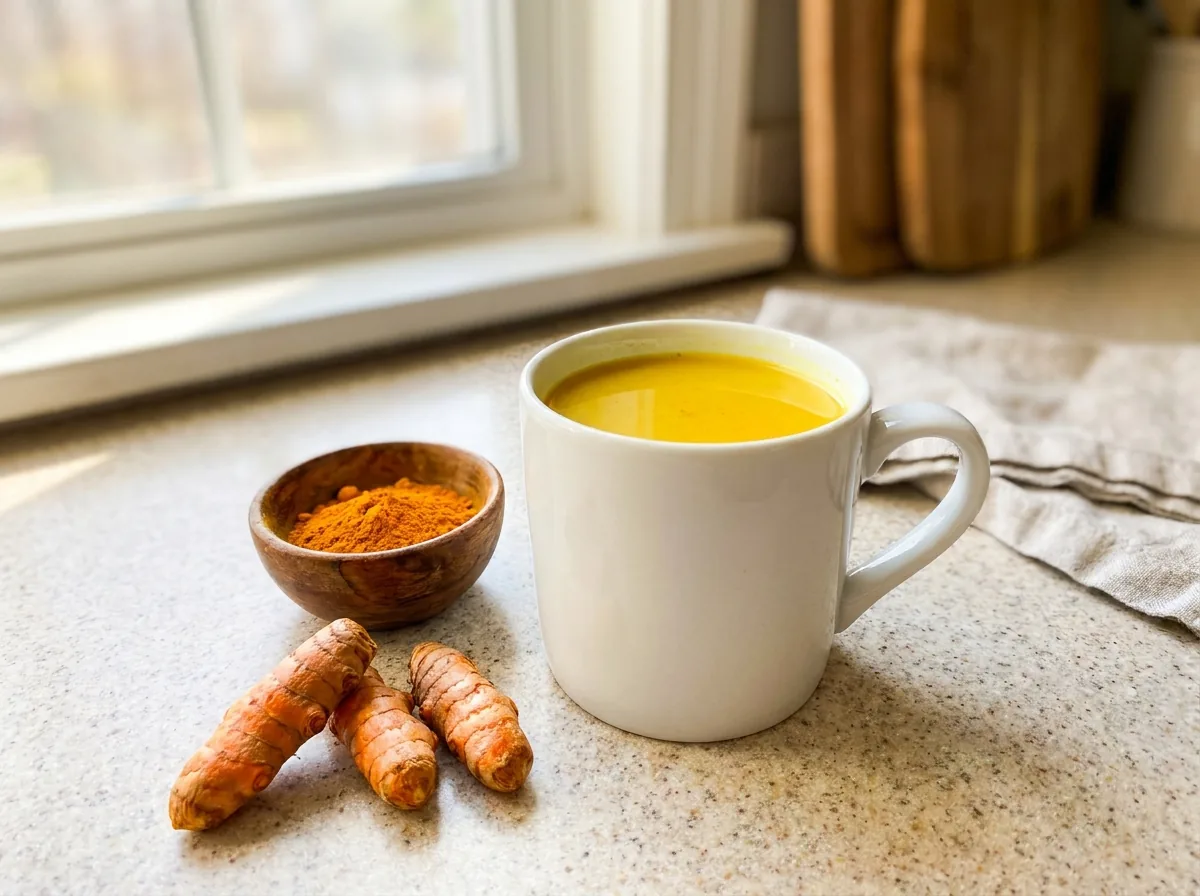
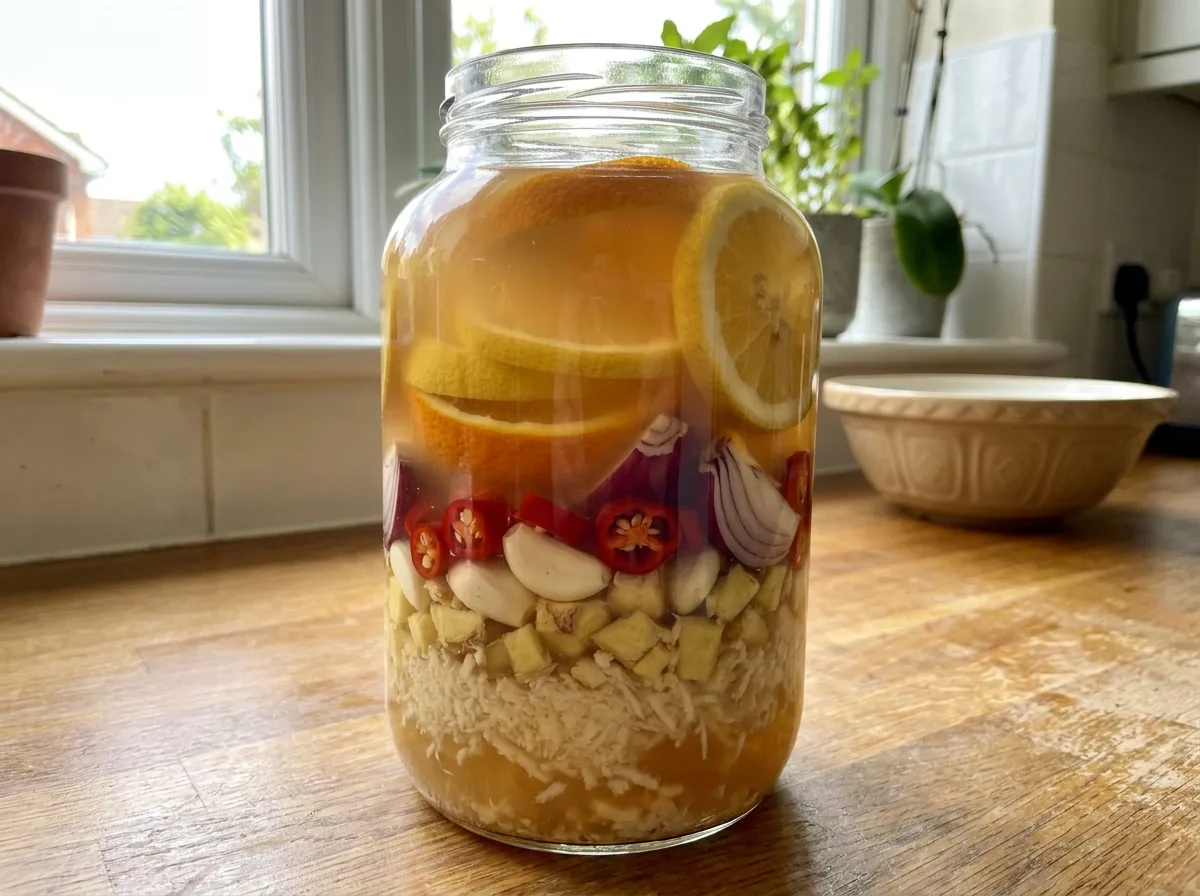
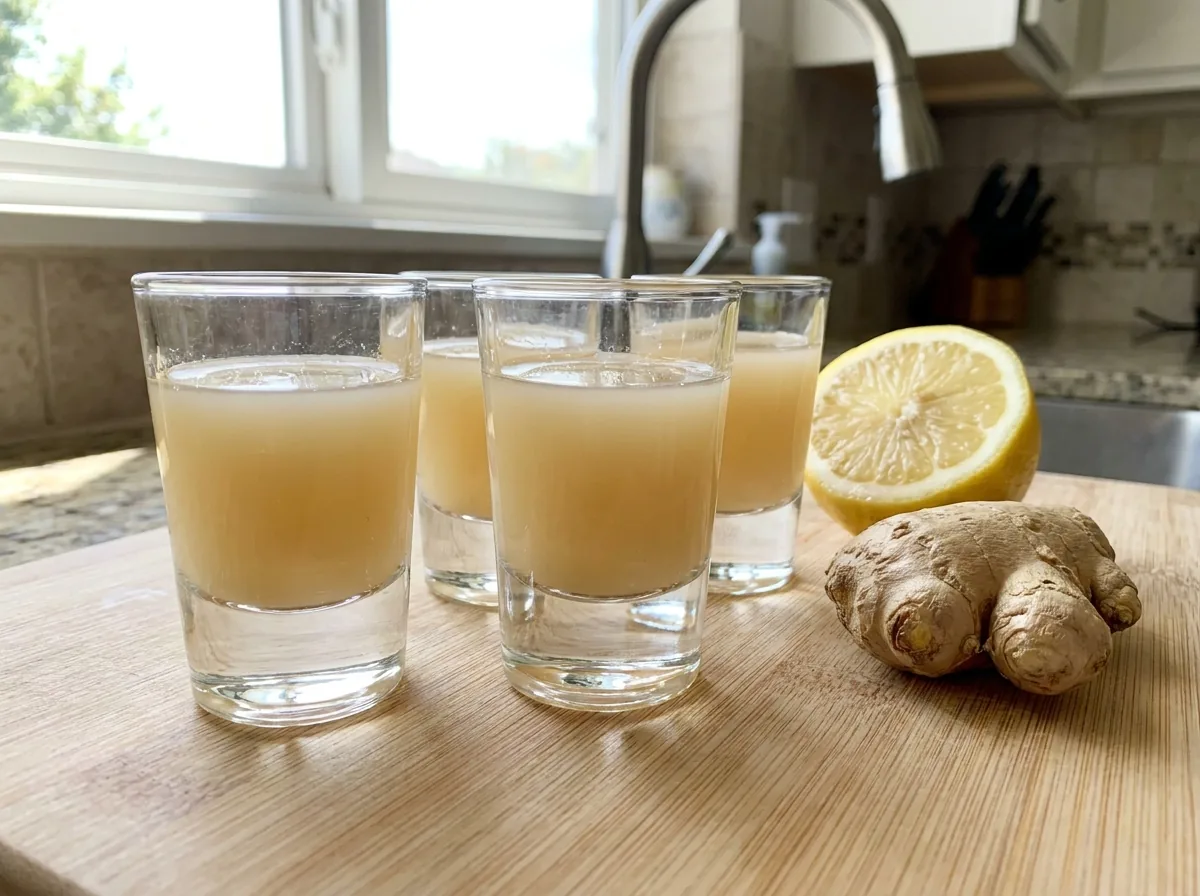
DIY guides that use turmeric, with quantities, safety notes and an honest word on what they do.
Sources (8)
- Regulator/health agency NCCIH. Turmeric: Usefulness and Safety. National Center for Complementary and Integrative Health.
- Regulator monograph European Medicines Agency HMPC. European Union herbal monograph on Curcuma longa L., rhizoma (EMA/HMPC/329755/2017). 2018.
- Regulator summary European Medicines Agency HMPC. Turmeric: Curcuma longa L. (C. domestica Valeton), rhizoma. Summary for the public (EMA/697301/2018). 2018.
- Systematic review Wang Z, Singh A, Jones G, et al. Efficacy and Safety of Turmeric Extracts for the Treatment of Knee Osteoarthritis: a Systematic Review and Meta-analysis of Randomised Controlled Trials. Curr Rheumatol Rep. 2021.
- Systematic review Paultre K, Cade W, Hernandez D, Reynolds J, Greif D, Best TM. Therapeutic effects of turmeric or curcumin extract on pain and function for individuals with knee osteoarthritis: a systematic review. BMJ Open Sport Exerc Med. 2021.
- Network meta-analysis Wai HS, Pathomwichaiwat T, Suansanae T, Nathisuwan S, Rattanavipanon W. Effect of turmeric products on knee osteoarthritis: a systematic review and network meta-analysis. BMC Complement Med Ther. 2025.
- Systematic review Thavorn K, Wolfe D, Faust L, et al. A systematic review of the efficacy and safety of turmeric in the treatment of digestive disorders. Phytother Res. 2024.
- Case series Halegoua-DeMarzio D, Navarro V, Ahmad J, et al. Liver Injury Associated with Turmeric-A Growing Problem: Ten Cases from the Drug-Induced Liver Injury Network [DILIN]. Am J Med. 2023.
Last reviewed 10 October 2026 · Next review April 2027 · How we rate evidence
Reader notes
Experiences and questions from readers, read by an editor before they appear. They are personal accounts, not evidence, and are not medical advice.