
Turmeric vs Ginger
Which is better for joints and inflammation?
Short answer
For knee osteoarthritis neither is a strong choice: both are rated Limited. Turmeric has more behind it (16 trials in 1,810 adults beat placebo for pain, with results similar to NSAIDs), but those trials mostly tested curcumin extracts rather than the spice, results varied a lot and certainty is rated low; ginger's review of seven trials found a small drop in pain but called the evidence insufficient.
Neither has shown enough to pick it over the other on effect, so if you try one, let the cautions decide: turmeric is advised against with liver disease, gallstones or bile-duct problems, and ginger may raise bleeding risk with warfarin; neither is advised in pregnancy.
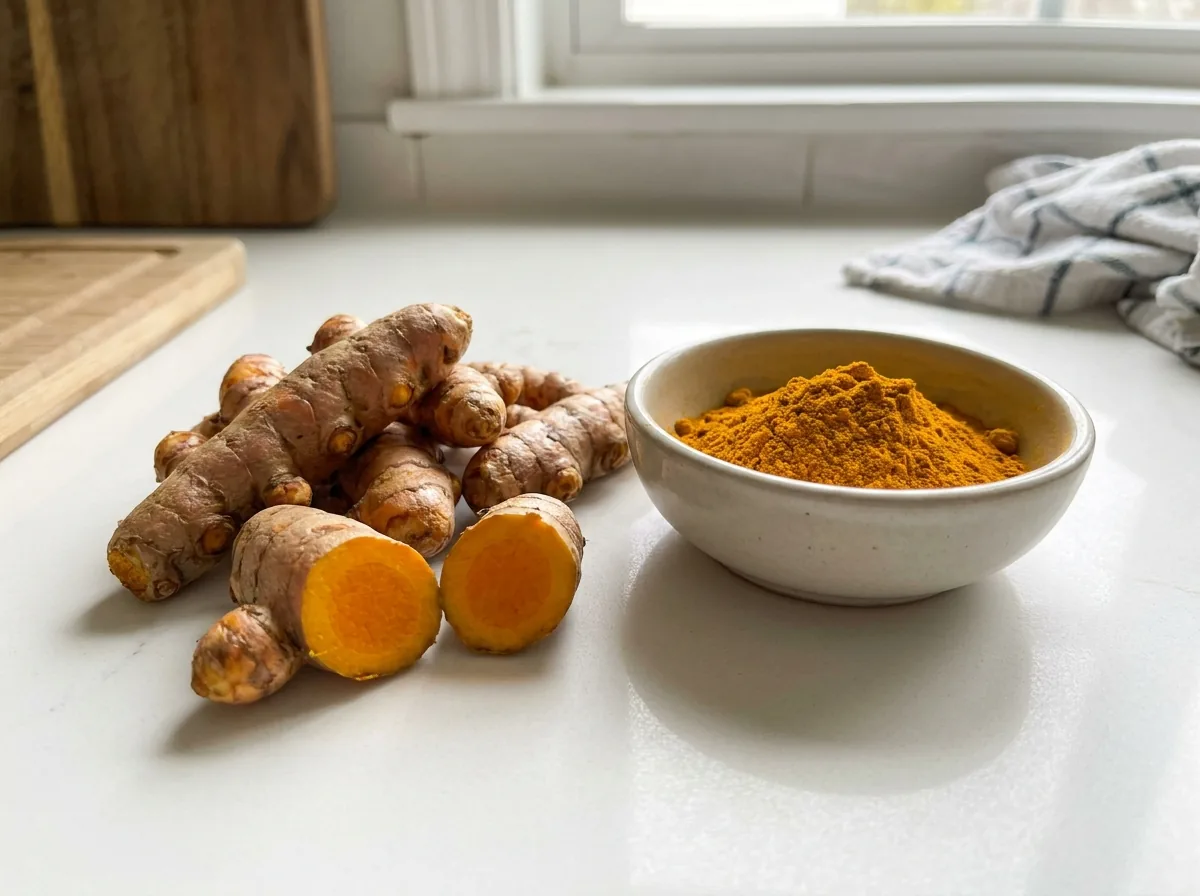
More trials: 16 pooled showed less knee pain than placebo, but they tested extracts and certainty is low
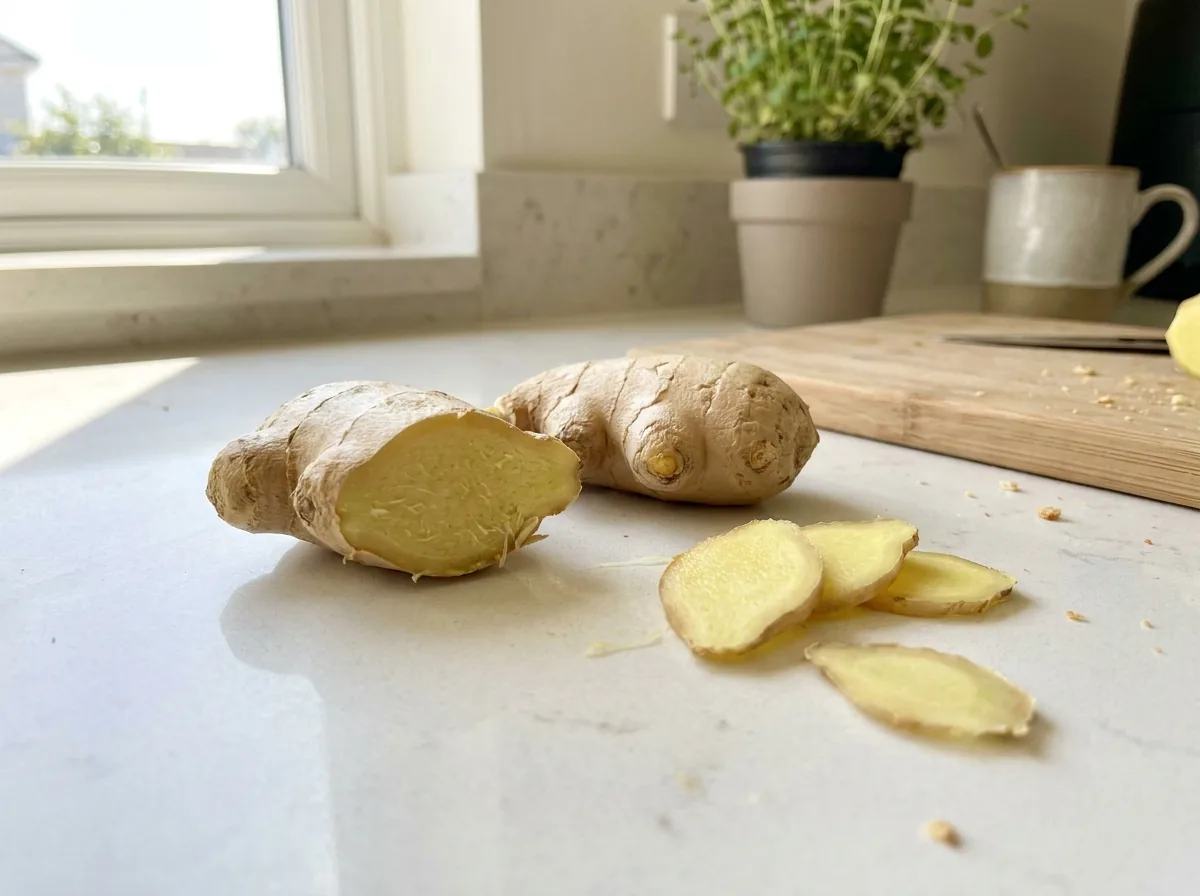
Seven trials gave a small pooled drop in knee pain, but the review called the evidence insufficient
Side by side
| Attribute | Turmeric | Ginger |
|---|---|---|
| Evidence for joints and inflammation | Limited (knee osteoarthritis pain and function) | Limited (knee osteoarthritis pain) |
| Best for | Knee osteoarthritis pain | Pregnancy nausea |
| How fast | 4+ weeks | Same night |
| Typical form | Root powder, 0.5–1 g, 2–3 times daily | Powdered root, under 1.5 g a day |
| Main caution | Rare liver injury reported with supplements | Pregnancy: EU regulator prefers avoiding it; ask first |
| Safe in pregnancy? | EU regulator advises against | EU regulator prefers avoiding it; ask first |
| Form behind the knee trials | Mostly curcumin extracts, not the spice or root powder | Oral capsules; gel on the skin showed no benefit |
| Blood thinners | No interaction recorded | Monitor: may raise bleeding risk with warfarin |
Which should you pick?
Choose Turmeric if
- you want the option with the larger body of knee osteoarthritis trials, accepting they tested extracts rather than the spice
- you have no liver disease, gallstones or bile-duct obstruction and are not pregnant or breastfeeding
- you will judge it over a month or more, since the trials ran up to 16 weeks
Choose Ginger if
- liver disease, gallstones or a bile-duct problem rules turmeric out for you
- you also have period pain, where ginger is rated Moderate
- you are not pregnant or breastfeeding and do not take warfarin
Questions people ask
Can I take turmeric and ginger together?
Neither entry tests the two together, and neither names the other as an interaction. Turmeric's entry records no interactions and ginger's lists blood thinners at Monitor, and both list stomach upset among side effects; whether combining them adds to either is unknown, not cleared.
Is turmeric or ginger better for arthritis?
Neither has good evidence for knee osteoarthritis; both are rated Limited, and no trial in either entry compares them.
Turmeric products beat placebo for knee pain across 16 trials (standardised mean difference −0.82) but results varied a lot and certainty is low.
Ginger capsules reduced pain against placebo across seven trials (mean difference −7.88 mm), but the reviewers judged the evidence insufficient because the trials were small, varied and of poor quality.
Does cooking with turmeric or ginger help joint pain?
Not on the evidence in either entry. The turmeric trials mostly tested curcumin or curcuminoid extracts, so they do not show that the spice works. NCCIH notes most ginger studies used supplements rather than food, so the amount in ginger tea or biscuits is not comparable.
How long should I try it before deciding?
The turmeric trials ran up to 16 weeks, so a month is a fair minimum to judge any change; NCCIH says turmeric is likely safe in recommended amounts for up to 2 or 3 months. The EU monograph on ginger advises seeing a doctor if joint pain persists beyond 4 weeks.
Sources (6)
- Systematic review Wang Z, Singh A, Jones G, et al. Efficacy and Safety of Turmeric Extracts for the Treatment of Knee Osteoarthritis: a Systematic Review and Meta-analysis of Randomised Controlled Trials. Curr Rheumatol Rep. 2021.
- Regulator/health agency NCCIH. Turmeric: Usefulness and Safety. National Center for Complementary and Integrative Health.
- Regulator monograph European Medicines Agency HMPC. European Union herbal monograph on Curcuma longa L., rhizoma (EMA/HMPC/329755/2017). 2018.
- Systematic review Araya-Quintanilla F, Gutierrez-Espinoza H, Munoz-Yanez MJ, Sanchez-Montoya U, Lopez-Jeldes J. Effectiveness of ginger on pain and function in knee osteoarthritis: a PRISMA systematic review and meta-analysis. Pain Physician. 2020.
- Regulator/health agency NCCIH. Ginger: Usefulness and Safety. National Center for Complementary and Integrative Health (last updated February 2025).
- Regulator monograph European Medicines Agency HMPC. European Union herbal monograph on Zingiber officinale Roscoe, rhizoma, Final Revision 1 (EMA/HMPC/885789/2022). 2025.
Reader notes
Experiences and questions from readers, read by an editor before they appear. They are personal accounts, not evidence, and are not medical advice.