Psyllium vs Senna
Which is better for digestion?
Awaiting clinical review. This comparison is built from sourced entries but has not yet been signed off by a pharmacist or clinician.
Short answer
Pick psyllium first for ongoing constipation: it is rated Strong (a 16-trial meta-analysis of fibre in which psyllium showed a significant effect, plus EU well-established-use status) and its cautions are about water and swallowing. Senna is rated Moderate and is the short-term option, working 8 to 12 hours after a night-time dose, but the EU monograph limits it to about a week, reserves it for when a diet change or bulk-forming agent has not worked, and contraindicates it in pregnancy and under-12s.
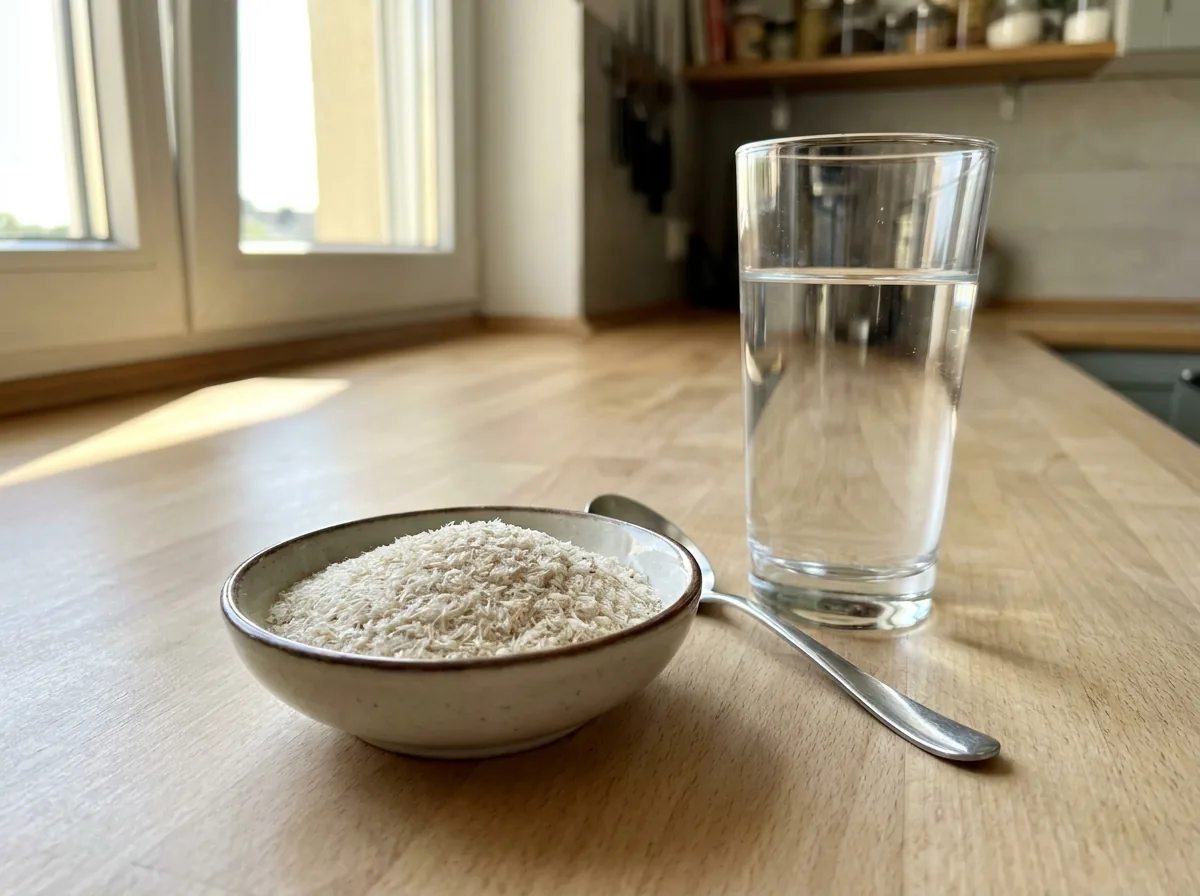
Rated Strong: fibre meta-analysis of 16 trials, EU well-established use; needs plenty of water
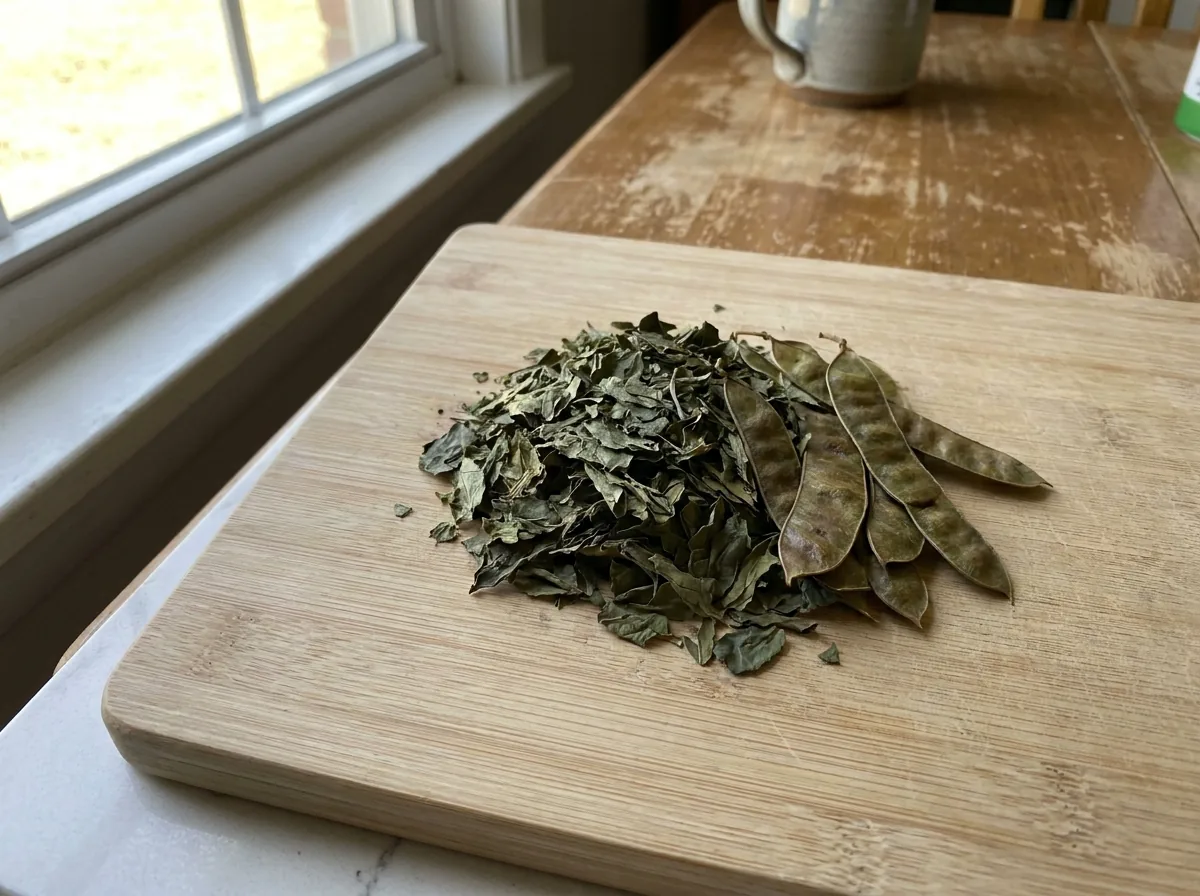
Works 8 to 12 hours after a night-time dose, but Moderate-rated, for about a week only
Side by side
| Attribute | Psyllium | Senna |
|---|---|---|
| Evidence for digestion | Strong (chronic constipation) | Moderate (constipation) |
| Best for | Constipation | Short-term constipation |
| How fast | 4+ weeks | Same night |
| Typical form | Husk powder, about 10 g a day in water | Extract, 10–30 mg sennosides at night |
| Main caution | Needs plenty of water; can cause choking or blockage | Not for over 1 week; not in pregnancy or under 12s |
| Main risk | Choking or blockage if taken with too little fluid | Cramps, diarrhoea; may lead to dependence |
| Children | 6 to 12 years: 3 to 8 g a day (EU monograph) | Contraindicated under 12 (EU regulator) |
| Pregnancy and breastfeeding | Limited data (EMA); not called safe | Contraindicated (EU monograph) |
Which should you pick?
Choose Psyllium if
- you want an option for ongoing constipation, judged over about a month
- you can take it with a full glass of water and have no swallowing or bowel-blockage problems
- you can keep it half an hour to an hour away from other medicines
Choose Senna if
- fibre has not worked and you need a stimulant laxative for a short spell
- you are not pregnant or breastfeeding, are over 12 and can limit it to about a week
- psyllium is ruled out by swallowing, throat or bowel-narrowing problems
Questions people ask
Can I take psyllium and senna together?
No interaction between the two is recorded. The entries' timing fits: psyllium in the day, half an hour to an hour from other medicines, and senna once at night, but neither entry tests the combination and both flag digoxin-type heart medicines (psyllium may delay absorption; senna acts through low potassium).
Which works faster, psyllium or senna?
Senna, slightly: its effect comes 8 to 12 hours after a dose, so it is taken at night. Psyllium's effect on constipation starts 12 to 24 hours after a dose and sometimes peaks after 2 to 3 days.
Can I take senna every day?
The EU monograph says not for more than about a week, and that daily use or use beyond a week means the cause should be investigated; it may lead to impaired bowel function and dependence. The chronic-constipation trials ran 4 weeks or more, which is a tension the senna entry flags rather than resolves.
What do I need to know before taking psyllium?
Mix it with at least 30 ml of liquid for every gram and drink it straight away; taken dry or with too little fluid it can obstruct the throat or bowel. Take it during the day rather than just before bed, and keep it half an hour to an hour from other medicines.
Sources
- Systematic review van der Schoot A, Drysdale C, Whelan K, Dimidi E. The Effect of Fiber Supplementation on Chronic Constipation in Adults: An Updated Systematic Review and Meta-Analysis of Randomized Controlled Trials. Am J Clin Nutr. 2022.
- Regulator monograph European Medicines Agency HMPC. Community herbal monograph on Plantago ovata Forssk., seminis tegumentum (EMA/HMPC/199774/2012). 2013.
- Systematic review Rao SSC, Brenner DM. Efficacy and Safety of Over-the-Counter Therapies for Chronic Constipation: An Updated Systematic Review. Am J Gastroenterol. 2021.
- Regulator monograph European Medicines Agency HMPC. European Union herbal monograph on Senna alexandrina Mill. (Cassia senna L.; Cassia angustifolia Vahl), folium (EMA/HMPC/625849/2015). 2018.