Echinacea vs Elderberry
Which is better for coughs & colds?
Awaiting clinical review. This comparison is built from sourced entries but has not yet been signed off by a pharmacist or clinician.
Short answer
Neither is proven: both are rated Limited for colds, so this comes down to safety and practicality. Elderberry gets a narrow edge because it has no recorded interactions and no allergy warning, whereas echinacea carries a daisy-family allergy warning, an EU 10-day limit and a Caution with immunosuppressants, but treat it as a low-stakes trial, not a better remedy: its cold evidence rests on 29 people who caught a cold in one maker-funded trial, and the one independent flu trial found no benefit.
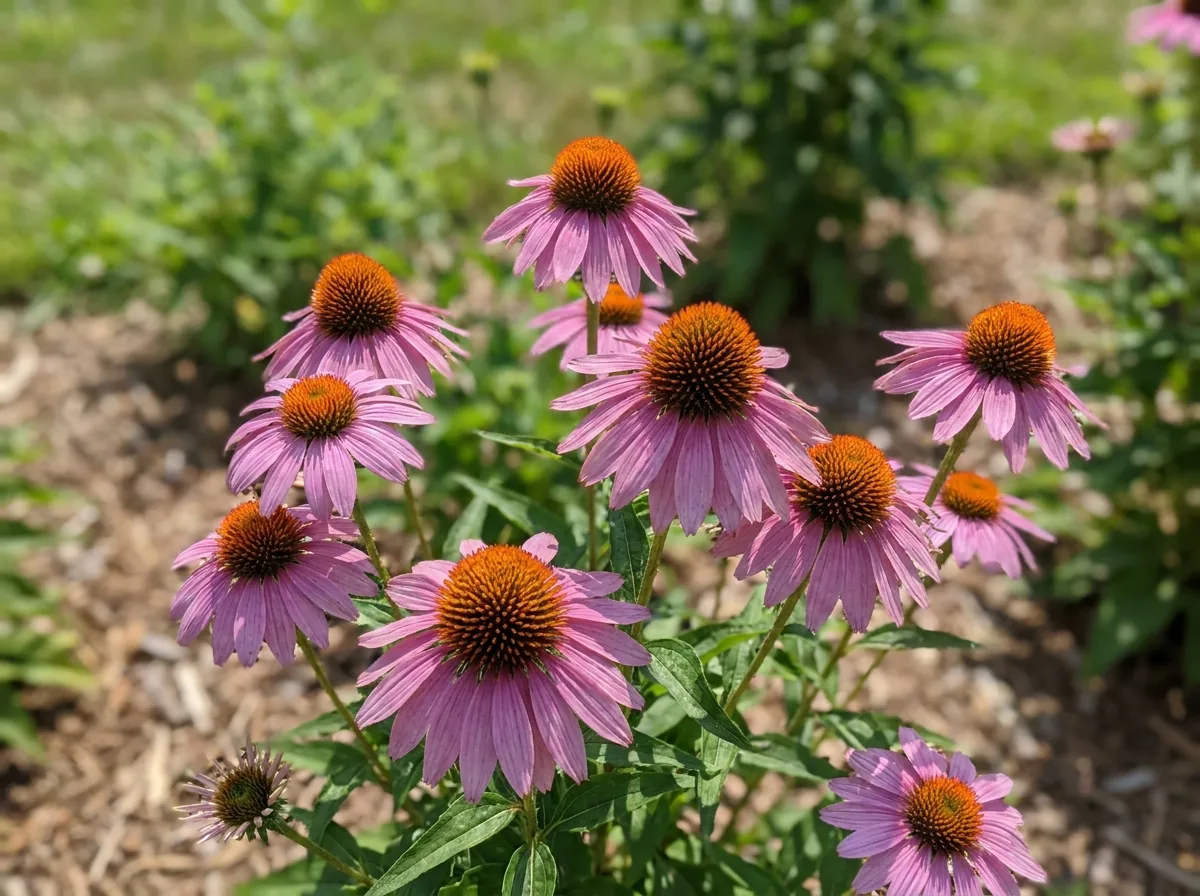
The larger evidence base (24 trials), but the Cochrane review says it has not been shown to treat colds
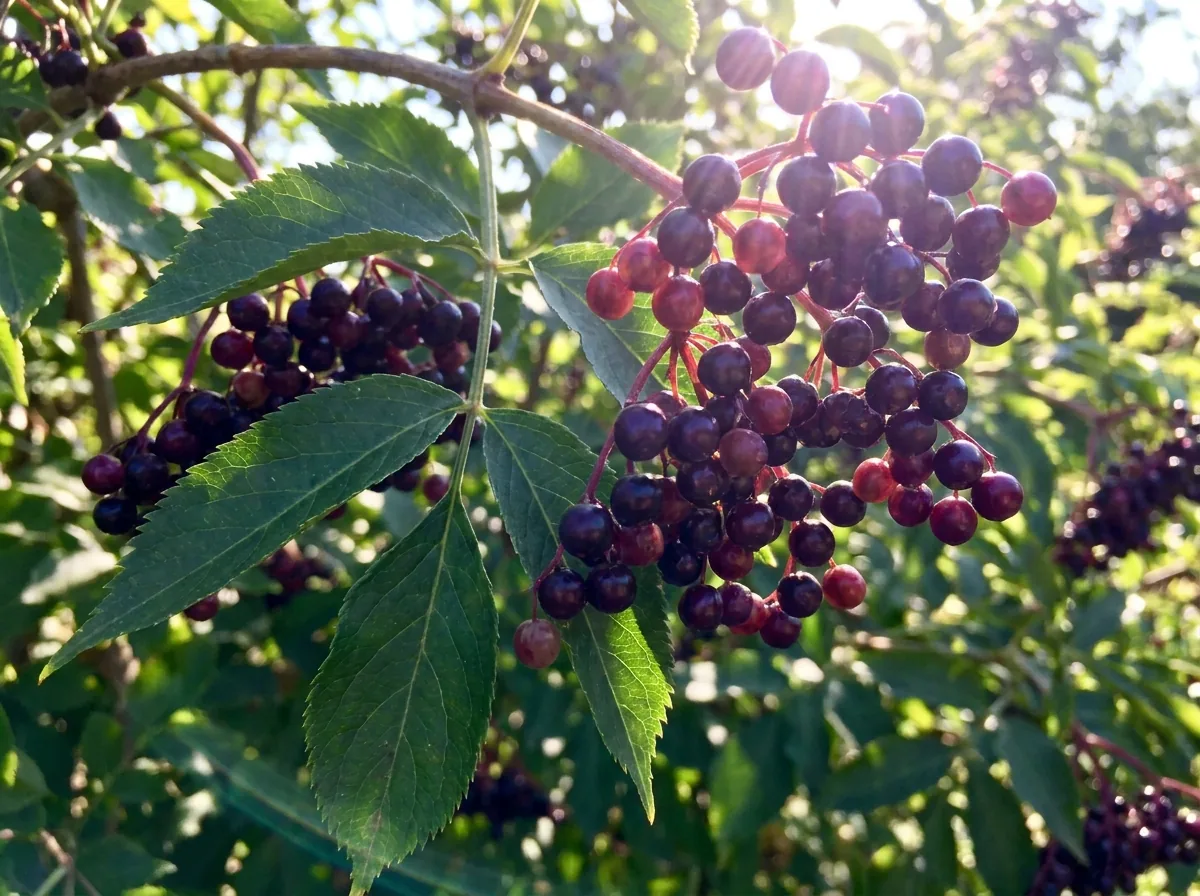
Fewer cold days in one small maker-funded trial; certainty rated very low; use cooked berries only
Side by side
| Attribute | Echinacea | Elderberry |
|---|---|---|
| Evidence for coughs & colds | Limited (treating a cold once it starts) | Limited (shortening common colds) |
| Best for | Preventing colds | Flu symptom duration |
| How fast | About a week | 2–3 days |
| Typical form | E. purpurea juice, 6–9 ml a day | Standardised syrup or extract, 5 days |
| Main caution | Allergy risk, esp. with daisy-family allergy | Raw or unripe berries, leaves and stems are toxic |
| Safe in pregnancy? | EU advises only on a doctor's say-so | Too little safety data to recommend |
| How long to use it | EU limit: no more than 10 days | Studied 5 days (flu), up to about 2 weeks |
| Who funded the positive trials | Big pooled effects: maker-linked authors | Positive trials maker-funded; independent flu trial null |
Which should you pick?
Choose Echinacea if
- you want the option with the larger set of controlled trials, knowing most treatment trials were null
- you have no daisy-family allergy, hay fever, asthma or eczema
- you have no autoimmune disease or weakened immunity
Choose Elderberry if
- you have hay fever, asthma or a daisy-family allergy, which are echinacea's main cautions
- you will use a cooked or standardised product, never raw or unripe berries, leaves or stems
Questions people ask
Can I take echinacea and elderberry together?
No interaction between the two is recorded, and neither entry reviews taking them together. Echinacea's entry flags immunosuppressants as a theoretical Caution; elderberry's lists none because no source named any, though it says to ask a pharmacist or doctor before taking it with any medicine.
Can echinacea or elderberry stop a cold?
Neither has been shown to. The Cochrane review found only one of seven echinacea treatment trials significant, and elderberry's cold evidence is one small trial (29 people caught a cold) rated very low certainty. Both are rated Limited.
Does echinacea prevent colds?
Not reliably. None of the 12 prevention comparisons in the Cochrane review was significant; a post hoc pooling suggested a 10% to 20% relative risk reduction that the authors called of questionable clinical relevance. NCCIH says echinacea may slightly reduce your chances of catching a cold.
Is it safe to make elderberry syrup at home?
NCCIH says cooking removes the toxin from raw berries, and that raw or unripe berries, leaves, stems and bark contain cyanide-producing compounds. No trial has tested home preparations, so their effect and strength are unknown.
Sources
- Cochrane review Karsch-Völk M, Barrett B, Kiefer D, Bauer R, Ardjomand-Woelkart K, Linde K. Echinacea for preventing and treating the common cold. Cochrane Database Syst Rev. 2014.
- Regulator/health agency NCCIH. Echinacea: Usefulness and Safety. National Center for Complementary and Integrative Health.
- Regulator monograph European Medicines Agency HMPC. European Union herbal monograph on Echinacea purpurea (L.) Moench, herba recens (EMA/HMPC/48704/2014 Corr 1). 2015.
- Systematic review Wieland LS, Piechotta V, Feinberg T, et al. Elderberry for prevention and treatment of viral respiratory illnesses: a systematic review. BMC Complement Med Ther. 2021.
- Randomised trial Tiralongo E, Wee SS, Lea RA. Elderberry supplementation reduces cold duration and symptoms in air-travellers: a randomized, double-blind placebo-controlled clinical trial. Nutrients. 2016.
- Randomised trial Macknin M, Wolski K, Negrey J, Mace S. Elderberry extract outpatient influenza treatment for emergency room patients ages 5 and above: a randomized, double-blind, placebo-controlled trial. J Gen Intern Med. 2020.