Cranberry vs D-mannose
Which is better for bladder & urinary?
Awaiting clinical review. This comparison is built from sourced entries but has not yet been signed off by a pharmacist or clinician.
Short answer
Pick cranberry for preventing recurrent UTIs: it is rated Moderate, with a 2023 Cochrane review finding fewer infections in women (risk ratio 0.74), though the trials were inconsistent. D-mannose is rated Limited because the largest placebo-controlled trial, of 598 UK women, found no benefit. The deciding cautions differ: cranberry is not advised with warfarin, while D-mannose has no listed interactions but has not been shown to work. Neither treats an infection you already have.
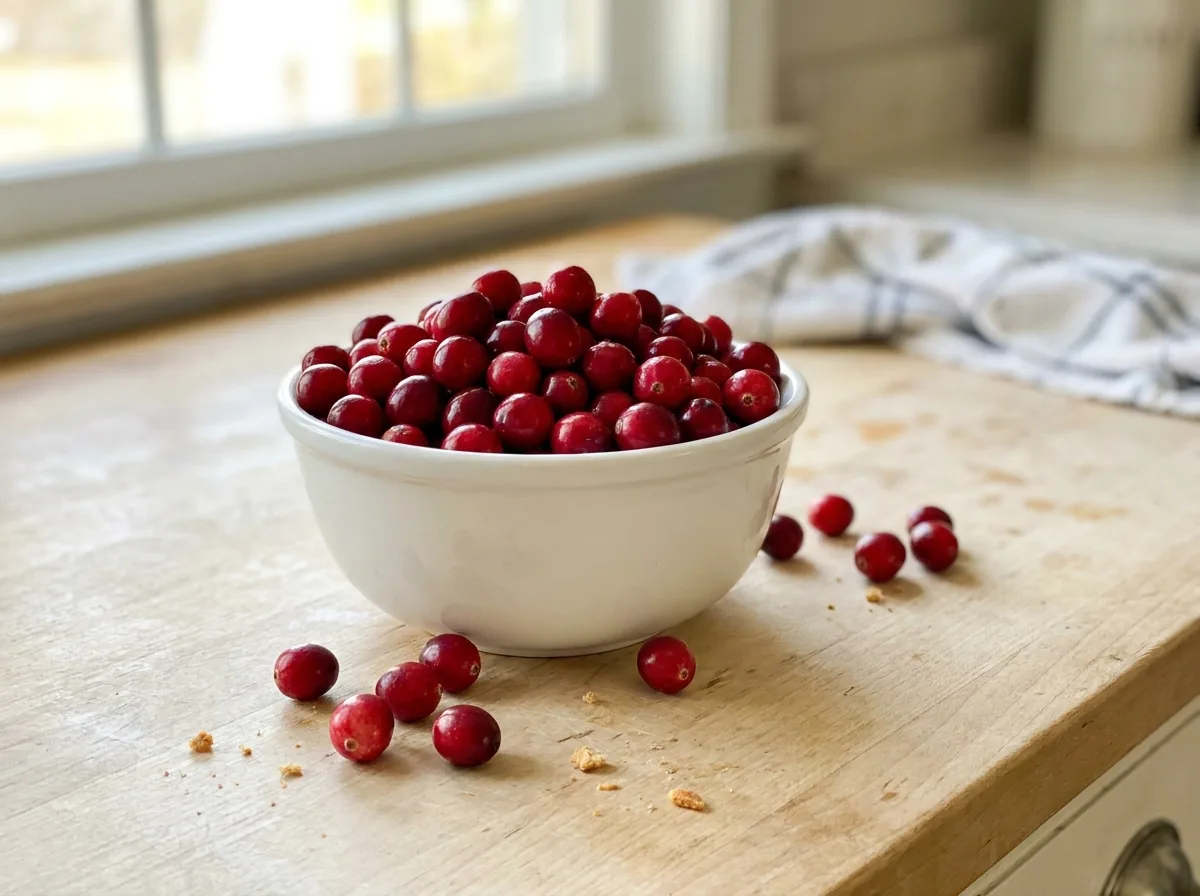
Rated Moderate: Cochrane found 26% fewer UTIs in women, but trials were inconsistent
Few, mild side effects, but the biggest UK trial found no benefit over placebo
Side by side
| Attribute | Cranberry | D-mannose |
|---|---|---|
| Evidence for bladder & urinary | Moderate (preventing recurrent utis in women) | Limited (preventing recurrent utis in women) |
| Best for | Preventing recurrent UTIs | Preventing recurrent UTIs |
| How fast | 4+ weeks | 4+ weeks |
| Typical form | Juice or PAC-standardised capsule, daily | Powder, 2 g daily |
| Main caution | UK advice: avoid if taking warfarin | Not a treatment for an active infection |
| Trial length and size | Cochrane: 8 trials, 1,555 women; 12-month trial | UK trial: 598 women, 2 g daily for 6 months |
| Safe in pregnancy? | No UTI benefit shown; ask your clinician | Not studied; UK trial excluded pregnant women |
| Side effects | Stomach upset, diarrhoea in large amounts | Few and mild, mostly diarrhoea |
Which should you pick?
Choose Cranberry if
- you get recurrent UTIs and want the better-evidenced option to try
- you do not take warfarin
- you can stay with it for months, since trials measured infections over that time
Choose D-mannose if
- you take warfarin, which rules cranberry out on UK advice
- you accept the trial evidence is mainly negative and want to try it anyway
Questions people ask
Can I take cranberry and d-mannose together?
No interaction between the two is recorded, but neither entry tests them together, so we cannot say whether combining them adds anything. Neither is a substitute for antibiotics when a clinician says you need them.
Is cranberry or D-mannose better for recurrent UTIs?
Cranberry has the better evidence. Cochrane rated it as probably reducing recurrent UTIs in women (risk ratio 0.74), while the largest D-mannose trial found no difference from placebo (51.0% versus 55.7% seeing a doctor or nurse for a suspected UTI). Cochrane rates the D-mannose evidence as very low certainty.
Can either one treat a UTI I already have?
No reliable evidence says so for either. Cochrane found no eligible trials of cranberry for treatment, and little to no evidence to support or refute D-mannose. See a GP or pharmacist about a suspected infection.
Sources
- Systematic review Williams G, Stothart CI, Hahn D, Stephens JH, Craig JC, Hodson EM. Cranberries for preventing urinary tract infections. Cochrane Database Syst Rev. 2023.
- Randomised trial Tsiakoulias E, Gravas S, Hadjichristodoulou C, et al. Randomized, placebo-controlled, double-blinded study of prophylactic cranberries use in women with recurrent uncomplicated cystitis. World J Urol. 2024.
- Health service guidance NHS. Cystitis. National Health Service (page last reviewed 11 July 2025).
- Systematic review Cooper TE, Teng C, Howell M, Teixeira-Pinto A, Jaure A, Wong G. D-mannose for preventing and treating urinary tract infections. Cochrane Database Syst Rev. 2022.
- Randomised controlled trial Hayward G, Mort S, Hay AD, et al. d-Mannose for Prevention of Recurrent Urinary Tract Infection Among Women: A Randomized Clinical Trial. JAMA Intern Med. 2024.
- Meta-analysis Murali Krishna M, Joseph M, Pereira V, Nizami A, Ezenna C, Sadasivan Sreemathy L. D-Mannose for prevention of recurrent urinary tract infection in adult women: An updated systematic review and meta-analysis of randomized controlled trials. J Infect Prev. 2025.