Awaiting clinical review. This page is built from sourced entries but has not yet been signed off by a pharmacist or clinician.
Natural remedies for women’s health
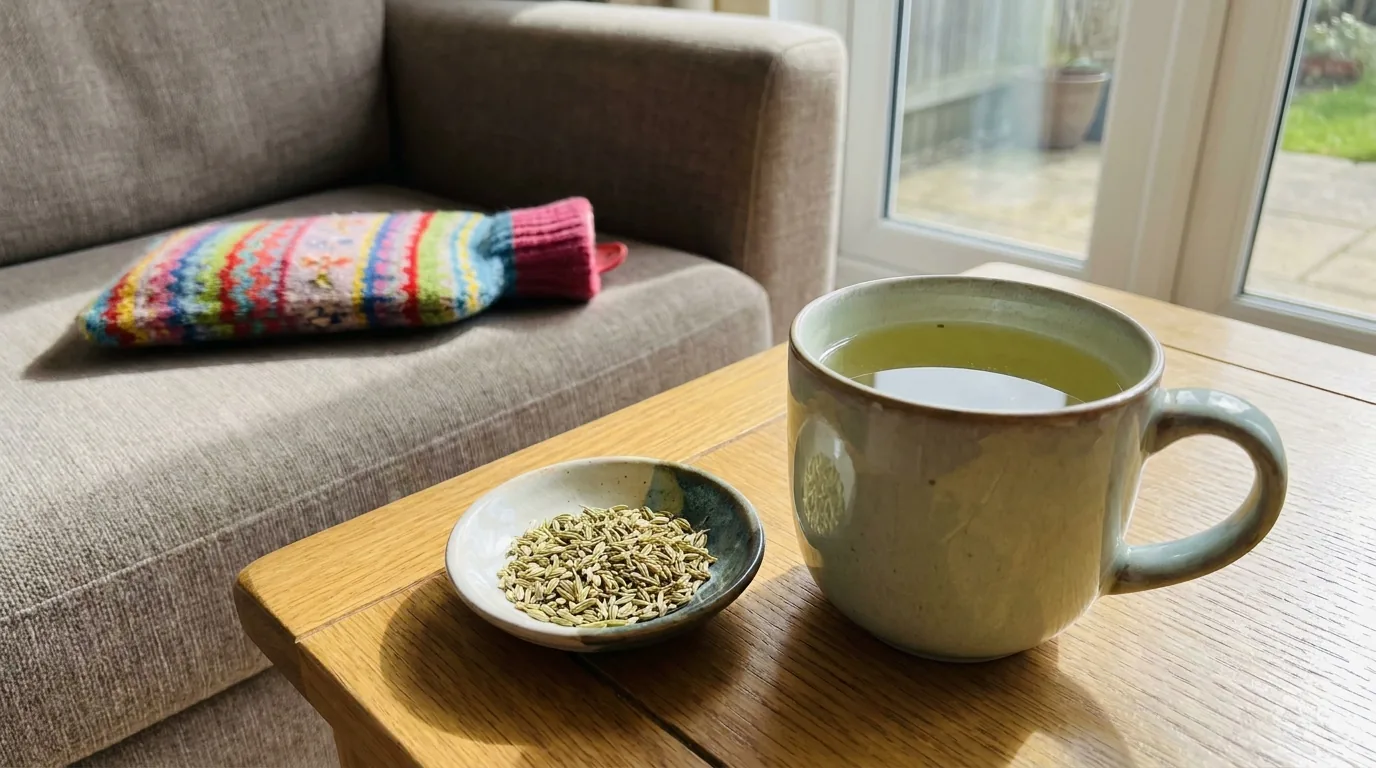
Direct answer
Ginger is the best-supported option here, rated Moderate (3) for both nausea in early pregnancy and period pain, though the trials are small and mixed. Cranberry is also rated Moderate (3) for preventing recurrent cystitis but not for treating it, D-mannose is rated Limited (2) after a large null UK trial, and fennel and saffron are rated Limited (2) for period pain and PMS. Nothing here is better than Limited for menopausal symptoms. Pregnancy is the caution that matters most, St John’s wort weakens the contraceptive pill, and cranberry is not advised with warfarin.
Compare the options
Click a column heading to sort.
| Rated for | Typical form & use | Main caution | |||
|---|---|---|---|---|---|
| Cranberry Vaccinium macrocarpon (fruit) | Moderate | Preventing recurrent UTIs in women | Juice or PAC-standardised capsule, daily | UK advice: avoid if taking warfarin | 4+ weeks |
| Ginger Zingiber officinale (rhizome) | Moderate | Nausea in pregnancy | Powdered root, under 1.5 g a day | Pregnancy: EU regulator prefers avoiding it; ask first | Same night |
| Bearberry (uva ursi) Arctostaphylos uva-ursi (leaf) | Limited | Symptoms of uncomplicated cystitis | Leaf extract, 200–840 mg arbutin daily | Max one week; not in pregnancy, kidney disease, under 18 | 2–3 days |
| D-mannose D-mannose (a simple sugar) | Limited | Preventing recurrent UTIs in women | Powder, 2 g daily | Not a treatment for an active infection | 4+ weeks |
| Fennel Foeniculum vulgare (fruit/seed) | Limited | Period pain (primary dysmenorrhoea) | Seed tea, 1.5 g three times daily | Avoid in pregnancy and under 4s (estragole) | 4+ weeks |
| Hops Humulus lupulus (female cone) | Limited | Menopausal hot flushes and discomfort | Hop extract, 100 µg 8-PN daily | Phytoestrogenic; ask a clinician if hormone-sensitive | 2 weeks |
| Royal jelly Honey bee secretion (Apis mellifera) | Limited | Menopausal symptoms | Dried capsules, 1,500–3,000 mg daily | Can cause asthma or anaphylaxis, esp. if allergic | 4+ weeks |
| Saffron Crocus sativus (stigma) | Limited | Premenstrual symptoms | Stigma extract, 28–30 mg daily | Not for pregnancy; toxic in multi-gram doses | 4+ weeks |
| St John's wort Hypericum perforatum (aerial parts) | Limited | Menopausal hot flushes | Dry extract, 300–600 mg 1–3 times daily | Interacts with many medicines, incl. the pill and SSRIs | 4+ weeks |
| Valerian Valeriana officinalis (root) | Limited | Menopausal hot flushes | Root extract, 300–600 mg at night | Adds to alcohol and sedatives; not for pregnancy | 2 weeks |
- Rated for
- Preventing recurrent UTIs in women
- Form
- Juice or PAC-standardised capsule, daily
- Onset
- 4+ weeks
- Rated for
- Nausea in pregnancy
- Form
- Powdered root, under 1.5 g a day
- Onset
- Same night
- Rated for
- Symptoms of uncomplicated cystitis
- Form
- Leaf extract, 200–840 mg arbutin daily
- Onset
- 2–3 days
- Rated for
- Preventing recurrent UTIs in women
- Form
- Powder, 2 g daily
- Onset
- 4+ weeks
- Rated for
- Period pain (primary dysmenorrhoea)
- Form
- Seed tea, 1.5 g three times daily
- Onset
- 4+ weeks
- Rated for
- Menopausal hot flushes and discomfort
- Form
- Hop extract, 100 µg 8-PN daily
- Onset
- 2 weeks
- Rated for
- Menopausal symptoms
- Form
- Dried capsules, 1,500–3,000 mg daily
- Onset
- 4+ weeks
- Rated for
- Premenstrual symptoms
- Form
- Stigma extract, 28–30 mg daily
- Onset
- 4+ weeks
- Rated for
- Menopausal hot flushes
- Form
- Dry extract, 300–600 mg 1–3 times daily
- Onset
- 4+ weeks
- Rated for
- Menopausal hot flushes
- Form
- Root extract, 300–600 mg at night
- Onset
- 2 weeks
Quick picks
Ginger is rated Moderate (3) for period pain and for pregnancy nausea. In 12 trials it matched NSAIDs for period pain, and it eased pregnancy nausea but did not significantly cut vomiting. The EU regulator prefers pregnant women avoid it, so ask a midwife or doctor first.
Gentlest optionFennelFennel seed tea is rated Limited (2) for period pain: two meta-analyses favour it over placebo, but the trials are small and disagree on how large the effect is. It is not advised in pregnancy or breastfeeding.
Talk to a doctor first if…
Who should avoid
Pregnancy is the main line: the EU regulator advises against fennel, bearberry, hops, valerian and St John’s wort, saffron is not for pregnancy, cranberry showed no UTI benefit in pregnancy, and the sources we read have no safety data for royal jelly or D-mannose. Ginger is the one pregnancy exception worth discussing, and only after asking a midwife or doctor. Royal jelly can trigger asthma and anaphylaxis, especially if you have other allergies, and bearberry is not for kidney disease or use beyond a week. Fever, back or side pain or blood in the urine need a doctor, not cranberry or D-mannose.
Known interactions
St John’s wort lowers the level of hormonal contraceptives, which may cause breakthrough bleeding and reduced contraceptive protection, so additional contraception is advised. It is also rated Avoid for use with warfarin-type blood thinners, SSRIs, immunosuppressants, HIV and cancer medicines. Cranberry is also rated Avoid with warfarin: the MHRA and NHS advise avoiding it, though two small controlled trials found no effect on warfarin levels. Valerian adds to alcohol and sedatives, and one case report links royal jelly to a raised INR on warfarin.
Before you reach for an ingredient
For period pain, morning sickness and bladder symptoms, the NHS self-care steps are worth trying first or alongside any herb, and each page says when to see someone instead.
- For period pain, the NHS suggests a warm bath, a heat pad or hot water bottle on your tummy, gentle exercise such as walking or swimming, and paracetamol or ibuprofen. See a GP if periods become more painful, heavier or irregular, or the pain stops you doing your usual activities.1
- For morning sickness, the NHS suggests rest, small frequent plain meals, dry toast or a plain biscuit in the morning, and sipping fluids. It says there is some evidence ginger helps, and to check with a pharmacist before taking ginger supplements in pregnancy. Call your midwife, GP or 111 if you cannot keep food or fluids down for 24 hours.2
- For burning and frequent urination, the NHS says a pharmacist can treat a suspected UTI in women aged 16 to 64 who are not pregnant or breastfeeding. It advises an urgent GP appointment or 111 if you are pregnant, have a fever, back or lower tummy pain or blood in your pee, or symptoms do not improve within 48 hours.3
- For menopause, the NHS says symptoms usually last 7 to 9 years and can change over that time. It advises contacting a GP to discuss options, and getting any vaginal bleeding checked if you have not had a period for 12 months.4
Questions people ask
What is the best herbal remedy for period pain?
Ginger has the best rating here, Moderate (3). A 2024 meta-analysis of 12 trials found it reduced pain more than placebo and about as much as NSAIDs, although the trials varied a lot. Fennel and saffron are rated Limited (2), and heat, gentle exercise and paracetamol or ibuprofen are the NHS first steps.
Is ginger safe for morning sickness?
A 2014 meta-analysis found ginger improved nausea in early pregnancy but did not significantly reduce vomiting, and NCCIH says it may help with nausea. No harm has been detected in studies so far, but the EU regulator says it is preferable to avoid it in pregnancy, so speak to a midwife or doctor before using it. The NHS suggests checking with a pharmacist before taking ginger supplements.
Does St John’s wort affect the contraceptive pill?
Yes. It lowers hormonal contraceptive levels, which may cause breakthrough bleeding and reduced contraceptive protection, and the EU regulator advises additional contraception. Do not start or stop any prescribed medicine on our say-so; ask a doctor or pharmacist before combining St John’s wort with the pill.
Do cranberry or D-mannose help with recurrent cystitis?
Cranberry probably does, a little: the 2023 Cochrane review found a 26% relative reduction in UTIs in women with recurrent infections (risk ratio 0.74), though trials were inconsistent, and it does not treat an infection you already have. D-mannose did not beat placebo in the largest UK trial of 598 women. See a doctor for symptoms of an active infection, and avoid cranberry if you take warfarin.
Sources
- Health service guidance NHS. Period pain. nhs.uk (page last reviewed 18 March 2026).
- Health service guidance NHS. Vomiting and morning sickness. nhs.uk (page last reviewed 17 April 2024).
- Health service guidance NHS. Urinary tract infections (UTIs). nhs.uk.
- Health service guidance NHS. Symptoms of menopause and perimenopause. nhs.uk (page last reviewed 19 May 2026).
- Regulator/health agency NCCIH. Ginger: Usefulness and Safety. National Center for Complementary and Integrative Health (last updated February 2025).
- Regulator monograph European Medicines Agency HMPC. European Union herbal monograph on Hypericum perforatum L., herba, Final - Revision 1 (EMA/HMPC/7695/2021). 2022.
- Systematic review Williams G, Stothart CI, Hahn D, Stephens JH, Craig JC, Hodson EM. Cranberries for preventing urinary tract infections. Cochrane Database Syst Rev. 2023.
- Randomised controlled trial Hayward G, Mort S, Hay AD, et al. d-Mannose for Prevention of Recurrent Urinary Tract Infection Among Women: A Randomized Clinical Trial. JAMA Intern Med. 2024.
Draft, awaiting clinical review