Awaiting clinical review. This page is built from sourced entries but has not yet been signed off by a pharmacist or clinician.
Natural remedies for stress and anxiety
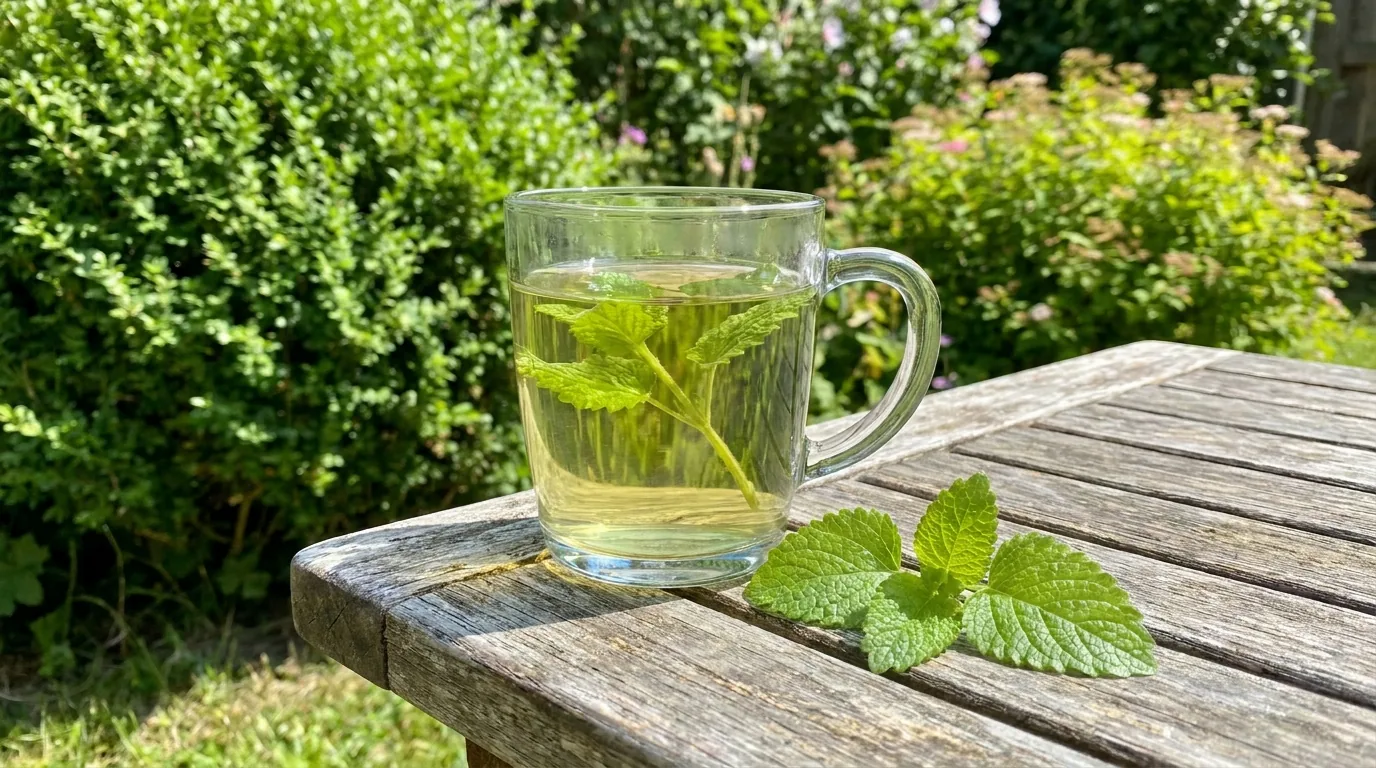
Direct answer
Ashwagandha root extract and a standardised oral lavender oil (Silexan, 80 mg a day) are the best-supported supplements for anxiety, each rated Moderate (3), but the trials are small, short or largely manufacturer-funded, and NCCIH still calls the ashwagandha anxiety findings inconclusive. For everyday stress nothing here is better than Limited (2), and most other options rest on small trials or traditional use. The caution that matters most is liver safety: kava, ashwagandha, skullcap and oral centella have all been linked to rare liver injury.
Compare the options
Click a column heading to sort.
| Rated for | Typical form & use | Main caution | |||
|---|---|---|---|---|---|
| Ashwagandha Withania somnifera (root) | Moderate | Anxiety symptoms | Root extract, 250–600 mg a day | Rare liver injury; avoid in pregnancy | 4+ weeks |
| Lavender Lavandula angustifolia (flower, oil) | Moderate | Anxiety: oral lavender oil capsules | Oral oil (Silexan), 80 mg daily | Little pregnancy data; theoretical sedative overlap | 2 weeks |
| Chamomile Matricaria chamomilla (flower) | Limited | Generalised anxiety disorder (GAD) symptoms | Extract 1,500 mg/day (GAD trials) | Avoid if allergic to ragweed or daisy-family plants | 4+ weeks |
| Holy basil (tulsi) Ocimum tenuiflorum (leaf) | Limited | Everyday stress | Leaf extract, 125 mg twice daily | Long-term safety unstudied; check with diabetes drugs | 4+ weeks |
| Kava Piper methysticum (root) | Limited | Short-term anxiety | Aqueous root extract, 120–240 mg/day | Rare serious liver injury; never with alcohol | 2 weeks |
| L-Theanine Amino acid from tea (Camellia sinensis) | Limited | Stress and anxiety | Capsule or tablet, 200 mg | Pregnancy and long-term safety data are lacking | Same night |
| Lemon Balm Melissa officinalis (leaf) | Limited | Anxiety and low mood | Extract 300–900 mg, or leaf tea | May impair driving; avoid in pregnancy | About a week |
| Magnesium glycinate Magnesium bisglycinate (mineral chelate) | Limited | Anxiety and stress | Bisglycinate, 250 mg elemental Mg | Loose stools above about 250–350 mg supplemental Mg | 4+ weeks |
| Passionflower Passiflora incarnata (aerial parts) | Limited | Generalised anxiety | Extract 500 mg, or tea 1–2 g herb | May add to anaesthetics and sedatives; not in pregnancy | 2 weeks |
| Rhodiola Rhodiola rosea (root and rhizome) | Limited | Stress and mild anxiety symptoms | Ethanol extract, 144–400 mg daily | Not for pregnancy; check with antidepressant use | 4+ weeks |
| Saffron Crocus sativus (stigma) | Limited | Anxiety symptoms | Stigma extract, 28–30 mg daily | Not for pregnancy; toxic in multi-gram doses | 4+ weeks |
| Skullcap Scutellaria lateriflora (aerial parts) | Limited | Mild anxiety and low mood | Dried herb, 350 mg three times daily | Liver injury reported; germander adulteration | 2 weeks |
| Centella (gotu kola) Centella asiatica (aerial parts) | Traditional | Anxiety and low mood (oral) | Oral triterpene extract, 60–120 mg/day | Rare liver injury reported with oral use | 4+ weeks |
| Hops Humulus lupulus (female cone) | Traditional | Mild mental stress | Dry extract, 125 mg 2–3 times daily | May cause drowsiness; not for pregnancy | 2 weeks |
| Valerian Valeriana officinalis (root) | Traditional | Mild nervous tension and stress | Dry extract, 400–600 mg per dose | Adds to alcohol and sedatives; not for pregnancy | 2 weeks |
- Rated for
- Anxiety symptoms
- Form
- Root extract, 250–600 mg a day
- Onset
- 4+ weeks
- Rated for
- Anxiety: oral lavender oil capsules
- Form
- Oral oil (Silexan), 80 mg daily
- Onset
- 2 weeks
- Rated for
- Generalised anxiety disorder (GAD) symptoms
- Form
- Extract 1,500 mg/day (GAD trials)
- Onset
- 4+ weeks
- Rated for
- Everyday stress
- Form
- Leaf extract, 125 mg twice daily
- Onset
- 4+ weeks
- Rated for
- Short-term anxiety
- Form
- Aqueous root extract, 120–240 mg/day
- Onset
- 2 weeks
- Rated for
- Stress and anxiety
- Form
- Capsule or tablet, 200 mg
- Onset
- Same night
- Rated for
- Anxiety and low mood
- Form
- Extract 300–900 mg, or leaf tea
- Onset
- About a week
- Rated for
- Anxiety and stress
- Form
- Bisglycinate, 250 mg elemental Mg
- Onset
- 4+ weeks
- Rated for
- Generalised anxiety
- Form
- Extract 500 mg, or tea 1–2 g herb
- Onset
- 2 weeks
- Rated for
- Stress and mild anxiety symptoms
- Form
- Ethanol extract, 144–400 mg daily
- Onset
- 4+ weeks
- Rated for
- Anxiety symptoms
- Form
- Stigma extract, 28–30 mg daily
- Onset
- 4+ weeks
- Rated for
- Mild anxiety and low mood
- Form
- Dried herb, 350 mg three times daily
- Onset
- 2 weeks
- Rated for
- Anxiety and low mood (oral)
- Form
- Oral triterpene extract, 60–120 mg/day
- Onset
- 4+ weeks
- Rated for
- Mild mental stress
- Form
- Dry extract, 125 mg 2–3 times daily
- Onset
- 2 weeks
- Rated for
- Mild nervous tension and stress
- Form
- Dry extract, 400–600 mg per dose
- Onset
- 2 weeks
Quick picks
Rated Moderate (3) for anxiety symptoms: a meta-analysis of 9 trials (558 people) found a Hamilton Anxiety score 2.19 points lower than placebo, and a later one of 15 trials reported 3.52 points at 8 weeks. For perceived stress alone it is only Limited (2), because one review found lower cortisol but no effect on perceived stress.
Gentlest optionL-TheanineRated Limited (2) for stress and anxiety: the acute stress effect was modest (SMD 0.31) and driven by trials at high risk of bias, and anxiety effects were inconsistent. It was well tolerated in the trials reviewed, though we found no data on pregnancy.
Traditional favouritePassionflowerRated Limited (2): 500 mg an hour and a half before surgery lowered anxiety scores versus placebo in 60 patients, but a later 30-patient dental trial found no difference. It matched oxazepam in one 36-person pilot; the trials are small and NCCIH says conclusions are not definite.
Talk to a doctor first if…
Who should avoid
Avoid nearly all of these in pregnancy and breastfeeding: kava, ashwagandha, passionflower, lavender, lemon balm, hops, valerian, rhodiola and saffron each carry a regulator or NCCIH warning or lack safety data. Anyone with liver disease should not use kava, ashwagandha, skullcap or oral centella. Serious or worsening anxiety or low mood needs a health professional, not a supplement.
Known interactions
Kava should never be combined with alcohol or sedatives, and valerian, passionflower, ashwagandha and lavender may add to sedatives. Chamomile can interact with warfarin, and ashwagandha needs care with thyroid medicines. Rhodiola and saffron are studied with antidepressants but have limited interaction data, so ask a pharmacist first.
Before you reach for an ingredient
Regular physical activity has the best evidence of any non-drug measure for anxiety and distress, and it is worth trying before or alongside a supplement.
- An umbrella review of 97 systematic reviews (1,039 trials, 128,119 participants) found physical activity had medium effects on anxiety (median effect size -0.42) and psychological distress (-0.60) compared with usual care, including in healthy adults. Higher-intensity activity gave greater improvements. Most of the reviews were rated critically low on quality, so treat the size of the effect as approximate.1
- The NHS suggests being regularly active to burn off nervous energy, breaking tasks into smaller chunks, planning ahead for stressful days, and short breathing exercises. Its Every Mind Matters site also offers self-help CBT techniques.2
- If stress is affecting daily life, the NHS advises contacting NHS 111 or a GP; in England you can refer yourself for free NHS talking therapies without seeing a GP.2
Questions people ask
What is the best supplement for anxiety?
Ashwagandha root extract and standardised oral lavender oil (Silexan) are each rated Moderate (3) for anxiety. Both come with limits: ashwagandha trials are small and short, and most Silexan trials were funded or co-authored by its manufacturer.
Does ashwagandha reduce stress?
It probably eases anxiety symptoms a little, but for perceived stress the reviews disagree: one found lower scores, and another found lower cortisol with no significant change in perceived stress. Rare cases of liver injury have been reported, and it should be avoided in pregnancy.
Is kava safe for anxiety?
It may ease anxiety in the short term, but a 16-week trial in 171 people with generalised anxiety disorder found no benefit. Kava has been linked to rare, sometimes fatal liver injury, and NCCIH says it should not be combined with alcohol or sedatives.
Can I take St John's wort for anxiety?
St John's wort is not covered here: its evidence is for mild to moderate depression, not anxiety, and it interacts with many medicines including SSRIs and the contraceptive pill. See the Low Mood hub (/remedies/mood/) for its evidence and cautions, and check with a doctor or pharmacist before taking it.
Sources
- Umbrella review Singh B, Olds T, Curtis R, et al. Effectiveness of physical activity interventions for improving depression, anxiety and distress: an overview of systematic reviews. Br J Sports Med. 2023.
- Health service guidance NHS. Stress. Every Mind Matters, NHS.
Draft, awaiting clinical review