
Black pepper (piperine)
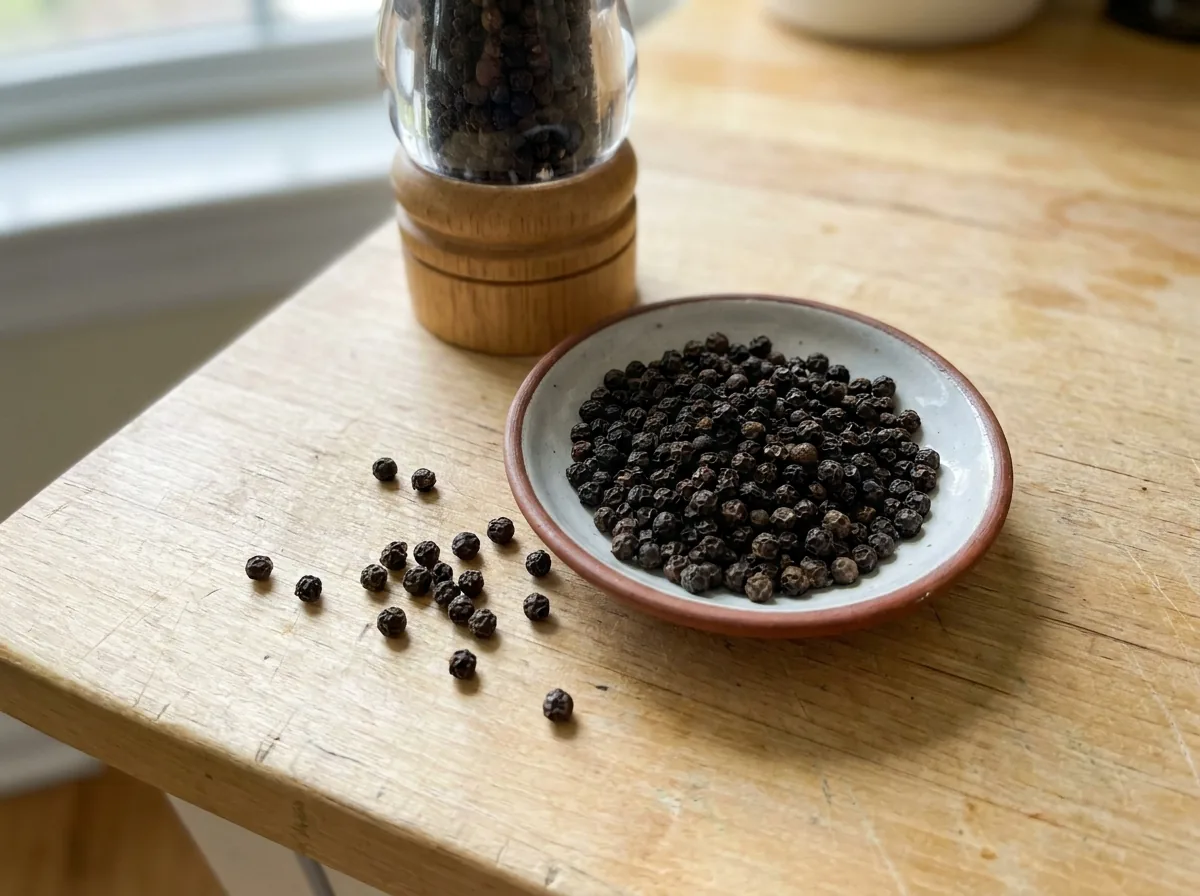
Black pepper is not a remedy in itself; its interest is piperine, an extract that raised blood curcumin about 20-fold in one small human study, though a similar trial with resveratrol found no clear boost. The main caution is that concentrated piperine slows the breakdown of many drugs, including epilepsy, asthma and HIV medicines, and raises their blood levels.
Curcumin-plus-piperine products have shown lower inflammation markers in pooled trials, but those trials cannot separate piperine's contribution.
At a glance
Last reviewed 10 October 2026What it's used for
Evidence is rated per use. The same ingredient can be strong for one thing and traditional for another.
| Use | Evidence | What the research shows |
|---|---|---|
| Boosting curcumin absorption | Limited | In a 1998 study in healthy volunteers, 20 mg piperine with 2 g curcumin raised curcumin's bioavailability by 2000%; curcumin alone was undetectable or very low. That is one small study (the abstract gives no sample size). A later randomised trial gave 24 healthy adults resveratrol 2.5 g with 0, 5 or 25 mg piperine and found no significant enhancement. Whether more absorbed curcumin means better health outcomes is not shown by these studies.1,2 |
| Curcumin-piperine combinations for inflammation markers | Limited | A meta-analysis of 13 randomised trials of curcumin plus piperine found lower TNF-alpha, IL-6 and malondialdehyde and higher superoxide dismutase and glutathione. A 2025 review of three pooled trials found lower triglycerides and LDL cholesterol with turmeric, with a larger LDL fall in the piperine subgroup (-29.6 vs -16.2 mg/dL). These trials are small, short, and several had industry links, and none compared curcumin with and without piperine head to head, so the benefit cannot be credited to black pepper.6,7 |
How much
Ranges below are what studies used and what supplements commonly contain. They are not a recommendation for you. Start at the low end.
How people take it
Safety
Who should avoid
- Anyone on prescription drugs, especially epilepsy, asthma, HIV or heart medicines — ask first
- Pregnancy and breastfeeding — animal studies show reproductive harm; no human data
- Trying to conceive — animal studies show reduced fertility at high doses
- Children under 10 — the 1.5 mg risk assessment covered ages 10 and over
- Drugs with a narrow safe dose — small rises in blood level can matter
Known interactions
Questions people ask
Does black pepper really boost curcumin absorption?
Piperine, the pepper extract, raised blood curcumin by about 20-fold in one small human study from 1998. A later trial of piperine with resveratrol did not show a clear boost, and nothing we read shows the extra curcumin improves health outcomes.
Can I just add black pepper to my turmeric?
The studies used isolated piperine at 5–25 mg, not pepper as a seasoning. We found no source testing culinary pepper, so we cannot say whether it works the same way.
Does piperine interact with medicines?
Yes. In human studies isolated piperine raised blood levels of drugs including phenytoin, carbamazepine, propranolol, theophylline, nevirapine and diclofenac, usually by 1.1 to 2.7 times at 20 mg a day. German risk assessors say this could cause unintended side effects, so ask your pharmacist or doctor before taking it.
Is piperine safe in pregnancy?
Not established. Animal studies at higher doses than those given to people showed reduced fertility and harm to offspring, and human safety data are lacking, so ask a clinician or midwife first.
Make it yourself
DIY guides that use black pepper (piperine), with quantities, safety notes and an honest word on what they do.

Sources (7)
- Human pharmacokinetic study Shoba G, Joy D, Joseph T, Majeed M, Rajendran R, Srinivas PS. Influence of piperine on the pharmacokinetics of curcumin in animals and human volunteers. Planta Med. 1998.
- Randomised trial Bailey HH, Johnson JJ, Lozar T, et al. A randomized, double-blind, dose-ranging, pilot trial of piperine with resveratrol on the effects on serum levels of resveratrol. Eur J Cancer Prev. 2021.
- Laboratory study Bhardwaj RK, Glaeser H, Becquemont L, Klotz U, Gupta SK, Fromm MF. Piperine, a major constituent of black pepper, inhibits human P-glycoprotein and CYP3A4. J Pharmacol Exp Ther. 2002.
- Randomised crossover trial Volak LP, Hanley MJ, Masse G, et al. Effect of a herbal extract containing curcumin and piperine on midazolam, flurbiprofen and paracetamol (acetaminophen) pharmacokinetics in healthy volunteers. Br J Clin Pharmacol. 2013.
- Risk assessment review Ziegenhagen R, Heimberg K, Lampen A, Hirsch-Ernst KI. Safety Aspects of the Use of Isolated Piperine Ingested as a Bolus. Foods. 2021.
- Systematic review Hosseini H, Ghavidel F, Rajabian A, Homayouni-Tabrizi M, Majeed M, Sahebkar A. The Effects of Curcumin Plus Piperine Co-administration on Inflammation and Oxidative Stress: A Systematic Review and Meta-analysis of Randomized Controlled Trials. Curr Med Chem. 2025.
- Systematic review Epelde F. Effects of Turmeric and Turmeric Plus Piperine Supplementation on Lipid Profiles in Adults with Cardiometabolic Risk Conditions: A Systematic Review and Meta-Analysis of Randomized Controlled Trials Following PRISMA Guidelines. Pharmaceutics. 2025.
Last reviewed 10 October 2026 · Next review April 2027 · How we rate evidence
Reader notes
Experiences and questions from readers, read by an editor before they appear. They are personal accounts, not evidence, and are not medical advice.