
Kaolin clay
Kaolin taken by mouth modestly shortens a bout of diarrhoea: the US FDA accepted two randomised trials in which it cut the time to the first formed stool by 5 to 7 hours, and included kaolin in its over-the-counter antidiarrhoeal monograph. The main caution is that it binds other medicines in the gut, so the label says to use it at least 3 hours before or after any other drug.
Adding pectin (the old kaolin-pectin mixture) did not help. For skin masks and hair there is no trial of kaolin itself.
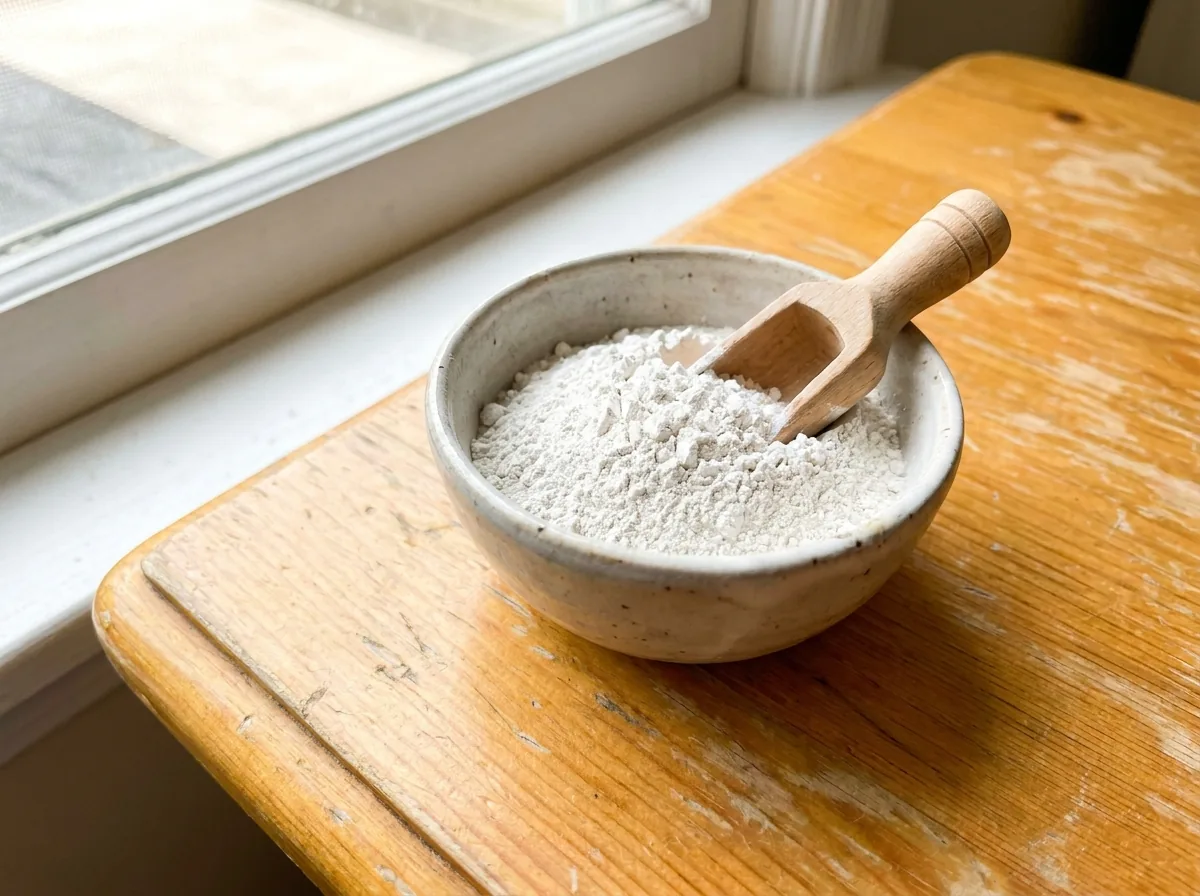
At a glance
Last reviewed 10 October 2026What it's used for
Evidence is rated per use. The same ingredient can be strong for one thing and traditional for another.
| Use | Evidence | What the research shows |
|---|---|---|
| Acute diarrhoea (taken by mouth)Compare remedies for digestion → | Moderate | The FDA reviewed two double-blind, randomised trials in acute non-specific diarrhoea (one in 508 people across four arms, one in 213 comparing kaolin-pectin with placebo) and found kaolin alone effective: it shortened the time to a first formed stool by 5 to 7 hours and improved stool consistency, but did not reduce the number of stools passed. The studies are old and the benefit is modest. FDA concluded pectin adds nothing, so the kaolin-pectin mixture was not included; the effect comes from kaolin.1,2 |
| Face and skin masksCompare remedies for skin → | Traditional | We found no trial that isolated kaolin on skin. A 75-person study of a formulated clay mask, used twice weekly for 4 weeks, reported less sebum and fewer acne signs, but the abstract describes no comparison group and does not list the mask's clays, although it names kaolin and bentonite as the clays of interest. The Cosmetic Ingredient Review panel judged kaolin among the clay silicates safe as cosmetic ingredients, which is a safety finding, not proof of benefit.3,4 |
| Hair and scalp | Traditional | We found no human study of kaolin on hair or scalp. Use rests on popular practice as a cleansing or oil-absorbing clay. |
How much
Ranges below are what studies used and what supplements commonly contain. They are not a recommendation for you. Start at the low end.
How people take it
Safety
Who should avoid
- Bloody or black stool, or fever or mucus in the stool — ask a doctor first (label)
- Children under 12 — ask a doctor before using by mouth (label)
- Anyone taking other oral medicines — keep 3 hours apart (label)
- Eating clay as a craving (geophagy), especially in pregnancy — lead and microbes found in clay
- Breathing in dry clay dust — an inhalation hazard in animal studies
Known interactions
Questions people ask
What are the benefits of kaolin clay?
The best-supported use is by mouth for short-term diarrhoea: FDA-reviewed trials found it shortened the time to a formed stool by 5 to 7 hours. For skin masks and hair we found no trial of kaolin itself.
Is kaolin clay good for skin?
Possibly for oily skin, but the evidence is thin. One uncontrolled study of a formulated clay mask was positive, the cosmetics safety panel judged kaolin safe as used, and no trial isolates kaolin.
Is kaolin clay good for hair?
We found no human study of it on hair or scalp. It is used as an oil-absorbing clay, but that is not evidence of a benefit.
Is kaolin-pectin still used for diarrhoea?
Kaolin alone is in the US over-the-counter antidiarrhoeal monograph, but the FDA did not include the kaolin-pectin mixture, finding pectin had no effect. Whether a product is sold in your country depends on its regulator; we did not check the UK.
Make it yourself
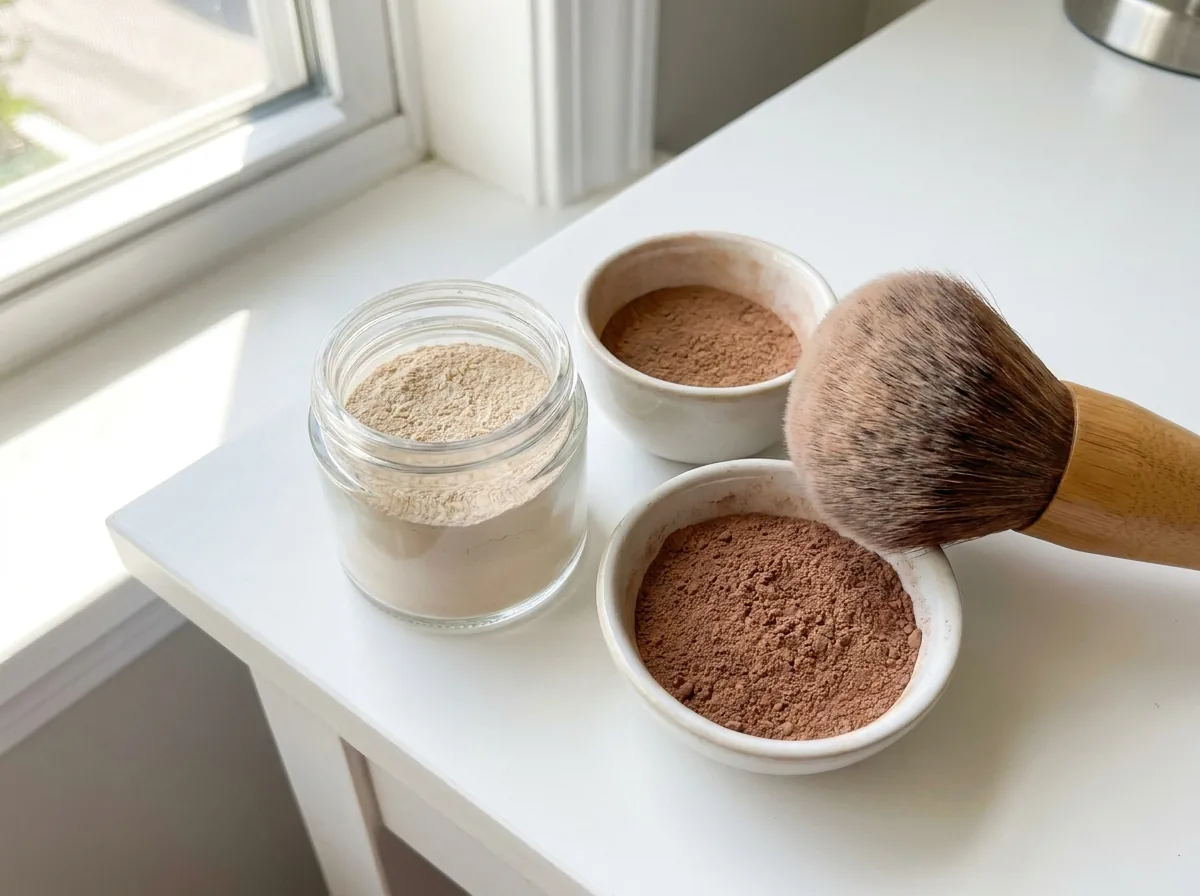
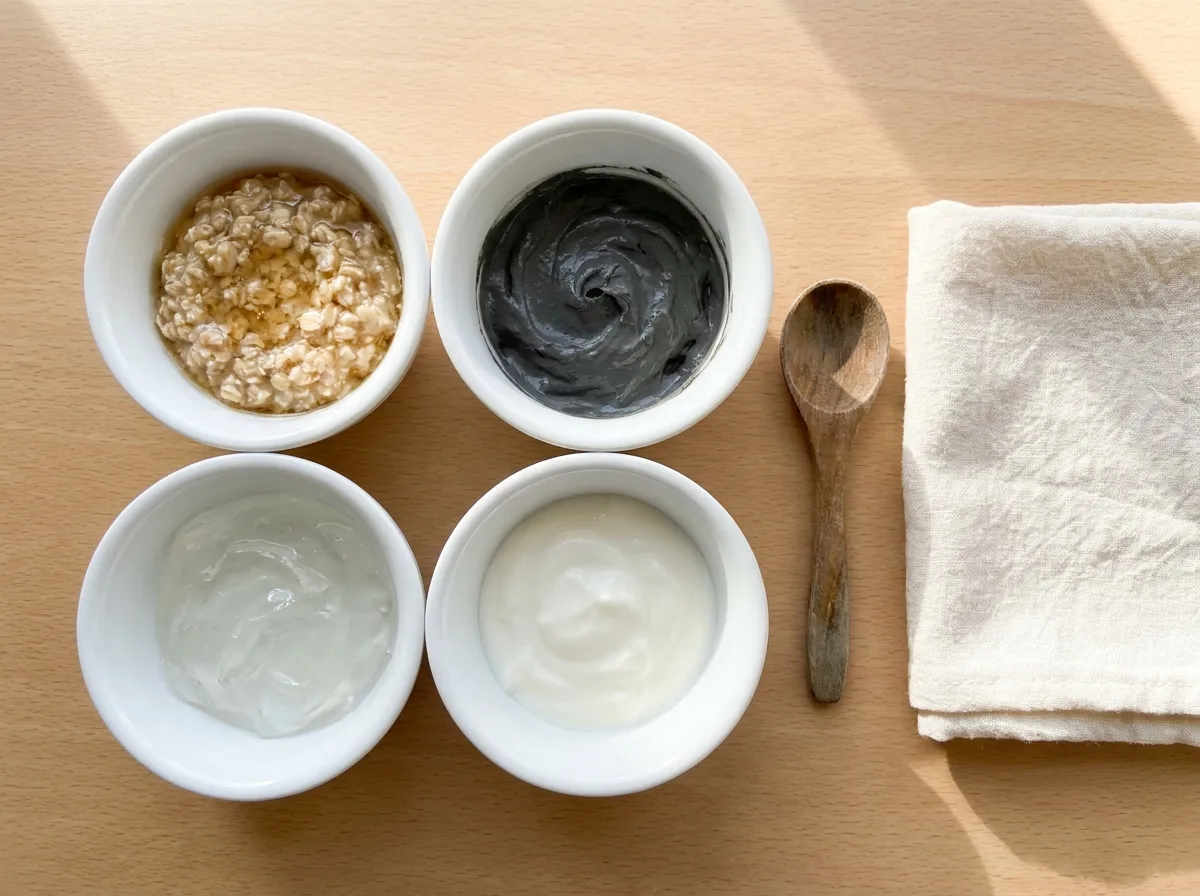
DIY guides that use kaolin clay, with quantities, safety notes and an honest word on what they do.
Sources (6)
- Regulator US Food and Drug Administration. Antidiarrheal Drug Products for Over-the-Counter Human Use; Final Monograph. Federal Register 68(74). 2003.
- Regulator US Food and Drug Administration. Final Administrative Order OTC000022: OTC Monograph M008, Antidiarrheal Drug Products for OTC Human Use.
- Clinical study Zhang X, Zhang Z, Tao H, et al. Comprehensive assessment of the efficacy and safety of a clay mask in oily and acne skin. Skin Res Technol. 2023.
- Safety assessment Elmore AR; Cosmetic Ingredient Review Expert Panel. Final report on the safety assessment of aluminum silicate, calcium silicate, ... attapulgite, bentonite, Fuller's earth, hectorite, kaolin ... montmorillonite, pyrophyllite, and zeolite. Int J Toxicol. 2003.
- Cross-sectional study Kortei NK, Annor IA, Aboagye G, et al. Elemental minerals and microbial compositions as well as knowledge and perceptions regarding kaolin (clay) consumption by pregnant women in the Ho municipality of Ghana. Pan Afr Med J. 2019.
- Laboratory study Orisakwe OE, Udowelle NA, Azuonwu O, et al. Cadmium and lead in geophagic clay consumed in Southern Nigeria: health risk from such traditional nutraceutical. Environ Geochem Health. 2020.
Last reviewed 10 October 2026 · Next review April 2027 · How we rate evidence
Reader notes
Experiences and questions from readers, read by an editor before they appear. They are personal accounts, not evidence, and are not medical advice.