
Calendula
Calendula ointment is a traditional, generally well-tolerated treatment for minor skin inflammation and small wounds, but the trials are small and mixed, so it is not proven to work better than simple alternatives. The strongest single result, in radiotherapy skin reactions, was against another active cream and has not held up in pooled analyses. The main caution is that anyone allergic to daisy-family (Asteraceae) plants should not use it.
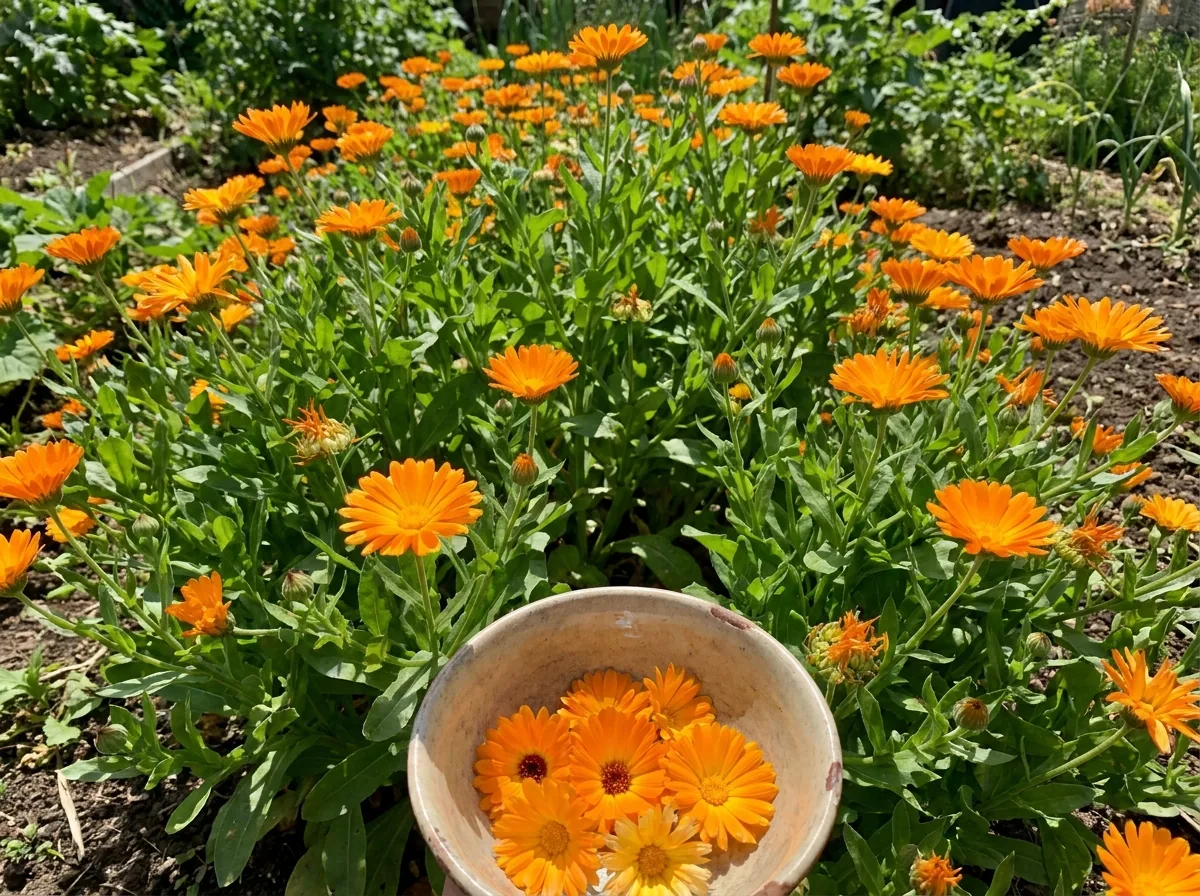
At a glance
Last reviewed 10 October 2026What it's used for
Evidence is rated per use. The same ingredient can be strong for one thing and traditional for another.
| Use | Evidence | What the research shows |
|---|---|---|
| Minor skin inflammation and woundsCompare remedies for skin → | Limited | The EU herbal regulator recognises calendula preparations for minor skin inflammation (such as sunburn) and as an aid in healing minor wounds, on the basis of long-standing use alone. A 2019 systematic review of 14 studies (7 animal, 7 clinical) found some benefit for acute wound healing, mixed results in venous ulcers, no benefit in one diabetic leg ulcer trial and one burns trial, and called for larger, better trials.1,8 |
| Nappy (diaper) rash | Limited | Small Iranian trials have compared calendula with other products, not with placebo. In 66 infants calendula ointment left significantly fewer rash sites than aloe cream (P = 0.001) after 10 days; in 73 children 1.5% calendula and olive ointments did not differ over 7 days; and in 100 infants bentonite cream healed rashes faster than calendula (86% v 52% completely improved in 3 days). No adverse effects were reported in the two trials that assessed them. The EU monograph does not recommend use under 6 years because data are inadequate.5,6,7,8 |
| Radiation dermatitis (breast radiotherapy) | Limited | One phase III trial of 254 women found grade 2 or worse dermatitis in 41% using calendula ointment against 63% using trolamine (P < 0.001), with less radiation-related pain. It had no placebo arm and the comparator's own benefit is uncertain. A 2023 meta-analysis of natural agents found calendula had no significant effect on preventing radiation dermatitis, and a 2024 meta-analysis judged the evidence for calendula insufficient. Ask your radiotherapy team before applying anything to treated skin.4,2,3 |
How much
Ranges below are what studies used and what supplements commonly contain. They are not a recommendation for you. Start at the low end.
How people take it
Safety
Who should avoid
- Allergy to daisy-family (Asteraceae/Compositae) plants — EU monograph contraindication
- Children under 6 — EU monograph says use is not established, too little data
- Pregnancy and breastfeeding — EU regulator advises against, safety not established
- Signs of skin infection or a wound that is worsening — see a clinician
- Skin being treated with radiotherapy — check with your radiotherapy team first
Known interactions
Questions people ask
Does calendula work for radiotherapy skin reactions?
Evidence is inconsistent. One trial of 254 women found less severe dermatitis with calendula than with trolamine, but pooled analyses of natural agents found no significant effect for calendula. Always check with your radiotherapy team before putting anything on treated skin.
Is calendula cream safe for nappy rash?
The small trials reported no adverse effects and calendula performed about as well as olive ointment and better than aloe, but worse than bentonite. The EU regulator says use under 6 years is not established because data are inadequate, so ask a pharmacist or health visitor first.
Can I use calendula on cracked nipples while breastfeeding?
We found no trials of calendula for sore or cracked nipples, so we cannot say whether it works. The EU regulator says safety during pregnancy and breastfeeding has not been established and does not recommend use, so ask a midwife or lactation consultant about alternatives.
Who should not use calendula?
Anyone with a known allergy to plants of the daisy family (Asteraceae or Compositae), such as ragweed, chrysanthemum or daisies. The EU monograph lists this as a contraindication and notes that skin sensitisation has been reported, frequency unknown.
Sources (8)
- Systematic review Givol O, Kornhaber R, Visentin D, Cleary M, Haik J, Harats M. A systematic review of Calendula officinalis extract for wound healing. Wound Repair Regen. 2019.
- Meta-analysis Robijns J, Becherini C, Caini S, et al. Natural and miscellaneous agents for the prevention of acute radiation dermatitis: a systematic review and meta-analysis. Support Care Cancer. 2023.
- Meta-analysis Que S, Ma X, Yang T, He J. Evaluation of the effect of herbal agents as management of radiodermatitis in breast cancer patients: A systematic review and meta-analysis. Jpn J Nurs Sci. 2024.
- Randomised trial Pommier P, Gomez F, Sunyach MP, D'Hombres A, Carrie C, Montbarbon X. Phase III randomized trial of Calendula officinalis compared with trolamine for the prevention of acute dermatitis during irradiation for breast cancer. J Clin Oncol. 2004.
- Randomised trial Panahi Y, Sharif MR, Sharif A, et al. A randomized comparative trial on the therapeutic efficacy of topical aloe vera and Calendula officinalis on diaper dermatitis in children. ScientificWorldJournal. 2012.
- Randomised trial Sharifi-Heris Z, Farahani LA, Haghani H, Abdoli-Oskouee S, Hasanpoor-Azghady SB. Comparison the effects of topical application of olive and calendula ointments on children's diaper dermatitis: A triple-blind randomized clinical trial. Dermatol Ther. 2018.
- Randomised trial Mahmoudi M, Adib-Hajbaghery M, Mashaiekhi M. Comparing the effects of Bentonite & Calendula on the improvement of infantile diaper dermatitis: A randomized controlled trial. Indian J Med Res. 2015.
- Regulator monograph European Medicines Agency HMPC. European Union herbal monograph on Calendula officinalis L., flos (EMA/HMPC/437450/2017). 2018.
Last reviewed 10 October 2026 · Next review April 2027 · How we rate evidence
Reader notes
Experiences and questions from readers, read by an editor before they appear. They are personal accounts, not evidence, and are not medical advice.