
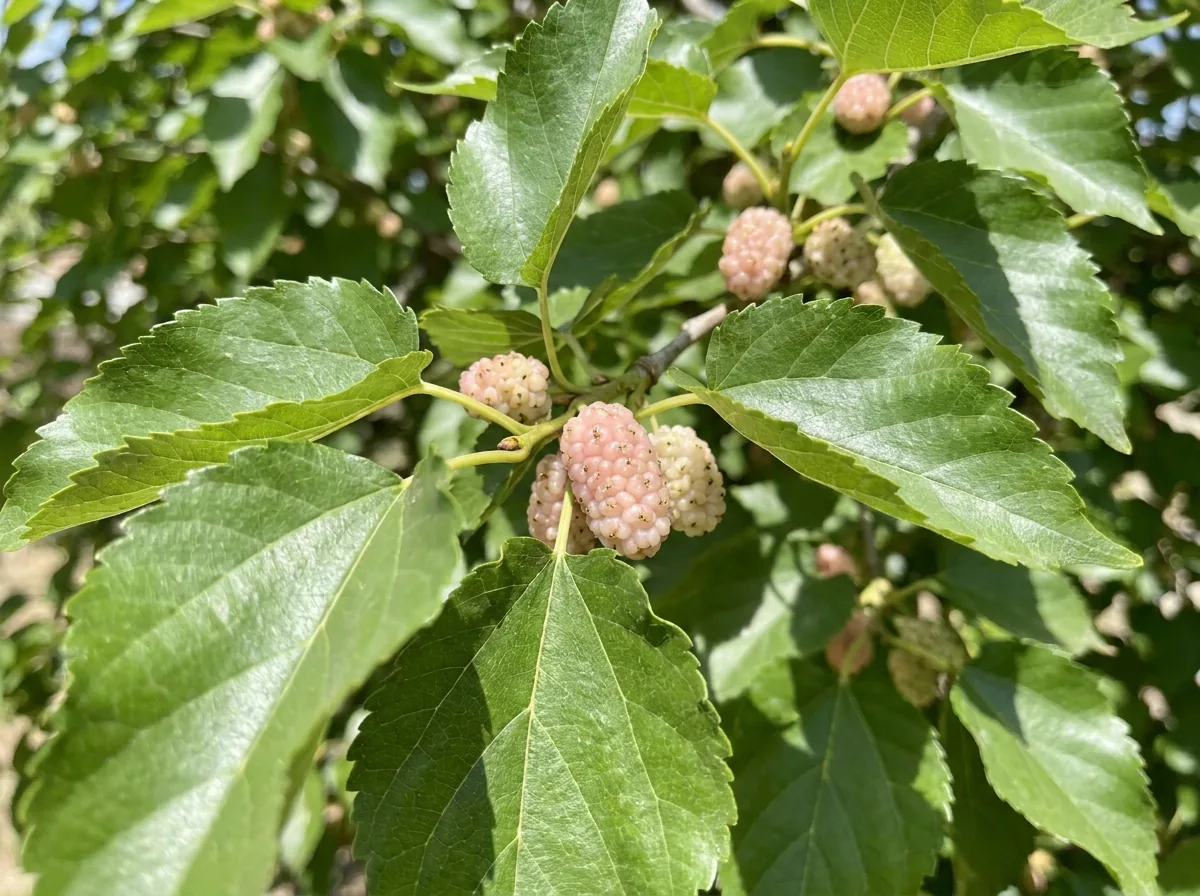
White mulberry leaf
White mulberry leaf extract lowered the blood sugar and insulin rise after a meal in several small crossover trials, and a pooled analysis of 12 trials found small reductions in fasting glucose and HbA1c. Most of the meal trials were in healthy people, lasted a single sitting and were funded or co-authored by the extract's maker, so the effect in people with diabetes is far less certain.
Long-term safety is poorly studied, and anyone on diabetes medication should ask their prescriber before adding it.
At a glance
Last reviewed 10 October 2026What it's used for
Evidence is rated per use. The same ingredient can be strong for one thing and traditional for another.
| Use | Evidence | What the research shows |
|---|---|---|
| Blood sugar after a carbohydrate mealCompare remedies for blood sugar → | Moderate | In 38 healthy adults, a white mulberry leaf extract taken with 75 g sucrose lowered the glucose rise (iAUC) by 42% and the insulin rise by 40% compared with sucrose alone. In 37 healthy adults given 200, 225 or 250 mg of the same branded extract before a mixed meal of white bread and egg, the glucose rise fell by 30–33%. In 12 young adults, an evening dose lowered the glucose rise after a mixed meal but a morning dose did not. Two of these three trials had authors employed by the manufacturer, and all were short single-meal studies in healthy people.2,3,5 |
| Fasting glucose and HbA1c over weeks | Limited | A meta-analysis of 12 randomised trials (615 people) reported average reductions of 0.47 mmol/L in fasting glucose, 2.92 mmol/mol in HbA1c and 0.58 µIU/mL in fasting insulin, with larger effects at 8 weeks or longer in people with raised baseline glucose. The trials were small and varied in dose and preparation, and we read only the abstract. In one pilot of 24 people with type 2 diabetes (17 finished), 1,000 mg three times daily for 3 months lowered after-meal self-monitored glucose by 18% against baseline, but HbA1c did not differ from placebo.1,4 |
How much
Ranges below are what studies used and what supplements commonly contain. They are not a recommendation for you. Start at the low end.
How people take it
Safety
Who should avoid
- Pregnancy and breastfeeding — no safety data in our sources
- Taking diabetes drugs — ask your prescriber first; effects on glucose add up
- Kidney problems — one trial saw a 15% rise in serum creatinine
Known interactions
Questions people ask
Does white mulberry leaf lower blood sugar?
After a carbohydrate meal, yes in several small trials: the glucose rise fell by roughly 30–42% in healthy adults. Over weeks, a pooled analysis found small reductions in fasting glucose and HbA1c, but the trials were small and varied. It is not a substitute for diabetes treatment.
Can I take mulberry leaf with metformin or other diabetes medicines?
We found no source describing a tested interaction, so we cannot say it is safe or unsafe. Because it lowers glucose, it could add to the effect of your medicine, so ask your prescriber before starting and follow their advice on monitoring. In a 3-month pilot in people already on oral diabetes drugs, no hypoglycaemia was reported.
Is mulberry extract for skin lightening the same thing?
Not quite. Cosmetic brighteners often use mulberry root extract, applied to the skin. This entry covers the leaf, taken by mouth for blood sugar; we did not review the skin evidence.
Sources (5)
- Meta-analysis Cui W, Luo K, Xiao Q, et al. Effect of mulberry leaf or mulberry leaf extract on glycemic traits: a systematic review and meta-analysis. Food Funct. 2023.
- Randomised trial Thondre PS, Lightowler H, Ahlstrom L, Gallagher A. Mulberry leaf extract improves glycaemic response and insulaemic response to sucrose in healthy subjects: results of a randomized, double blind, placebo-controlled study. Nutr Metab (Lond). 2021.
- Randomised trial Thondre PS, Butler I, Tammam J, et al. Understanding the Impact of Different Doses of Reducose Mulberry Leaf Extract on Blood Glucose and Insulin Responses after Eating a Complex Meal. Nutrients. 2024.
- Randomised trial Riche DM, Riche KD, East HE, Barrett EK, May WL. Impact of mulberry leaf extract on type 2 diabetes (Mul-DM): A randomized, placebo-controlled pilot study. Complement Ther Med. 2017.
- Randomised trial Takahashi M, Mineshita Y, Yamagami J, et al. Effects of the timing of acute mulberry leaf extract intake on postprandial glucose metabolism in healthy adults: a randomised, placebo-controlled, double-blind study. Eur J Clin Nutr. 2023.
Last reviewed 10 October 2026 · Next review April 2027 · How we rate evidence
Reader notes
Experiences and questions from readers, read by an editor before they appear. They are personal accounts, not evidence, and are not medical advice.