Awaiting clinical review. This entry is sourced but has not yet been signed off by a pharmacist or clinician.
Butterbur
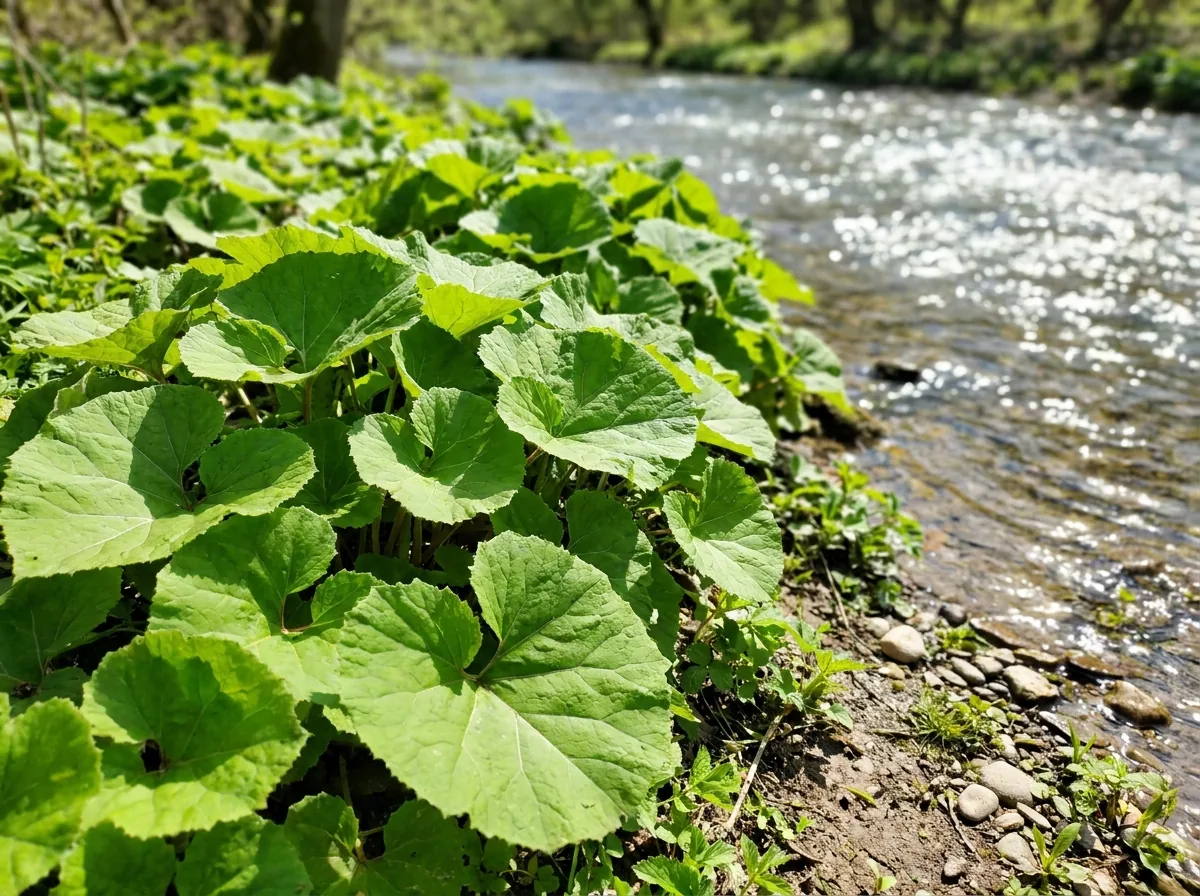
Butterbur carries a liver-safety problem that outweighs its modest benefits for most people: raw plant contains pyrrolizidine alkaloids that can damage the liver, the UK regulator advised against unlicensed products in 2012, and liver injury has been reported even with extracts processed to remove those compounds. Trials of special extracts found fewer migraines than placebo and hay fever relief similar to antihistamines, but the studies were manufacturer-linked and the American Academy of Neurology withdrew its endorsement in 2015 over safety. If you use it at all, use only a product labelled PA-free, and talk to a doctor first.
At a glance
Last reviewed 29 September 2026What it's used for
Evidence is rated per use. The same ingredient can be strong for one thing and traditional for another.
| Use | Evidence | What the research shows |
|---|---|---|
| Migraine prevention | Moderate | In a 245-person trial, a special root extract at 75 mg twice daily cut migraine attack frequency by 48% over 4 months against 26% on placebo (per-protocol analysis); 50 mg twice daily did not beat placebo. A 2012 American Academy of Neurology guideline rated it Level A (effective), but NCCIH reports the Academy withdrew that endorsement in 2015 because of safety concerns. Only one trial was read for this entry, and it tested a single manufacturer's extract.1,2,3 |
| Hay fever (seasonal allergic rhinitis) | Moderate | In a 125-person trial the Ze 339 leaf extract performed similarly to cetirizine over 2 weeks, and in a 330-person trial it matched fexofenadine and both beat placebo. A systematic review of herbal treatments found six butterbur trials that were encouraging but said independent replication was needed, because the manufacturer funded the three large trials.4,5,6 |
How much
Ranges below are what studies used and what supplements commonly contain. They are not a recommendation for you. Start at the low end.
How people take it
Safety
Who should avoid
- Any product not labelled PA-free — pyrrolizidine alkaloids can damage liver and lungs
- Liver disease or a history of liver problems — liver injury reported even with PA-free extracts
- Pregnancy and breastfeeding — PA products to be avoided, PA-free safety unclear
- Allergy to ragweed, chrysanthemums, marigolds or daisies — may cause allergic reaction
- Use beyond about 16 weeks — safety beyond that is not established
- UK unlicensed butterbur products — MHRA advised against them in 2012
Known interactions
Compare with
Head-to-head pages for the pairs people search most.
Questions people ask
Is butterbur safe for your liver?
Not reliably. Butterbur contains pyrrolizidine alkaloids that can damage the liver, and NCCIH says even products labelled PA-free have been linked to rare cases of liver injury. A Medsafe review counted 40 reported hepatotoxicity cases in the literature, including two needing liver transplants.
Does butterbur work for migraines?
One 245-person trial found a special root extract at 75 mg twice daily reduced attacks by 48% versus 26% on placebo over 4 months. The American Academy of Neurology recommended it in 2012 but, according to NCCIH, withdrew that endorsement in 2015 because of safety concerns.
Is butterbur as good as an antihistamine for hay fever?
In two trials funded by the manufacturer, the Ze 339 extract performed similarly to cetirizine and fexofenadine. A systematic review called this encouraging but said independent replication was needed, and the liver-safety concerns above still apply.
What did the UK regulator say about butterbur?
In January 2012 the MHRA issued a safety alert advising people not to take unlicensed butterbur herbal products because of reports of liver toxicity, according to Medsafe's summary. It noted cases had occurred even with extracts from which the alkaloids had been removed.
Sources
- Randomised trial Lipton RB, Göbel H, Einhäupl KM, Wilks K, Mauskop A. Petasites hybridus root (butterbur) is an effective preventive treatment for migraine. Neurology. 2004.
- Regulator/health agency NCCIH. Butterbur: Usefulness and Safety. National Center for Complementary and Integrative Health.
- Clinical guideline Holland S, Silberstein SD, Freitag F, et al. Evidence-based guideline update: NSAIDs and other complementary treatments for episodic migraine prevention in adults. Neurology. 2012.
- Randomised trial Schapowal A; Petasites Study Group. Randomised controlled trial of butterbur and cetirizine for treating seasonal allergic rhinitis. BMJ. 2002.
- Randomised trial Schapowal A. Treating intermittent allergic rhinitis: a prospective, randomized, placebo and antihistamine-controlled study of Butterbur extract Ze 339. Phytother Res. 2005.
- Systematic review Guo R, Pittler MH, Ernst E. Herbal medicines for the treatment of allergic rhinitis: a systematic review. Ann Allergy Asthma Immunol. 2007.
- Regulator summary Medsafe (New Zealand). Complementary Corner: Butterbur and Liver Toxicity. Prescriber Update, June 2012.
Last reviewed 29 September 2026 · Next review March 2027 · How we rate evidence