Welcome to my article on the benefits of zinc oxide for hair and some useful tips on its usage. Zinc is an essential mineral that plays a crucial role in various bodily processes, including cell growth, immunity, hormone production, and wound healing. While it is commonly known for its skincare benefits, zinc also offers numerous advantages for hair health.
Zinc oxide can help support hair growth, reduce hair loss, control dandruff, and promote a healthy scalp. It can be incorporated into your hair care routine through various products such as shampoos, serums, and treatments. But before we delve into the details, let’s explore the key benefits and uses of zinc oxide for hair.
Key Takeaways:
- Zinc oxide promotes hair growth and reduces hair loss.
- It helps control dandruff and improves overall scalp health.
- Zinc oxide can be found in various hair care products, including shampoos and serums.
- Consult with a healthcare professional before starting any new supplements.
- Maintaining a balanced diet that includes zinc-rich foods is essential for overall hair health.
The Role of Zinc in Skin and Hair Health
Zinc plays a crucial role in maintaining the health of both our skin and hair. This essential mineral is involved in various bodily processes, including cell growth, hormone production, wound healing, and immune system function.
In terms of skin health, zinc acts as a powerful antioxidant, protecting the skin from harmful UV radiation and free radicals. It helps reduce inflammation, calm irritated skin, and promote the healing of wounds. Zinc also plays a role in regulating oil production, making it beneficial for individuals with acne-prone skin. Additionally, zinc has been found to reduce hyperpigmentation and promote an even skin tone.
When it comes to hair health, zinc is essential for the proper functioning of hair follicles. It supports the growth and development of new hair cells, contributing to healthy hair growth. Zinc also helps control dandruff by regulating the production of sebum, an oily substance that can contribute to flaky scalp. Furthermore, zinc aids in reducing the risk of hair loss by maintaining the integrity of hair follicles and promoting a balanced hormonal environment.
Not only does zinc play a vital role in skin and hair health, but it also supports overall immune system function. It helps strengthen the immune response, making the body more effective at fighting off infections and diseases. Zinc is also involved in hormone production, ensuring proper regulation and balance for various bodily processes.
In summary, zinc is a crucial mineral for the health of our skin and hair. Its role in supporting cell growth, immune system function, wound healing, and hormone production makes it essential for maintaining healthy skin and promoting optimal hair growth. Incorporating zinc-rich foods into our diet or using zinc-containing skincare and hair products can help harness the benefits of this essential mineral.
| Benefits of Zinc for Skin | Benefits of Zinc for Hair |
|---|---|
| Protects against sun damage | Supports hair growth |
| Reduces acne breakouts | Controls dandruff |
| Prevents clogged pores | Reduces the risk of hair loss |
| Promotes skin healing | Maintains healthy hair follicles |
| Reduces hyperpigmentation |
Zinc Oxide in Shampoo: Benefits and Uses
Zinc oxide is a powerful ingredient commonly found in shampoos that offers a range of benefits for both the scalp and hair. Its unique properties make it an excellent addition to hair care routines, providing relief from scalp irritation, addressing dandruff concerns, promoting hair growth, and enhancing the overall health and appearance of the hair.
Shampoos enriched with zinc oxide have been found to be highly effective in treating scalp irritations, such as itchiness, redness, and inflammation. The soothing properties of zinc oxide provide quick relief and help restore the scalp’s natural balance. Additionally, the antibacterial and antifungal properties of zinc oxide make it an ideal ingredient for combatting dandruff, controlling excess oil production, and reducing flaking.
An exciting benefit of zinc oxide in shampoo is its ability to promote healthy hair growth. By nourishing the scalp and stimulating blood circulation, zinc oxide helps deliver essential nutrients to the hair follicles, supporting their growth and strengthening. This can result in thicker, fuller, and more luscious hair.
Furthermore, zinc oxide has been found to play a vital role in preventing hair loss. It helps regulate hormone levels, in particular, dihydrotestosterone (DHT), which is known to contribute to hair thinning and loss. By controlling DHT production, zinc oxide helps minimize the risk of hair loss and maintain a healthy scalp environment.
Not only does zinc oxide benefit the scalp, but it also works wonders for the overall look and feel of the hair. It helps restore shine, improve texture, and enhance manageability. Zinc oxide’s ability to form a protective barrier on the hair shaft shields it from harmful UV radiation, preventing sun damage, premature aging, and color fading.
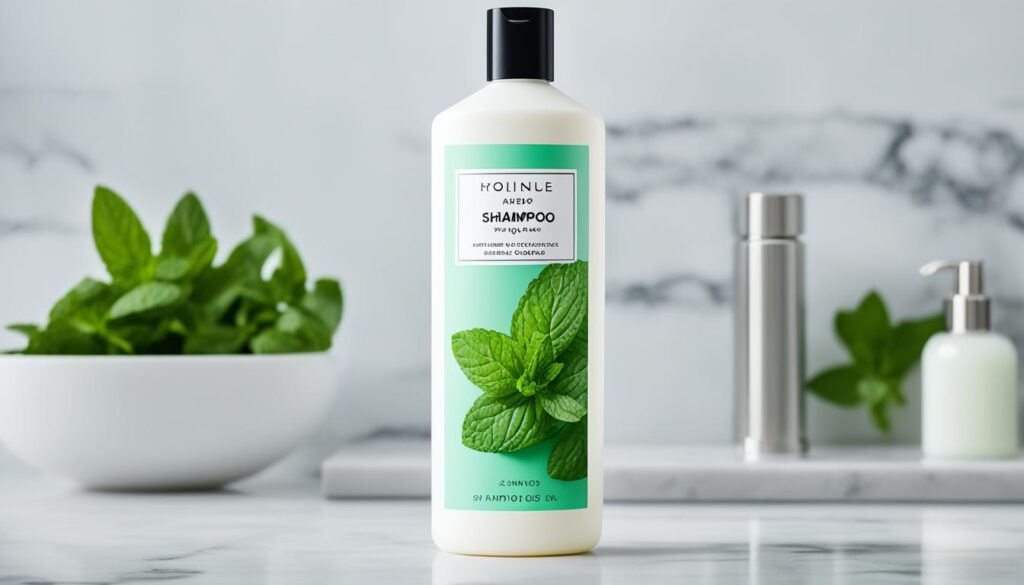
One popular shampoo that harnesses the power of zinc oxide is Brand X’s Hair Revitalize Shampoo. It contains a potent concentration of 10% zinc oxide, providing maximum scalp relief and hair benefits. Here’s how it works:
| Benefit | How Zinc Oxide Works |
|---|---|
| Treats Scalp Irritations | Zinc oxide soothes and calms inflammation on the scalp, reducing irritation and redness. |
| Reduces Dandruff | The antifungal properties of zinc oxide combat the fungus responsible for dandruff, while its exfoliating properties eliminate flakes. |
| Promotes Hair Growth | By nourishing the scalp, zinc oxide supports healthy hair follicles and stimulates blood flow, promoting hair growth. |
| Prevents Hair Loss | Zinc oxide regulates DHT production, minimizing its impact on the hair follicles and reducing the risk of hair loss. |
| Protects against UV Radiation | The protective barrier formed by zinc oxide shields the hair from UVA and UVB rays, preventing sun damage and color fading. |
With the numerous benefits it offers, it’s no wonder that zinc oxide has become a go-to ingredient in shampoos for scalp and hair health. Incorporating a zinc oxide shampoo like Brand X’s Hair Revitalize Shampoo into your hair care routine can make a significant difference in the overall health, appearance, and vitality of your hair.
Next, I will delve into the potential role of zinc in promoting hair growth, how it can aid in reducing hair loss, and the importance of maintaining adequate zinc levels for optimal hair health.
The Potential of Zinc for Hair Growth
There is growing evidence to suggest that zinc plays a significant role in promoting hair growth and can be a valuable treatment option for individuals experiencing hair loss. Several studies have explored the effects of zinc on hair growth, shedding light on its potential benefits and contribution to overall hair health.
Evidence from Hair Growth Studies
A number of studies have investigated the relationship between zinc and hair growth, shedding light on the effects of zinc deficiency and the potential for zinc supplementation to promote hair regrowth. These studies have shown that zinc deficiency can lead to the deterioration of the protein structure within the hair follicles. This results in weakened follicles and slower hair growth.
Research has also demonstrated that zinc supplementation can accelerate hair follicle recovery, support follicle health, and regulate hair growth cycles. By addressing zinc deficiency, individuals may experience reduced hair loss and an improvement in overall hair growth and regrowth.
The Effects of Zinc on Hair Loss Treatment
With its role in promoting hair growth and supporting follicle health, zinc has emerged as a potential treatment option for hair loss. Zinc supplements may help individuals experiencing various forms of hair loss, including androgenic alopecia and telogen effluvium, by addressing underlying nutrient deficiencies.
But it’s important to note that the effectiveness of zinc supplementation for hair growth can vary. Factors such as the dosage, duration of administration, and individual response may influence the outcome. Consulting with a healthcare professional or dermatologist is recommended before starting any new supplements or treatment regimens.
Zinc Supplements for Hair Growth
Zinc supplements are available in different forms, including zinc gluconate, zinc sulfate, and zinc orotate. These supplements can be taken orally or applied topically to the scalp depending on the preference and specific needs of the individual.
Adequate dosage and duration of zinc supplementation are crucial for achieving desired results. It is important to follow the recommended dosage instructions and consult with a healthcare professional to ensure the appropriate intake of zinc supplements for hair growth.
Zinc Deficiency and Hair Loss
Zinc deficiency can have a significant impact on our overall health, including our hair. Studies suggest that approximately 17% of the world’s population may be zinc deficient, with higher rates in developing countries. Zinc plays a crucial role in various bodily functions, such as immune response, reproduction, wound healing, and hair health.
Symptoms of zinc deficiency can manifest in different ways, including hair loss, thinning hair, weakened immune system, and scalp health issues. When the body lacks this essential mineral, it can disrupt the normal hair growth cycle and lead to hair thinning and eventual hair loss.
Zinc deficiency symptoms include:
- Hair loss
- Thinning hair
- Weakened immune system
- Scalp health issues
Mild zinc deficiency is relatively common, particularly among individuals following plant-based diets or those with certain medical conditions that affect nutrient absorption. It is crucial to ensure an adequate intake of zinc through a balanced diet or supplements to maintain optimal overall health, including healthy hair.
Here are some key points about zinc deficiency and hair:
- Zinc deficiency can contribute to hair loss and thinning hair.
- Zinc plays a vital role in maintaining a healthy immune system, reproductive health, wound healing, and scalp health.
- Common symptoms of zinc deficiency include hair loss, thinning hair, weakened immune system, and scalp health issues.
- Mild zinc deficiency can be common in certain populations, such as individuals following plant-based diets or those with conditions affecting nutrient absorption.
- An adequate intake of zinc through diet or supplements is crucial for maintaining overall health, including promoting healthy hair growth.
If you suspect zinc deficiency is contributing to your hair loss or are concerned about your overall zinc levels, it is recommended to consult with a healthcare professional for proper evaluation and guidance.
Conclusion
Zinc oxide offers a range of benefits for hair, making it a valuable ingredient in hair care products. Its properties promote hair growth and reduce hair loss, while also effectively controlling dandruff and improving scalp health. Incorporating zinc oxide into your hair care routine through shampoos, serums, or other hair products can help you harness these advantages.
However, it is important to note that the effectiveness of zinc supplementation for hair growth may vary from person to person. Therefore, consulting with a healthcare professional before starting any new supplements is crucial. They can evaluate your specific needs and provide guidance on the appropriate dosage and duration for optimal results.
While zinc oxide can be beneficial for hair health, it is also essential to maintain an overall balanced diet that includes zinc-rich foods. This ensures an adequate intake of zinc, which is important for the overall well-being of your hair. By combining the use of zinc oxide in hair care with a nutritious diet, you can support your hair’s growth, strength, and vitality.
FAQ
What are the benefits of using zinc oxide for hair?
Zinc oxide offers a range of benefits for hair, including promoting hair growth, reducing hair loss, controlling dandruff, and improving scalp health.
How can I incorporate zinc oxide into my hair care routine?
Zinc oxide can be incorporated into your hair care routine through shampoos, serums, and other hair products containing zinc oxide.
Does zinc oxide help with scalp irritations and dandruff?
Yes, zinc oxide can help treat scalp irritations, reduce dandruff, and improve the overall health of your scalp.
Can zinc oxide promote hair growth?
Studies suggest that zinc supplements can support hair growth by improving hair follicle health and regulating hair growth cycles.
Is zinc deficiency linked to hair loss?
Zinc deficiency can contribute to hair loss, as it plays a crucial role in maintaining healthy hair follicles.
What are the symptoms of zinc deficiency?
Symptoms of zinc deficiency may include hair loss, hair thinning, weakened immune system, and scalp health issues.


