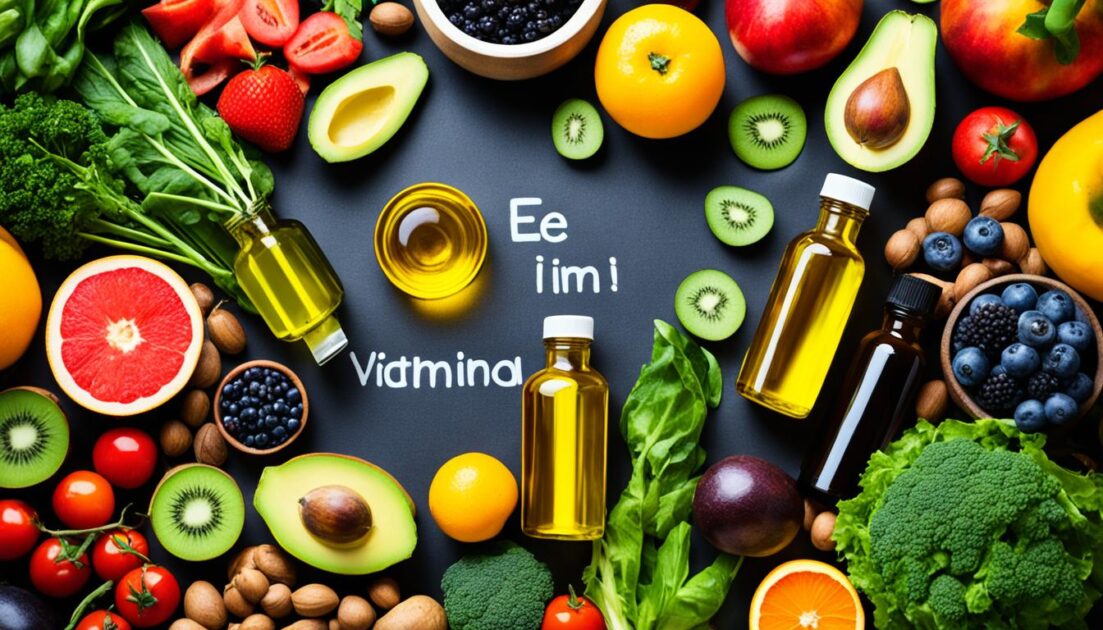
I have always been intrigued by the potential benefits of Vitamin E oil for weight loss. With numerous claims circulating about its miraculous weight loss effects, I decided to delve deeper into the subject and uncover the truth behind these claims.
Vitamin E oil is widely known for its antioxidant properties, which contribute to overall health and well-being. However, when it comes to weight loss, there are several myths and misconceptions surrounding the use of Vitamin E oil. In this article, I will separate fact from fiction and provide you with a comprehensive understanding of the benefits of Vitamin E oil for weight loss.
Furthermore, I will guide you on how to effectively incorporate Vitamin E oil into your weight loss regimen, so you can make informed decisions and achieve your desired results.
Key Takeaways:
- Vitamin E oil offers numerous health benefits, but its direct impact on weight loss is limited.
- Approach weight loss with a balanced and evidence-based approach, focusing on a healthy diet, regular exercise, and lifestyle changes.
- Consult with a healthcare professional before making any significant changes to your weight loss regimen.
- Incorporate Vitamin E-rich foods, such as vegetable oils, nuts and seeds, and avocados, into your diet for overall health and well-being.
- Remember that natural weight loss remedies often involve a combination of a balanced diet, regular exercise, and lifestyle changes.
The Role of Vitamin E in the Body
Vitamin E is an essential nutrient that plays a crucial role in maintaining overall health. It acts as an antioxidant, helping to neutralize harmful free radicals in the body. Vitamin E also supports immune system function and helps keep blood vessels healthy. These benefits are important for overall well-being but may not directly contribute to weight loss.
As an antioxidant, Vitamin E helps protect cells from damage caused by oxidative stress. It reduces the risk of chronic diseases and promotes general well-being. However, it’s important to note that Vitamin E alone may not be sufficient for weight loss. While it supports immune system health and vessel health, other factors such as diet, exercise, and lifestyle choices play a bigger role in achieving and maintaining a healthy weight.
Immune System Health
The immune system is responsible for defending the body against infections and diseases. Vitamin E helps strengthen the immune system by enhancing the activity of immune cells. It also acts as an anti-inflammatory agent, reducing inflammation in the body and supporting immune function.
Vessel Health
Healthy blood vessels are essential for proper circulation and overall cardiovascular health. Vitamin E promotes vessel health by preventing the oxidation of cholesterol, which can lead to the formation of plaque in the arteries. It also helps mitigate the risk of blood clotting and maintains blood vessel elasticity.
While Vitamin E oil offers various benefits for immune system health and vessel health, it is important to approach weight loss holistically, incorporating a balanced diet, regular exercise, and healthy lifestyle choices. The next section will debunk common weight loss myths associated with Vitamin E oil.
The Relationship Between Free Radicals and Weight Gain
Free radicals are unstable molecules in the body that can cause damage to cells and tissues. This damage is often associated with various chronic diseases and aging. While antioxidants, including Vitamin E, help neutralize free radicals, there is limited evidence to suggest a direct link between free radicals and weight gain. Therefore, while Vitamin E’s antioxidant role is important, it may not directly impact weight loss.
Impact of Free Radicals on Health
Free radicals are highly reactive molecules that can cause oxidative stress in the body, leading to cellular damage. This damage has been linked to a range of health conditions, including heart disease, cancer, and accelerated aging processes. The presence of free radicals in the body can disrupt cellular functions and promote inflammation, which may indirectly contribute to weight gain.
Antioxidants and Weight Loss
Antioxidants play a crucial role in neutralizing free radicals and reducing oxidative stress. Vitamin E is a powerful antioxidant that helps protect cells from damage caused by free radicals. While this antioxidant activity is beneficial for overall health and well-being, it may not directly result in weight loss.
Other Factors Contributing to Weight Gain
Weight gain is a complex process influenced by various factors, such as dietary habits, physical activity levels, hormone imbalances, and genetic predispositions. While free radicals and oxidative stress may play a role in weight gain indirectly by influencing cellular health and inflammation, it is essential to address other lifestyle factors for successful weight management.
Debunking Weight Loss Myths Associated with Vitamin E Oil
There are several weight loss myths associated with Vitamin E oil that have been debunked by scientific research.
Contrary to popular belief, Vitamin E oil does not provide significant benefits for heart protection or cancer prevention. While Vitamin E is known for its antioxidant properties, which help protect the body against free radicals, there is no substantial evidence to support the claim that it directly prevents heart diseases or cancer.
Moreover, although Vitamin E oil is often hailed as a remedy for skin healing, studies suggest that its effects may not be as remarkable as initially thought. While it can moisturize the skin and improve its overall health, it may not accelerate wound healing or reduce scarring to a significant extent.
Lastly, it’s important to note that excessive doses of Vitamin E oil for weight loss purposes are unnecessary unless you have a Vitamin E deficiency. Taking excessive amounts of Vitamin E oil without a deficiency can be detrimental to your health and may lead to adverse effects.
In conclusion, while Vitamin E oil may have its benefits, including antioxidant properties and potential skin health improvement, it does not directly contribute to heart protection, cancer prevention, or significant weight loss. It is important to rely on scientific evidence and consult with healthcare professionals before incorporating Vitamin E oil into your weight loss regimen.
The Importance of a Balanced Diet for Weight Loss
While Vitamin E oil may not directly contribute to weight loss, maintaining a balanced diet is crucial for achieving and maintaining a healthy weight. A balanced diet provides the necessary nutrients, vitamins, and minerals to support overall health and well-being.
One essential nutrient for a balanced diet is Vitamin E, which offers numerous health benefits. Incorporating foods rich in Vitamin E into your diet can help support your weight loss journey. Some excellent sources of Vitamin E include:
| Vitamin E Sources |
|---|
| Vegetable Oils (such as sunflower, safflower, and wheat germ oil) |
| Nuts and Seeds (such as almonds, sunflower seeds, and hazelnuts) |
| Avocados |
Including these foods in your meals can help ensure that you are getting an adequate intake of Vitamin E, along with other essential nutrients. Remember, a balanced diet is not only about including specific nutrients but also about incorporating a variety of foods from different food groups.
Apart from a balanced diet, natural weight loss remedies often involve a combination of regular exercise and lifestyle changes. Engaging in physical activities such as cardio exercises, strength training, and yoga can help burn calories and support weight loss goals. Additionally, adopting healthy lifestyle habits like getting enough sleep, managing stress, and staying hydrated can contribute to successful weight loss.
Finding the Right Approach to Weight Loss
When it comes to weight loss, finding the right approach is essential. While weight loss supplements, such as thermogenic fat burners, may promise quick results, the scientific evidence supporting their effectiveness is limited. Instead, focusing on a balanced diet, regular exercise, and lifestyle changes is a more sustainable and effective approach to weight loss. High-intensity interval training (HIIT), resistance training, and adequate sleep are some strategies that can support weight loss efforts.
Weight loss methods:
- Focus on a balanced diet
- Incorporate regular exercise into your routine
- Make lifestyle changes that promote a healthy weight
- Consider implementing high-intensity interval training (HIIT)
- Include resistance training in your workout regimen
- Ensure you get adequate sleep
While weight loss supplements may seem tempting, it is important to approach them with caution. Many supplements make bold claims about their effectiveness, but the reality is that scientific research often does not support these claims. It’s always best to consult with a healthcare professional before introducing any new supplements into your weight loss journey.
“Weight loss supplements may promise quick results, but their effectiveness is often limited. A balanced diet, regular exercise, and lifestyle changes are the key to sustainable weight loss.”
Instead of relying solely on weight loss supplements, it is crucial to focus on overall wellness and lifestyle changes. This includes incorporating nutritious foods, engaging in physical activity, and adopting healthy habits that support your weight loss goals.
To effectively monitor your progress, consider tracking your diet and exercise routines. This can help you identify patterns, make adjustments as needed, and stay motivated throughout your weight loss journey.
Remember, weight loss is a journey that requires patience, consistency, and perseverance. By prioritizing a balanced diet, regular exercise, and healthy lifestyle choices, you can achieve sustainable weight loss and improve your overall well-being.
Conclusion
In conclusion, the use of Vitamin E oil for weight loss may offer some health benefits, but its direct impact on shedding pounds is limited. To achieve successful weight loss, it is crucial to adopt a holistic approach that includes a balanced and evidence-based regimen.
First and foremost, focusing on a healthy diet is key. Incorporate nutrient-rich foods like fruits, vegetables, lean proteins, and whole grains into your meals. These foods provide essential vitamins and minerals that support overall health and weight management.
In addition to a healthy diet, regular exercise is vital for weight loss. Engage in a variety of physical activities such as cardiovascular exercises, strength training, and flexibility exercises to boost your metabolism and burn calories. Remember that consultation with a healthcare professional can help determine the best exercise plan for your individual needs.
Lastly, implementing lifestyle changes can greatly contribute to achieving and maintaining a healthy weight. Get an adequate amount of sleep each night, manage stress levels effectively, and avoid unhealthy habits like smoking and excessive alcohol consumption.
To truly succeed in your weight loss journey, it is important to follow these best practices and consult with a healthcare professional to tailor a plan that suits your specific needs and goals. Remember, there are no quick fixes or miracle solutions for weight loss. It requires dedication, consistency, and a comprehensive approach to achieve long-lasting results.
FAQ
Are there any direct benefits of Vitamin E oil for weight loss?
While Vitamin E oil has numerous health benefits, its direct impact on weight loss is limited. It is not a magic solution for shedding pounds.
Does Vitamin E oil help with belly fat reduction?
There is no scientific evidence to suggest that Vitamin E oil specifically targets belly fat reduction. To achieve a slimmer midsection, it is important to focus on overall weight loss through a combination of diet and exercise.
Can I use Vitamin E oil as a weight loss supplement?
Vitamin E oil is not a weight loss supplement. It is an essential nutrient that should be consumed through a balanced diet rather than as a supplement for weight loss purposes.
How can I use Vitamin E oil for weight loss?
While Vitamin E oil does not directly contribute to weight loss, including foods rich in Vitamin E in your diet can support overall health. These foods include vegetable oils, nuts and seeds, and avocados.
Can Vitamin E oil supplements help with weight loss?
Vitamin E oil supplements are not specifically designed for weight loss. It is important to approach weight loss holistically through a balanced diet, regular exercise, and lifestyle changes.
Are there any natural weight loss remedies with Vitamin E oil?
While Vitamin E oil is not a standalone remedy for weight loss, incorporating it as part of a balanced diet can support overall health, which in turn can contribute to weight loss efforts.
What are the best Vitamin E oil supplements for weight loss?
There are no specific Vitamin E oil supplements recommended for weight loss. It is important to consult with a healthcare professional before adding any supplements to your weight loss regimen.
Are there any weight loss success stories using Vitamin E oil?
While there may be anecdotal accounts of individuals achieving weight loss success while using Vitamin E oil, it is important to remember that weight loss results vary and are influenced by various factors including diet, exercise, and overall lifestyle.
What are the other benefits of Vitamin E oil?
Vitamin E oil offers antioxidant properties that can help protect the body against free radicals and support immune system function. It also helps maintain healthy blood vessels.
How do I know if I have a Vitamin E deficiency?
Vitamin E deficiency is rare but can occur in individuals with certain medical conditions or malabsorption issues. If you suspect a deficiency, consult with a healthcare professional who can perform appropriate tests and provide guidance.


