
Hello, welcome to my article on the top benefits of using sweet almond oil for massage. In this section, I will discuss the various advantages of incorporating sweet almond oil into your massage routine. Almond oil, especially sweet almond oil, is packed with antioxidants, vitamins, and nutrients that are essential for healthy skin and hair.
Before we dive into the benefits, let’s differentiate between the two types of almond oil available – bitter almond oil and sweet almond oil. Bitter almond oil, commonly used in soaps, aromatherapy, and massage therapy, has a strong aroma. Although safe for topical use, it can be toxic if ingested. On the other hand, sweet almond oil, derived from sweet almonds, is widely used in skincare and haircare products due to its moisturizing properties and ability to repair damaged hair, tame frizz, and stimulate hair growth.
In addition to its haircare benefits, almond oil possesses anti-inflammatory and antioxidant properties that can help reduce the appearance of scars, wrinkles, and stretch marks. It is generally safe for sensitive skin, making it suitable for managing chronic conditions like eczema. Furthermore, almond oil acts as a natural barrier against sun damage, providing some degree of sun protection.
However, it is important to note that individuals with nut allergies should avoid using almond oil. Overall, almond oil is a versatile and beneficial ingredient for massages, offering relaxation, nourishment, and various skincare and haircare benefits.
Key Takeaways:
- Sweet almond oil is rich in antioxidants, vitamins, and nutrients.
- There are two types of almond oil – bitter almond oil and sweet almond oil.
- Sweet almond oil is commonly used in skincare and haircare products.
- Almond oil has moisturizing properties and can repair damaged hair, tame frizz, and promote hair growth.
- It has anti-inflammatory and antioxidant properties, making it beneficial for reducing the appearance of scars, wrinkles, and stretch marks.
- Almond oil is generally safe for sensitive skin and can be used to manage chronic skin conditions like eczema.
- Almond oil acts as a natural barrier against sun damage, providing some degree of sun protection.
- Individuals with nut allergies should avoid using almond oil.
The Types of Almond Oil and Their Uses
When it comes to almond oil, there are two main types to consider: bitter almond oil and sweet almond oil. Each type has unique properties and a range of uses that make them versatile ingredients in various products.
Bitter Almond Oil
Bitter almond oil is extracted from bitter almonds and is well-known for its strong aroma. Although it should not be ingested due to its toxic properties, it is safe for topical use and offers several benefits in the realm of aromatherapy, soaps, and massage therapy.
Due to its appealing scent, bitter almond oil is a popular choice for adding fragrance to soaps and beauty products. It is valued for its ability to create rich lather and leave a pleasant aroma on the skin. Additionally, the soothing and relaxing properties of bitter almond oil make it an ideal choice for massage therapy. Its aroma can help calm the mind and enhance the overall massage experience.
Sweet Almond Oil
Sweet almond oil, derived from sweet almonds, is widely used in skincare and haircare products. It is known for its moisturizing and nourishing properties, making it an excellent choice for addressing various skin and hair concerns.
One of the primary uses of sweet almond oil is in skincare products. It is a common ingredient in moisturizers, lotions, creams, serums, and even cleansers. The high moisturizing content of sweet almond oil helps to hydrate and soften the skin, leaving it smooth and supple. It is particularly beneficial for individuals with dry or sensitive skin, as it helps to restore and maintain the skin’s natural moisture balance.
Sweet almond oil is also highly regarded in haircare. It is often found in shampoos, conditioners, hair masks, and styling products. The nourishing properties of sweet almond oil make it an effective remedy for damaged hair, frizz control, and promoting healthy hair growth. It helps to repair and strengthen the hair shaft, resulting in smoother, shinier, and more manageable locks.
Furthermore, sweet almond oil has been found to have numerous skincare benefits. It is often used to reduce the appearance of scars, wrinkles, and stretch marks. The oil’s emollient properties help to improve skin elasticity and promote a more youthful complexion. Additionally, sweet almond oil is suitable for individuals with sensitive skin, as it is gentle and non-irritating.
Lastly, sweet almond oil provides natural protection against sun damage. It acts as a barrier on the skin, shielding it from harmful UV rays. While it does not replace the need for sun protection products, incorporating sweet almond oil into your skincare routine can offer an extra layer of defense against sun damage.
For those looking to harness the power of almond oil, there is a wide range of skincare and haircare products available that contain this beneficial ingredient. It is important to read product labels and choose reputable brands to ensure the quality and purity of the almond oil used.
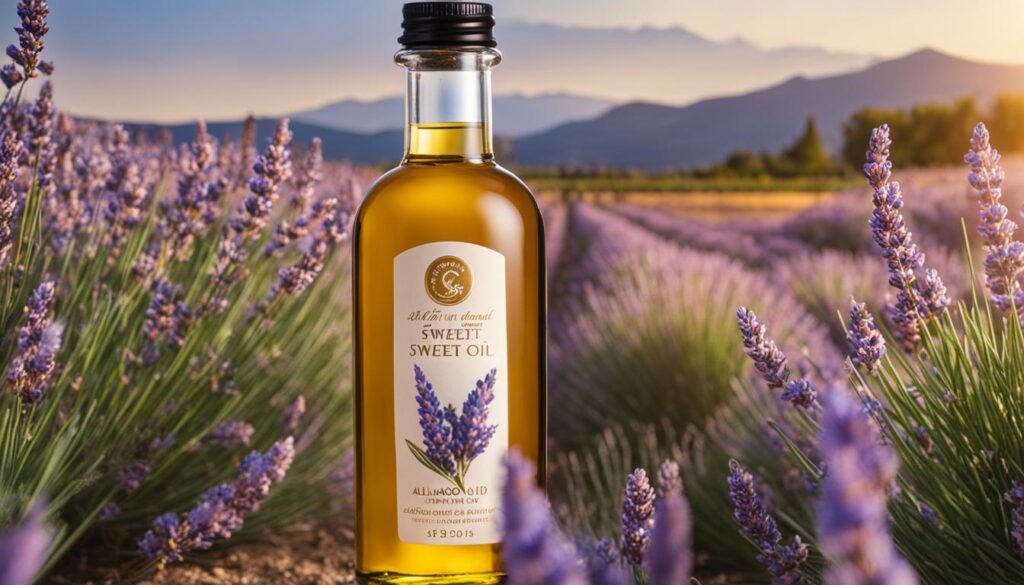
In conclusion, bitter almond oil and sweet almond oil each have their own unique qualities and uses. Bitter almond oil is favored for its aromatic properties and is commonly found in soaps, aromatherapy, and massage therapy. On the other hand, sweet almond oil is a versatile ingredient in skincare and haircare products, offering numerous benefits for moisturization, nourishment, and protection. Whether you are seeking relaxation, skincare benefits, or improved hair health, almond oil is a natural and effective option worth exploring.
The Antioxidant and Anti-Inflammatory Properties of Almond Oil
Almond oil offers numerous health benefits due to its rich content of antioxidants, vitamins, and other essential nutrients. One notable component of almond oil is vitamin E, a powerful antioxidant that plays a crucial role in fighting free radicals and protecting cells from damage. These antioxidant properties make almond oil a valuable asset in promoting overall skin health and reducing the signs of aging.
Furthermore, almond oil possesses anti-inflammatory properties that can effectively reduce inflammation and redness associated with various skin conditions such as acne, sun damage, and signs of aging. By soothing the skin, almond oil aids in creating a healthier complexion and minimizing discomfort caused by inflammation.
Almond oil is also renowned for its ability to support immune function and aid in wound healing. The vitamins and minerals present in almond oil nourish and strengthen the immune system, promoting overall wellbeing. Additionally, almond oil’s regenerative properties can aid in the healing process of wounds, providing a natural and gentle solution for skin repair.
These remarkable antioxidant and anti-inflammatory properties establish almond oil as a vital ingredient in skincare products. Its ability to fight free radicals, reduce inflammation, and enhance the immune system make it an excellent choice for individuals seeking natural and effective solutions for various skin concerns.

Key Benefits of Almond Oil:
- Powerful antioxidant properties that combat free radicals
- Anti-inflammatory properties for reducing skin inflammation and redness
- Vitamin-rich composition that supports immune function
- Promotes wound healing and skin regeneration
Almond Oil for Specific Skin Concerns:
| Skin Concern | Benefits of Almond Oil |
|---|---|
| Acne | Reduces inflammation and redness associated with acne breakouts |
| Sun Damage | Minimizes sun-induced skin inflammation and helps repair sun-damaged skin |
| Aging | Combats oxidative stress, reduces the appearance of wrinkles, and supports skin elasticity |
| Immune Function | Nourishes the immune system with essential vitamins and minerals |
| Wound Healing | Promotes the healing process and reduces the risk of infection |
| Inflammation | Soothes skin inflammation and helps alleviate discomfort |
Almond Oil for Hair Health and Maintenance
When it comes to hair health and maintenance, almond oil is a versatile and beneficial ingredient that offers several advantages. Rich in vitamin B-7 (biotin), almond oil promotes healthy hair and nails, making it an ideal addition to your haircare routine.
One of the key benefits of almond oil is its ability to improve hair appearance. With its moisturizing properties, almond oil provides a natural shine and helps to smooth the hair cuticles. This not only reduces frizz but also adds moisture and elasticity to the hair, resulting in healthier-looking locks.
Scalp health is essential for maintaining beautiful hair, and almond oil can help in this aspect too. With its antibacterial and fungicidal properties, almond oil can balance the scalp’s pH and reduce dandruff. By keeping the scalp clean and healthy, almond oil contributes to the overall well-being of your hair.
In addition to its benefits for hair appearance and scalp health, almond oil also aids in repairing damaged hair and promoting healthy hair growth. By lubricating the hair strands, almond oil helps to prevent breakage and protect them from external stressors. This nurturing effect on the hair leads to healthier and stronger locks over time.
To give you a better idea, here is a summary of the benefits of almond oil for hair:
| Benefit | Keyword |
|---|---|
| Shine | almond oil for shine |
| Hair Repair | almond oil for hair repair |
| Frizz Control | almond oil for frizz control |
| Scalp Health | almond oil for scalp health |
| Dandruff Reduction | almond oil for dandruff |
| Hair Softness | almond oil for hair softness |
| Healthy Hair Growth | almond oil for healthy hair growth |
By incorporating almond oil into your haircare routine, you can promote overall hair health and enhance the appearance of your locks. Whether you’re looking to add shine, repair damaged hair, control frizz, improve scalp health, reduce dandruff, enhance hair softness, or stimulate healthy hair growth, almond oil is a natural and effective choice.
So why not give almond oil a try and experience the benefits it brings to your hair?
The Heart-Healthy Properties of Almond Oil
Almond oil is a heart-healthy ingredient that offers numerous benefits for cardiovascular health. Its high content of monounsaturated fats makes it a valuable addition to a well-balanced diet. These monounsaturated fats are known to have a positive impact on cholesterol levels, particularly by lowering LDL (bad) cholesterol and increasing HDL (good) cholesterol, resulting in improved lipid profiles and reduced risk of heart disease.
In addition to its effect on cholesterol, almond oil also plays a role in blood sugar control. Individuals with type 2 diabetes can benefit from incorporating almond oil into their diet as a replacement for carbohydrate-rich foods. The monounsaturated fats in almond oil help stabilize blood sugar levels, contributing to better glucose management.
Moreover, almond oil has properties that support weight maintenance and management. It provides essential fatty acids that support energy production and help with nutrient absorption. By including almond oil in a balanced diet, individuals can support their overall heart health and maintain healthy blood sugar levels.
To summarize, the heart-healthy properties of almond oil can be attributed to its high monounsaturated fat content. These fats have positive effects on cholesterol levels, blood sugar control, and weight maintenance. By incorporating almond oil into your diet, you can take proactive steps towards maintaining a healthy heart and managing your overall well-being.
Almond Oil for Skin Moisturization and Protection
Almond oil is widely recognized for its moisturizing and emollient properties, making it an excellent ingredient for skincare products and massage oils. Its nourishing qualities provide numerous benefits for the skin, promoting hydration and protection.
For individuals with dry skin conditions like eczema and psoriasis, almond oil can offer relief by soothing and hydrating the skin. It acts as a natural moisturizer, helping to balance moisture absorption and prevent water loss, leaving the skin soft and supple. (almond oil for skin moisturization)
In addition to moisturization, almond oil possesses antibacterial properties that make it beneficial for acne-prone skin. It helps reduce redness and inflammation, promoting a clearer complexion. (almond oil for acne-prone skin)
Almond oil is also known for its wound healing properties. By aiding in tissue repair and reducing scar visibility, it can accelerate the healing process and restore the skin’s natural appearance. (almond oil for wound healing)
Furthermore, almond oil is effective in preventing and fading stretch marks. Its regular application helps tone and soften the skin, improving its elasticity and reducing the visibility of stretch marks. (almond oil for stretch marks)
One of the remarkable properties of almond oil is its ability to provide natural protection against sun damage. Acting as a barrier, it shields the skin from harmful UV rays, minimizing the risk of sunburn and other sun-related skin concerns. (almond oil for sun damage)
Overall, incorporating almond oil into skincare routines can promote skin moisturization, healing, and protection. Its versatile applications make it a valuable addition to any beauty regimen.

How to Incorporate Almond Oil into Your Routine
There are various ways to incorporate almond oil into your routine to enjoy its numerous health and beauty benefits. When it comes to cooking, almond oil can be a great option for low-heat baking, salad dressings, or as a finishing oil to add a mild, nutty flavor to your dishes. For the best results, opt for unrefined or virgin almond oil, as it retains its nutritional value.
Incorporating almond oil into your haircare routine can work wonders for your locks. You can apply almond oil directly to your scalp to moisturize and balance its pH. It can also be used as a hair mask or added to your shampoo for extra nourishment and shine. The natural properties of almond oil help repair damaged hair and promote healthy hair growth.
Almond oil is not limited to cooking and haircare, though. It’s also a versatile ingredient for skincare. You can use it as a moisturizer, massage oil, cleanser, or as an ingredient in your favorite skincare products. When purchasing almond oil, make sure to buy from reputable sources, either in physical stores or online, to ensure quality and purity.
Proper storage is essential for maintaining the quality and shelf life of almond oil. Store it in a cool, dark place to prevent rancidity. By considering your specific needs and preferences, you can easily incorporate almond oil into your routine and enjoy its incredible health and beauty benefits.
FAQ
What are the main benefits of using sweet almond oil for massage?
Sweet almond oil is known for its moisturizing properties and its ability to repair damaged hair, tame frizz, and promote hair growth. It also has anti-inflammatory and antioxidant properties, making it beneficial for reducing the appearance of scars, wrinkles, and stretch marks. Additionally, almond oil offers protection against sun damage and can be used to manage chronic skin conditions like eczema.
What are the different types of almond oil and their uses?
There are two types of almond oil – bitter almond oil and sweet almond oil. Bitter almond oil is commonly used in soaps, aromatherapy, and massage therapy. It has a strong smell and is safe for topical use but toxic if ingested. Sweet almond oil, on the other hand, is derived from sweet almonds and is extensively used in skincare and haircare products.
What are the antioxidant and anti-inflammatory properties of almond oil?
Almond oil is rich in antioxidants and vitamins, particularly vitamin E, which helps fight free radicals and prevent cell damage. It also has anti-inflammatory properties, making it beneficial for reducing inflammation and redness associated with acne, sun damage, and aging. Almond oil also supports immune function and aids in wound healing.
How can almond oil benefit hair health and maintenance?
Almond oil provides moisture and nourishment to the hair, improving its appearance by adding shine, smoothing the hair cuticles, and reducing frizz. It is also beneficial for scalp health, as it has antibacterial and fungicidal properties that can help balance the scalp’s pH and reduce dandruff. Furthermore, almond oil helps repair damaged hair and promotes healthy hair growth by protecting the hair strands from breakage.
Is almond oil heart-healthy?
Yes, almond oil is considered heart-healthy due to its high content of monounsaturated fats, which can help lower LDL (bad) cholesterol levels and increase HDL (good) cholesterol levels. This improvement in overall lipid profile reduces the risk of heart disease. Almond oil has also been linked to blood sugar control, particularly in individuals with type 2 diabetes.
How can almond oil help with skin moisturization and protection?
Almond oil has moisturizing and emollient properties, making it an excellent ingredient for skincare products and massage oils. It soothes and hydrates dry skin conditions like eczema and psoriasis. Almond oil also acts as a natural barrier against the harmful effects of UV rays, offering protection from sun damage. It can aid in wound healing, reduce the appearance of scars, and prevent and fade stretch marks.
How can I incorporate almond oil into my routine?
Almond oil can be used in cooking for low-heat baking, salad dressings, and as a finishing oil to add a mild, nutty flavor to dishes. It can also be applied directly to the scalp for moisturization and added to shampoo for nourishment and shine. In skincare, almond oil can be used as a moisturizer, massage oil, cleanser, or as an ingredient in skincare products. It is important to buy almond oil from reputable sources and store it properly in a cool, dark place to maintain its quality and shelf life.


