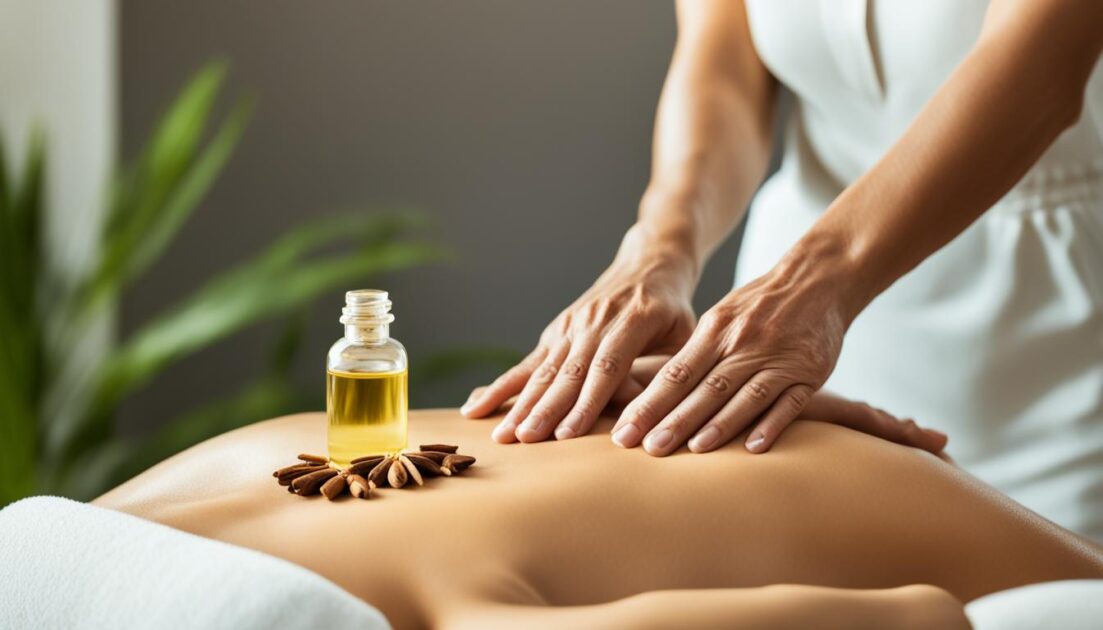
Sandalwood oil is a luxurious and sought-after essential oil that offers numerous benefits when used for massage therapy. It has a beautiful scent and is known for its calming and soothing properties. The oil is derived from the heartwood of the Santalum album tree, which is native to India and Australia. Sandalwood oil has a long history of use in traditional medicines and has been valued for its relaxing and rejuvenating effects. It is often used in aromatherapy to promote a sense of peace and relaxation. When used for massage, sandalwood oil can help relieve stress and anxiety, reduce muscle tension, and enhance the overall massage experience.
Key Takeaways:
- Sandalwood oil is a luxurious and sought-after essential oil for massage therapy.
- It has a calming and soothing scent, promoting relaxation during a massage.
- Derived from the heartwood of the Santalum album tree, sandalwood oil has a long history of use in traditional medicines.
- It is often used in aromatherapy to promote a sense of peace and relaxation.
- Sandalwood oil can help relieve stress, anxiety, and muscle tension when used for massage.
History of Sandalwood Essential Oil
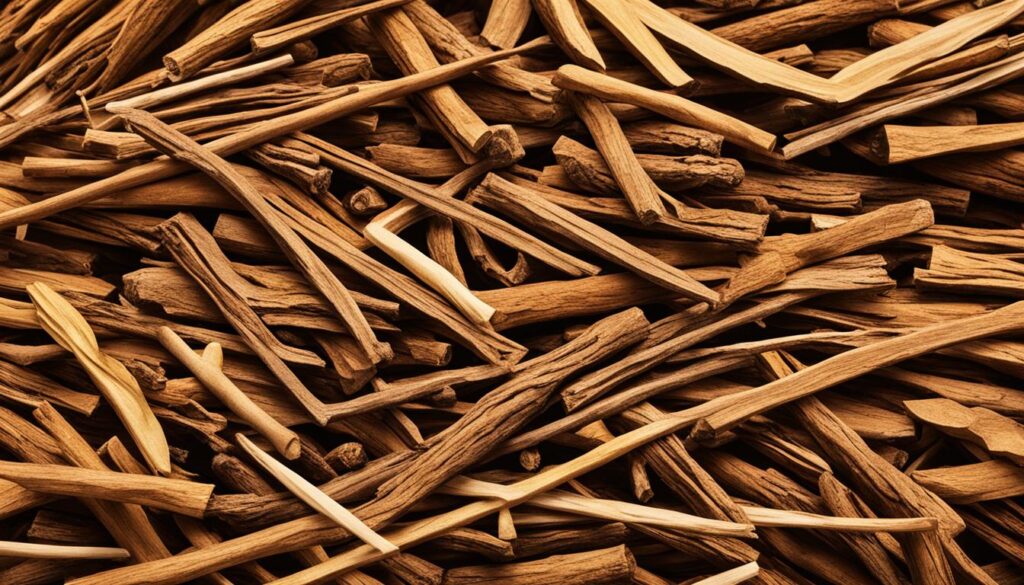
Sandalwood oil holds a fascinating history that stretches back thousands of years. Renowned for its captivating fragrance, this precious oil has played a significant role in religious ceremonies, traditional medicines, and the production of high-end consumer goods. Cultures from across the globe, including India, Egypt, Greece, and Rome, have held sandalwood oil in high esteem. Temples and monasteries have used the oil to craft incense, solid perfumes, and sculptures.
Ayurvedic and Chinese medicines have relied on sandalwood oil to address various health issues, such as colds, digestive problems, and mental well-being. The therapeutic properties of sandalwood oil have allowed it to maintain its relevance and popularity in the modern era.
| Time Period | Region/Culture | Uses of Sandalwood Essential Oil |
|---|---|---|
| Thousands of years ago | India | Religious ceremonies, incense, temple sculptures |
| Thousands of years ago | Egypt | Solid perfumes, religious rituals |
| Ancient times | Greece | Medicinal purposes, perfume, aromatherapy |
| Ancient times | Rome | Luxury goods, cosmetics, fragrances |
The rich and diverse cultural significance of sandalwood oil highlights its global prominence and enduring allure. Its esteemed place in history serves as a testament to the irresistible qualities and benefits of this remarkable essential oil.
Benefits & Uses of Sandalwood Essential Oil
Sandalwood oil is a versatile essential oil that offers a wide range of benefits and uses for both mind and body. Whether used in aromatherapy or applied topically, sandalwood oil has been treasured for centuries for its soothing, grounding, and beautifying effects.
Aromatherapy and Relaxation
In aromatherapy, sandalwood oil is highly valued for its grounding and calming properties. Its warm, woody aroma creates a sense of peace, clarity, and relaxation, making it an excellent choice for promoting overall well-being. By reducing stress, anxiety, and tension, sandalwood oil can help restore balance and harmony to the mind and emotions.
Skincare and Haircare
When used topically, sandalwood oil offers various benefits for the skin and hair. It has moisturizing and cleansing properties, which help to balance the complexion and improve the overall appearance of the skin. Additionally, sandalwood oil is known for promoting healthy hair by nourishing the scalp, strengthening the hair follicles, and adding shine and luster to the hair.
Perfumes, Soaps, and Cosmetics
The distinctive and luxurious fragrance of sandalwood oil makes it a popular ingredient in perfumes, soaps, and cosmetics. Its warm, woody scent adds depth and complexity to fragrances, creating a unique olfactory experience. In skincare and cosmetic products, sandalwood oil is prized for its ability to enhance the overall sensory experience and provide a touch of indulgence.
Anti-inflammatory and Antimicrobial Properties
Sandalwood oil has been the subject of scientific research, and studies have shown that it possesses anti-inflammatory and antimicrobial properties. These properties make sandalwood oil valuable for various health and wellness purposes. It can help reduce inflammation, soothe skin irritations, and promote wound healing.
The Benefits and Uses of Sandalwood Essential Oil:
- Grounding and calming effects in aromatherapy
- Reduces stress, anxiety, and tension
- Moisturizes and cleanses the skin
- Improves the complexion and promotes healthy hair
- Used in perfumes, soaps, and cosmetics for a luxurious fragrance
- Anti-inflammatory and antimicrobial properties for various health and wellness purposes
Sandalwood Cultivation & Extraction
The cultivation and extraction of sandalwood are intricate processes. The Santalum album tree, also known as Indian sandalwood, is slow-growing and requires several decades to mature before it can be harvested for oil production. Due to high demand and sustainability concerns, the cultivation of Indian sandalwood is heavily regulated. The oil is derived from the heartwood of the tree, which contains the highest concentration of aromatic compounds. The extraction method often involves steam distillation, which helps preserve the oil’s quality and purity. In recent years, Australian sandalwood from the Santalum spicatum species has gained popularity as a sustainable alternative to Indian sandalwood.

Varieties of Sandalwood Essential Oil
Sandalwood essential oil is prized for its unique characteristics and is available in different varieties. The two most prominent varieties are East Indian Sandalwood and Australian Sandalwood. Let’s explore the distinctive qualities of each.
East Indian Sandalwood
Derived from the Santalum album tree, East Indian Sandalwood is widely known for its exquisite fragrance and therapeutic properties. This variety of sandalwood essential oil is highly sought after in the fragrance industry and is often used as a base note in perfumes. Its aroma is warm, rich, and woody, with sweet undertones.
East Indian Sandalwood oil is revered for its calming and grounding effects, making it a popular choice in aromatherapy. It promotes relaxation, relieves stress, and helps create a sense of inner peace. Additionally, this variety of sandalwood oil has been used for centuries in traditional medicine for its anti-inflammatory and antiseptic properties.
Unfortunately, due to overharvesting and sustainability concerns, the availability of East Indian Sandalwood is limited. As a result, it is considered a precious and valuable oil.
Australian Sandalwood
Australian Sandalwood, derived from the Santalum spicatum species, has gained popularity as a sustainable alternative to East Indian Sandalwood. This variety offers a similar aroma profile to the Indian variety, but with its own unique nuances.
The aroma of Australian Sandalwood is soft, earthy, and slightly sweet. It has a milder fragrance compared to East Indian Sandalwood, making it a versatile option for blending with other essential oils. Australian Sandalwood oil is valued for its grounding properties, helping to enhance focus, mental clarity, and meditation practices.
One of the primary advantages of Australian Sandalwood is its sustainability. The Santalum spicatum species is easier to cultivate and has a shorter maturation period, ensuring a more abundant supply of sandalwood oil without compromising the environment or depleting resources.
Both East Indian and Australian Sandalwood varieties offer numerous benefits and can be used in various applications, such as aromatherapy, skincare, and perfumery. The choice between these two varieties ultimately depends on personal preference and availability.

Contraindications for Sandalwood Essential Oil
While sandalwood essential oil is generally safe for most people, it is important to exercise caution and be aware of certain contraindications and precautions.
Before using sandalwood oil topically, it is recommended to perform a patch test to check for any adverse reactions. This involves applying a small amount of diluted oil to a small area of skin and monitoring for any signs of irritation or allergic reactions.
Pregnant women should consult with their healthcare provider before using sandalwood oil, as there is limited research on its safety during pregnancy. It is always best to seek professional advice to ensure the well-being of both the mother and the developing baby.
Individuals with sensitive skin or known allergies should also use caution when using sandalwood oil. While it is generally well-tolerated, it may cause skin irritation in some individuals. If any adverse reactions occur, it is advisable to discontinue use and consult with a healthcare professional.
Always remember that everyone’s body is unique, and what works for one person may not work for another. If you have any concerns or questions about the safe and effective use of sandalwood oil, it is best to consult with a qualified aromatherapist or healthcare professional who can provide personalized advice based on your specific needs and circumstances.
FAQ
What are the benefits of using sandalwood oil for massage?
Sandalwood oil can help relieve stress and anxiety, reduce muscle tension, and enhance the overall massage experience.
Where does sandalwood oil come from?
Sandalwood oil is derived from the heartwood of the Santalum album tree, which is native to India and Australia.
How has sandalwood oil been historically used?
Sandalwood oil has been used in religious ceremonies, traditional medicines, and luxury consumer goods. It has been treasured for its fragrance and valued in various cultures around the world.
How is sandalwood oil used in aromatherapy?
Sandalwood oil is commonly used in aromatherapy to promote a sense of peace and relaxation. It is known for its grounding and calming effects and is used to reduce stress, anxiety, and tension.
What are the cultivation and extraction processes for sandalwood oil?
The Santalum album tree, also known as Indian sandalwood, is slow-growing and requires several decades to mature before it can be harvested for oil production. The oil is derived from the heartwood of the tree using the steam distillation method.
What are the different varieties of sandalwood essential oil?
The most well-known variety is East Indian sandalwood, derived from the Santalum album tree. Australian sandalwood from the Santalum spicatum species is also popular. Both varieties offer unique characteristics and therapeutic properties.
Are there any contraindications for using sandalwood essential oil?
While sandalwood essential oil is generally safe for most people, it is recommended to perform a patch test before use. Pregnant women and individuals with sensitive skin or allergies should consult with a healthcare provider before using sandalwood oil.


