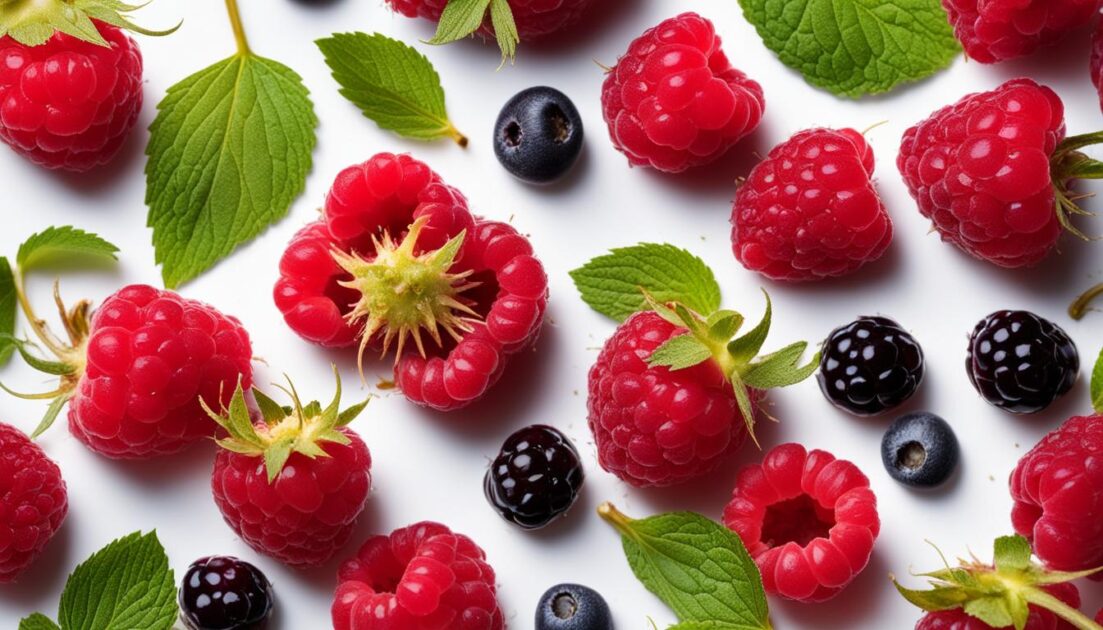
As a professional skincare journalist, I am constantly on the lookout for natural ingredients that can nourish and rejuvenate the skin. One such ingredient that has caught my attention is Raspberry Seed Oil. This antioxidant-rich oil, derived from cold-pressed raspberry seeds, is packed with beneficial properties that contribute to healthy and radiant skin.
What sets Raspberry Seed Oil apart is its high content of omega fatty acids, which are essential for maintaining a healthy skin barrier and promoting skin rejuvenation. Additionally, the oil possesses anti-inflammatory properties, making it suitable for soothing irritated skin and reducing redness. Its natural sunscreen properties also make it an excellent choice for protecting the skin from harmful UV rays.
Whether you have dry, oily, or acne-prone skin, Raspberry Seed Oil can be a game-changer in your skincare routine. Its nourishing properties provide deep hydration and leave the skin feeling supple and moisturized. With regular use, this natural skincare ingredient can enhance skin elasticity, minimize fine lines and wrinkles, and give you a radiant complexion.
Key Takeaways:
- Raspberry Seed Oil is a natural skincare ingredient that is rich in antioxidants, omega fatty acids, and has anti-inflammatory properties.
- It can act as a natural sunscreen, protecting the skin from harmful UV rays.
- Raspberry Seed Oil nourishes and rejuvenates the skin, promoting a radiant and healthy complexion.
- It is suitable for all skin types, including oily, dry, and acne-prone skin.
- Regular use of Raspberry Seed Oil can help improve skin elasticity, minimize fine lines and wrinkles, and provide deep hydration.
The Origins of Red Raspberry Seed Oil
Red raspberry seed oil, derived from the Rubus idaeus plant, has garnered significant attention in the skincare industry for its numerous benefits. The Rubus idaeus plant is native to Asia and Europe, and the oil is extracted from the seeds of red raspberries. These berries are known for their abundance of skin-loving compounds, including vitamins, antioxidants, and fatty acids.
The fruit compounds found in red raspberry seed oil make it a valuable ingredient in skincare products. Its natural antioxidant properties help protect the skin from oxidative stress and free radicals, which can lead to premature aging. Additionally, the oil’s high content of omega fatty acids nourishes and moisturizes the skin, promoting a healthy and youthful complexion.
The commercial interest in red raspberry seed oil can be attributed to its effectiveness in addressing various skincare concerns. It is known for its ability to soothe inflammation and irritation, making it suitable for sensitive and reactive skin types. Furthermore, the oil’s lightweight texture allows for quick absorption, leaving the skin feeling smooth and non-greasy.
Overall, the origins of red raspberry seed oil lie in the Rubus idaeus plant, and its fruit compounds have propelled it into the spotlight of the skincare industry. Its natural properties and unique composition make it an excellent choice for those seeking effective and nourishing skincare products.
Methods of Extraction for Red Raspberry Seed Oil
Red raspberry seed oil is extracted through various methods to obtain its valuable properties and benefits for skincare. These extraction methods play a crucial role in preserving the oil’s natural properties and ensuring its quality. Let’s explore the different methods commonly used:
1. Steam Distillation
Steam distillation is a traditional method employed to extract essential oils from botanical materials. However, it is not the preferred method for red raspberry seed oil extraction. The relatively lower yield obtained through steam distillation makes it less efficient for extracting this oil.
2. Supercritical Fluid Extraction
Supercritical fluid extraction is a modern and advanced method widely used for extracting raspberry seed oil. This method involves utilizing supercritical carbon dioxide (CO2) as the solvent to extract the oil from the seeds. This gentle extraction process helps retain the oil’s natural properties and ensures the absence of synthetic additives or contaminants.
3. Cold Pressing
Cold pressing is the most commonly preferred method for extracting red raspberry seed oil. This method involves mechanically pressing the seeds at low temperatures, usually below 122°F (50°C), to obtain the oil. Cold pressing helps retain the natural bioactive compounds present in the seeds, including antioxidants, vitamins, and fatty acids. It ensures a higher yield of high-quality oil suitable for various skincare applications.
Regardless of the extraction method used, the resulting red raspberry seed oil possesses a distinct red-yellow color and a sweet, mild aroma. Its unique properties make it a valuable ingredient in natural skincare formulations.
| Extraction Method | Advantages |
|---|---|
| Steam Distillation | – Less commonly used for red raspberry seed oil extraction – Lower yield compared to other methods |
| Supercritical Fluid Extraction | – Efficient extraction method – Preserves the natural properties of the oil – No synthetic additives or contaminants |
| Cold Pressing | – Most commonly preferred method – Retains natural bioactive compounds – Higher yield of high-quality oil |
The Chemistry of Red Raspberry Seed Oil
Red raspberry seed oil is a powerful ingredient for skincare due to its rich chemical composition. This natural oil is packed with essential fatty acids, antioxidants, and moisturizing compounds that promote healthy and radiant skin.
- Linoleic acid: Red raspberry seed oil is abundant in linoleic acid, an omega-6 fatty acid. This essential nutrient helps maintain the skin’s barrier function, keeping it hydrated and protected.
- Alpha-linolenic acid: Another essential fatty acid found in red raspberry seed oil is alpha-linolenic acid, an omega-3 fatty acid. This nutrient has anti-inflammatory properties, helping to calm and soothe the skin.
- Vitamin E: Red raspberry seed oil is a natural source of vitamin E, a potent antioxidant that protects the skin against free radicals and oxidative damage. It helps to strengthen the skin’s defenses and promote a youthful complexion.
- Polyphenols: Polyphenols are plant compounds with antioxidant properties. Red raspberry seed oil contains polyphenols that help fight environmental stressors and support skin health.
- Squalane: This lightweight and non-greasy compound is naturally present in red raspberry seed oil. Squalane helps to moisturize the skin, leaving it soft, supple, and nourished.
Together, these chemical components make red raspberry seed oil a valuable addition to skincare products. Not only does it provide antioxidant protection and moisturization, but it also helps to soothe inflammation and promote a healthy skin barrier.
The Skin Benefits of Red Raspberry Seed Oil
Thanks to its unique chemistry, red raspberry seed oil offers a range of benefits for the skin:
- Antioxidant protection: The vitamin E and polyphenols in red raspberry seed oil help fight free radicals, protecting the skin from premature aging and damage.
- Anti-inflammatory effects: The linoleic acid and alpha-linolenic acid reduce inflammation, soothing irritated, and sensitive skin.
- Moisturization: The squalane in red raspberry seed oil helps to hydrate and nourish the skin, keeping it smooth and supple.
- Skin rejuvenation: The combination of essential fatty acids, antioxidants, and moisturizing compounds promotes skin rejuvenation, leaving it firm, radiant, and youthful-looking.
By incorporating red raspberry seed oil into your skincare routine, you can harness the power of these beneficial compounds and enjoy healthier, more radiant skin.
Common Queries About Red Raspberry Seed Oil
As a popular natural skincare ingredient, red raspberry seed oil often raises some common questions. Let’s address these queries to help you better understand the benefits and uses of this nourishing oil.
Is Red Raspberry Seed Oil comedogenic?
One of the most frequently asked questions about red raspberry seed oil is whether it is comedogenic, meaning if it can clog pores. The good news is that red raspberry seed oil is non-comedogenic, making it suitable for all skin types, including oily and acne-prone skin. It is unlikely to cause breakouts and can be safely incorporated into your skincare routine.
Does Red Raspberry Seed Oil provide sunscreen protection?
While red raspberry seed oil offers some natural protection against the sun’s harmful UV radiation, it is not a substitute for sunscreen. It has a low SPF (sun protection factor) and limited sun barrier properties, so it should not be solely relied upon for sun protection. It is best to use a sunscreen with a higher SPF in addition to incorporating red raspberry seed oil into your skincare regimen.
Can Red Raspberry Seed Oil be used as a moisturizer?
Yes, red raspberry seed oil is an excellent moisturizing ingredient. Its nourishing properties help hydrate the skin and improve its overall texture. It can be used as a standalone moisturizer or blended with other moisturizing ingredients for enhanced hydration and skin barrier support.
Is Red Raspberry Seed Oil suitable for all skin types?
Absolutely! Red raspberry seed oil is suitable for all skin types, including dry, oily, sensitive, and combination skin. Its lightweight texture and gentle formulation make it a versatile option that can be easily incorporated into any skincare routine. Whether you have acne-prone skin, aging skin, or simply want to maintain healthy skin, red raspberry seed oil can be a beneficial addition.
Care to learn more? Here’s a comparison table highlighting the unique properties of red raspberry seed oil:
| Property | Benefits |
|---|---|
| Non-comedogenic | Does not clog pores, suitable for all skin types |
| Natural Sunscreen | Offers limited sun protection |
| Moisturizer | Hydrates and nourishes the skin |
| Suitable for all skin types | Safe and effective for all skin types |
Benefits of Red Raspberry Seed Oil for Skin
Red raspberry seed oil offers a wide range of benefits for the skin, making it a valuable addition to any skincare routine. With its powerful antioxidant properties, ability to repair and nourish the skin barrier, and anti-inflammatory effects, red raspberry seed oil promotes healthy, radiant skin.
Aging gracefully with red raspberry seed oil
One of the key benefits of red raspberry seed oil is its anti-aging properties. This natural oil is rich in antioxidants, including vitamin E and polyphenols, which help fight free radicals and protect the skin from environmental stressors. By reducing oxidative damage, red raspberry seed oil helps minimize the appearance of fine lines, wrinkles, and age spots, giving your skin a more youthful and vibrant look.
Repair and nourish your skin barrier
Red raspberry seed oil is also known for its ability to repair and strengthen the skin barrier. The skin barrier acts as a protective shield, preventing moisture loss and keeping irritants out. With its high content of essential fatty acids, such as omega-3 and omega-6, red raspberry seed oil helps fortify the skin barrier, promoting optimal hydration and improving its overall health.
Calming inflammation with red raspberry seed oil
Inflammation is a common issue that can contribute to skin problems such as redness, irritation, and acne. Thanks to its anti-inflammatory effects, red raspberry seed oil can help soothe and calm the skin. Its natural compounds, such as linoleic acid and polyphenols, help reduce inflammation and redness, promoting a more balanced and even complexion.
To fully understand the benefits of red raspberry seed oil for the skin, let’s take a look at this informative table:
| Benefits | Description |
|---|---|
| Anti-aging properties | Rich in antioxidants that combat free radicals and reduce the signs of aging, such as fine lines and wrinkles. |
| Skin barrier repair | Contains essential fatty acids that strengthen the skin barrier, improving hydration and protecting against external aggressors. |
| Anti-inflammatory effects | Natural compounds with anti-inflammatory properties help soothe and calm the skin, reducing redness and irritation. |

With its incredible properties, red raspberry seed oil is a versatile ingredient that can benefit various skin types, including dry, sensitive, and aging skin. Whether you’re looking to combat signs of aging, improve your skin barrier, or reduce inflammation, incorporating red raspberry seed oil into your skincare routine can help you achieve radiant and healthy skin.
The History and Cultivation of Raspberry Seeds
Raspberry cultivation has a rich and storied history, with its origins believed to be in Turkey. The Rubus idaeus, commonly known as the raspberry plant, spread throughout Europe, thanks to the Romans, who recognized the fruit’s flavorful and medicinal qualities. Over time, raspberries made their way to North America, where they have become a popular crop in regions such as Oregon, Washington, and California.
Throughout history, raspberries have been treasured for their delicious taste and nutritional benefits. In addition to being enjoyed fresh, they have been used in various culinary creations, such as jams, desserts, and beverages. Raspberries also have a long-standing association with natural remedies and herbal medicine.
Today, raspberry cultivation continues to thrive, with dedicated farmers and cultivators ensuring the availability of fresh, ripe raspberries for consumers. The popularity of raspberries extends beyond their traditional uses, with raspberry seed oil gaining recognition in the skincare industry for its numerous benefits.
The Cultivation of Raspberries
Rubus idaeus, commonly known as the red raspberry, is a perennial plant that belongs to the Rosaceae family. Raspberry plants are typically propagated through the division of existing plants or through the use of stem cuttings. They thrive in temperate regions with well-drained soil and adequate sunlight.
The cultivation process begins with selecting healthy raspberry plants and preparing the soil for planting. Once planted, the raspberry plants require regular watering, fertilization, and pruning to ensure optimal growth and fruit production.
Varieties of Raspberries
There are various cultivars of raspberry plants, each with its own unique characteristics and growing requirements. Some common varieties include:
- Heritage: This variety is known for its vigorous growth and high fruit yield. It produces large, flavorful berries.
- Tulameen: Tulameen raspberries are sweet and juicy, with a firm texture. They are popular for both fresh consumption and processing.
- Autumn Bliss: As the name suggests, this raspberry variety produces fruit in late summer and fall. It has a sweet-tart flavor and is often used for canning and baking.
A Growing Industry
With increasing demand for raspberries and raspberry-related products, the raspberry cultivation industry continues to expand. Farmers and growers are dedicated to producing high-quality raspberries through sustainable and responsible farming practices.
The cultivation of raspberries not only provides a source of income for farmers but also contributes to local economies and provides consumers with access to nutritious, flavorful fruit. Whether enjoyed fresh, incorporated into culinary creations, or used for skincare, raspberries remain a popular and versatile fruit with a rich history.
The Extraction Process and Properties of Raspberry Seed Oil
One of the key steps in obtaining high-quality raspberry seed oil is the extraction process. Raspberry seed oil is typically extracted through a method called cold pressing. This process involves placing raspberry seeds in a hydraulic press, which gently squeezes out the oil without exposing it to high temperatures. The result is a pure and nutrient-rich oil that retains its natural properties.
Raspberry seed oil is available in both refined and unrefined varieties. Refined raspberry seed oil undergoes further processing to remove impurities and enhance its shelf life. Although refined oil may have a lighter color and milder aroma, it may also lose some of its natural compounds during the refining process.
On the other hand, unrefined raspberry seed oil is minimally processed and retains its natural color, aroma, and chemical composition. It is often preferred by those seeking a more natural and holistic skincare option.
The chemical composition of raspberry seed oil is what makes it a valuable ingredient in skincare products. It contains essential fatty acids, including omega-3 and omega-6, which help nourish and hydrate the skin. Raspberry seed oil is also rich in vitamins, such as vitamin E, that provide antioxidant protection against environmental stressors. In addition, this oil is packed with polyphenols, which have anti-inflammatory properties and support skin rejuvenation.
Here is a table summarizing the chemical composition of raspberry seed oil:
| Chemical Component | Percentage |
|---|---|
| Essential fatty acids | Approximately 52-60% |
| Vitamin E | Approximately 150-250 ppm |
| Polyphenols | Approximately 200-360 ppm |
Disclaimer: The percentages and concentrations mentioned above may vary depending on different factors such as the extraction method and raspberry seed variety.
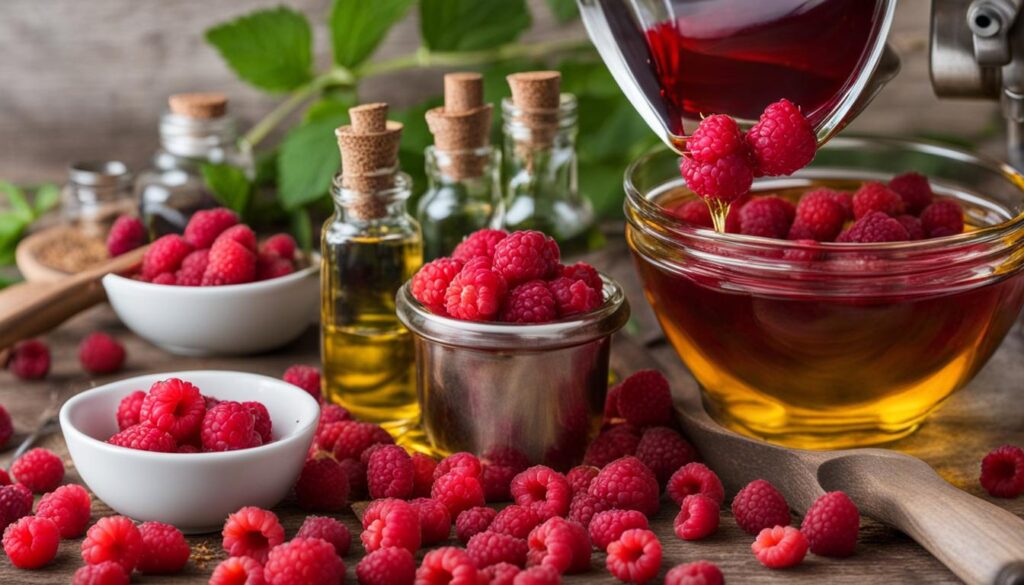
With its unique extraction process and beneficial properties, raspberry seed oil offers a multitude of benefits for the skin. In the following section, we will explore how raspberry seed oil can be particularly advantageous for acne-prone skin.
Raspberry Seed Oil for Acne-Prone Skin
If you have acne-prone skin, incorporating raspberry seed oil into your skincare routine can provide numerous benefits. This natural ingredient is known for its ability to balance oil production, unclog pores, hydrate the skin, promote healing, reduce inflammation, and improve the skin’s barrier function.
Raspberry seed oil helps regulate sebum production, which is essential for controlling excess oil that can contribute to acne breakouts. By balancing the skin’s oil levels, it helps prevent clogged pores and the formation of blemishes.
In addition to oil balancing, raspberry seed oil is also highly moisturizing. It helps hydrate the skin without clogging pores, keeping it nourished and supple. This reduces the risk of dry, flaky skin, which can lead to further acne breakouts.
Furthermore, raspberry seed oil has skin healing properties. It contains antioxidants and essential fatty acids that aid in the repair of damaged skin cells. The oil helps soothe and promote the regeneration of the skin, accelerating the healing process of acne scars and promoting a smoother complexion.
The anti-inflammatory effects of raspberry seed oil are also beneficial for acne-prone skin. It helps reduce redness, swelling, and irritation associated with acne breakouts. By calming the skin, it not only improves the appearance of existing blemishes but also helps prevent future ones from forming.
Moreover, raspberry seed oil improves the skin’s barrier function. It strengthens and protects the skin’s outermost layer, preventing moisture loss and shielding it from environmental aggressors. A strong skin barrier is crucial for maintaining healthy, acne-free skin.
Benefits of Raspberry Seed Oil for Acne-Prone Skin
| Benefits | Description |
|---|---|
| Oil Balancing | Helps regulate sebum production to prevent excess oil and clogged pores. |
| Hydration | Moisturizes the skin without clogging pores, keeping it nourished and supple. |
| Skin Healing | Aids in the repair of damaged skin cells, promoting the healing of acne scars. |
| Reducing Inflammation | Calms redness, swelling, and irritation associated with acne breakouts. |
| Improving Skin Barrier Function | Strengthens and protects the skin’s outermost layer, preventing moisture loss and environmental damage. |
With its oil-balancing, pore-unclogging, hydrating, skin-healing, anti-inflammatory, and barrier-improving properties, raspberry seed oil is an excellent addition to your acne-fighting skincare routine. Consider incorporating products that contain this beneficial ingredient to help achieve clearer, healthier skin.
Incorporating Raspberry Seed Oil Into Your Skincare Routine
When it comes to taking care of your skin, it’s essential to find products that work well with your skin type and address your specific concerns. Raspberry seed oil is a versatile ingredient that can be easily incorporated into your skincare routine to enhance its nourishing benefits. Whether you prefer a cleanser, moisturizer, or serum, raspberry seed oil can be the perfect addition to help you achieve healthy and radiant skin.
One way to incorporate raspberry seed oil into your skincare routine is by using a cleanser that contains this beneficial ingredient. Cleansing is a fundamental step in any skincare routine, and using a raspberry seed oil cleanser can help remove impurities while nourishing and moisturizing your skin.
Another option is to use a moisturizer infused with raspberry seed oil. Moisturizers are essential for maintaining the skin’s hydration levels and protecting it from environmental stressors. Raspberry seed oil, with its rich antioxidant properties and omega fatty acids, can provide intense moisture and promote skin rejuvenation.
If you’re looking to target specific skin concerns, consider adding a serum with raspberry seed oil to your routine. Serums are concentrated treatments that penetrate deep into the skin, delivering active ingredients directly to the problem areas. Raspberry seed oil in serums can help reduce inflammation, improve skin texture, and enhance the overall appearance of your complexion.
To give you a better idea of how to incorporate raspberry seed oil into your skincare routine, here’s a simple guide:
- Start with a raspberry seed oil cleanser to remove dirt and impurities from your skin.
- Follow up with a moisturizer infused with raspberry seed oil to lock in hydration and provide nourishment.
- For targeted treatment, apply a few drops of a raspberry seed oil serum to areas of concern, such as fine lines or hyperpigmentation.
- Finish off with your preferred sunscreen to protect your skin from harmful UV rays.
By incorporating raspberry seed oil into your skincare routine, you can experience the nourishing and rejuvenating benefits of this natural ingredient. Remember to choose products that are suitable for your skin type and always perform a patch test before introducing any new product into your routine.
References:
- https://www.ncbi.nlm.nih.gov/pmc/articles/PMC6461355/
- https://lpi.oregonstate.edu/mic/health-disease/skin-health/essential-fatty-acids
- https://pubmed.ncbi.nlm.nih.gov/27419484/
| Skincare Product | Benefits of Raspberry Seed Oil |
|---|---|
| Cleanser | – Removes impurities – Nourishes and moisturizes the skin – Provides antioxidant protection |
| Moisturizer | – Intense hydration – Promotes skin rejuvenation – Protects against environmental stressors |
| Serum | – Reduces inflammation – Improves skin texture – Enhances overall complexion |

Conclusion
In conclusion, Raspberry Seed Oil is a powerful and natural ingredient that offers significant benefits for skincare. With its antioxidant-rich properties, it helps protect the skin from free radicals and environmental stressors, promoting a healthier and more radiant complexion. The omega fatty acids present in Raspberry Seed Oil deeply nourish and moisturize the skin, enhancing its natural barrier function and promoting overall skin health.
The anti-inflammatory properties of Raspberry Seed Oil make it an ideal choice for soothing and calming sensitive or inflamed skin. It can help reduce redness, irritation, and inflammation, leaving the skin feeling calm and revitalized. Additionally, Raspberry Seed Oil contains natural sunscreen properties, providing some protection against harmful UV rays.
Whether used in a cleanser, moisturizer, or serum, Raspberry Seed Oil is a versatile skincare ingredient that can be incorporated into any routine. Its nourishing and rejuvenating properties make it suitable for all skin types, including dry, oily, and acne-prone skin. By incorporating Raspberry Seed Oil into your skincare regimen, you can achieve and maintain healthy and glowing skin.
FAQ
Is raspberry seed oil beneficial for all skin types?
Yes, raspberry seed oil is suitable for all skin types, including oily, dry, and acne-prone skin. It is non-comedogenic, meaning it is unlikely to clog pores.
Can raspberry seed oil replace sunscreen?
While raspberry seed oil offers limited sun protection, it is not a substitute for sunscreen. It can be used as a moisturizing component in your skincare routine but should be supplemented with a proper sunscreen for adequate sun protection.
How can raspberry seed oil be incorporated into a skincare routine?
Raspberry seed oil can be easily incorporated into your skincare routine. It can be used in a cleanser, moisturizer, or serum, and applied topically to the skin. It is suitable for daily use and provides nourishing benefits to the skin.
What are the benefits of raspberry seed oil for the skin?
Raspberry seed oil has numerous benefits for the skin. It helps reduce signs of aging, repair and nourish the skin barrier, and provide anti-inflammatory effects. Its antioxidant-rich and omega fatty acid content contribute to its skin rejuvenation properties.
What is the history of raspberry cultivation?
Raspberries have been cultivated since ancient times, with their origins believed to be in Turkey. They spread throughout Europe and eventually made their way to North America. Nowadays, raspberries are predominantly grown in the US, specifically in Oregon, Washington, and California.


