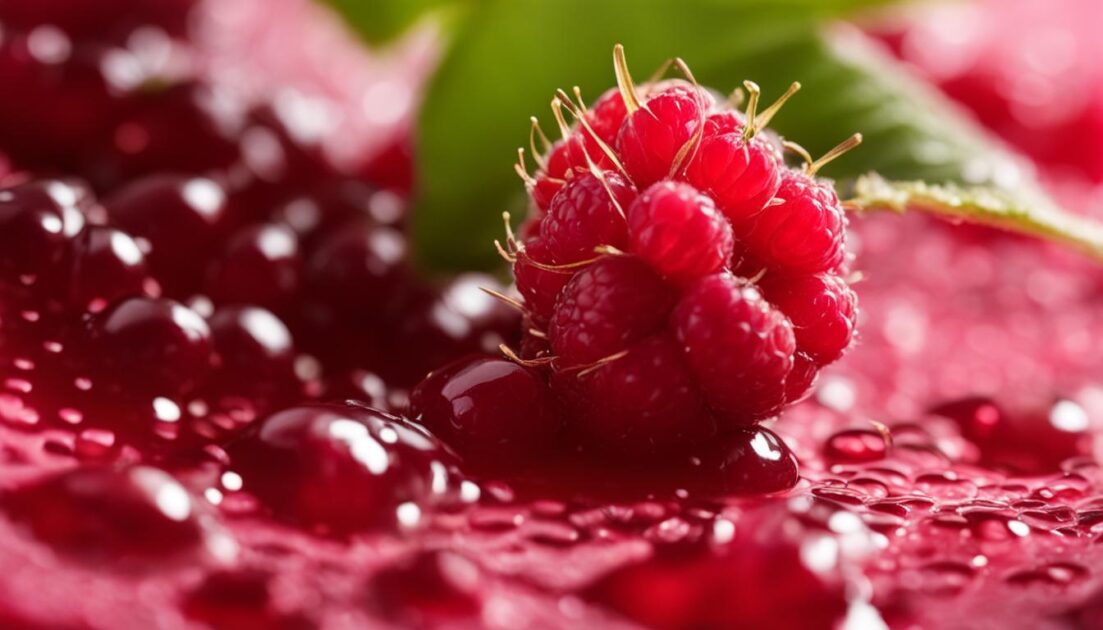
When it comes to hair care, natural treatments are gaining popularity for their effectiveness and minimal side effects. One such natural ingredient that has been making waves in the beauty industry is raspberry seed oil. Derived from the cold pressing of red raspberry seeds, this unrefined and extra virgin oil is a powerhouse of nourishment for your hair. With its rich content of fatty acids, antioxidants, and vitamins, raspberry seed oil offers a wide range of benefits that promote shine and strength in your locks.
Raspberry seed oil is known for its ability to stimulate hair growth and nourish the scalp. It strengthens the hair follicles, making them less prone to breakage and split ends. Additionally, the antioxidants present in raspberry seed oil protect the hair from damage caused by free radicals, environmental pollutants, and heat styling tools.
In addition to its hair-strengthening properties, raspberry seed oil also acts as a natural moisturizer, effectively hydrating both the hair and the scalp. This helps combat dryness and dandruff, leaving your hair healthier, smoother, and more manageable.
Unlike many commercial hair care products that may contain harsh chemicals, raspberry seed oil is a natural and organic alternative that is gentle on your hair and scalp. It is free from sulfates, parabens, and other potentially harmful ingredients, making it suitable for all hair types, including sensitive and damaged hair.
Key Takeaways:
- Raspberry seed oil is a natural ingredient that promotes shine and strength in hair.
- It stimulates hair growth and nourishes the scalp.
- The antioxidants in raspberry seed oil protect the hair from damage.
- Raspberry seed oil moisturizes the hair and scalp, preventing dryness and dandruff.
- It is a natural and organic alternative to commercial hair care products.
Reduce the Signs of Aging
Raspberry seed oil contains ellagic acid, an active compound that fights against the signs of aging. As we age, the collagen in our skin becomes damaged, leading to the formation of wrinkles. Raspberry oil is rich in antioxidants, which help prevent the cellular damage caused by free radicals, keeping the skin’s collagen tight and firm. Regular use of raspberry seed oil can minimize the effects of oxidation and slow down the appearance of wrinkles, promoting youthful-looking skin.
Clear Up Your Skin
Raspberry seed oil offers a natural remedy for acne and can improve the condition of your skin. Acne is often caused by an excess of sebum and dead skin cells blocking the hair follicles. By using raspberry seed oil, you can effectively clear up acne by opening up the pores and removing excess sebum.
The essential fatty acids present in raspberry seed oil provide elasticity and lubrication to the skin, helping to maintain a healthy complexion. Additionally, the oil contains vitamin A, which plays a crucial role in regulating oil production and preventing clogged pores.
By applying raspberry seed oil topically, you can balance your skin’s oil levels, reduce inflammation, and promote clearer, healthier skin. The oil’s natural properties help keep your skin nourished and hydrated, preventing dryness and flakiness.
Benefits of Raspberry Seed Oil for Clearing Up Acne:
- Clears blocked pores and removes excess sebum
- Reduces inflammation and redness associated with acne
- Provides essential fatty acids for skin elasticity and lubrication
- Regulates oil production to prevent clogged pores
- Keeps the skin nourished and hydrated
When using raspberry seed oil, it is essential to cleanse your skin thoroughly before application to ensure maximum effectiveness. After cleansing, gently massage a few drops of the oil onto the affected areas and allow it to absorb fully.
Start incorporating raspberry seed oil into your skincare routine today for clearer, healthier skin!
Testimonial:
“I’ve struggled with acne for years, and finding a natural solution has been a game-changer. Raspberry seed oil has been incredible in clearing up my skin and reducing breakouts. My complexion looks better than ever!” – Elizabeth
A Comparison of Skincare Ingredients:
| Ingredient | Benefit |
|---|---|
| Raspberry Seed Oil | Clears up acne and balances oil levels |
| Tea Tree Oil | Antibacterial properties to combat acne |
| Salicylic Acid | Exfoliates and unclogs pores |
| Retinol | Encourages cell turnover and reduces acne scarring |
| Apple Cider Vinegar | Restores pH balance and reduces inflammation |
As you can see from the table above, raspberry seed oil offers unique benefits in clearing up acne and balancing oil levels. Its natural properties make it a gentle and effective option for those seeking a natural approach to skincare.

Reduce Inflammation
Raspberry seed oil is renowned for its remarkable anti-inflammatory properties, making it a valuable ingredient in cosmetic products aimed at addressing various inflammatory conditions such as eczema and rashes. Studies conducted on mice have demonstrated that regular consumption of raspberry seed oil can significantly reduce the severity of inflammatory responses.
Individuals suffering from chronic inflammation, such as those with arthritis or other inflammatory conditions, can benefit from incorporating raspberry seed oil into their skincare routine. By harnessing the anti-inflammatory properties of this oil, it is possible to alleviate discomfort and promote healthier and calmer skin.
The natural anti-inflammatory properties of raspberry seed oil make it a soothing and effective option for individuals seeking relief from conditions characterized by inflammation.
By utilizing the anti-inflammatory properties of raspberry seed oil, you can strive towards healthier, more balanced skin and find comfort in the soothing benefits provided by this remarkable natural ingredient.
Sun-Damage Protection
Raspberry seed oil provides natural protection against sun damage, making it an excellent choice for those looking for organic alternatives to conventional sunscreens. A study conducted on lab-grown human cells exposed to high levels of UV light has demonstrated the effectiveness of raspberry seed oil in providing sun-damage protection. Specifically, the ellagic acid content in raspberry seed oil has shown to be capable of absorbing both UV-B and UV-C rays, offering a sunscreen-like SPF of up to 50.
This natural SPF property of raspberry seed oil makes it a compelling option for individuals seeking sun protection without the use of synthetic chemicals. However, it is important to note that the effectiveness of natural products can vary, so assuming a lower SPF would be prudent when relying solely on raspberry seed oil for sun protection.

Natural SPF Benefits
Incorporating raspberry seed oil into your skincare routine can provide the following sun-damage protection benefits:
- Shielding the skin from harmful UV-B and UV-C rays
- Reducing the risk of sunburn and premature aging
- Protecting against the development of skin cancer
- Preserving the skin’s health and vitality
Raspberry seed oil’s natural sun-damage protection makes it an attractive choice for individuals seeking more natural and environmentally friendly alternatives to chemical sunscreens. By incorporating this oil into your daily skincare routine, you can contribute to protecting your skin from the harmful effects of sun exposure.
Using Raspberry Seed Oil for Sun Protection
When using raspberry seed oil as a natural sunscreen alternative, follow these guidelines:
- Apply a generous amount of raspberry seed oil to exposed areas of the skin.
- Reapply regularly, especially after swimming or excessive sweating.
- Combine raspberry seed oil with other natural ingredients like shea butter or zinc oxide for enhanced sun protection.
- Do not solely rely on raspberry seed oil for prolonged sun exposure or intense sunlight. Use additional protective measures such as wearing a hat and seeking shade.
Plenty of Carotenoids to Aid in Healing
Raspberry seed oil contains a wealth of healing compounds, including an abundance of carotenoids. These carotenoids play a vital role in maintaining healthy skin by acting as antioxidants. They promote cell repair and protect skin cells from UV damage, ensuring your skin remains healthy and resilient.
Together with the other essential nutrients present in raspberry seed oil, carotenoids contribute to the oil’s impressive healing properties. By applying raspberry seed oil to your skin, you can provide it with the essential nutrients it needs to repair itself and promote a healthier complexion.
| Benefits of Carotenoids Found in Raspberry Seed Oil | Examples of Carotenoids |
|---|---|
| Protect skin cells from UV damage | Beta-carotene, lycopene |
| Promote cell repair | Alpha-carotene, lutein |
| Support collagen production | Gamma-carotene, zeaxanthin |
By incorporating raspberry seed oil into your skincare routine, you can harness the healing power of carotenoids and promote healthier, more radiant skin. Experience the transformative effects of this natural oil and enjoy a rejuvenated complexion.
Conclusion
Raspberry seed oil is a natural and potent ingredient for hair care. With its numerous benefits, including reducing signs of aging, clearing up the skin, reducing inflammation, providing sun-damage protection, delivering healing carotenoids, acting as a moisturizer, promoting ketogenic weight loss, and nourishing and protecting the hair, raspberry seed oil is a versatile and effective choice for those looking for natural and organic hair treatments.
Incorporating this oil into your hair care routine can result in stronger, healthier, and shinier hair. The rich blend of fatty acids, antioxidants, and vitamins present in raspberry seed oil promote hair shine and strength. Whether you have dry, damaged, or dull hair, raspberry seed oil can help restore its vitality and beauty.
Try using raspberry seed oil in various hair and skincare recipes to harness its full potential. From hair masks to serums and leave-in conditioners, there are endless ways to incorporate raspberry seed oil into your daily hair care routine. Rediscover the natural power of this wonderful oil and unlock the secrets to radiant, nourished, and strong hair.
FAQ
What is raspberry seed oil?
Raspberry seed oil is a natural ingredient obtained through the cold pressing of red raspberry seeds. It is rich in fatty acids, antioxidants, and vitamins, making it beneficial for hair and skin care.
What are the benefits of raspberry seed oil for hair?
Raspberry seed oil promotes shine and strength in hair, making it an excellent choice for nourishing and strengthening hair strands. It can also support hair growth and repair damaged hair.
Is raspberry seed oil suitable for all hair types?
Yes, raspberry seed oil is suitable for all hair types, including dry, damaged, and color-treated hair. It helps to moisturize the scalp, promote hair growth, and strengthen hair strands.
Can raspberry seed oil reduce the signs of aging?
Yes, raspberry seed oil contains ellagic acid and antioxidants that can help minimize the appearance of wrinkles and keep the skin’s collagen tight and firm, promoting youthful-looking skin.
How does raspberry seed oil help clear up acne?
Raspberry seed oil works as a natural remedy for acne by opening up the pores, clearing out excess sebum, and regulating oil production. Its essential fatty acids and vitamin A content help balance the skin’s oil levels and reduce acne breakouts.
Does raspberry seed oil have anti-inflammatory properties?
Yes, raspberry seed oil has powerful anti-inflammatory properties, which make it effective in combating conditions like eczema and rashes and reducing inflammation in the skin.
Can raspberry seed oil provide sun-damage protection?
Raspberry seed oil, particularly its ellagic acid content, can provide natural protection against sun damage by absorbing UV-B and UV-C rays. However, it is recommended to use it as a supplement to sunscreen, as natural products can vary in their effectiveness.
How do the carotenoids in raspberry seed oil aid in healing?
Carotenoids present in raspberry seed oil act as antioxidants, promoting cell repair and protecting skin cells from UV damage. These healing compounds contribute to healthier-looking skin.


