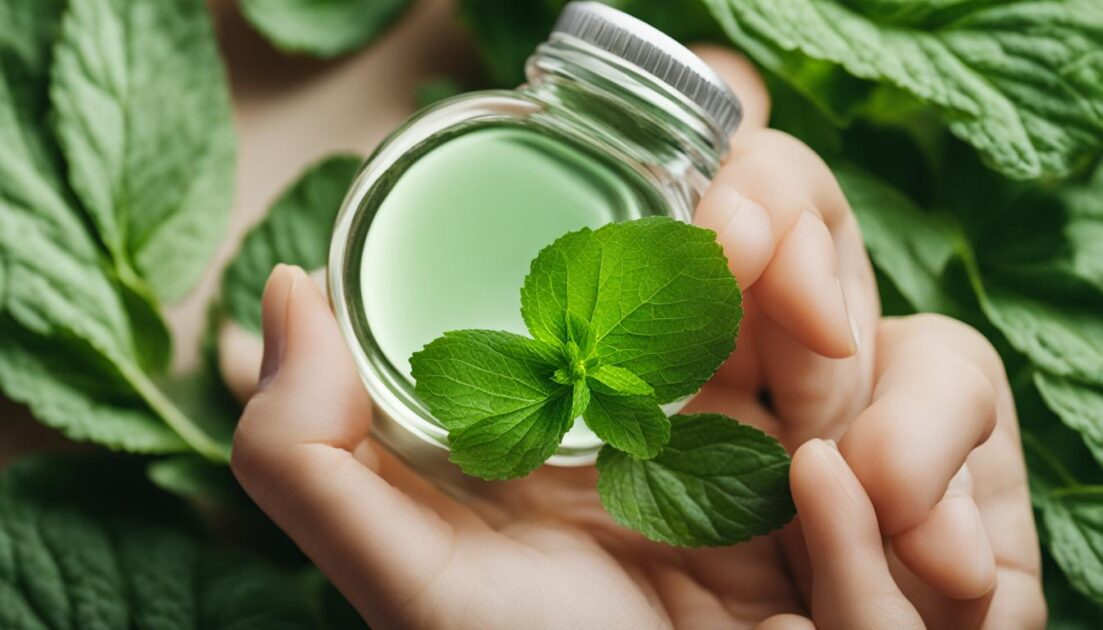
Are you looking for a natural way to support your weight loss journey? Peppermint oil may have caught your attention as a potential solution. But what exactly is the truth behind peppermint oil and its benefits for weight loss? Let’s explore the facts and separate them from the myths.
Peppermint oil, derived from a hybrid plant of spearmint and watermint, contains a significant amount of menthol, which is believed to be the bioactive compound responsible for its health benefits. While peppermint oil itself is not a direct cause of weight loss, it can indirectly aid in weight management.
One of the ways peppermint oil may help with weight management is by reducing food cravings. The refreshing scent and taste of peppermint can help curb appetite and decrease the desire for unhealthy snacks. Additionally, peppermint oil can increase energy levels, which can support an active lifestyle and facilitate calorie burning.
Beyond its role in weight management, peppermint oil offers other potential benefits that can contribute to an overall healthy lifestyle. It has a calming effect and can help relieve stress, which is often linked to unhealthy eating habits. Improved sleep quality is another potential benefit, as adequate sleep is crucial for weight management.
It’s important to note that while peppermint oil can be a helpful addition to your weight management routine, it is not a standalone solution. A balanced diet and regular exercise are still necessary for long-term weight loss and maintenance. Peppermint oil should be seen as a complementary tool rather than a replacement for healthy lifestyle habits.
So, if you’re considering peppermint oil for weight loss, remember to approach it as part of a holistic approach to your overall well-being.
Key Takeaways:
- Peppermint oil can indirectly aid in weight management by reducing food cravings and increasing energy levels.
- It may also help relieve stress and improve sleep, which are often associated with unhealthy eating habits.
- Peppermint oil should be seen as a complementary tool to a balanced diet and regular exercise, not a standalone solution for weight loss.
Peppermint Oil for IBS Relief
One of the key benefits of peppermint oil is its effectiveness in providing relief from symptoms of irritable bowel syndrome (IBS). Numerous studies have demonstrated the positive effects of peppermint oil in alleviating abdominal pain, bloating, stool frequency, and flatulence in individuals with IBS.
The main bioactive compound in peppermint oil, menthol, plays a crucial role in improving digestive symptoms associated with IBS. It helps relax the muscles of the stomach and digestive tract, enhancing digestion and reducing spasms in the colon.
To experience the benefits of peppermint oil for IBS, it is recommended to ingest enteric-coated peppermint oil capsules. These capsules ensure that the oil is released in the intestines, where it can exert its effects. It is important to follow the recommended dosage and not exceed eight weeks of consistent use of peppermint oil capsules.
Overall, peppermint oil can be a valuable natural remedy for individuals seeking relief from IBS symptoms. Its ability to alleviate abdominal pain, bloating, and other discomforts associated with IBS make it a promising option for managing this digestive condition.
| Benefits of Peppermint Oil for IBS Relief |
|---|
| Alleviates abdominal pain |
| Reduces bloating |
| Improves stool frequency |
| Relieves flatulence |
Using peppermint oil for IBS can provide significant relief from symptoms, allowing individuals to regain control over their digestive health. However, it is always advisable to consult with a healthcare professional before starting any new treatment, especially if you have any pre-existing medical conditions or are taking other medications.
Peppermint Oil for Indigestion Relief
Indigestion can be a bothersome condition that affects many individuals. Fortunately, peppermint oil has been found to provide effective relief from indigestion symptoms, including acid reflux, stomach spasms, and early feelings of fullness.
The key to peppermint oil’s effectiveness lies in its ability to reduce contractions in the esophagus and relax the stomach muscles. This helps alleviate discomfort and promote better digestion, allowing individuals to find relief from indigestion symptoms.
Products like Enteroplant and Iberogast, which contain peppermint oil, have shown promising results in relieving dyspepsia symptoms. These products can help soothe the digestive system and provide relief from indigestion discomfort.
Additionally, peppermint oil can also be used to reduce pain and spasms associated with endoscopy procedures, providing further comfort for individuals undergoing these medical examinations.
| Peppermint oil benefits for indigestion relief: | Peppermint oil products for dyspepsia relief: |
|---|---|
|
|
Peppermint oil offers a natural and effective solution for indigestion relief. Whether you’re experiencing acid reflux, stomach spasms, or discomfort after meals, incorporating peppermint oil into your routine can help alleviate these symptoms and promote better digestion.
Peppermint Oil for Headache Relief
When it comes to finding relief from tension headaches, peppermint oil has shown promising results. The menthol present in peppermint oil has the ability to inhibit the sensitivity of pain receptors and may even alter pain perception. By applying peppermint oil topically, you can potentially experience relief from the throbbing pain commonly associated with tension headaches.
But the benefits of peppermint oil don’t just stop at tension headaches. Aromatherapy using peppermint oil has also demonstrated effectiveness in alleviating chronic pain conditions. By enhancing the relaxation response, peppermint oil can provide relief from persistent pain that may be affecting your daily life.
It is important to note that when using peppermint oil for headache relief, it should be done topically in the form of a 10% solution. Applying the oil to your forehead during a headache can help to provide localized relief and target the source of the pain.
To fully understand the potential benefits of peppermint oil for headache relief, let’s take a closer look at the science behind its effectiveness:
The Science Behind Peppermint Oil’s Effectiveness
The menthol in peppermint oil has been found to have analgesic properties, meaning it has the ability to reduce pain sensation. When applied topically, the menthol interacts with cold-sensitive receptors in the skin, triggering a cooling sensation and effectively numbing the area. This can help to alleviate the pain associated with tension headaches.
A study published in the European Journal of Neurology found that applying peppermint oil to the temples and forehead provided significant relief from tension headaches compared to a placebo. The study participants reported a decrease in headache intensity and duration after using the peppermint oil.
In addition to its analgesic properties, peppermint oil also has muscle relaxant effects. This can be particularly beneficial for individuals experiencing tension headaches, as these headaches are often caused by muscle contractions in the head, neck, and shoulders. By applying peppermint oil topically, you can help relax these muscles and alleviate the tension contributing to your headaches.
It’s important to note that while peppermint oil can be a helpful tool in managing headaches, it is not a cure-all solution. It’s always advisable to consult with your healthcare provider if you’re experiencing chronic or severe headaches to rule out any underlying conditions that may require medical intervention.
In conclusion, peppermint oil can be a natural remedy for tension headaches when used topically. Its analgesic and muscle relaxant properties make it a valuable tool in providing relief from headache pain. However, as with any natural remedy, individual results may vary. If you’re considering using peppermint oil for headache relief, it’s always a good idea to consult with a healthcare professional to ensure its safe and appropriate use.
| Benefits of Peppermint Oil for Headache Relief | How to Use Peppermint Oil for Headache Relief |
|---|---|
| 1. Provides relief from tension headaches | 1. Dilute peppermint oil with a carrier oil, such as coconut oil, in a 10% solution |
| 2. Acts as a natural analgesic | 2. Apply the diluted solution to the forehead and temples during a headache |
| 3. Has muscle relaxant effects | 3. Gently massage the oil into the skin, focusing on areas of tension |
Peppermint Oil for Nipple Cracks Prevention
During the breastfeeding journey, many mothers experience nipple cracks and pain, which can make the process uncomfortable and challenging. However, peppermint oil offers a natural solution to prevent and alleviate these issues. When applied topically to the breasts, peppermint oil provides several benefits that promote healthy breastfeeding.
Studies have shown that using peppermint water or peppermint oil gel is more effective in reducing nipple cracks compared to other ointments. The soothing properties of peppermint oil help moisturize and protect the delicate skin around the nipples, reducing dryness and preventing cracking. Additionally, the cooling sensation of menthol in peppermint oil offers relief from pain, making breastfeeding a more comfortable experience.
It’s important to note that before using peppermint oil during breastfeeding, it is crucial to consult with a healthcare professional. They can provide personalized guidance and ensure that peppermint oil is safe for you and your baby. They will take into account any potential allergies or sensitivities that may affect the suitability of peppermint oil for your breastfeeding journey.
Integrating peppermint oil into your breastfeeding routine can contribute to a smoother and more enjoyable experience for both you and your baby. With its natural properties and proven effectiveness, peppermint oil serves as a valuable tool in preventing nipple cracks and promoting pain-free breastfeeding.
Other Potential Uses of Peppermint Oil
While further research is needed, early studies suggest that peppermint oil may have potential benefits for hair growth, allergies, and stress relief.
Research has shown that when applied topically, peppermint oil can facilitate hair growth in mice. Although studies are limited, these findings indicate the potential for peppermint oil to aid in promoting healthier hair growth in humans as well.
Peppermint oil also possesses properties that may inhibit histamine release, making it beneficial for individuals with allergies. Histamine is responsible for triggering allergic reactions, so reducing its release can help alleviate symptoms such as sneezing, itching, and nasal congestion.

Furthermore, aromatherapy treatments using peppermint oil, along with other essential oils, have demonstrated the ability to decrease physical and perceived stress responses. The refreshing aroma of peppermint oil can help alleviate stress, promote relaxation, and improve overall well-being.
Conclusion
Peppermint oil can be a helpful aid in weight management, offering a range of benefits to support a holistic approach to health and well-being. While it may not be a magic solution for weight loss, incorporating peppermint oil into a comprehensive weight management program can enhance overall results.
Studies have shown that peppermint oil can provide relief from various symptoms, such as irritable bowel syndrome (IBS), indigestion, headaches, and breastfeeding-related nipple cracks. However, it is important to note that further research is needed to explore its potential in other areas.
For optimal weight management, it is crucial to combine the use of peppermint oil with a balanced diet, regular exercise, stress management techniques, and sufficient sleep. Peppermint oil can complement these lifestyle factors and contribute to a healthy and sustainable weight management journey.
Remember, peppermint oil is a natural remedy, but it is always advisable to consult with a healthcare professional before incorporating it into your routine, especially if you have any underlying medical conditions or are taking medications. By taking a comprehensive and informed approach, you can leverage the benefits of peppermint oil for weight management and overall well-being.
FAQ
Can peppermint oil help with weight loss?
While peppermint oil itself is not a direct cause of weight loss, it can indirectly aid in weight management. It may help reduce food cravings, increase energy levels, relieve stress, and improve sleep. However, it is important to note that a healthy diet and lifestyle are necessary for long-term weight management.
Is peppermint oil effective for relieving symptoms of irritable bowel syndrome (IBS)?
Yes, peppermint oil has shown effectiveness in providing relief from symptoms of IBS. Studies have found that ingesting peppermint oil capsules can improve abdominal pain, bloating, stool frequency, and flatulence in individuals with IBS. It is recommended to use enteric-coated peppermint oil capsules and not exceed 8 weeks of consistent use.
Can peppermint oil help with indigestion?
Yes, peppermint oil has been found to provide relief from indigestion symptoms, such as acid reflux, stomach spasms, and early feelings of fullness. It can reduce contractions in the esophagus and help relax the stomach muscles, alleviating discomfort and promoting better digestion.
Does peppermint oil help with headaches?
Topical application of peppermint oil has been found to provide relief from tension headaches. The menthol in peppermint oil inhibits the sensitivity of pain receptors and may alter pain perception. Aromatherapy using peppermint oil has also shown promise in alleviating chronic pain conditions by enhancing the relaxation response.
Can peppermint oil help prevent nipple cracks during breastfeeding?
Yes, peppermint oil applied topically to the breasts can help prevent nipple cracks and pain associated with breastfeeding. Studies have found that using peppermint water or peppermint oil gel is more effective in reducing nipple cracks compared to other ointments. It is important to consult with a healthcare professional before using peppermint oil during breastfeeding.
Are there other potential uses for peppermint oil?
While further research is needed, early studies suggest that peppermint oil may have potential benefits for hair growth, allergies, and stress relief. Peppermint oil has been found to facilitate hair growth in mice when applied topically. It may also inhibit histamine release, making it beneficial for allergies. Additionally, aromatherapy treatments using peppermint oil, among other essential oils, have been shown to decrease physical and perceived stress responses.
Is peppermint oil a magic solution for weight loss?
Peppermint oil can be a helpful aid in weight management, but it is not a magic solution for weight loss. Incorporating peppermint oil into a comprehensive weight management program that includes a balanced diet, regular exercise, stress management, and sufficient sleep can enhance overall results.


