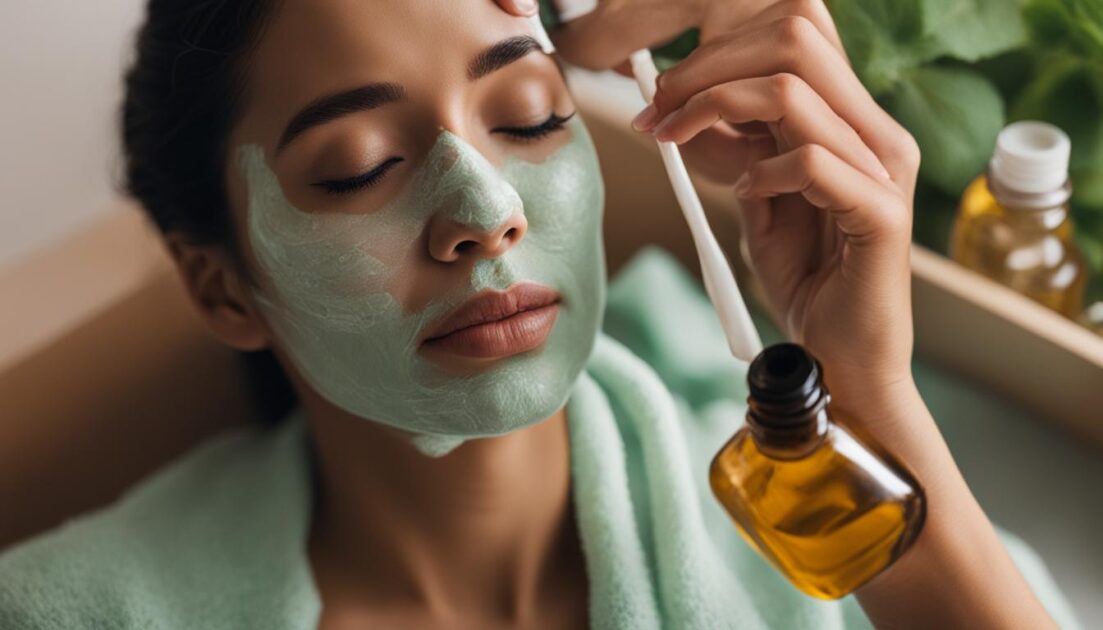
Peppermint oil is a versatile and popular essential oil that offers numerous benefits for the skin. It has soothing, cooling, and anti-inflammatory properties, making it effective for various skin conditions. Peppermint oil is also antibacterial, anti-itching, and has potential antiviral properties. It can brighten dull skin, control excess oil, and promote a youthful glow. Peppermint oil may also help with hair growth, relieve muscle and joint pain, and improve overall wellness. However, it is important to dilute peppermint oil and use it responsibly to avoid skin irritation.
Key Takeaways:
- Peppermint oil has soothing, cooling, and anti-inflammatory properties for the skin.
- It can brighten dull skin, control excess oil, and promote a youthful glow.
- Peppermint oil may help with hair growth, relieve muscle and joint pain, and improve overall wellness.
- Dilute peppermint oil before use and follow safe usage guidelines.
- Consult with a licensed dermatology provider for personalized recommendations and guidance.
The Healing Benefits of Peppermint Oil for Skin Care
Peppermint oil offers a multitude of healing benefits for skin care. Its antibacterial properties make it an effective preventative and treatment for acne, keeping your skin clear and blemish-free. The cooling effect of peppermint oil not only refreshes the skin but also brightens dull complexions, leaving you with a healthy and vibrant glow. Its soothing properties provide relief for skin irritations and burns, promoting faster healing and reducing discomfort. Peppermint oil has also been found to alleviate itching, making it beneficial for conditions such as eczema and psoriasis. Additionally, the refreshing scent of peppermint oil can be used in cosmetic products for a delightful aromatic experience.
| Benefits of Peppermint Oil for Skin care | |
|---|---|
| Prevents and treats acne | The antibacterial properties of peppermint oil help in preventing and treating acne, reducing breakouts and promoting clearer skin. |
| Brightens dull skin | The cooling effect of peppermint oil revitalizes dull skin, resulting in a more radiant and vibrant complexion. |
| Controls excess oil | Peppermint oil helps regulate sebum production, keeping oily skin under control and preventing clogged pores. |
| Soothes skin irritations and burns | With its soothing properties, peppermint oil provides relief for skin irritations and promotes faster healing of burns. |
| Relieves itching | Peppermint oil effectively alleviates itching, making it a beneficial ingredient for individuals with eczema or psoriasis. |
Peppermint oil is a versatile and natural solution for a wide range of skin concerns. Its healing properties can transform your skincare routine, leaving your skin looking and feeling healthier than ever before.
Peppermint Oil for Hair Care
Peppermint oil is not only beneficial for the skin but also for hair care. Its natural properties make it a versatile and effective ingredient in promoting healthy hair and a nourished scalp.
One of the key benefits of peppermint oil for hair care is its ability to reduce hair fall and stimulate hair growth. By stimulating the hair follicles and improving blood circulation to the scalp, peppermint oil helps nourish the hair roots and promote healthy hair growth.
Additionally, peppermint oil helps maintain a healthy scalp by balancing the pH level and preventing fungal infections. A balanced pH level is crucial for a healthy scalp environment, which supports hair growth and reduces scalp-related issues.
Peppermint oil also provides a refreshing and invigorating scent to the hair. It can be added to shampoos, conditioners, or hair masks to give your hair a natural and pleasant aroma.
Furthermore, peppermint oil acts as an antiseptic agent, helping to address common hair concerns such as dandruff and lice. Its antimicrobial properties can help eliminate dandruff-causing fungus and combat head lice.
“Peppermint oil is a natural ingredient that can significantly improve hair health and address common hair issues. Its soothing and nourishing properties make it a valuable addition to any hair care routine.”
Promoting Hair Growth
Peppermint oil stimulates the hair follicles and improves blood circulation to the scalp, promoting hair growth. Its cooling effect provides a refreshing sensation while enhancing hair health.
Maintaining a Healthy Scalp
The antibacterial properties of peppermint oil help maintain a healthy scalp by balancing the pH level and preventing fungal infections. This creates an optimal environment for hair growth.
Addressing Hair Concerns
Peppermint oil acts as a natural antiseptic, making it effective in addressing common hair concerns such as dandruff and lice. Its antimicrobial properties help eliminate these issues.
Moreover, peppermint oil contains menthol and limonene, which have analgesic and anti-inflammatory properties. These properties make peppermint oil beneficial for relieving joint and muscle pain.

| Benefits of Peppermint Oil for Hair Care | How to Use Peppermint Oil for Hair Care |
|---|---|
| Stimulates hair growth | Add a few drops of peppermint oil to your shampoo or mix it with a carrier oil for a scalp massage. |
| Maintains a healthy scalp | Combine peppermint oil with a carrier oil, such as coconut oil, and apply it to the scalp as a treatment. |
| Controls dandruff and lice | Add peppermint oil to your regular shampoo or create a hair mask with peppermint oil and other natural ingredients. |
| Provides a refreshing scent | Add a few drops of peppermint oil to your hair care products for an invigorating aroma. |
Peppermint Oil for Overall Wellness
Peppermint oil offers various benefits for overall wellness. It can help clear the respiratory tract and provide relief from coughs and colds. Peppermint oil has been used to alleviate indigestion and can be used as a flavoring agent. It may also provide relief from headaches and migraines when applied topically. Peppermint oil has antiviral properties and can potentially suppress herpes simplex virus type 2 infections. It has sun-protective properties but should not be used as a standalone sunscreen. Peppermint oil can also be used as an insect repellent and has calming effects to relieve stress.
The Benefits of Peppermint Oil for Overall Wellness
- Clears the respiratory tract and provides relief from coughs and colds
- Alleviates indigestion and can be used as a flavoring agent
- Provides relief from headaches and migraines when applied topically
- Potentially suppresses herpes simplex virus type 2 infections
- Offers sun-protective properties (not a standalone sunscreen)
- Repels insects and has calming effects to relieve stress
Peppermint oil is a versatile and natural solution for promoting overall wellness. Whether you’re looking to soothe a respiratory condition, alleviate digestive discomfort, manage headaches, or protect against certain infections, peppermint oil can be a valuable addition to your wellness routine.
“Peppermint oil provides a refreshing and calming effect, relieving coughs, indigestion, headaches, and more.”
With its soothing and calming properties, peppermint oil serves as a natural remedy for various wellness concerns. It is important to note that while peppermint oil offers these benefits, it should be used responsibly and within recommended guidelines to avoid any adverse reactions or skin irritation.
Using Peppermint Oil Safely
While peppermint oil has numerous benefits, it is important to use it safely. Peppermint oil should never be applied directly to the skin as it can cause irritation. It should always be diluted in a carrier oil before use. Peppermint oil should not be applied to the face of infants or young children. Some individuals may have allergic reactions to peppermint oil, so a patch test is recommended. It is also crucial to follow the guidelines for safe use of essential oils and consult with a licensed dermatology provider for personalized recommendations.
To use peppermint oil safely, keep these guidelines in mind:
- Always dilute peppermint oil in a carrier oil before applying it to the skin.
- Avoid applying peppermint oil to the face of infants or young children.
- Conduct a patch test before using peppermint oil topically to check for any allergic reactions.
- Follow the recommended dilution ratios and usage guidelines for peppermint oil.
- Consult with a licensed dermatology provider for personalized recommendations and advice on using peppermint oil.
By using peppermint oil safely, you can enjoy its many benefits for the skin, hair, and overall wellness without any adverse effects.
Remember, always prioritize your safety and well-being when using essential oils like peppermint oil.
Peppermint Oil Safety Tips
To ensure safe usage of peppermint oil, consider the following tips:
- Perform a patch test: Apply a small amount of diluted peppermint oil to a small area of your skin and observe for any adverse reactions, such as redness or itching, before using it extensively.
- Dilute properly: Use a carrier oil, such as coconut oil or jojoba oil, to dilute peppermint oil before applying it to the skin. The recommended dilution ratio is generally 1-2% peppermint oil to carrier oil.
- Avoid sensitive areas: Keep peppermint oil away from sensitive areas, such as the eyes, mouth, and mucous membranes, as it can cause irritation or a burning sensation.
- Store properly: Store peppermint oil in a cool, dark place to maintain its potency and prevent degradation.
- Follow usage guidelines: Read and follow the instructions provided by the manufacturer or trusted sources for safe and effective use of peppermint oil.
Consult a Dermatology Provider
If you have specific concerns or questions about using peppermint oil safely, it is recommended to consult with a licensed dermatology provider. They can assess your individual needs, provide personalized recommendations, and address any potential risks or interactions. A dermatology provider can guide you in incorporating peppermint oil into your skincare routine effectively and help you make informed decisions regarding its usage.
Incorporating Peppermint Oil Into Your Skincare Routine
Peppermint oil is a versatile ingredient that can be easily incorporated into your skincare routine for its numerous benefits. Here are some effective ways to incorporate peppermint oil into your daily skincare regimen:
Facial Masks, Toners, and Cleansers
Peppermint oil can be added to facial masks, toners, and cleansers to brighten dull skin and control excess oil. Its soothing and cooling properties can refresh and rejuvenate the skin, leaving it feeling invigorated and revitalized.
Hair Care Products
Add a few drops of peppermint oil to your hair care products to promote hair growth and maintain a healthy scalp. The cooling sensation of peppermint oil can stimulate the hair follicles, enhance blood circulation to the scalp, and help reduce hair fall. It also provides a fresh scent to your hair.
Topical Application for Pain Relief and Antiseptic Benefits
Peppermint oil can be used topically for pain relief and as an antiseptic. Its analgesic properties can help alleviate joint and muscle pain when applied directly to the affected area. Furthermore, its antiseptic properties make it effective in preventing bacterial growth on the skin.
Aromatherapy
Peppermint oil can be diffused for aromatherapy to promote relaxation and relieve stress. The invigorating scent of peppermint can help uplift your mood and enhance your overall well-being. Simply add a few drops of peppermint oil to a diffuser and enjoy the refreshing aroma.
When incorporating peppermint oil into your skincare routine, it is important to choose products from reputable brands and follow the instructions for use. This will ensure maximum effectiveness and minimize the risk of any adverse reactions. Enjoy the soothing and refreshing benefits of peppermint oil in your daily skincare regimen!
Potential Risks of Peppermint Oil
While peppermint oil is generally safe to use, it is important to be aware of potential risks. Understanding these risks can help you use peppermint oil responsibly and avoid any adverse effects.
Skin Irritation
Undiluted peppermint oil can cause skin irritation, especially for individuals with sensitive skin. It is essential to dilute peppermint oil with a carrier oil before applying it to the skin. This will help prevent any discomfort or allergic reactions.
Avoiding Application on Infants and Young Children
Peppermint oil should not be applied to the face of infants or young children. Their skin is delicate and more prone to irritation. It is always best to consult with a healthcare professional before using any essential oils on children.
Allergic Reactions
Some individuals may have allergic reactions to peppermint oil. If you are new to using peppermint oil, it is recommended to perform a patch test before applying it to a larger area of your skin. Apply a small amount of diluted peppermint oil to a small patch of skin and observe for any signs of allergic reactions, such as redness or itching.
Avoid Ingestion
Peppermint oil should only be used externally and should not be ingested. Ingesting undiluted peppermint oil can be toxic and may lead to adverse effects on your health. If you are considering using peppermint oil for internal purposes, consult with a healthcare professional for proper guidance.
“It is important to use peppermint oil responsibly and follow the guidelines for safe use.”
To ensure your safety and maximize the benefits of peppermint oil, it is crucial to use it responsibly. Following the recommended dilution ratios, avoiding application on infants and young children, and conducting a patch test are essential steps. Always consult with a healthcare professional for personalized advice and guidance regarding the use of peppermint oil.
| Potential Risks of Peppermint Oil |
|---|
| Skin Irritation |
| Avoiding Application on Infants and Young Children |
| Allergic Reactions |
| Avoid Ingestion |
Consult a Dermatology Provider
If you have specific skin concerns or are unsure about how to use peppermint oil safely, it is recommended to consult with a licensed dermatology provider. They can provide personalized recommendations based on your individual skin type and concerns. A dermatology provider can help you incorporate peppermint oil into your skincare routine effectively and address any questions or concerns you may have. To ensure the best results and avoid potential risks, seek guidance from a healthcare professional.
FAQ
What are the benefits of using peppermint oil for the skin?
Peppermint oil offers several benefits for the skin, including soothing, cooling, and anti-inflammatory properties. It can help brighten dull skin, control excess oil, and provide relief for various skin conditions. Peppermint oil also has antibacterial and anti-itching properties.
Can peppermint oil help with acne?
Yes, peppermint oil has antibacterial properties that can help prevent and treat acne. It also has a cooling effect that can control excess oil and brighten dull skin.
How can peppermint oil be used for hair growth?
Peppermint oil can promote hair growth by stimulating the hair follicles and improving blood circulation to the scalp. It also helps maintain a healthy scalp and can be used as an antiseptic to get rid of dandruff and lice.
What benefits does peppermint oil offer for overall wellness?
Peppermint oil can clear the respiratory tract, provide relief from coughs and colds, and alleviate indigestion. It may also help with headaches and migraines when applied topically. Additionally, peppermint oil has calming effects and can be used as an insect repellent.
How should peppermint oil be used safely?
Peppermint oil should always be diluted in a carrier oil before use and should never be applied directly to the skin. It should not be used on the face of infants or young children, and a patch test is recommended for individuals who may have allergic reactions. Following the guidelines for safe use of essential oils is crucial.
How can peppermint oil be incorporated into a skincare routine?
Peppermint oil can be used in facial masks, toners, and cleansers to brighten dull skin and control excess oil. It can also be added to hair care products for promoting hair growth and maintaining a healthy scalp. Peppermint oil can be used topically for pain relief and as an antiseptic. Additionally, it can be diffused for aromatherapy to promote relaxation and relieve stress.
What are the potential risks of using peppermint oil?
Undiluted peppermint oil can cause skin irritation and should be avoided. It should not be applied to the face of infants or young children. Some individuals may have allergic reactions, so a patch test is recommended. Peppermint oil can be toxic if ingested, so it should only be used externally. Following the guidelines for safe use is important.
Should I consult a dermatology provider before using peppermint oil?
It is recommended to consult with a licensed dermatology provider, especially if you have specific skin concerns or are unsure about using peppermint oil safely. They can provide personalized recommendations based on your individual skin type and concerns.


