
When it comes to skincare, one ingredient that has gained significant attention is zinc oxide. This versatile compound offers a range of benefits to the skin, making it a valuable addition to your daily routine. Whether you are looking to protect your skin from harmful UV rays or treat common skin issues, understanding how to use zinc oxide effectively is key. In this article, I will discuss the various applications and benefits of zinc oxide in skincare.
Key Takeaways:
- Zinc oxide is a versatile compound that provides a wide range of benefits for the skin.
- It can be used as a barrier cream for diaper rash and as a sunscreen to protect against UV rays.
- Proper application techniques and dosage instructions are essential for using zinc oxide effectively.
- Zinc oxide is beneficial for all skin types, including sensitive and acne-prone skin.
- When compared to chemical sunscreens, zinc oxide offers broad-spectrum protection and is better tolerated by individuals with sensitive skin.
Using Zinc Oxide for Diaper Rash
Zinc oxide cream or ointment is a popular choice for preventing and treating diaper rash. This versatile product provides a protective barrier on your baby’s delicate skin, helping to soothe irritation and promote healing.
When using zinc oxide for diaper rash, it’s important to follow a proper application routine. Here are the steps:
- Start by washing your hands thoroughly with mild soap and water.
- Gently clean your baby’s diaper area with a mild cleanser and warm water.
- Dry the area completely before applying the zinc oxide cream.
- Apply a thin layer of the cream or ointment to the affected area, making sure to cover the rash completely.
- Reapply the cream at each diaper change, especially during bedtime or when your baby will be in a wet diaper for an extended period of time.
It’s essential to follow the dosage instructions provided by your healthcare professional or the specific product. They will guide you on the appropriate amount to use and how frequently to apply the cream.
Zinc oxide cream or ointment should be stored in a cool, dry place, away from direct sunlight. Always check the expiration date and discard any expired or discolored products.
To give you a better understanding of the recommended zinc oxide creams for diaper rash, here is a comparison table:
| Product | Active Ingredient | Benefits | Price |
|---|---|---|---|
| ZincOx Diaper Rash Cream | Zinc Oxide | Provides a thick barrier, soothes and protects sensitive skin | $10.99 |
| BabyBum Diaper Rash Cream | Zinc Oxide | Gentle formula, enriched with natural ingredients, long-lasting protection | $8.49 |
| Desitin Maximum Strength Diaper Rash Paste | Zinc Oxide | Fast-acting, offers overnight relief, dermatologist-tested | $6.99 |
Remember, each baby’s skin is unique, and what works for one may not work for another. It’s always a good idea to consult with your pediatrician or healthcare provider for personalized advice on the most suitable zinc oxide cream for your baby’s diaper rash.
Zinc oxide cream can be an effective solution for soothing and healing diaper rash. With proper application and the right product, you can help keep your baby’s skin protected and comfortable.
How to Use Zinc Oxide Sunscreen
When it comes to sun protection, zinc oxide sunscreen is a trusted and effective choice. This mineral-based sunscreen contains zinc oxide, a key ingredient that provides broad-spectrum protection against both UVA and UVB rays. To ensure optimal sun protection, it is important to know how to properly use zinc oxide sunscreen.
First and foremost, it is crucial to apply a sufficient amount of sunscreen to all exposed areas of the skin. This includes the face, neck, arms, and any other body parts that will be exposed to the sun. Be thorough in your application, ensuring that every nook and cranny is covered. Remember, the better coverage you have, the better protected you’ll be.
Additionally, it is essential to reapply zinc oxide sunscreen every two hours or more frequently if you are swimming, sweating heavily, or towel drying. Sunscreen can wear off over time or be rubbed off by clothing or towels, so consistent reapplication is key to maintaining adequate sun protection throughout the day.
When using zinc oxide sunscreen, it is also important to follow the instructions on the label for proper usage and storage of the product. Different brands may have slightly different recommendations, so be sure to read and comply with the specific instructions provided. This will help ensure that you are getting the maximum benefit from your sunscreen.
| Zinc Oxide Sunscreen Tips |
|---|
| Apply a sufficient amount of sunscreen to all exposed areas of the skin. |
| Reapply sunscreen every two hours or more frequently if swimming, sweating heavily, or towel drying. |
| Follow the instructions on the label for proper usage and storage of the product. |
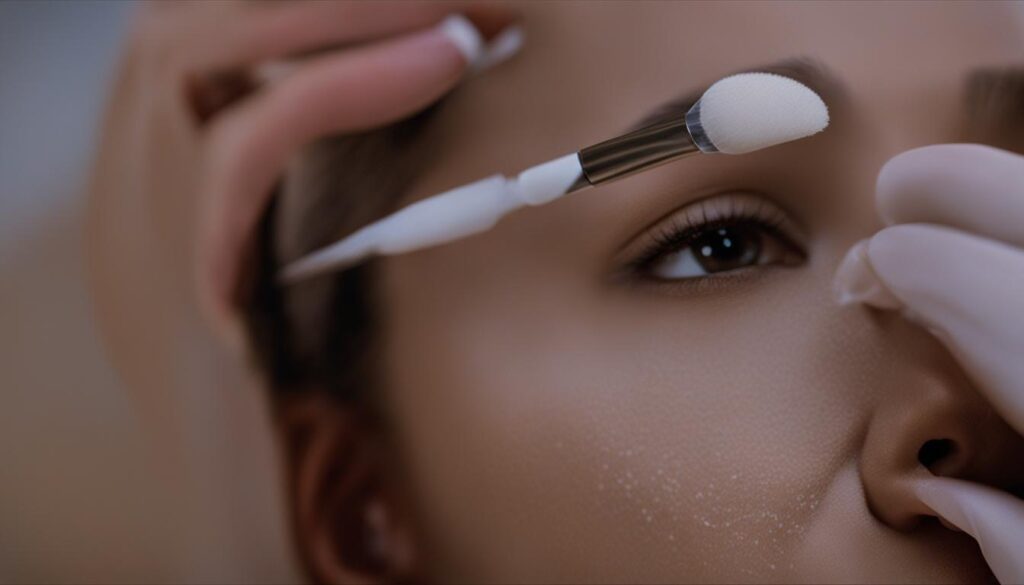
By following these guidelines, you can make the most of your zinc oxide sunscreen and ensure that your skin is well protected from the sun’s harmful rays. Remember, consistent use of sunscreen is crucial for maintaining healthy skin and preventing sunburn, premature aging, and skin cancer. So, embrace the power of zinc oxide for sun protection and enjoy the great outdoors with confidence and peace of mind.
Zinc Oxide for Acne Treatment
Zinc oxide is a versatile ingredient that has been found to be beneficial in the treatment of acne. Its antimicrobial properties help combat acne-causing bacteria, while its non-comedogenic nature means it won’t clog pores, making it suitable for acne-prone skin. By reducing inflammation, controlling oil production, and promoting the healing of acne lesions, zinc oxide can effectively contribute to clearer, healthier skin.
To incorporate zinc oxide into your acne treatment routine, it’s important to follow the proper application technique for optimal results. Start by cleansing your face thoroughly with a mild cleanser to remove any dirt and impurities. Pat your skin dry gently with a clean towel.
“Zinc oxide has shown great promise in reducing the severity of acne and improving overall skin health. Its ability to control oil production and fight against bacteria makes it a valuable addition to acne treatment regimens.” – Dr. Jane Roberts, Dermatologist
Once your skin is clean and dry, take a small amount of zinc oxide topical cream or ointment and apply a thin layer to the affected areas. Gently massage it into the skin using circular motions until it is fully absorbed. It’s best to apply zinc oxide at night and leave it on overnight to allow for maximum efficacy.
| Benefits of Zinc Oxide for Acne Treatment |
|---|
| Zinc oxide reduces inflammation, helping to calm redness and swelling associated with acne. |
| It controls oil production, preventing excess sebum buildup that can lead to clogged pores. |
| The antimicrobial properties of zinc oxide combat acne-causing bacteria, promoting clearer skin. |
| Zinc oxide aids in the healing of acne lesions, reducing their duration and preventing scarring. |
It’s essential to note that everyone’s skin is unique, and what works for one person may not work for another. If you have severe or persistent acne, it’s recommended to consult with a dermatologist. They can provide personalized advice and recommend the most suitable zinc oxide products and acne treatment plan for your specific skin needs.
The History and Composition of Zinc Oxide
Zinc oxide has a rich history that dates back to 500 BC, making it one of the oldest known compounds used by humans. This versatile mineral has been utilized in various applications throughout the ages, thanks to its unique properties and composition.
Composed of one zinc atom and one oxygen atom, zinc oxide is a white, powdery substance with a molecular formula of ZnO. Its composition gives it a remarkable ability to interact with both organic and inorganic compounds, making it indispensable in an array of industries.
While zinc oxide can occur naturally as the mineral zincite, it is predominantly produced synthetically in modern times using different processes. This synthetic production allows for greater control over its purity, particle size, and other characteristics, ensuring consistent quality and performance in various applications.
“Zinc oxide’s history reveals its incredible versatility and importance in human civilization.”

The Primary Uses and Benefits of Zinc Oxide
Zinc oxide is a versatile ingredient that finds its way into a wide range of consumer products owing to its numerous benefits and properties. From cosmetics to sunscreens, personal care products to paints, soaps to ointments, zinc oxide has become an integral part of our daily lives. One of the primary and most significant benefits of zinc oxide is its ability to protect the skin from the sun’s harmful ultraviolet (UV) rays.
When it comes to sun protection, zinc oxide acts as a physical barrier, reflecting, scattering, and blocking UVA and UVB rays. This not only shields the skin from sunburn but also helps prevent long-term damage such as premature aging, wrinkles, and even skin cancer caused by excessive sun exposure. Unlike chemical sunscreens, which work by absorbing UV radiation, zinc oxide acts immediately upon application, providing instant protection without necessitating any waiting time.
Moreover, zinc oxide is well-known for its gentle and non-irritating nature, making it suitable for individuals with sensitive skin. It is non-comedogenic, meaning it does not clog pores, making it an excellent choice for those prone to acne or breakouts.
Zinc oxide acts as a physical barrier, providing effective protection against both UVA and UVB rays, without irritating the skin.
Aside from sun protection, zinc oxide offers other notable benefits. Its antibacterial and antimicrobial properties make it an effective ingredient in personal care products designed to combat skin infections, irritations, and even diaper rash. It soothes and calms the skin, helping to alleviate redness, inflammation, and discomfort.
Furthermore, zinc oxide has excellent healing properties, aiding in the repair and regeneration of damaged skin. When included in skincare formulations, it helps to promote the healing of wounds, cuts, and skin ailments, making it a desirable ingredient in products aimed at addressing acne, eczema, and other skin conditions.
To summarize, zinc oxide’s primary uses lie in its ability to protect the skin from the sun’s harmful UV rays and its versatility as an ingredient in various skincare and personal care products, owing to its antibacterial, anti-inflammatory, and wound-healing properties. Let us now explore how zinc oxide can benefit different skin types in the next section.
Zinc Oxide for Different Skin Types
Zinc oxide is a versatile ingredient that offers benefits for all skin types, making it a valuable addition to your skincare routine. Whether you have sensitive skin, acne-prone skin, or any other skin type, zinc oxide can help address various concerns and promote healthier skin.
One of the key advantages of zinc oxide is its non-comedogenic nature, meaning it does not clog pores. This makes it an excellent choice for individuals with oily or acne-prone skin, as it can help regulate oil production and prevent breakouts. By keeping the pores clear and reducing inflammation, zinc oxide contributes to a clearer complexion.
In addition to being non-comedogenic, zinc oxide also possesses antimicrobial properties. This means it can help combat bacteria on the skin’s surface, reducing the risk of infections and promoting faster healing of skin irritations. Whether you’re dealing with a minor blemish or a more severe acne breakout, zinc oxide can support the healing process.
Moreover, zinc oxide is gentle enough to be used on sensitive skin. Unlike certain chemical ingredients that may cause irritation or allergic reactions, zinc oxide is typically well-tolerated. It soothes and calms sensitive skin, making it a suitable option for individuals with conditions such as eczema or rosacea.
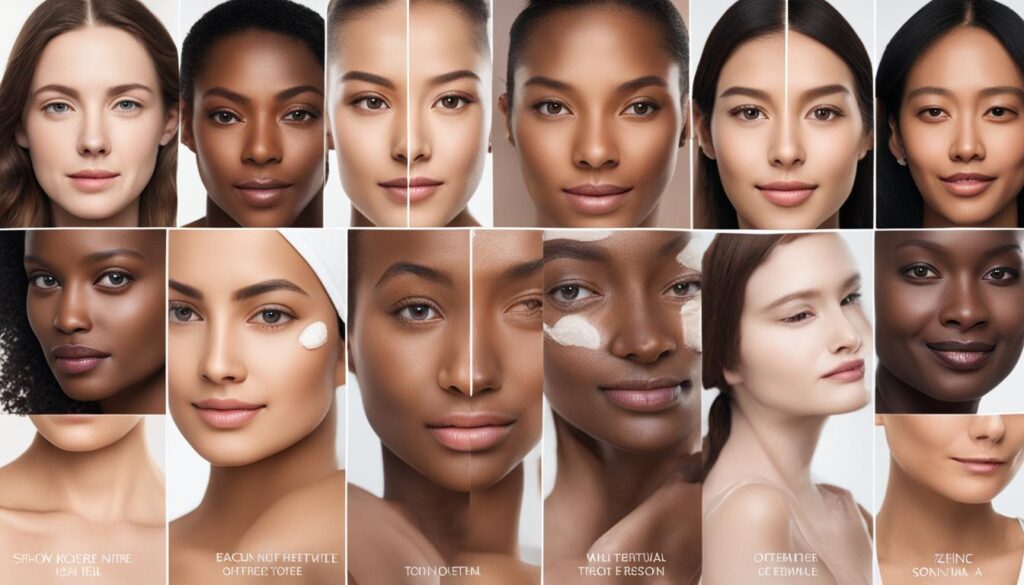
When it comes to baby skincare, zinc oxide is particularly beneficial. Babies have delicate skin that requires extra protection and care. Zinc oxide acts as a physical barrier, shielding their skin from potential irritants and harmful UV rays. Whether you’re looking for a diaper rash cream or a sunscreen for your little one, make sure to choose a product that contains zinc oxide.
To determine the best zinc oxide products for your specific skin type, it’s always a good idea to consult with a dermatologist. They can assess your skin’s needs, recommend suitable formulations, and provide personalized advice. With the right zinc oxide products incorporated into your skincare routine, you can enjoy the many benefits it offers for different skin types.
Comparing Zinc Oxide with Chemical Sunscreens
Zinc oxide-containing sunscreens offer several advantages over chemical sunscreens. Let’s take a closer look at how zinc oxide and chemical sunscreens differ in terms of protection, formulation, and skin compatibility.
1. Sun Protection
Zinc oxide provides broad-spectrum protection against both UVA and UVB rays, making it highly effective in shielding the skin from the sun’s harmful radiation. On the other hand, some chemical sunscreens only protect against UVB rays, leaving the skin vulnerable to UVA damage.
2. Formulation
Zinc oxide sits on top of the skin as a physical barrier, reflecting and scattering UV rays away from the skin’s surface. This characteristic gives it an advantage over chemical sunscreens, which need to be absorbed into the skin to provide protection. By forming a protective layer on the skin, zinc oxide reduces the potential for skin penetration, irritation, and allergic reactions that can occur with certain chemical sunscreens.
3. Skin Compatibility
Zinc oxide is better tolerated by individuals with sensitive skin. Its physical barrier nature and non-comedogenic properties make it less likely to cause breakouts or skin irritations. On the other hand, some chemical sunscreens may contain ingredients that can irritate the skin, leading to redness, itching, or even allergic reactions.
“Zinc oxide-containing sunscreens offer superior protection against both UVA and UVB rays compared to some chemical sunscreens, while also being better suited for sensitive skin.” – Dermatologist Dr. Emily Johnson
To ensure maximum protection and compatibility, it is important to choose a sunscreen that contains at least 20% zinc oxide. Look for products labeled as “broad-spectrum” to ensure they provide sufficient UVA and UVB protection.
| Zinc Oxide Sunscreens | Chemical Sunscreens | |
|---|---|---|
| Sun Protection | Broad-spectrum (UVA and UVB) | Varies (some only protect against UVB) |
| Formulation | Physical barrier | Absorbed into the skin |
| Skin Compatibility | Well-tolerated, non-comedogenic | Potential for irritation and breakouts |
When it comes to protecting your skin from the sun’s harmful effects, zinc oxide-containing sunscreens are a reliable choice. Their broad-spectrum coverage, physical barrier properties, and compatibility with sensitive skin make them a preferred option for many individuals.
DIY Recipes Using Zinc Oxide
If you’re looking to incorporate the benefits of zinc oxide into your skincare routine, DIY recipes are a great option. You can create your own sunscreen or anti-rash/anti-acne lotions with this versatile ingredient.
For a simple homemade sunscreen, combine shea butter, a carrier oil of your choice, and zinc oxide powder. Mix them together until well blended. When applied correctly, this DIY sunscreen can provide SPF protection and shield your skin from harmful UV rays.
In addition to sunscreen, zinc oxide can also be used in lotions to soothe various skin irritations. If you’re dealing with eczema, bug bites, or other itchy skin conditions, you can add zinc oxide to a lotion base to help calm and relieve the discomfort.
Zinc oxide is also known for its drying properties, which makes it effective in tackling acne breakouts. By incorporating zinc oxide into an anti-acne lotion, you can target blemishes and promote faster healing. Just apply the lotion to the affected areas, and let the zinc oxide work its magic.
FAQ
How do I use zinc oxide cream for diaper rash?
Before applying zinc oxide cream, wash your hands and clean the diaper area with mild soap and water. Apply the cream with each diaper change, at bedtime, or when prolonged exposure to wet diapers may occur. Follow your healthcare professional’s instructions for dosage and storage of the product.
How should I use zinc oxide sunscreen?
When using zinc oxide sunscreen, apply a sufficient amount to all exposed areas of the skin and reapply every two hours or after swimming or sweating. Make sure to follow the instructions on the label for proper usage and storage of the product.
Can I use zinc oxide for acne?
Yes, zinc oxide has been found to be beneficial in treating acne due to its antimicrobial and non-comedogenic properties. To use zinc oxide for acne, apply a thin layer to clean, dry skin and leave it on overnight. Consult with a dermatologist for personalized advice and recommendations.
What is the history and composition of zinc oxide?
Zinc oxide has been used for centuries, with historical records dating back to 500 BC. It is a white, powdery substance that is composed of one zinc atom and one oxygen atom. While it occurs naturally as the mineral zincite, it is mostly produced synthetically today through various processes.
What are the primary uses and benefits of zinc oxide?
Zinc oxide is used in a wide array of consumer products due to its versatile properties. It is commonly found in cosmetics, sunscreens, personal care products, paints, soaps, and more. The primary benefit of zinc oxide is its ability to protect the skin from the sun’s harmful ultraviolet rays. It acts as a physical barrier and reflects, scatters, and blocks UV light.
Can anyone use zinc oxide on their skin?
Zinc oxide is beneficial for all skin types, including sensitive and acne-prone skin. It is non-comedogenic, meaning it does not clog pores, and has antimicrobial properties that can aid in healing skin irritations. It is particularly useful for babies and young children as their skin is more delicate. Consult with a dermatologist to determine the best zinc oxide products for your specific skin type.
How does zinc oxide compare to chemical sunscreens?
Zinc oxide-containing sunscreens have several advantages over chemical sunscreens. Zinc oxide provides broad-spectrum protection against both UVA and UVB rays, while some chemical sunscreens only protect against UVB rays. It also sits on top of the skin as a physical barrier, reducing the potential for skin penetration and irritation. Additionally, zinc oxide is better tolerated by individuals with sensitive skin.
Can I create DIY skincare products with zinc oxide?
Yes, zinc oxide can be incorporated into DIY skincare products such as sunscreen and anti-rash/anti-acne lotions. For sunscreen, you can create a simple lotion by combining shea butter, carrier oil, and zinc oxide powder. The resulting product can provide SPF protection when applied correctly. Additionally, zinc oxide can be used in lotions to soothe skin irritations such as eczema and bug bites or to help dry out acne breakouts.


