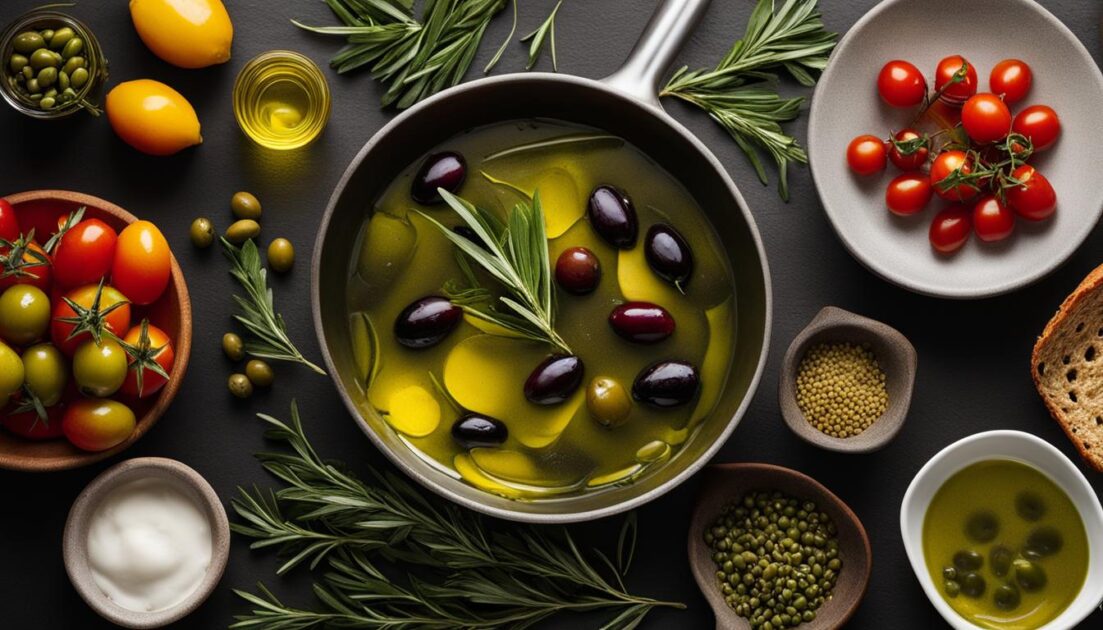
Olive oil, often dubbed “liquid gold,” is a natural oil extracted from olives, the fruits of the olive tree (olea europaea). Its rich history, multifaceted utility, and numerous health benefits make it an indispensable staple in kitchens across the globe.
Olive oil is versatile in the kitchen, enhancing the flavors of salads, dressings, marinades, and dips. It can be used for sautéing, roasting, and frying, with different types like extra virgin, virgin, pure, and light each having distinct qualities and ideal uses.
Additionally, olive oil offers a range of health benefits, including reducing the risk of cardiovascular diseases, lowering cholesterol levels, and improving cognitive function. It is also known for its moisturizing and nourishing properties in skincare and hair care.
Key Takeaways:
- Olive oil is a versatile ingredient that enhances the flavors of various dishes.
- Different types of olive oil have distinct qualities and ideal uses.
- Olive oil offers numerous health benefits, including reducing the risk of cardiovascular diseases and improving cognitive function.
- It is also beneficial for skincare and hair care due to its moisturizing and nourishing properties.
- Choosing reputable brands and packaging is essential to ensure the quality of olive oil.
Types of Olive Oil and Their Uses
Olive oil, derived from the fruits of the olive tree, is categorized into different types based on production process and quality. Each type has its unique characteristics and ideal uses in cooking. Let’s explore the different types of olive oil and how to use them:
1. Extra Virgin Olive Oil
Extra virgin olive oil is the highest quality and most flavorful. It is extracted using cold-pressing, preserving the natural flavors and nutrients of the olives. With a low acidity level and intense fruity taste, it is best enjoyed by drizzling over finished foods to enhance their flavors. Extra virgin olive oil is perfect for salads, bruschetta, dips, and as a finishing touch to soups or grilled vegetables.
2. Virgin Olive Oil
Virgin olive oil has a slightly higher acidity level compared to extra virgin olive oil. It is a good choice for sautéing, roasting, and frying. Virgin olive oil adds a delicate flavor to dishes and can be used in marinades, dressings, and sauces.
3. Pure Olive Oil
Pure olive oil is a blend of virgin and refined olive oils. It has a milder flavor and higher smoke point, making it suitable for high-heat cooking methods like frying and baking. Pure olive oil can be used in a wide range of recipes, such as stir-fries, roasts, and baking.
4. Light Olive Oil
Contrary to its name, light olive oil refers to its mild flavor and not its calorie content. Light olive oil undergoes further refining, making it lighter in taste and color. It can be used for baking, where a more subtle flavor is desired, as well as for grilling and sautéing.
These different types of olive oil offer various flavors and characteristics, allowing you to experiment and find the perfect match for your culinary creations. Now, let’s explore some delicious recipes featuring olive oil!
Olive Oil Health Benefits
Olive oil is not only a delicious addition to your meals but also a powerful ally for your health. Regular consumption of olive oil has been linked to several health benefits, making it a must-have in your pantry.
Olive oil is rich in monounsaturated fats, which are considered heart-healthy fats. These fats have been shown to help reduce the risk of cardiovascular diseases, such as heart attacks and strokes. They can also help improve cholesterol levels by raising the levels of “good” HDL cholesterol and lowering the levels of “bad” LDL cholesterol in your blood.
But the benefits of olive oil don’t stop there. It is also a rich source of antioxidants like vitamin E and polyphenols, which have powerful anti-inflammatory properties. Inflammation is a key driver of many chronic diseases, including heart disease, cancer, and metabolic syndrome. By reducing inflammation in the body, olive oil may help protect against these diseases and promote overall well-being.
Olive oil has also been associated with enhanced cognitive function. The antioxidants present in olive oil can help protect brain cells from oxidative stress, which is believed to contribute to age-related cognitive decline and neurodegenerative diseases like Alzheimer’s. Including olive oil in your diet may support brain health and keep your mind sharp as you age.
Another notable benefit of olive oil is its potential for weight management. Despite being high in calories, olive oil has been found to induce a feeling of fullness and aid in appetite control. This can help prevent overeating and contribute to maintaining a healthy weight.
Additionally, the antioxidants present in olive oil have shown promise in fighting against certain types of cancer. They can help neutralize harmful free radicals in the body, reducing the risk of DNA damage and cell mutation that can lead to the development of cancer.
Olive oil’s antioxidant content also plays a role in slowing down the aging process. Free radicals can contribute to skin aging, causing wrinkles, dryness, and loss of elasticity. The antioxidants in olive oil help protect the skin from these damaging effects, keeping it moisturized, supple, and youthful-looking.
Health Benefits of Olive Oil Summary:
- Reduces the risk of cardiovascular diseases
- Improves cholesterol levels
- Enhances cognitive function
- Aids in weight management
- Potential in fighting certain cancers
- Slows down the aging process
With its myriad of health benefits, incorporating olive oil into your diet and daily routine is a simple and effective way to prioritize your well-being.
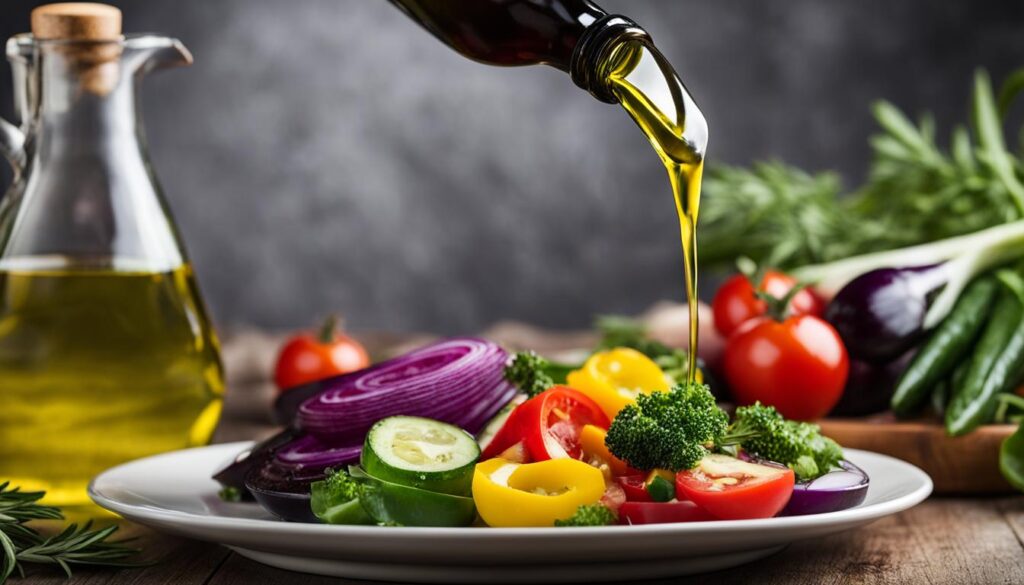
How Olive Oil is Produced
Producing olive oil involves a meticulous process that transforms olives into the golden elixir we know and love.
First, the olives are carefully harvested and sorted, ensuring only the best fruits are used in the production. This selection process guarantees the quality and flavor of the final product.
Once the olives are collected, they undergo a series of steps to extract the oil. The most common method is cold-pressing, a process that utilizes mechanical pressure to extract the oil from the olives without the use of heat or chemicals. This method is crucial for obtaining high-quality extra virgin olive oil, which is widely regarded as the finest olive oil variety.
The cold-pressing process starts by crushing the olives into a paste, which is then spun or pressed to separate the oil from the solids. The resulting olive paste is then churned to extract the oil and separate it from water and impurities.
After extraction, the oil goes through filtration and settling processes to remove any remaining impurities and sediment. This ensures that the final product is clear, smooth, and free of debris.
Finally, the oil is carefully bottled, preserving its freshness, flavor, and nutritional properties. The olive oil is now ready to be enjoyed in a variety of culinary creations, enriching dishes with its distinct taste and health benefits.
How to Choose Olive Oil and Packaging
When it comes to selecting olive oil, it is crucial to make informed choices that ensure both quality and authenticity. By following a few key guidelines, you can confidently choose the right olive oil for your culinary needs.
Types of Olive Oil
Understanding the different types of olive oil available is crucial in making an informed decision. Here are the main categories:
- Extra Virgin Olive Oil (EVOO): This is the highest quality olive oil, extracted from the first cold-pressing of olives. It is free from any chemical treatment and has the most delicate flavors and aromas.
- Virgin Olive Oil: Like EVOO, virgin olive oil is extracted without any heat or chemicals. However, it has a slightly higher acidity level and less pronounced flavors compared to extra virgin olive oil.
- Pure Olive Oil: Also known as regular or simply olive oil, this type is a blend of both virgin and refined olive oils. It undergoes chemical refining to remove any impurities and is suitable for general cooking purposes.
- Light Olive Oil: Contrary to popular belief, “light” does not refer to the caloric content. Instead, light olive oil is a refined oil with a milder flavor, making it ideal for baking and dishes where the taste of olive oil should not overpower other ingredients.
When choosing olive oil, opt for extra virgin or virgin olive oil for maximum flavor and health benefits.
Key Considerations
Here are some important factors to keep in mind while selecting olive oil:
- Reputable Brands: Choose olive oil from reliable and well-established brands that adhere to strict quality standards. Look for brands with a good reputation for producing high-quality olive oil.
- Quality Indicators: Look for terms like “extra virgin” or “cold-pressed” on the label. These indicate superior quality and minimal processing.
- Certification Seals: Look for certification seals like the European Union PDO (Protected Designation of Origin) or PGI (Protected Geographical Indication). These seals ensure the authenticity and adherence to regional standards.
Packaging Matters
The packaging of olive oil plays a crucial role in maintaining its quality and freshness. Here’s what to look for:
The use of glass bottles is preferred as they help preserve the oil’s integrity. Dark-tinted glass provides additional protection by shielding the oil from exposure to light, preventing the degradation of flavors and nutrients over time. Glass bottles are also environmentally friendly and can be recycled easily.
| Type of Packaging | Advantages | Disadvantages |
|---|---|---|
| Glass Bottles | Preserves oil quality, protects from light exposure, eco-friendly, recyclable | More prone to breakage |
| Plastic Containers | Durable, lightweight, less prone to breakage | Not ideal for long-term storage, can affect oil quality over time |
| Tin Cans | Protects oil from light and oxidation, preserves quality | May impart a metallic taste to the oil, not environmentally friendly |
Interestingly, the packaging of olive oil can influence its flavor and shelf life. Therefore, opt for olive oil packaged in dark-tinted glass bottles for the highest quality and longevity.
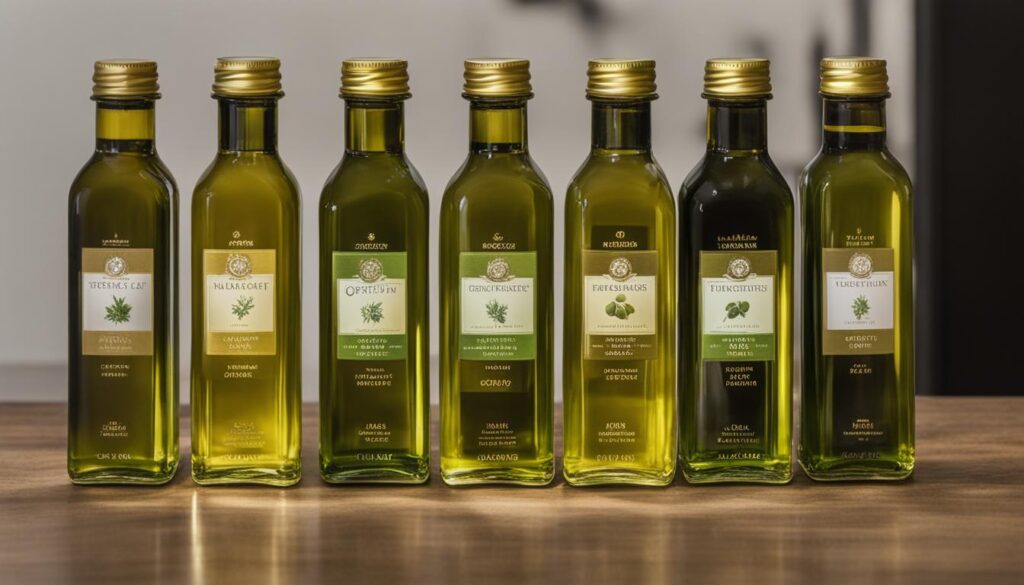
With these guidelines in mind, you can confidently select the right olive oil for your culinary adventures and savor the rich flavors and health benefits it has to offer.
Olive Oil for Beauty and Skincare
Olive oil has long been cherished as a valuable ingredient for skincare and haircare routines, thanks to its exceptional moisturizing and nourishing properties. Whether you’re looking to achieve supple skin or shiny, healthy hair, olive oil can be your go-to solution.
When it comes to skincare, olive oil acts as a natural moisturizer, leaving your skin feeling soft, supple, and hydrated. Its antioxidant content helps combat free radicals, reducing signs of aging and promoting a youthful complexion. Regular use of olive oil can improve the overall texture and appearance of your skin.
In the realm of haircare, olive oil is a versatile and effective ingredient. It has the power to repair damage, strengthen hair follicles, and add a brilliant shine to dull hair. Massaging olive oil into the scalp can alleviate dryness and dandruff, promoting a healthier scalp and nourished hair.
Homemade Beauty Recipes with Olive Oil
Explore the versatility of olive oil by incorporating it into homemade beauty recipes. Here are a few simple recipes to get you started:
- Olive Oil Facial Mask: Mix two tablespoons of olive oil with one tablespoon of honey. Apply the mixture to a clean face and leave it on for 15-20 minutes before rinsing with warm water. This mask will leave your skin feeling moisturized, refreshed, and radiant.
- Olive Oil Body Lotion: Combine equal parts of olive oil and shea butter in a blender until creamy. Apply the lotion all over your body, especially to areas prone to dryness. This homemade body lotion will deeply hydrate and nourish your skin.
- Olive Oil Hair Mask: Mix two tablespoons of olive oil with one mashed avocado. Apply the mask to damp hair, focusing on the ends. Leave it on for 30 minutes, then rinse thoroughly. This hair mask will revitalize dry, damaged hair and restore its natural shine.
Olive Oil Benefits for Beauty and Skincare
| Benefit | Description |
|---|---|
| Moisturizes Skin | Olive oil acts as a natural moisturizer, leaving the skin supple and hydrated. |
| Combats Aging | The antioxidant content of olive oil helps reduce signs of aging, promoting a youthful complexion. |
| Repairs Hair Damage | Olive oil can repair damaged hair, leaving it stronger and healthier. |
| Alleviates Dryness and Dandruff | Massaging olive oil into the scalp can alleviate dryness and combat dandruff. |
| Aids in Homemade Beauty Recipes | Olive oil is a versatile ingredient in homemade facial masks, body lotions, and hair masks. |
Embrace the wonderful properties of olive oil and incorporate it into your skincare and haircare routines. Experience the transformative effects of this natural ingredient and unlock the true potential of your beauty regime.
Medicinal Uses of Olive Oil
Olive oil has been a staple in traditional medicine for centuries, valued for its medicinal properties and therapeutic benefits. The anti-inflammatory properties of olive oil make it a natural remedy for various ailments, with its healing abilities extending beyond the kitchen. Here are some of the medicinal uses of olive oil:
Soothing Burns and Reducing Inflammation
Olive oil has long been recognized for its ability to soothe minor burns and reduce inflammation. Its moisturizing properties create a protective barrier on the skin, promoting the healing process and relieving discomfort. When applied to burns, olive oil helps alleviate pain and prevents the formation of blisters. Its anti-inflammatory compounds work to reduce redness and swelling, aiding in the recovery of damaged skin.
Relieving Discomfort from Arthritis
The anti-inflammatory properties of olive oil also make it beneficial for individuals suffering from arthritis. Regular consumption of olive oil, both internally and externally, has been shown to reduce inflammation and alleviate joint pain. Massaging olive oil into affected areas can provide relief and improve mobility. The antioxidants present in olive oil help neutralize free radicals, which contribute to the inflammation and damage associated with arthritis.
Improving Digestion and Gastrointestinal Health
Olive oil is believed to aid in digestion and promote gastrointestinal health. It can help alleviate symptoms of indigestion and heartburn by coating the digestive tract, reducing irritation, and facilitating the movement of food through the intestines. Olive oil also stimulates the production of bile, which aids in the breakdown and absorption of fats. Additionally, its anti-inflammatory properties can help soothe the lining of the stomach and intestines, reducing inflammation and promoting overall digestive wellness.
Enhancing Wound Healing
When applied topically, olive oil can promote wound healing by providing moisture to the skin and enhancing collagen production. Its antimicrobial properties help protect against infection, while its antioxidant content supports cellular repair and regeneration. Olive oil also contains vitamins E and K, which play a crucial role in wound healing by promoting blood clotting and reducing inflammation.
Promoting Cardiovascular Health
The consumption of olive oil has been associated with numerous cardiovascular benefits. Its high content of monounsaturated fats and antioxidants can help lower blood pressure, reduce LDL cholesterol levels, and improve overall heart health. The anti-inflammatory properties of olive oil contribute to the prevention of cardiovascular diseases, such as heart attacks and strokes.
Benefits of Extra Virgin Olive Oil
When it comes to olive oil, extra virgin olive oil stands out as the highest quality option, offering a multitude of enhanced health benefits. Not only does it contain a higher amount of antioxidants, vitamins, and minerals compared to other types of olive oil, but it also possesses a powerful phenol compound called oleocanthal. This compound acts as an anti-inflammatory agent, reducing the risk of strokes and other inflammatory conditions.
One of the notable benefits of extra virgin olive oil is its ability to help lower “bad” LDL cholesterol levels. The monounsaturated fats present in extra virgin olive oil have been shown to improve cholesterol levels and reduce the risk of heart disease. Incorporating extra virgin olive oil into a balanced diet can contribute to a healthier cardiovascular system.
Controlling high blood pressure and blood sugar levels is also among the benefits offered by extra virgin olive oil. Several studies have demonstrated the positive effects of this natural oil on blood pressure and blood sugar regulation. Including extra virgin olive oil in your diet can support overall blood pressure management and help maintain stable blood sugar levels.
“Extra virgin olive oil, with its array of health-enhancing properties, is a precious addition to any diet. Its rich taste, numerous health advantages, and versatile use in cooking make it a staple in my kitchen.”
– Chef Maria Sanchez
As an antioxidant powerhouse, extra virgin olive oil plays a vital role in promoting overall health and well-being. Its antioxidant properties help combat oxidative stress and reduce cellular damage caused by free radicals. Regular consumption of extra virgin olive oil has been associated with a lower risk of chronic diseases, including certain types of cancer, cardiovascular diseases, and neurodegenerative disorders.
To summarize:
| Benefits | Extra Virgin Olive Oil | Other Types of Olive Oil |
|---|---|---|
| Higher antioxidant content | ✓ | |
| Anti-inflammatory properties | ✓ | |
| Lower “bad” LDL cholesterol levels | ✓ | |
| Control high blood pressure and blood sugar levels | ✓ | |
| Reduced risk of chronic diseases | ✓ |
With its exceptional nutritional profile and therapeutic properties, extra virgin olive oil is truly a remarkable culinary ingredient for improving health and creating delicious dishes.
Incorporating Olive Oil into Your Lifestyle
There are numerous ways to incorporate olive oil into your daily life. Whether you enjoy cooking, taking care of your skin and hair, or exploring natural remedies, olive oil can be a versatile and beneficial addition.
In the Kitchen
One of the most common and delicious ways to utilize olive oil is in the kitchen. Its unique flavor profile and health benefits make it a favorite among chefs and home cooks alike.
- Use olive oil for cooking, whether it’s sautéing vegetables, roasting meats, or frying your favorite dishes.
- Create flavorful salad dressings by combining olive oil with vinegar or citrus juices.
- Marinate meats and vegetables in olive oil to infuse them with rich, savory flavors.
- Substitute butter or vegetable oils with olive oil in your recipes for a healthier alternative.
Skincare and Haircare
Olive oil’s moisturizing and nourishing properties make it a wonderful addition to your skincare and haircare routines.
- Experiment with homemade facial masks using olive oil, honey, and other natural ingredients to nourish and hydrate your skin.
- Create your own body lotions by mixing olive oil with essential oils or cocoa butter for a luxurious moisturizing experience.
- Revitalize your hair by using olive oil as a hair mask or scalp treatment to repair damage, add shine, and alleviate dryness.
Medicinal Uses
Beyond its culinary and beauty benefits, olive oil has also been used for its medicinal properties.
- Soothe minor burns by gently applying olive oil to the affected area to help reduce discomfort and promote healing.
- Experience the anti-inflammatory properties of olive oil by incorporating it into your diet or using it topically to reduce inflammation.
Olive oil possesses diverse uses that extend beyond its well-known culinary applications. From enhancing flavors in the kitchen to nourishing your skin and hair, and even soothing burns, olive oil truly has remarkable versatility. By incorporating olive oil into your lifestyle, you can benefit from its natural goodness and enjoy the many ways it can enhance your well-being.
So, why not start incorporating olive oil into your life today? Unlock its full potential and discover the countless ways it can enrich your daily routines.
| Benefits of Incorporating Olive Oil into Your Life | Ways to Incorporate Olive Oil |
|---|---|
| Enhances flavors in a wide range of dishes | Cooking and dressing salads |
| Moisturizes and nourishes the skin | Skincare and homemade facial masks |
| Strengthens and adds shine to hair | Haircare and scalp treatments |
| Offers natural anti-inflammatory properties | Medicinal uses for reducing inflammation and soothing burns |
Conclusion: The Versatility and Benefits of Olive Oil
Olive oil is a true powerhouse when it comes to versatility and benefits. Whether you’re in the kitchen, bathroom, or seeking natural remedies, olive oil has got you covered. With its long history, diverse flavors, and numerous health-promoting properties, it’s no wonder that olive oil has become a staple in households all over the world.
When it comes to cooking, olive oil can enhance the flavors of a wide range of dishes. It’s perfect for dressing salads, marinating meats, and adding a touch of richness to dips and sauces. Plus, with the different types of olive oil available, such as extra virgin, pure, and light, you can choose the one that best suits your culinary needs.
Not only is olive oil a culinary delight, but it also offers incredible benefits for your beauty and well-being. From moisturizing your skin to nourishing your hair, olive oil can do wonders. Its natural moisturizing properties leave your skin feeling supple and hydrated, while its antioxidants combat free radicals and promote a youthful complexion. And when it comes to haircare, olive oil can repair damage, strengthen follicles, and add a healthy shine.
But the benefits of olive oil don’t stop there. It also has medicinal uses, such as soothing minor burns and reducing inflammation. And let’s not forget about its role in promoting heart health, managing cholesterol levels, and even aiding weight management. With so many versatile uses, olive oil truly is a gift from nature that keeps on giving.
FAQ
How can olive oil be used in cooking?
Olive oil can be used for sautéing, roasting, and frying. It is also commonly used for dressing salads, marinades, and dips.
What are the different types of olive oil and their uses?
There are different types of olive oil, including extra virgin, virgin, pure, and light. Extra virgin olive oil is best used for drizzling over finished foods, while virgin and pure olive oil are suitable for sautéing, roasting, and frying. Light olive oil has a milder flavor and can be used for baking.
What are the health benefits of olive oil?
Olive oil has several health benefits, including reducing the risk of cardiovascular diseases, lowering cholesterol levels, improving cognitive function, and aiding in weight management. It also has antioxidant properties that may help fight against certain cancers and mitigate the effects of aging.
How is olive oil produced?
Olive oil is produced by crushing olives into a paste and then extracting the oil through pressing or spinning. The cold-pressing method, without the use of heat or chemicals, results in high-quality extra virgin olive oil. The oil undergoes filtration and settling before being bottled for consumption.
How should I choose olive oil and packaging?
When choosing olive oil, look for reputable brands that adhere to strict quality standards. Terms like “extra virgin” or “cold-pressed” indicate superior quality. Certification seals like PDO or PGI ensure authenticity. Glass bottles, preferably dark-tinted, are preferred as they protect the oil from light exposure and preserve its integrity.
What are the beauty and skincare benefits of olive oil?
Olive oil is a natural moisturizer that leaves the skin supple and hydrated. Its antioxidant content helps combat free radicals, reducing signs of aging and promoting a youthful complexion. In hair care, olive oil can repair damage, strengthen hair follicles, and add shine to dull hair.
What are the medicinal uses of olive oil?
Olive oil has anti-inflammatory properties that make it useful for soothing minor burns, reducing inflammation, and easing discomfort caused by conditions like arthritis. It is also believed to aid in digestion and improve gastrointestinal health.
What are the benefits of extra virgin olive oil?
Extra virgin olive oil is of the highest quality and contains higher amounts of antioxidants, vitamins, and minerals compared to other types. It has been linked to reducing the risk of strokes and other inflammatory conditions, lowering LDL cholesterol levels, controlling blood pressure and blood sugar levels.
How can I incorporate olive oil into my lifestyle?
You can incorporate olive oil into your lifestyle by using it for cooking, dressing salads, marinating meats, and adding flavor to dishes. You can also experiment with homemade facial masks, body lotions, hair masks, and scalp treatments. Olive oil can also be used for its medicinal properties, such as soothing burns and reducing inflammation.
What are the versatile uses of olive oil?
Olive oil is versatile and can be used in cooking, skincare, haircare, and medicinal purposes. Its diverse flavors and health-promoting properties make it a must-have ingredient.


