
Titanium dioxide is a widely used white pigment in various industries such as coating, plastic, papermaking, printing ink, chemical fiber, rubber, and cosmetics. Understanding the titanium dioxide manufacturing process is essential for those interested in its production or usage. There are different methods to produce titanium dioxide, including the chloride process and the sulfuric acid method.
In the chloride process, crude titanium dioxide, such as rutile ore, is reacted with chlorine and carbon to produce titanium tetrachloride. The titanium tetrachloride is then condensed, purified, and vaporized before reacting with oxygen to produce titanium dioxide particles. These particles are separated from the chlorine gas, resulting in the production of titanium dioxide.
The sulfuric acid method involves reacting ground ilmenite and sulfuric acid to prepare soluble sulfate, which is then hydrolyzed to obtain titanium dioxide. This synthesized titanium dioxide is a high-performance white pigment known for its opacity, whiteness, and brightness.
Key Takeaways:
- The chloride process and the sulfuric acid method are two common methods of producing titanium dioxide.
- The chloride process involves reacting crude titanium dioxide with chlorine and carbon to produce titanium tetrachloride.
- Titanium tetrachloride is then condensed, purified, vaporized, and reacted with oxygen to produce titanium dioxide particles.
- The sulfuric acid method involves reacting ground ilmenite with sulfuric acid to obtain soluble sulfate, which is then hydrolyzed to produce titanium dioxide.
- Titanium dioxide is known for its opacity, whiteness, and brightness, making it a valuable white pigment in various industries.
Titanium Dioxide Properties and Uses
Titanium dioxide is highly valued for its unique properties and finds wide-ranging applications in various industries. Its distinct characteristics make it an essential ingredient in numerous products.
Properties of Titanium Dioxide
Titanium dioxide exhibits several properties that contribute to its versatility and desirability:
- High refractive index: Titanium dioxide has a high refractive index, which means it has exceptional light-scattering capabilities. This property gives it a brilliant white color, making it an ideal pigment for paints, plastics, and paper.
- Opacity: The excellent opacity of titanium dioxide enhances its ability to provide coverage and hide underlying surfaces. This quality makes it an effective pigment for achieving vibrant and consistent colors in various applications.
- Chemical inertness: Titanium dioxide is chemically inert, meaning it does not easily react with other substances. This property makes it suitable for use in coatings and cosmetics, where stability and compatibility are crucial.
- UV masking properties: Titanium dioxide possesses good UV masking properties, making it an essential component in sunscreens and other sun protection products. It helps protect the skin by reflecting and scattering harmful UV rays.
Uses of Titanium Dioxide
The unique properties of titanium dioxide enable its extensive use across various industries:
- Paints and coatings: Titanium dioxide is a key ingredient in paints, providing opacity, color stability, and weather resistance. It enhances the durability and appearance of coatings used on surfaces ranging from buildings to automobiles.
- Plastics: Titanium dioxide is widely utilized in the plastics industry for its high opacity and ability to improve the brightness and color of plastic products. It finds applications in everything from packaging materials to automotive components.
- Paper: Titanium dioxide is added to paper to enhance its whiteness and opacity, resulting in brighter and more vibrant printed materials.
- Cosmetics: Titanium dioxide is commonly used in cosmetics for its opacifying and UV blocking properties. It can be found in various products such as foundations, powders, lipsticks, and sunscreens.
- Textiles: Titanium dioxide is employed in the textile industry to enhance the whiteness and brightness of fabrics. It is often used in the production of fibers, yarns, and clothing.
- Ceramics: Titanium dioxide is utilized in ceramic glazes to achieve vibrant and consistent colors. It enhances the appearance and durability of ceramic products such as tiles, tableware, and sanitaryware.
Overall, titanium dioxide plays a critical role in a wide range of industries, thanks to its exceptional properties. Its use as a pigment and UV blocker makes it an indispensable component in numerous everyday products.
| Industry | Applications |
|---|---|
| Paints and coatings | Architectural coatings, automotive paints, industrial coatings |
| Plastics | Packaging materials, automotive components, consumer goods |
| Paper | Printing papers, coated papers, specialty papers |
| Cosmetics | Foundations, powders, lipsticks, sunscreens |
| Textiles | Fibers, yarns, clothing |
| Ceramics | Tiles, tableware, sanitaryware |
DIY Titanium Dioxide: Homemade Recipe
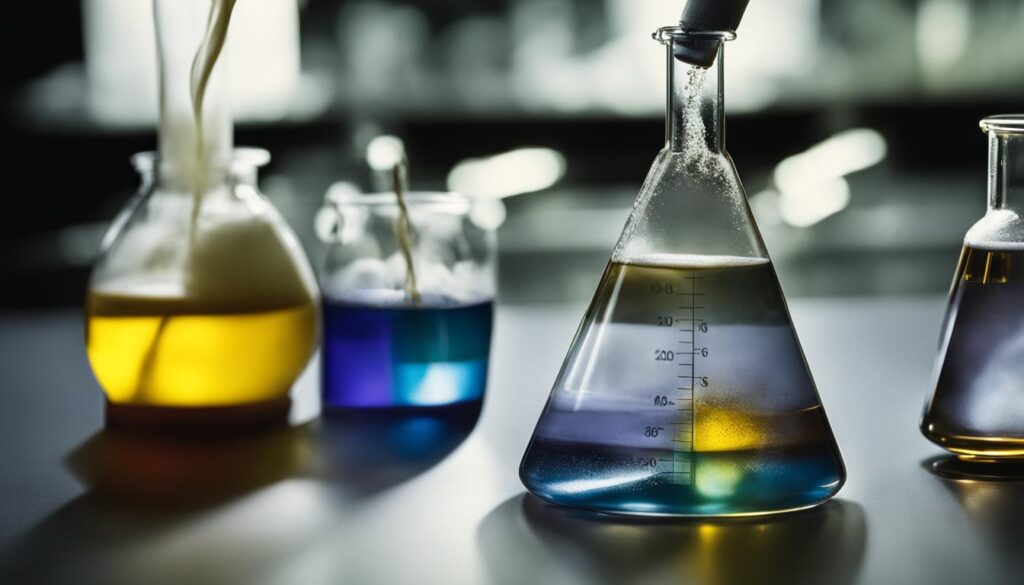
Although titanium dioxide is primarily produced on an industrial scale, it is possible to make it at home using simple ingredients. One common method involves combining titanium dioxide powder with a carrier oil or glycerin to create a mixture. This mixture can be added to cold process or melt-and-pour soap to achieve desired color variations. The amount of titanium dioxide used will depend on the desired shade and the type of soap being made. It is important to note that homemade titanium dioxide may not have the same performance as commercially produced titanium dioxide, but it can still provide satisfactory results for certain applications.

Creating titanium dioxide at home opens up possibilities for customization and experimentation in soapmaking. By incorporating homemade titanium dioxide, crafters can achieve unique colors and effects that suit their preferences. This DIY approach allows for greater control over the final product, enabling soapmakers to explore their creativity and produce personalized items.
Homemade Titanium Dioxide Recipe
If you’re interested in making your own titanium dioxide, follow the simple recipe below:
- Combine 1 tablespoon of titanium dioxide powder with 1 teaspoon of carrier oil or glycerin in a small bowl or container. Mix well until a smooth paste is formed.
- Add the titanium dioxide paste to your cold process or melt-and-pour soap base, starting with a small amount. Mix thoroughly to distribute the color evenly. Adjust the amount of titanium dioxide according to the desired shade. Remember that a little goes a long way, as titanium dioxide is highly concentrated.
- Proceed with the soapmaking process as usual, following your chosen method. You can use molds, swirl the soap, or experiment with different designs to create unique patterns and textures.
- Allow the soap to cure according to the recommended time frame for your chosen method. This allows the soap to harden and fully develop its desired scent and properties.
- Once cured, your homemade titanium dioxide soap is ready for use. Enjoy the satisfaction of knowing that you have created a one-of-a-kind product with your own hands.
Remember, while homemade titanium dioxide can be a fun and rewarding addition to your soapmaking journey, it may not exhibit the same performance as commercially produced titanium dioxide. If you require specific characteristics or professional-grade results, it is recommended to opt for commercially available titanium dioxide.
Adding Titanium Dioxide to Soap
When it comes to adding titanium dioxide to soap, the process may vary depending on the type of soap and the desired effect. Whether you’re creating cold process soap or melt-and-pour soaps, titanium dioxide can be incorporated to achieve different color variations and enhance the overall appearance.
Adding Titanium Dioxide to Cold Process Soap
For creating pure white soap or lightening other colors into pastel shades, it is recommended to use approximately 1/2 teaspoon of titanium dioxide per pound of fat in cold process soap. This dosage helps to achieve the desired effect without overpowering the soap’s original colors. To incorporate titanium dioxide into cold process soap, it can be added during the trace stage or at the beginning of the soapmaking process.
Adding Titanium Dioxide to Melt-and-Pour Soap
Melt-and-pour soaps require less titanium dioxide compared to cold process soap. Generally, it is advised to use around 1/16 to 1/8 teaspoon of titanium dioxide per pound of soap base. To create a smooth mixture that can be easily blended with the soap base, stir 1 part titanium dioxide into 3 parts warm carrier oil until a uniform white color is achieved. This titanium dioxide-oil mixture can then be added to melted glycerin soap to create a white soap base.
When incorporating titanium dioxide into soap, it is essential to ensure thorough and even distribution of the pigment to avoid clumps and uneven coloring. Proper blending techniques and adequate mixing will help achieve a uniform appearance.

By adding titanium dioxide to soap, you can create visually appealing products with enhanced color effects. Whether you’re looking to achieve pure white soap or customize colors to your liking, titanium dioxide offers versatility and flexibility for your soapmaking endeavors.
Safety Considerations of Titanium Dioxide in Cosmetics
When it comes to the use of titanium dioxide in cosmetics, safety is a paramount concern. Fortunately, regulatory bodies such as the US Food and Drug Administration (FDA) have deemed titanium dioxide safe for use in cosmetics. As a result, this versatile white pigment is widely utilized in various cosmetic products, including soaps, makeup, and toothpaste.
However, there are certain safety considerations associated with the use of titanium dioxide, particularly in the form of extremely fine nanoparticles. These nanoparticles have the potential to cause skin and lung damage, making it crucial to exercise caution and take appropriate measures.
The risk of adverse effects from titanium dioxide nanoparticles primarily arises from long-term exposure in occupational settings rather than regular use by consumers. Individuals who work in industries involving titanium dioxide manufacturing or production, such as cosmetics manufacturing, may face a higher risk. In such cases, it is recommended to follow safety guidelines and regulations set forth by regulatory bodies.
For consumers concerned about the potential risks of nanoparticles, it is advisable to look for cosmetic products that offer a “no nanoparticle” guarantee or opt for alternative products that do not contain titanium dioxide altogether. This allows individuals to make informed choices regarding their personal safety and well-being.
The Importance of Safety in Cosmetics
Ensuring the safety of cosmetic products is of utmost importance, as they come into direct contact with our skin, hair, and even oral cavity. Regulatory bodies have established standards and guidelines to ensure the safety and quality of cosmetic products, including the use of ingredients like titanium dioxide.
“Safety should always be a top priority when it comes to cosmetic products. It is essential for manufacturers to comply with regulatory requirements and conduct thorough safety assessments to protect consumers.”
By adhering to these regulations and guidelines, manufacturers can provide consumers with confidence in the safety and efficacy of their products. It is crucial for both manufacturers and consumers to stay informed about potential risks and make well-informed decisions regarding the use of ingredients like titanium dioxide in cosmetic formulations.
Conclusion
Titanium dioxide, a versatile white pigment, is widely used across various industries for its exceptional opacity, whiteness, and brightness. This essential ingredient can be produced by different methods, whether through industrial-scale processes or homemade recipes.
When incorporating titanium dioxide into soap, the amount required depends on the type of soap and the desired effect. Whether you are making cold process soap or melt-and-pour soap, careful measurement ensures the desired shade is achieved.
Ensuring the safety of titanium dioxide is paramount in cosmetic applications. Regulatory bodies, such as the US FDA, deem it safe for consumer use. While concerns surround the use of nanoparticles, the associated risks are primarily related to long-term occupational exposure.
In summary, titanium dioxide is a valuable ingredient with diverse applications. Its exceptional properties and safe usage in consumer products make it a sought-after pigment in industries ranging from coatings, plastics, and cosmetics to papermaking, printing ink, and chemical fiber production.
FAQ
What is titanium dioxide?
Titanium dioxide is a white pigment widely used in various industries such as coating, plastic, papermaking, printing ink, chemical fiber, rubber, and cosmetics.
How is titanium dioxide manufactured?
Titanium dioxide can be produced through different methods, including the chloride process and the sulfuric acid method. The chloride process involves reacting a source of crude titanium dioxide with chlorine and carbon to produce titanium tetrachloride, which is then condensed, purified, and vaporized before reacting with oxygen to produce titanium dioxide particles. The sulfuric acid method involves reacting ground ilmenite with sulfuric acid to obtain soluble sulfate, which is then hydrolyzed to obtain titanium dioxide.
Can I make titanium dioxide at home?
Yes, it is possible to make titanium dioxide at home using simple ingredients. One common method involves combining titanium dioxide powder with a carrier oil or glycerin to create a mixture. This mixture can then be added to cold process or melt-and-pour soap to achieve desired color variations.
How do I add titanium dioxide to soap?
The amount of titanium dioxide required depends on the type of soap and the desired effect. For cold process soap, it is recommended to use approximately 1/2 tsp of titanium dioxide per pound of fat for a pure white color or to lighten other colors into pastel shades. Melt-and-pour soaps require less titanium dioxide, usually around 1/16 to 1/8 tsp per pound.
Is titanium dioxide safe to use in cosmetics?
Titanium dioxide is considered safe for use in cosmetics by regulatory bodies such as the US FDA. However, there are some concerns regarding the use of extremely fine nanoparticles of titanium dioxide, which could potentially cause skin and lung damage. The risk is mainly associated with long-term exposure in occupational settings rather than regular use by consumers.
What are the properties and uses of titanium dioxide?
Titanium dioxide has a high refractive index, excellent opacity, and good UV masking properties, making it an effective pigment in paints, plastics, paper, cosmetics, textiles, and ceramics. It is chemically inert and does not easily react with other substances, making it suitable for use in coatings and cosmetics.


