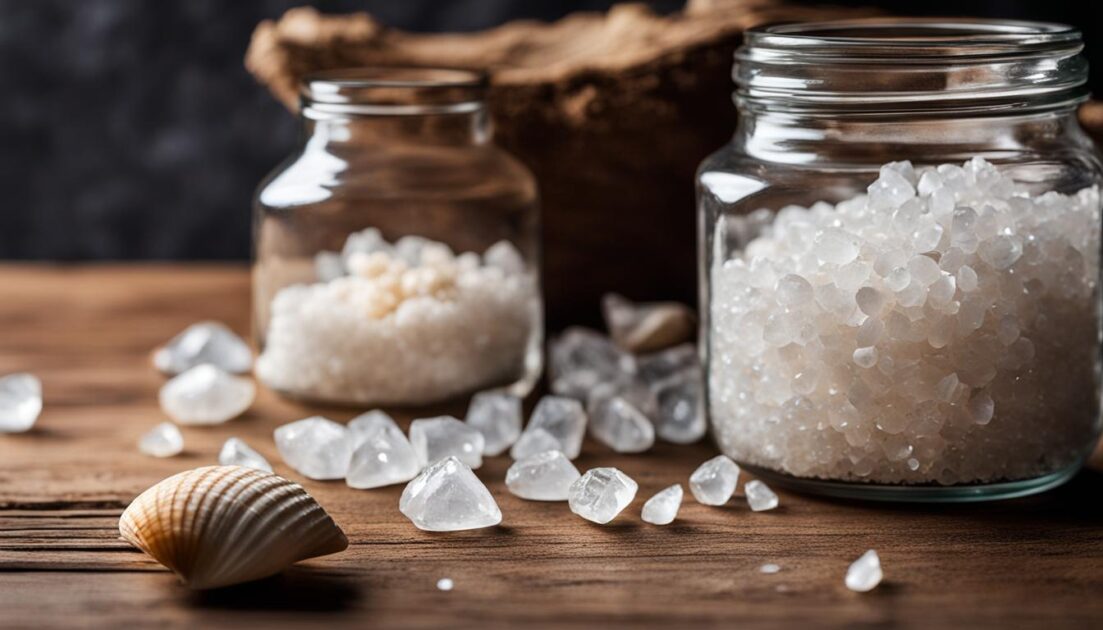
Making sea salt at home is a simple and rewarding process. By following a few easy steps, you can create your own natural sea salt. In this guide, I will walk you through the sea salt making process, providing you with a step-by-step recipe to create homemade sea salt.
Sea salt is a versatile ingredient that adds depth and flavor to a wide range of dishes. Whether you’re a cooking enthusiast or looking to incorporate healthier options into your diet, making homemade sea salt allows you to have complete control over the purity and quality of your salt.
Are you ready to embark on a culinary adventure? Let’s dive into the sea salt making process and discover the satisfaction of creating your own homemade sea salt!
Key Takeaways:
- Homemade sea salt is a simple and rewarding process.
- You can gather saltwater from the ocean or other salt-rich sources.
- Filtering the saltwater removes impurities and ensures purity.
- Boiling the saltwater evaporates the water, leaving behind salt crystals.
- Drying the salt thoroughly is crucial to prevent moisture and clumping.
Step 1: Gathering Saltwater
The first step in making sea salt is to gather a large amount of salty seawater. You can collect saltwater from the ocean or other salt-rich sources. It’s important to ensure that the water you collect is clean and free from pollution. This can be done by researching the pollution levels of the coast and choosing a location far from civilization. You can use buckets, milk jugs, or coolers to gather the saltwater.
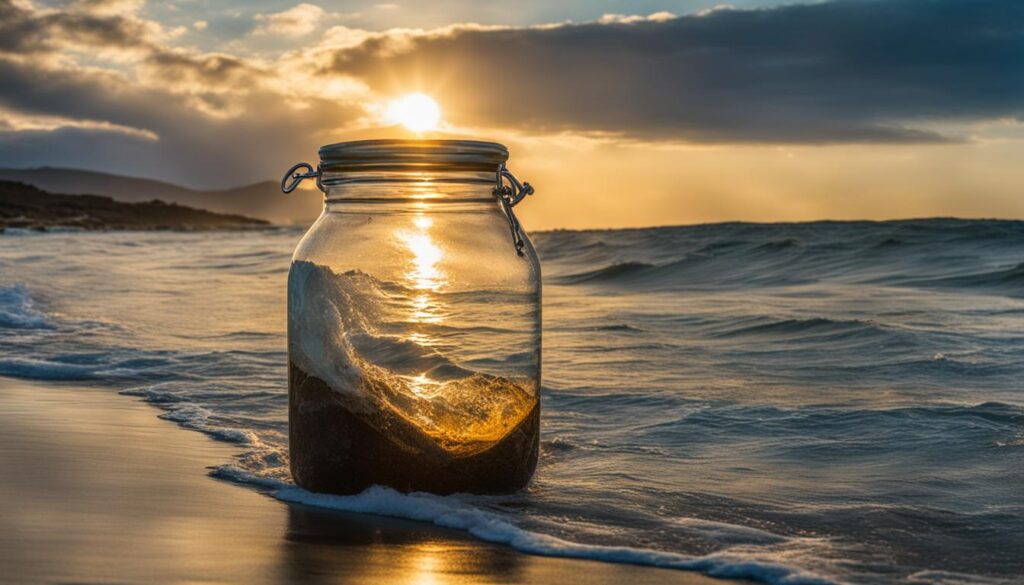
When gathering saltwater, it’s crucial to select a reliable saltwater source. Look for areas with minimal contamination and pollution. Avoid collecting water near industrial areas, ports, or sewage outlets. Opt for pristine coastal regions that have a low risk of pollution. Remember, the quality of the saltwater will directly impact the taste and purity of your homemade sea salt.
Pro tip: Check local regulations before collecting saltwater. Some areas may have restrictions on saltwater collection or require permits.
Types of Saltwater Sources
There are various sources where you can gather saltwater for making sea salt:
- Ocean: The vastness of the ocean provides a reliable and abundant source of saltwater. However, make sure to select an area away from heavy human activity and pollution.
- Coastal Inlets: Inlets, bays, and estuaries can also be excellent sources of saltwater. These areas often have a higher concentration of salt, resulting in flavorful sea salt.
- Saline Lakes: Some regions have saline lakes or salt pans where you can collect saltwater. These areas naturally have a high salt content and can yield unique flavors.
Equipment for Collecting Saltwater
To gather saltwater, you’ll need a few essential pieces of equipment:
- Buckets or Containers: Use durable buckets or containers with secure lids to collect and transport the saltwater.
- Jugs or Bottles: Alternatively, you can use milk jugs or large bottles with tight-fitting caps to gather the saltwater.
- Coolers: If you’re collecting saltwater in larger quantities, a cooler can be a practical option. It provides insulation and keeps the saltwater temperature stable during transportation.
Remember to label your containers and note the date and source of the saltwater. This information will come in handy during the salt-making process and when storing the final product.
Step 2: Filtering the Saltwater
After gathering the saltwater, it’s essential to remove any sediment and impurities to ensure the purity of your homemade sea salt. Filtering the saltwater is a crucial step in the sea salt making process.
Once you have gathered a sufficient amount of saltwater, allow it to sit undisturbed. During this time, any sediment and particles will settle at the bottom of the container.
Once the sediment has settled, you can proceed to filter the saltwater. There are a few methods you can use to remove the impurities:
- Using a sieve: Pour the saltwater through a fine mesh sieve to separate the liquid from the sediment. The sieve will catch any larger particles, leaving you with cleaner saltwater.
- Using a cloth: Another option is to pour the saltwater through a clean cloth. The cloth will act as a filter, trapping the sediment and allowing only the clear saltwater to pass through.
By filtering the saltwater, you remove any unwanted substances, ensuring that your homemade sea salt is pure and of high quality. This step is crucial for achieving the desired taste and texture in your final product.
Filtering the saltwater is essential to remove sediment and impurities, ensuring the purity of your homemade sea salt.
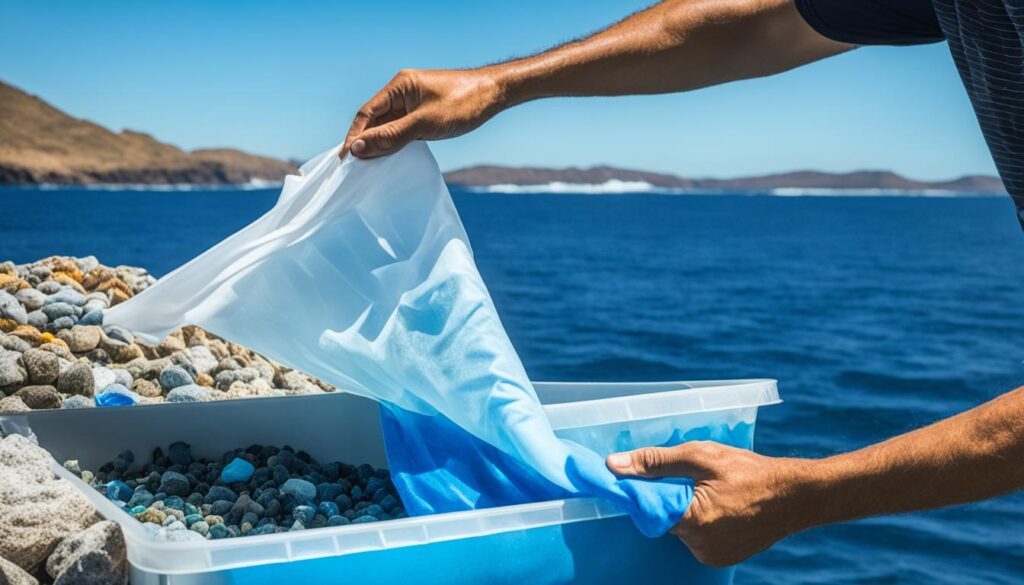
Example of Filtering Saltwater Process:
| Materials Needed: | Saltwater container | Fine mesh sieve or clean cloth | Extra container for collecting filtered saltwater | ||
|---|---|---|---|---|---|
| Steps: | 1. Allow the saltwater to sit undisturbed until sediment settles. | 2. Place the fine mesh sieve or clean cloth over the extra container. | 3. Slowly pour the saltwater through the sieve or cloth, allowing the liquid to pass through while trapping the sediment. | 4. Gently shake or tap the sieve or cloth to release any trapped saltwater. | 5. Discard the collected sediment and transfer the filtered saltwater to a clean container for further processing. |
Filtering the saltwater removes sediment and impurities, setting the stage for the next step in the sea salt making process.
Step 3: Boiling the Saltwater
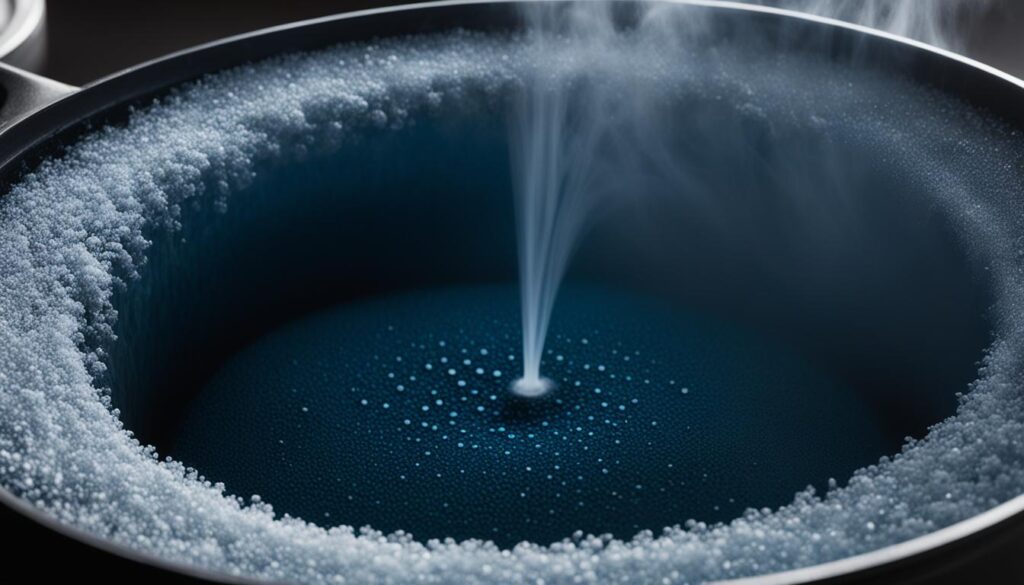
Now that we have filtered the saltwater, the next step is to boil it in order to evaporate the water and separate the salt crystals. This is a crucial step in the sea salt making process and there are different boiling methods that you can employ. Let’s explore these methods and find the one that works best for you.
Constant Boil Method
The constant boil method involves bringing the filtered saltwater to a boil and maintaining a vigorous boil throughout the process. Once you start to see salt forming, it’s important to keep stirring the water to ensure even evaporation. This method is efficient and can yield quick results.
Simmering Method
Another method you can use is the simmering method. Instead of maintaining a vigorous boil, you bring the saltwater to a low heat and let it simmer. This helps to prevent scorching and allows for a slower evaporation process. It’s important to monitor the heat and stir occasionally to ensure that the salt crystals are forming properly.
Pro Tip: Experiment with different boiling methods to find the one that suits your preferences and yields the desired results. The key is to maintain a balance between evaporation and crystal formation to ensure the best quality sea salt.
Keep in mind that the duration of boiling will vary depending on the amount of saltwater you are processing and the specific method you choose. Be patient and observe the water closely to determine when the evaporation process is complete.
Now that we have boiled the saltwater and evaporated the water, we are left with the precious salt crystals. The next step is to dry the salt and prepare it for harvesting and storage. Let’s move on to Step 4: Drying the Salt.
Step 4: Drying the Salt
Once the saltwater has been boiled down and the salt has reached the consistency of wet sand, it’s time to dry the salt. Drying the salt is an essential step in the sea salt making process as it helps evaporate the remaining moisture, leaving behind pure salt crystals.
To dry the salt, you can follow these simple techniques:
- Spread out the wet salt: Scoop the wet salt into a pan and spread it out in a thin layer. This allows for better airflow and even drying.
- Choose your drying method: You have a few options for drying the salt. You can place the pan in a sunny spot to take advantage of natural sunlight and speed up the drying process. Alternatively, you can use the lowest heat setting in your oven if you prefer a controlled environment.
- Allow the salt to dry completely: It’s important to be patient and give the salt enough time to dry thoroughly. Keep an eye on the salt and check for any remaining moisture. It should no longer feel wet or sticky to the touch when it is fully dried.
Drying the salt ensures that it is free from any remaining moisture, making it shelf-stable and ready to use as a delicious seasoning.
“The drying process is crucial in removing the last traces of moisture from the salt, ensuring its longevity and preserving its quality.” – Salt Enthusiast
Step 5: Harvesting and Storing the Sea Salt
Once the homemade sea salt has been dried to perfection, it’s time to harvest and store it for later use. Follow these simple steps to ensure that your homemade sea salt stays fresh and flavorful:
- Using a spatula or scraper, gently scrape the dried sea salt off the pan. Alternatively, you can break the dried salt into smaller pieces, making it easier to handle and store.
- Transfer the harvested sea salt into airtight containers to maintain its freshness. Spice jars or mason jars are excellent options for storing homemade sea salt.
- Ensure that the containers are clean and dry before filling them with the sea salt. Any moisture or impurities in the containers can affect the quality of the salt.
- Label the containers with the date of harvest to keep track of its freshness. Homemade sea salt can last for several months when stored properly.
Harvesting and storing your homemade sea salt allows you to enjoy its delicate flavor and unique texture whenever you desire. Whether you use it as a seasoning for your dishes or blend it with herbs and spices to create flavorful seasoning salts, homemade sea salt adds a touch of natural goodness to your culinary creations.
“Homemade sea salt is a labor of love that rewards you with exquisite flavors and the satisfaction of creating something truly special.” – [Author Name]
Benefits of Homemade Sea Salt
Making your own sea salt at home has numerous advantages compared to commercially made salt. Not only does it offer a unique and satisfying DIY experience, but it also provides several benefits for your health and the environment.
- Rich in Trace Minerals: Homemade sea salt contains natural trace minerals and nutrients that are often stripped away during the refining process of table salt. These minerals, including magnesium, potassium, and calcium, can provide essential health benefits and enhance the flavor of your dishes.
- Control over Purity and Quality: By making homemade sea salt, you have complete control over the ingredients and process, ensuring the purity and quality of the final product. You can choose clean and pollutant-free saltwater sources and filter out any impurities, resulting in a purer and healthier salt.
- Sustainable Option: Making your own sea salt promotes sustainability and reduces reliance on store-bought, mass-produced salt. It allows you to minimize packaging waste and the carbon footprint associated with transportation. Additionally, you can harvest the salt in small batches, ensuring minimal impact on the environment.
By opting for homemade sea salt, you not only enhance the taste and quality of your cooking but also contribute to a more sustainable and healthier lifestyle.
Comparison between Homemade Sea Salt and Commercially Made Salt
| Factors | Homemade Sea Salt | Commercially Made Salt |
|---|---|---|
| Trace Minerals and Nutrients | Rich in natural trace minerals and nutrients due to minimal processing and refining. | May lack or have reduced levels of trace minerals due to extensive processing and refining. |
| Purity and Quality Control | Complete control over the sourcing, filtering, and purity of the salt. | Subject to potential impurities and additives during the commercial manufacturing process. |
| Environmental Impact | More sustainable option with reduced carbon footprint and packaging waste. | Higher carbon footprint due to mass production and transportation. |
“Homemade sea salt offers a satisfying DIY experience, rich in trace minerals and nutrients, while promoting sustainability and control over the salt’s purity and quality.”
Explore Different Varieties of Sea Salt
Now that you have mastered the basic sea salt making process, it’s time to take your homemade salt to the next level. Why settle for plain sea salt when you can explore a world of flavors and varieties? By infusing your sea salt with different ingredients, you can create unique and delicious flavored sea salts that will elevate your dishes and delight your taste buds.
One popular option is to add citrus flavors to your sea salt. Combine your homemade salt with freshly squeezed lemon or lime juice for a refreshing and tangy flavor. The bright citrus notes will bring a burst of freshness to seafood dishes, salads, and vegetable stir-fries. For a twist, you can also try infusing your sea salt with the zest of oranges or grapefruits for a sweet and aromatic touch.
If you’re a fan of bold and complex flavors, consider creating infused sea salts. Experiment with spices like smoked paprika, chipotle chili powder, or cumin to add a smoky and robust taste to your salt. You can also try infusing your sea salt with dried herbs like rosemary, thyme, or lavender for a fragrant and herbaceous seasoning. The possibilities are endless, so let your creativity guide you in creating your own custom-infused sea salt blends.
FAQ
How do I make sea salt at home?
Making sea salt at home is a simple process. You gather saltwater, filter out impurities, boil the saltwater to evaporate the water, dry the salt, and then harvest and store it.
What can I use to gather saltwater?
You can use buckets, milk jugs, or coolers to gather saltwater from the ocean or other salt-rich sources.
How do I filter the saltwater?
After letting the saltwater sit and allowing sediment to settle, you can filter it using a sieve or a cloth to remove any remaining impurities.
What are the different boiling methods for saltwater?
There are two common methods: constant boil, where you stir the water once salt starts forming, and simmering at a low heat to prevent scorching. Experiment with both methods to find the one that works best for you.
How long does it take for the salt to dry?
The drying process can vary depending on the method used and the humidity in your area. It generally takes a few hours to a few days for the salt to dry completely.
How do I harvest and store the homemade sea salt?
Once the salt is dry, you can scrape it off the pan or break it into smaller pieces. Store the sea salt in airtight containers like spice jars or mason jars to keep it fresh.
What are the benefits of homemade sea salt?
Homemade sea salt contains trace minerals and nutrients that are not present in refined table salt. It also allows you to control the purity and quality of the salt, making it a more natural and sustainable option.
Can I add flavors to my homemade sea salt?
Yes, you can add flavors by combining the salt with ingredients like lemon juice or bourbon. Experiment with different herbs, spices, and seasonings to create your own custom sea salt blends.


