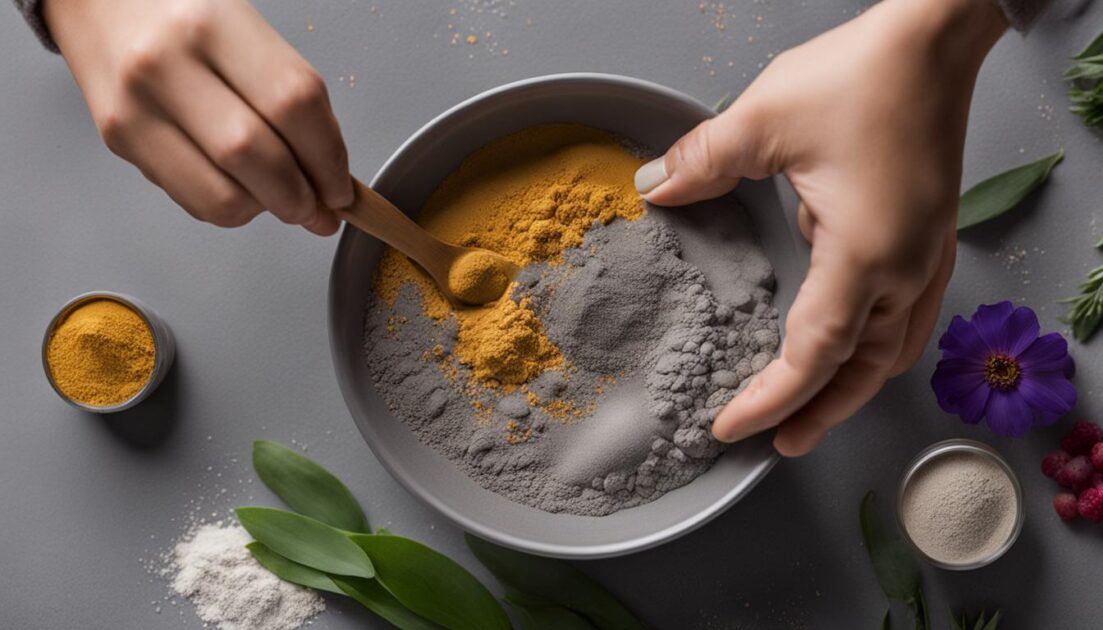
Have you heard about the benefits of using bentonite clay in your skincare routine? Bentonite clay has gained popularity for its ability to absorb toxins, unclog pores, and leave your skin refreshed and rejuvenated. If you’re looking to incorporate this natural ingredient into your beauty routine, I’ve got you covered with a DIY guide on how to make bentonite clay at home.
Creating your own bentonite clay is easier than you might think. With just a few simple ingredients and some basic instructions, you can make your own batch of this effective skincare ingredient. Let’s dive into the step-by-step process of making bentonite clay from scratch.
Key Takeaways:
- Making bentonite clay at home is a simple and rewarding process.
- By following the DIY recipe, you can create a natural and effective skincare product.
- Bentonite clay offers numerous benefits for the skin, including detoxification and pore cleansing.
- Always be cautious and take necessary precautions when using bentonite clay.
- Experiment with different combinations to find what works best for your skin.
What is Bentonite Clay?
Bentonite clay is a type of clay mineral that is known for its unique properties. It is composed mainly of silicon, aluminum, and water, but can also contain other elements. Unlike other clay minerals like kaolinite and illite, bentonite clay has a variable crystal structure and composition. It is hydrous, meaning it contains water as part of its crystal structure.
Bentonite clay is commonly used in DIY skincare and beauty products due to its ability to absorb water and exchange ions.
The Composition of Bentonite Clay
The composition of bentonite clay can vary, but it typically consists of the following components:
- Silicon
- Aluminum
- Water
- Other trace elements
| Component | Percentage |
|---|---|
| Silicon | 55-70% |
| Aluminum | 10-30% |
| Water | 3-15% |
| Other trace elements | 1-8% |
Source: Clay and Clay Minerals
Bentonite clay’s unique composition gives it the ability to absorb water and exchange ions, making it a valuable ingredient in various skincare and beauty products.
Clay Minerals: Kaolinite and Illite
There are other clay minerals that are commonly found alongside bentonite clay, such as kaolinite and illite. These minerals have different crystal structures and compositions compared to bentonite clay.
Kaolinite is a type of clay mineral that is composed of aluminum, silicon, and oxygen. It is known for its high levels of purity and is commonly used in the production of ceramics and paper.
Illite is another clay mineral that is composed of aluminum, silicon, oxygen, and water. It is often found in shale and is used in various industries, including drilling fluids for oil and gas exploration.
Unlike kaolinite and illite, bentonite clay’s variable composition and crystal structure give it unique properties that make it ideal for skincare and beauty applications.
Benefits of Bentonite Clay
Bentonite clay, with its unique properties, offers a wide range of benefits for the skin. Incorporating this natural ingredient into your skincare routine can help improve the overall health and appearance of your complexion.
1. Absorbs Toxins and Impurities
Bentonite clay has the remarkable ability to absorb toxins, impurities, and excess oil from the skin. When applied as a mask or scrub, it acts like a magnet, drawing out impurities and leaving your skin feeling clean and refreshed.
“Bentonite clay acts like a magnet, drawing out impurities and leaving your skin feeling clean and refreshed.”
2. Exfoliates and Unclogs Pores
Using bentonite clay can also help exfoliate dead skin cells and unclog pores. The tiny particles in the clay gently slough away dull, dead skin cells, revealing a smoother and clearer complexion. It also helps to remove dirt and debris trapped in the pores, reducing the appearance of blackheads and breakouts.
3. Soothes and Calms Irritated Skin
Bentonite clay possesses soothing and anti-inflammatory properties, making it an excellent choice for calming irritated skin. It can help reduce redness, soothe itchiness, and provide relief from inflammation caused by conditions such as acne, eczema, and sunburn.
4. Provides a Rejuvenated Appearance
Regular use of bentonite clay in your skincare routine can leave your skin feeling rejuvenated and revitalized. Its deep-cleansing and detoxifying properties help to balance the skin, leaving it looking fresh, smooth, and radiant.
5. Versatile Uses in Skincare
Bentonite clay can be used in various skincare products and DIY recipes. Besides masks and scrubs, it can be incorporated into cleansers, toners, and even hair care products. Its versatility allows you to customize your skincare routine according to your specific needs.
Experience the numerous benefits of bentonite clay by incorporating this natural ingredient into your skincare routine. Unlock the power of this remarkable clay and discover a healthier, glowing complexion.
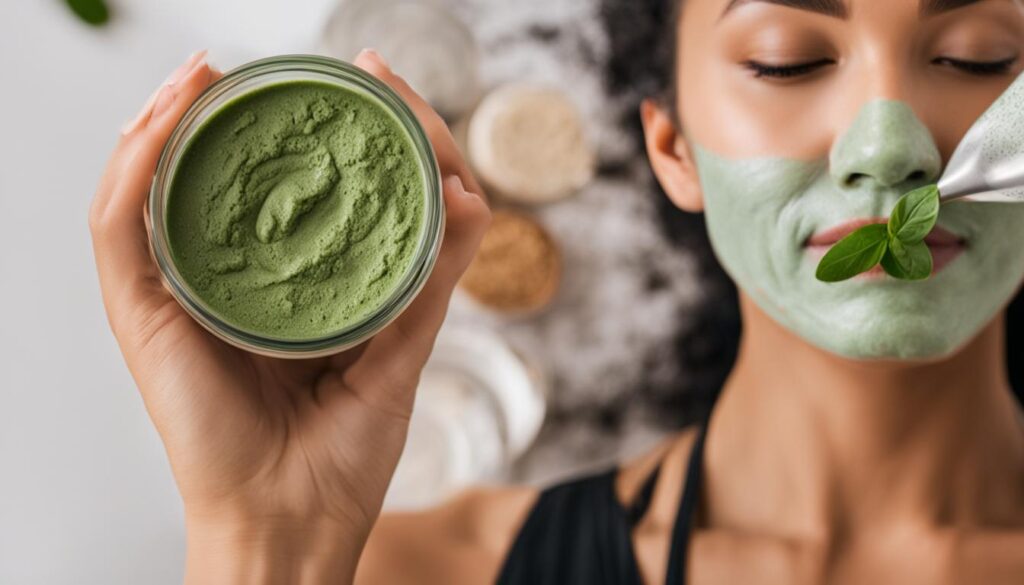
Ingredients for Making Bentonite Clay
Making bentonite clay at home is a simple process that requires just a few key ingredients. These ingredients are easily accessible and can be found at health food stores or purchased online. Here are the essential components needed to create your own bentonite clay:
- Bentonite clay powder: Bentonite clay powder is the main ingredient in making bentonite clay. It is a naturally occurring clay that is rich in minerals and has excellent absorption properties.
- Filtered water: Filtered water is necessary to mix with the bentonite clay powder. It is recommended to use filtered water to ensure the purity of the clay and to avoid any impurities or contaminants from tap water.
- Optional additions: Some recipes may call for the inclusion of essential oils or other natural ingredients to enhance the benefits of the bentonite clay. These additions can provide additional skincare benefits and customize the clay to suit specific needs.
Before starting the process of making your own bentonite clay, make sure you have all the necessary ingredients on hand. This ensures a smooth and hassle-free preparation process.
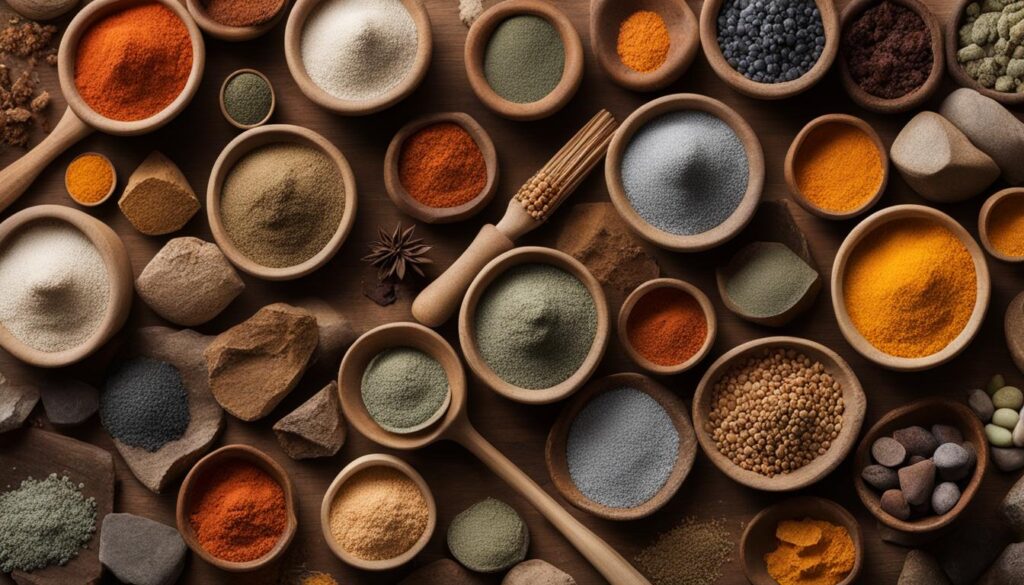
Why Bentonite Clay Powder?
“Bentonite clay powder is the key ingredient in creating your own bentonite clay at home. It is a versatile and effective skincare ingredient with excellent absorption properties.” – Expert Skincare Enthusiast
Filtered Water: The Secret to Pure Bentonite Clay
Using filtered water is essential in the process of making bentonite clay. Tap water can contain impurities and chemicals that may affect the quality and efficacy of the clay. By using filtered water, you ensure the purity and integrity of your homemade bentonite clay.
Customize Your Bentonite Clay with Optional Additions
While bentonite clay on its own is highly beneficial for the skin, you can further customize your homemade clay by adding essential oils or other natural ingredients. These additional components can provide specific skincare benefits and enhance the overall effectiveness of the clay.
Mixing Your Bentonite Clay
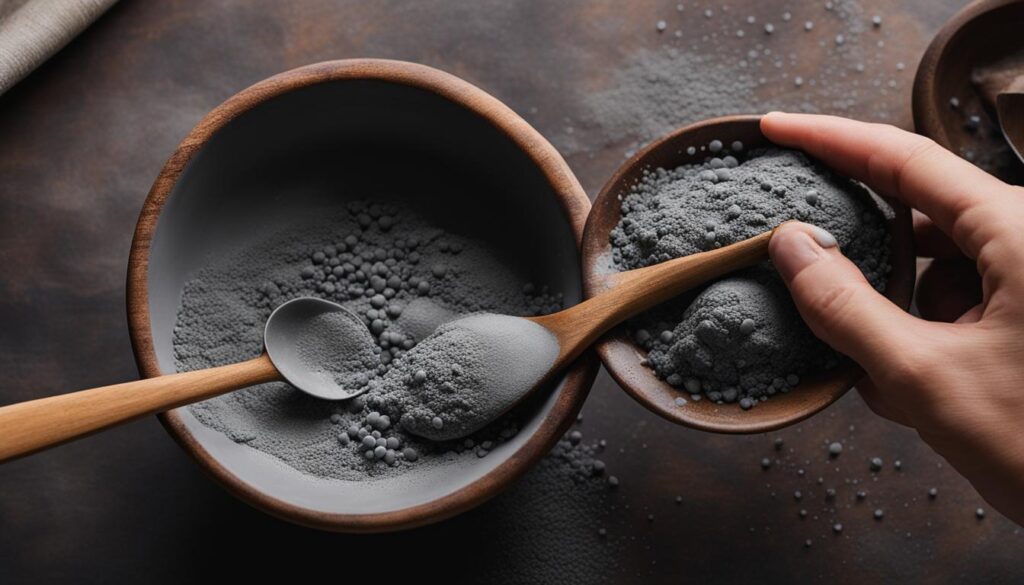
Now that you have your desired amount of clay powder, it’s time to mix it and prepare your homemade bentonite clay. Here are a few important instructions and tips to ensure the best results:
- Choose a Clean Bowl: Start by selecting a clean bowl or container to mix your clay powder. This will help avoid any contamination and ensure the purity of your homemade bentonite clay.
- Add Clay Powder: Measure out the desired amount of clay powder and add it to the clean bowl. Use a spoon or spatula to level the powder and create an even surface.
- Slowly Add Filtered Water: Gradually add small amounts of filtered water to the clay powder. Begin by pouring a little water and stirring it well. Repeat this process until you achieve a smooth and creamy consistency.
- Mix Thoroughly: Use a non-metal spoon or spatula to mix the clay powder and water together. Ensure that all the powder is incorporated and no lumps remain. Stir in a circular motion, making sure to reach the bottom and edges of the bowl.
- Achieve the Right Consistency: Be cautious not to add too much water, as this can make the clay too runny. Adjust the water-to-clay ratio as needed to achieve the desired texture. The ideal consistency is smooth and creamy, similar to a thick paste.
Remember, the final texture of your bentonite clay should be easy to apply and spread on your skin. The right mixing technique and water ratio will help you achieve the perfect consistency for optimal results.
Using Homemade Bentonite Clay
Once you have made your own bentonite clay, there are numerous ways you can incorporate it into your skincare routine. One popular method is to use it as a facial mask. Apply a thin layer of the clay to your face, avoiding the eye area, and leave it on for about 15-20 minutes. Rinse off with warm water and pat dry.
You can also mix the clay with other natural ingredients, such as honey or aloe vera gel, to create customized masks for different skincare needs. Experiment with different combinations and find what works best for your skin.
Bentonite clay is a versatile ingredient that can be used in various skincare recipes.
Here are some DIY bentonite clay masks you can try:
- Mix bentonite clay with honey and a few drops of lemon juice for a brightening and exfoliating mask.
- Combine bentonite clay with aloe vera gel and cucumber juice for a soothing and hydrating mask.
- Add bentonite clay to organic apple cider vinegar for a deep cleansing and detoxifying mask.
- Blend bentonite clay with mashed avocado and coconut oil for a nourishing and moisturizing mask.
Experiment with different ingredients to find the perfect combination for your skincare needs.
Remember to always cleanse your skin before applying the mask and follow up with a moisturizer or facial oil to keep your skin hydrated. Use the mask 1-2 times a week or as needed for best results.
Tips for Using Bentonite Clay Masks:
- Avoid using metal utensils when mixing or applying the clay, as it can interfere with its beneficial properties.
- Perform a patch test on a small area of your skin before applying the mask to check for any potential allergic reactions or irritations.
- Do not let the clay mask dry completely on your face, as it can cause dryness and discomfort. Rinse it off while it is still slightly damp.
- Take care to avoid the eye area when applying the mask, as bentonite clay can be drying and may cause irritation.
- Adjust the frequency of mask usage based on your skin type and sensitivity. If you have dry or sensitive skin, use the mask less frequently.
Using homemade bentonite clay masks can be a beneficial addition to your skincare routine. Enjoy the nourishing and detoxifying effects of this natural ingredient on your skin.
Safety Precautions and Cautions
While using bentonite clay is generally safe, it’s important to be aware of a few precautions. By following these guidelines, you can ensure a safe and enjoyable experience with homemade bentonite clay:
- Avoid using metal utensils: When mixing or applying bentonite clay, use non-metal utensils such as plastic or wooden spoons. Metal can interfere with the clay’s beneficial properties.
- Do not ingest: Bentonite clay should not be ingested unless specifically directed by a healthcare professional. The chemical composition of bentonite clay can vary, and some brands may contain impurities or additives that are not suitable for consumption.
- Patch test: Before applying bentonite clay to your entire face, it’s recommended to perform a patch test on a small area of your skin. This will help you determine if you may have any allergic reactions or skin irritations.
| Precaution | Description |
|---|---|
| Avoid using metal utensils | Using metal utensils when mixing or applying bentonite clay can interfere with its beneficial properties. |
| Do not ingest | Unless directed by a healthcare professional, do not consume or ingest bentonite clay. |
| Patch test | Perform a patch test by applying bentonite clay on a small area of your skin to check for any allergic reactions or irritations. |
Conclusion: DIY Bentonite Clay at Home
Creating your own bentonite clay at home is a simple and rewarding process. By following the step-by-step instructions and using high-quality ingredients, you can craft a natural and effective skincare product that caters to your specific needs. Whether you choose to incorporate it into a facial mask, a scrub, or other DIY beauty recipes, homemade bentonite clay offers numerous benefits for your skin.
Not only does making your own bentonite clay allow you to control the ingredients and their quality, but it also gives you the satisfaction of using a product that is free from harsh chemicals. By opting for a DIY approach, you can ensure that your skincare routine remains as natural as possible, while still reaping the rewards of using a powerful clay like bentonite.
Embrace the process of creating your own skincare products and enjoy the revitalizing effects of using natural and nourishing ingredients on your skin. With your homemade bentonite clay, you can achieve a refreshed, smooth, and rejuvenated complexion that radiates health and natural beauty.
FAQ
How do I make bentonite clay at home?
To make bentonite clay at home, start by measuring out the desired amount of clay powder. Add the powder to a clean bowl or container. Slowly add small amounts of filtered water to the clay powder and mix well with a non-metal spoon or spatula. Continue adding water and mixing until you achieve a smooth and creamy consistency. Adjust the water-to-clay ratio as needed to achieve the desired texture.
What are the benefits of using bentonite clay?
Bentonite clay offers a range of benefits for the skin. It can absorb toxins, impurities, and excess oil from the skin, making it an effective ingredient in masks and scrubs. It can also help exfoliate dead skin cells, unclog pores, and reduce redness and inflammation. Using bentonite clay in your skincare routine can leave your skin feeling refreshed, smooth, and rejuvenated.
What ingredients do I need to make bentonite clay?
To make bentonite clay, you will need bentonite clay powder and filtered water. Some recipes may call for the addition of essential oils or other natural ingredients for added benefits.
How do I mix bentonite clay?
To mix bentonite clay, start by adding the clay powder to a clean bowl or container. Slowly add small amounts of filtered water to the clay powder and mix well with a non-metal spoon or spatula. Continue adding water and mixing until you achieve a smooth and creamy consistency. Adjust the water-to-clay ratio as needed to achieve the desired texture.
How can I use homemade bentonite clay?
There are numerous ways to incorporate homemade bentonite clay into your skincare routine. One popular method is to use it as a facial mask. Apply a thin layer of the clay to your face, avoiding the eye area, and leave it on for about 15-20 minutes. Rinse off with warm water and pat dry. You can also mix the clay with other natural ingredients, such as honey or aloe vera gel, to create customized masks for different skincare needs.
Are there any safety precautions when using bentonite clay?
While bentonite clay is generally safe to use, there are a few precautions to keep in mind. Avoid using metal utensils when mixing or applying the clay, as it can interfere with its beneficial properties. Do not ingest bentonite clay unless specifically directed by a healthcare professional, as its composition can vary and it may contain impurities. It is also important to patch test the clay on a small area of your skin before applying it to your whole face to check for any potential allergic reactions or irritations.


