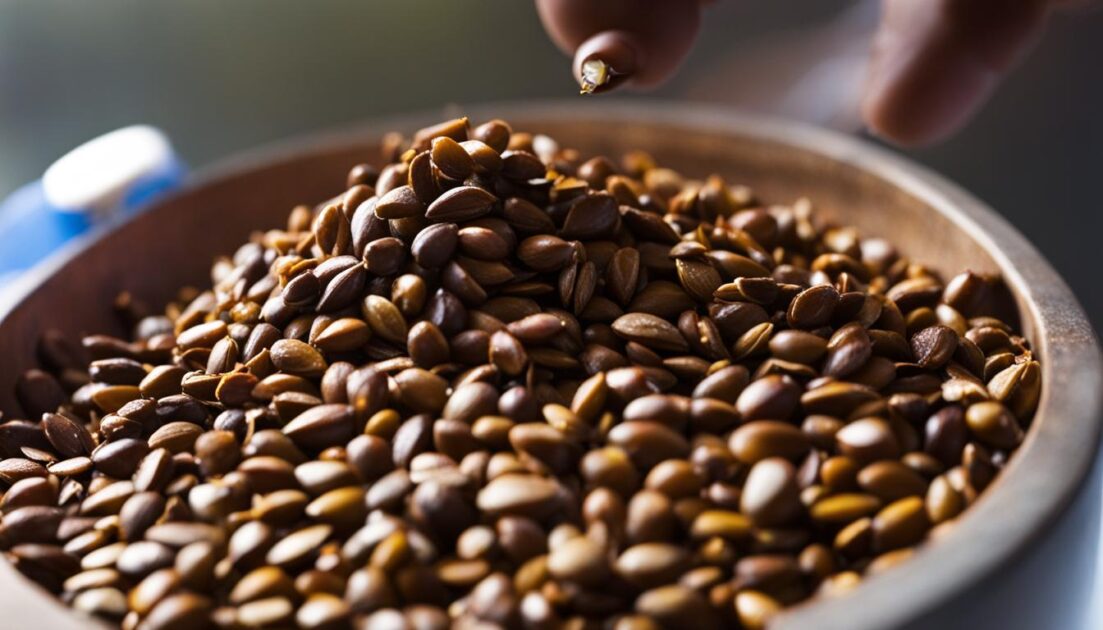
Jojoba oil is a popular ingredient in skincare and haircare products due to its moisturizing and nourishing properties. However, it is important to ensure that the jojoba oil you are using is pure and of high quality. To help you verify the purity of jojoba oil, follow the methods outlined below.
Key Takeaways:
- Checking the purity of jojoba oil is essential for optimal results in skincare and haircare.
- Understanding the composition of jojoba oil can help determine its purity.
- Physical characteristics such as color, scent, and consistency can indicate the purity of jojoba oil.
- Third-party lab testing provides reliable results for assessing jojoba oil quality.
- When buying jojoba oil, choose a reputable supplier and look for certifications or testing standards.
Understanding Jojoba Oil Composition
Jojoba oil, derived from the seeds of the jojoba plant, is a unique wax that closely resembles the natural oil produced by our skin. Its composition plays a vital role in determining its purity and quality, making it essential to understand the key components of jojoba oil.
Jojoba oil should consist mainly of monounsaturated fatty acids, such as oleic acid, and also contain vitamin E. These components contribute to its moisturizing and healing properties, making jojoba oil a popular ingredient in skincare and haircare products. As a non-greasy oil, it is easily absorbed by the skin, providing hydration and nourishment without leaving a heavy or oily residue.
By being aware of the composition of jojoba oil, you can better evaluate its purity and determine its suitability for your skincare routine. The presence of monounsaturated fatty acids and vitamin E is indicative of a high-quality jojoba oil.
“To determine the purity of jojoba oil, it is essential to understand its composition.”
Jojoba Oil Composition
To summarize, the main components of jojoba oil include:
| Component | Function |
|---|---|
| Monounsaturated Fatty Acids (e.g., Oleic Acid) | Moisturizing and nourishing properties for the skin and hair |
| Vitamin E | Antioxidant and healing properties |
These components work together to provide multiple benefits for the skin and hair. Whether you are looking to enhance your skincare routine or improve the health of your hair, understanding the composition of jojoba oil is crucial in selecting a pure and high-quality product.
Next, we’ll explore the physical characteristics of pure jojoba oil that can further aid in determining its purity.
A close-up image of a bottle of jojoba oil, showcasing its golden yellow color and texture.
Physical Characteristics of Pure Jojoba Oil
Pure jojoba oil possesses specific physical attributes that serve as indicators of its purity. By noting these characteristics, you can assess the quality of the jojoba oil you are using. Here are the key physical traits to look for:
- Color: Pure jojoba oil exhibits a rich, golden yellow hue. This vibrant color signifies its authenticity and purity.
- Aroma: When you open a bottle of pure jojoba oil, you will be greeted by a soft and pleasant scent. This natural fragrance indicates the high quality of the oil.
- Consistency: Pure jojoba oil has a thin consistency that sets it apart from lower quality or adulterated oils. Its lightweight texture allows for quick absorption into the skin without leaving a greasy residue.
To check the purity of your jojoba oil, pay close attention to these physical characteristics. A genuine and high-quality oil will exhibit a golden yellow color, emit a pleasant scent, and have a thin consistency that effortlessly glides onto the skin.
Characteristics of Pure Jojoba Oil
| Characteristic | Description |
|---|---|
| Color | Golden yellow |
| Aroma | Soft and pleasing |
| Consistency | Thin and non-greasy |
Note: The physical characteristics of pure jojoba oil provide valuable insights into its purity and quality. For a comprehensive assessment, use these attributes as a guide and consider other testing methods discussed in this article.
Third-Party Lab Testing for Jojoba Oil
When it comes to ensuring the purity and quality of jojoba oil, third-party lab testing is an invaluable tool. These tests analyze the composition of the oil, identify any contaminants, and detect potential adulterants. By obtaining lab test results from a verified independent lab, you can assess the purity of jojoba oil and evaluate its overall quality.
During the lab testing process, specific parameters are assessed to determine the authenticity and purity of jojoba oil. These parameters include:
- Monounsaturated Fatty Acid Content: Pure jojoba oil should have a high percentage of monounsaturated fatty acids, particularly oleic acid. This component contributes to the moisturizing and nourishing properties of the oil.
- Vitamin E Content: Vitamin E is an important antioxidant that helps protect the skin from oxidative damage. High-quality jojoba oil should contain a significant amount of vitamin E, which enhances its overall skincare benefits.
- Potential Contaminants: Lab tests can identify any potential contaminants present in the jojoba oil, such as heavy metals, pesticides, or solvents. These contaminants can significantly affect the purity and safety of the oil.
By relying on third-party lab testing, you can gain comprehensive insights into the quality of the jojoba oil you are using. This information allows you to make informed decisions about the products you incorporate into your skincare routine.
“Third-party lab testing is an essential step in assessing the purity and quality of jojoba oil, providing consumers with the confidence and assurance they need.”
To illustrate the importance of third-party lab testing, consider the following comparison:
| Jojoba Oil Brand | Tested Parameters | Results |
|---|---|---|
| Brand X | Fatty Acid Composition, Vitamin E Content, Contaminant Analysis | High Percentage of Monounsaturated Fatty Acids, Adequate Vitamin E Content, No Detectable Contaminants |
| Brand Y | Fatty Acid Composition, Vitamin E Content, Contaminant Analysis | Low Percentage of Monounsaturated Fatty Acids, Insufficient Vitamin E Content, Trace Amounts of Contaminants |
| Brand Z | Fatty Acid Composition, Vitamin E Content, Contaminant Analysis | Absence of Monounsaturated Fatty Acids, No Vitamin E Content, High Levels of Contaminants |
As demonstrated by the table above, third-party lab testing provides a clear distinction between brands in terms of their jojoba oil quality. The results allow consumers to assess the purity of jojoba oil and make informed choices based on reliable data.
Determining the Purity of Jojoba Oil: A Reliable Approach
In addition to third-party lab testing, there are various other methods to assess and evaluate the purity of jojoba oil. These methods include:
- Physical Examination: Observing the color, scent, and consistency of the oil can provide initial indications of its purity.
- Researching the Manufacturer: Choosing a reputable supplier known for producing high-quality, pure jojoba oil is a crucial step in ensuring its authenticity.
- Reading Customer Reviews: Feedback from other customers can reveal valuable insights into the quality and effectiveness of the product.
- Checking for Certifications: Look for certifications such as organic certification or adherence to ISO standards, as they indicate a commitment to quality and purity.
By employing these methods, along with third-party lab testing, you can confidently evaluate the purity and quality of jojoba oil, guaranteeing optimal results in your skincare routine.
Tips for Buying High-Quality Jojoba Oil
When it comes to purchasing jojoba oil, ensuring its quality and purity is of utmost importance. To help you make an informed decision, here are some tips to consider:
Choose a Reputable Supplier: Look for suppliers who have a proven track record of offering high-quality, pure jojoba oil. Opt for well-known brands or manufacturers that prioritize quality and customer satisfaction.
Look for Certifications and Standards: Check if the supplier adheres to certifications and testing standards that guarantee the purity and authenticity of their jojoba oil. Look for certifications such as organic certification or adherence to ISO standards.
Read Customer Reviews and Ratings: Take the time to read customer reviews and ratings for the jojoba oil you are considering purchasing. This can provide valuable insights into the product’s quality, effectiveness, and customer satisfaction.
Avoid Unreliable Sources: Be cautious when purchasing jojoba oil from unreliable sources or those with questionable practices. Stick to trustworthy suppliers and avoid purchasing from vendors with limited information or unverifiable claims.
Consider Jojoba Oil FAQs: Familiarize yourself with commonly asked questions about jojoba oil. This will help you understand the product better and make an informed purchasing decision. Below are some frequently asked questions to get you started:
- Is jojoba oil suitable for all skin types?
- Can jojoba oil be used for hair care?
- How should I store jojoba oil to maintain its freshness?
- Is jojoba oil safe to use during pregnancy?
By following these tips and staying informed, you can confidently verify the purity of the jojoba oil you purchase and enjoy its numerous benefits.
Jojoba Oil FAQs
Is jojoba oil suitable for all skin types?
Yes, jojoba oil is non-comedogenic, making it suitable for all skin types. It moisturizes without clogging pores and helps balance sebum production.
Can jojoba oil be used for hair care?
Absolutely! Jojoba oil is excellent for nourishing and moisturizing hair. It helps improve shine, reduce frizz, and promote a healthy scalp.
When it comes to purchasing jojoba oil, remember to prioritize quality, verify its purity, and make informed decisions based on customer reviews and certifications. This will ensure that you are getting the best quality jojoba oil for your skincare and haircare needs.
Final Thoughts on Checking Purity of Jojoba Oil
Ensuring the purity of jojoba oil is essential to harnessing its full benefits for your skincare and haircare routines. Pure jojoba oil offers a range of advantages, including moisturizing dry skin, treating various skin conditions, and promoting wound healing. With the methods outlined in this guide, you can easily check the purity of jojoba oil and make informed purchasing decisions.
One of the key factors to consider when purchasing jojoba oil is the quality. Look for reputable suppliers that offer the best quality jojoba oil. These suppliers often adhere to certifications and testing standards, such as organic certification or ISO standards, ensuring that you receive a high-quality product. Reading customer reviews and ratings is also helpful in gauging the authenticity and effectiveness of the oil.
Another important application of jojoba oil is for under-eye wrinkles. Its moisturizing and rejuvenating properties make it an excellent choice for reducing the appearance of fine lines and wrinkles around the delicate eye area. By using high-quality jojoba oil regularly, you can enhance the elasticity and firmness of the skin, diminishing the signs of aging.
By following the methods mentioned in this guide, such as checking physical characteristics, utilizing third-party lab testing, and choosing reputable suppliers, you can ensure that you are getting the best quality jojoba oil for your skincare and haircare needs. Incorporating pure jojoba oil into your beauty routine will provide you with the nourishing and healing benefits that this versatile oil is known for.
FAQ
How can I check the purity of jojoba oil?
There are several methods to check the purity of jojoba oil. You can assess its physical characteristics such as color, scent, and consistency. Third-party lab testing is another reliable method to evaluate the quality and purity of jojoba oil.
What should the color and scent of pure jojoba oil be like?
Pure jojoba oil has a golden yellow color and a soft, pleasing scent.
How can I evaluate the consistency of jojoba oil?
The consistency of pure jojoba oil is thin, and it is quickly absorbed by the skin, leaving a satin finish.
Can third-party lab testing help determine the purity of jojoba oil?
Yes, third-party lab testing is a reliable method to assess the purity and quality of jojoba oil. These tests analyze various aspects of the oil, including its composition, contaminants, and potential adulterants.
What should I look for when buying jojoba oil?
When buying jojoba oil, it is important to choose a reputable supplier that offers high-quality, pure oil. Look for certifications or testing standards that the supplier adheres to, such as organic certification or ISO standards. Read customer reviews and ratings to gauge the quality and authenticity of the jojoba oil.
Why is it important to ensure the purity of jojoba oil?
Ensuring the purity of jojoba oil is crucial to experience its full benefits. Pure jojoba oil can be used for various skincare and haircare purposes, such as moisturizing, treating dry skin conditions, and promoting wound healing.


