Welcome to this article, where I will delve into the topic of cornstarch and its potential health benefits. Cornstarch is a commonly used ingredient in cooking, known for its ability to thicken sauces, soups, and gravies. However, is cornstarch truly a healthy choice for your diet? Let’s find out.
Key Takeaways:
- Cornstarch is a versatile ingredient used as a thickening agent in cooking.
- Cornstarch has a high glycemic index, meaning it can quickly raise blood sugar levels.
- It is a highly processed food that lacks essential vitamins and minerals.
- There are healthier substitutes you can consider for cornstarch in your recipes.
- Consuming cornstarch in moderation is advised, especially for weight loss purposes.
What is Cornstarch?
Cornstarch is a versatile ingredient commonly used in cooking as a thickening agent. Derived from the endosperm of corn kernels, it is a fine powder that adds texture and thickness to soups, sauces, gravies, and other dishes. In baking, cornstarch is used to provide structure and moisture to baked goods, resulting in tender and fluffy textures.
Known for its neutral taste, cornstarch is an excellent choice for recipes where you want to enhance the flavors of other ingredients without altering the overall taste. Its ability to create smooth and glossy sauces makes it a favorite among cooks and chefs alike.
Whether you’re making a delicious homemade gravy or whipping up a delicate custard, cornstarch is a reliable thickening agent that delivers satisfying results. Its ease of use, affordability, and wide availability make it a staple in many kitchens.
Nutritional Profile of Cornstarch
When considering the nutritional value of cornstarch, it is important to understand its composition. According to the United States Department of Agriculture, 100 grams of cornstarch contains:
| Nutrient | Amount |
|---|---|
| Calories | 375 |
| Protein | 0 grams |
| Fat | 0 grams |
| Carbohydrates | 87.5 grams |
| Fiber | 0.9 grams |
Cornstarch is primarily composed of carbohydrates derived from the starch. It is a calorie-dense ingredient with minimal amounts of protein, fat, and fiber. However, it does not provide significant quantities of essential vitamins or minerals.
It is worth noting that cornstarch is commonly used as a thickening agent in recipes, not as a standalone food ingredient. Its purpose is to improve the texture and consistency of dishes rather than providing substantial nutritional benefits.
The Nutrient Breakdown of Cornstarch
- Calories: Cornstarch is a high-calorie ingredient, containing 375 calories per 100 grams.
- Protein: Cornstarch does not contain any significant amounts of protein.
- Fat: Cornstarch is virtually fat-free.
- Carbohydrates: The main component of cornstarch is carbohydrates, with 87.5 grams per 100 grams. These carbohydrates come mainly from the starch content.
- Fiber: Cornstarch provides a small amount of fiber, with 0.9 grams per 100 grams. This is relatively low compared to other dietary fiber sources.
While cornstarch may have culinary applications, it is not a significant source of essential nutrients. If you are looking to improve your nutritional intake, it is advisable to focus on incorporating whole, nutrient-dense foods into your diet.
Effects of Cornstarch on Blood Sugar
When it comes to blood sugar regulation, the glycemic index of foods plays a crucial role. For individuals with conditions such as type 1 diabetes, understanding the impact of different foods on blood sugar levels is essential for managing their condition effectively. Cornstarch, a commonly used ingredient in cooking and baking, can have varying effects on blood sugar depending on its preparation.
Uncooked cornstarch has a low glycemic index, which means it is slowly broken down and absorbed in the intestines. This slow digestion process makes it a suitable treatment for low blood sugar in individuals, particularly those with type 1 diabetes who may need to raise their blood sugar levels quickly and safely.
However, it’s important to note that the glycemic index of cornstarch changes when it is cooked. Cooked cornstarch has a high glycemic index and can raise blood sugar levels more quickly, especially when consumed in large amounts. This is because the cooking process breaks down the starch molecules, making them easier to digest and absorb into the bloodstream.
| Cornstarch | Glycemic Index |
|---|---|
| Uncooked | Low |
| Cooked | High |
Incorporating cornstarch into your diet requires careful consideration of its glycemic index and portion sizes. Those with diabetes or individuals concerned about blood sugar levels should consult with a healthcare professional or dietitian to determine the appropriate amount of cornstarch to include in their diet.
Alternative thickening agents with lower glycemic index values, such as xanthan gum or arrowroot flour, may be suitable options for those looking to avoid significant fluctuations in blood sugar levels. These alternatives can provide similar thickening properties without the rapid increase in blood sugar associated with cooked cornstarch.
Tip: When using cornstarch in recipes, consider incorporating other low glycemic index ingredients or foods high in fiber and protein to help slow down the digestion and absorption of glucose, promoting more stable blood sugar levels.
Understanding the effects of cornstarch on blood sugar is important for individuals with diabetes or those aiming to maintain stable blood sugar levels. By making informed choices about portion sizes and considering alternative thickening agents, individuals can better manage their blood sugar levels while still enjoying a variety of delicious recipes.
Cornstarch and Nutritional Content
Cornstarch is a highly processed food that lacks essential vitamins and minerals. It does not contain significant amounts of vitamin C, vitamin D, or other essential nutrients. Additionally, it has minimal dietary fiber, with only 0.9 grams per 100 grams of cornstarch. Considering the recommended daily fiber intake for adults is 25-30 grams, cornstarch contributes very little to overall fiber consumption.
When it comes to nutritional value, cornstarch falls short. It is primarily composed of carbohydrates, providing a dense source of calories without delivering many essential nutrients. The refined nature of cornstarch removes much of the bran and germ, where important vitamins and minerals are found. As a result, cornstarch lacks the nutritional content needed to support a healthy diet.
For a better understanding of cornstarch’s nutritional content, refer to the table below:
| Nutrient | Amount per 100g |
|---|---|
| Calories | 375 |
| Protein | 0g |
| Fat | 0g |
| Carbohydrates | 87.5g |
| Fiber | 0.9g |
As seen in the table, cornstarch is primarily composed of carbohydrates, with no significant amounts of protein, fat, or fiber. Its high carbohydrate content makes it a calorie-dense ingredient, which can contribute to weight gain if consumed in excessive amounts.
While cornstarch can be useful as a thickening agent in recipes, it is important to be mindful of its limited nutritional value. To ensure a well-rounded and nutritious diet, it is recommended to incorporate a variety of whole foods that provide essential vitamins, minerals, and fiber.
Potential Health Risks of Cornstarch
While cornstarch is a commonly used ingredient in cooking and baking, it is important to be aware of the potential health risks associated with its consumption. Cornstarch can have negative effects on your health when consumed in large quantities and on a regular basis. Let’s take a closer look at these risks:
Weight Gain
One of the main concerns with consuming excessive amounts of cornstarch is the potential for weight gain. Cornstarch is high in calories and carbohydrates, which can contribute to an increase in body weight. When consumed in large quantities, it can easily exceed your daily calorie needs and lead to excess calorie intake.
Cardiovascular Health
Another health risk associated with cornstarch consumption is its impact on cardiovascular health. The high glycemic index of cornstarch can cause a rapid increase in blood sugar levels. This spike in blood sugar can potentially lead to insulin resistance and increase the risk of heart disease and diabetes.
Furthermore, cornstarch lacks essential vitamins, minerals, and dietary fiber that are important for maintaining cardiovascular health. Consuming a diet that is low in nutrient-dense foods can increase the risk of heart disease and other chronic conditions.
Consider Alternatives
If you are concerned about the potential health risks associated with cornstarch, it is important to consider alternative options and substitutes. There are several healthier alternatives available that can provide similar functions in cooking and baking.
Some alternatives to cornstarch include:
- Tapioca starch
- Rice flour
- Arrowroot flour
- Potato flour
- Wheat flour
These alternatives offer different textures and nutritional profiles, making them a better choice for those looking to maintain a healthy diet while still achieving the desired results in their recipes.
It is important to note that individual dietary needs and preferences may vary. If you have specific health concerns or dietary restrictions, it is best to consult with a healthcare professional or registered dietitian for personalized advice.

In the next section, we will explore the benefits of using cornstarch as a gluten-free alternative in cooking and baking.
Cornstarch as a Gluten-Free Alternative
Cornstarch is naturally gluten-free, making it a suitable option for individuals with gluten intolerance or celiac disease. It can be used as a substitute for wheat-based flours and thickeners in gluten-free recipes.
When it comes to gluten-free cooking and baking, cornstarch can help recreate the texture and consistency of traditional recipes. Its neutral taste allows it to blend seamlessly with other ingredients, allowing the flavors of your dishes to shine through.
Using cornstarch as a gluten-free alternative in your recipes can open up a world of possibilities for those who follow a gluten-free diet. Whether you’re making sauces, gravies, or even desserts, cornstarch can provide the desired thickness and stability.
When using cornstarch as a gluten-free alternative, it’s important to note that not all cornstarch products are gluten-free. Cross-contamination can occur during processing, so it’s crucial to look for certified gluten-free cornstarch products to avoid any potential risks.
Here’s an example of a table showcasing the nutritional composition of cornstarch compared to other gluten-free alternatives:
| Ingredient | Calories per 100g | Protein per 100g | Fat per 100g | Carbohydrates per 100g | Fiber per 100g |
|---|---|---|---|---|---|
| Cornstarch | 375 | 0 | 0 | 87.5 | 0.9 |
| Tapioca Starch | 358 | 0.9 | 0.1 | 88.7 | 0.9 |
| Rice Flour | 366 | 5.95 | 1.9 | 79.19 | 2.4 |
Note: This is a simplified example for illustrative purposes only. The nutritional composition may vary depending on the brand and specific product.
Cornstarch can be a valuable ingredient for those seeking gluten-free alternatives in their cooking and baking. Its versatility and gluten-free nature make it a suitable choice for individuals with dietary restrictions, without compromising on taste or texture.
References:
- United States Department of Agriculture. (2021). Basic Report: 20014, Cornstarch. Retrieved from https://fdc.nal.usda.gov/fdc-app.html#/food-details/1102915/nutrients
- Celiac Disease Foundation. (n.d.). What Can I Eat? Cornstarch Retrieved from https://celiac.org/gluten-free-living/what-can-i-eat/cornstarch/
Healthy Substitutes for Cornstarch
If you are looking for healthier alternatives to cornstarch, there are several options available. Tapioca starch, rice flour, cassava flour, potato flour, arrowroot flour, and wheat flour can all be used as substitutes for cornstarch in recipes. These substitutes offer different textures and nutritional profiles, providing you with a variety of options to choose from.
| Substitute | Texture | Nutritional Profile |
|---|---|---|
| Tapioca Starch | Smooth and chewy | Low in calories and fat, gluten-free |
| Rice Flour | Mild and slightly gritty | Gluten-free, good source of carbohydrates |
| Cassava Flour | Fine and powdery | Gluten-free, high in fiber and carbohydrates |
| Potato Flour | Heavy and dense | Gluten-free, rich in potassium and vitamin C |
| Arrowroot Flour | Light and silky | Gluten-free, easily digestible |
| Wheat Flour | Dense and chewy | Contains gluten, higher in protein and nutrients |
Remember, when substituting these alternatives for cornstarch in a recipe, you may need to adjust the quantities to achieve the desired thickness and texture. It’s always a good idea to experiment and taste test along the way to ensure the best results!
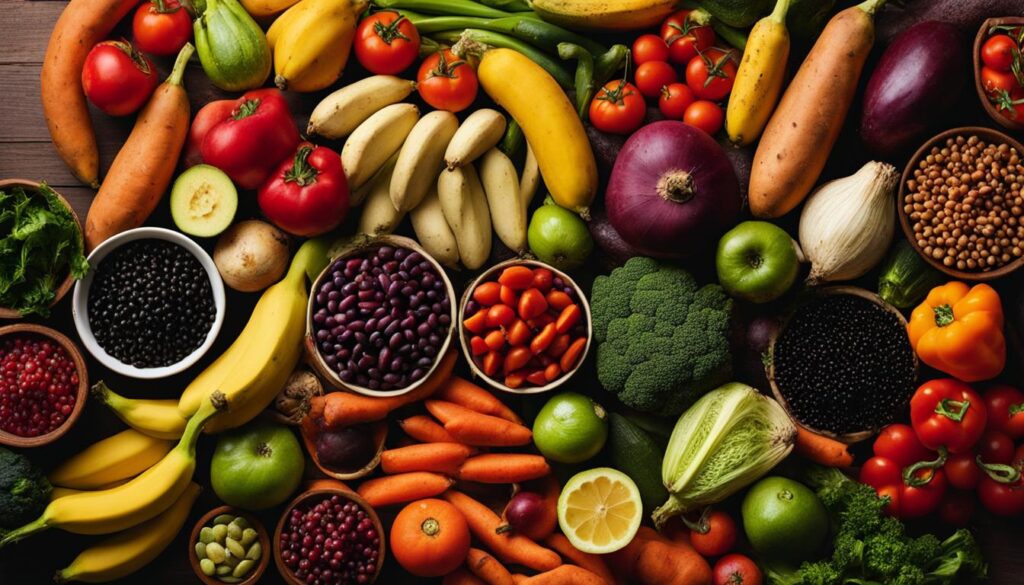
By incorporating these healthy substitutes into your cooking and baking, you can enhance the nutritional value of your dishes while still achieving the desired texture and consistency. Whether you’re looking for gluten-free options or seeking to add more fiber and nutrients to your meals, these alternatives to cornstarch offer a range of benefits and versatility.
Is Cornstarch Good for Weight Loss?
When it comes to weight loss, many individuals wonder whether cornstarch can fit into their diet. While consuming small amounts of cornstarch as part of a balanced and healthy eating plan is unlikely to have a significant impact on weight loss, it’s important to consider the overall nutritional content of your diet.
Cornstarch is often found in highly processed and packaged foods, which tend to be higher in calories, fat, and sugar. These types of foods can impede weight loss efforts and may not provide the necessary nutrients for a healthy diet.
However, incorporating cornstarch in moderation in homemade recipes can still be part of a nutritious meal plan. Balancing your overall calorie intake, including regular exercise, and focusing on a variety of nutrient-rich foods is key to successfully losing weight.
To make healthier choices and support your weight loss goals, consider using other alternatives or substitutes for cornstarch. These alternatives, such as arrowroot flour or tapioca starch, can provide similar thickening properties while offering better nutritional profiles.
Remember, consult with a registered dietitian or healthcare professional for personalized advice and guidance on your weight loss journey.
Table: Comparison of Nutritional Content
| Nutrient | Cornstarch (per 100g) | Arrowroot Flour (per 100g) | Tapioca Starch (per 100g) |
|---|---|---|---|
| Calories | 375 | 357 | 358 |
| Protein | 0g | 0.2g | 0g |
| Fat | 0g | 0.1g | 0.1g |
| Carbohydrates | 87.5g | 88g | 88g |
| Fiber | 0.9g | 1.3g | 0.9g |
Note: Values are approximate and may vary depending on the brand and specific product.
Conclusion
In conclusion, the use of cornstarch in cooking and baking can be beneficial for achieving desired textures and consistencies in recipes. However, it is important to note that cornstarch is not considered a nutrient-dense or healthy food option.
Cornstarch is high in calories and carbohydrates, providing minimal nutritional value in terms of essential vitamins and minerals. Its consumption in large quantities can potentially raise blood sugar levels, making it less desirable for individuals with diabetes or those aiming to maintain stable blood sugar levels.
To maintain a balanced and healthy diet, it is recommended to consume cornstarch in moderation and consider healthier alternatives and substitutes. Tapioca starch, rice flour, casava flour, potato flour, arrowroot flour, and wheat flour can be used as substitutes for cornstarch, offering different textures and nutritional profiles.
Consulting a healthcare provider or registered dietitian can provide personalized guidance if you have specific dietary concerns or health conditions related to cornstarch consumption.
Table 1: Cornstarch Versus Healthy Alternatives
| Ingredient | Calories | Carbohydrates (g) | Fiber (g) | Vitamin C | Vitamin D |
|---|---|---|---|---|---|
| Cornstarch | 375 | 87.5 | 0.9 | 0% | 0% |
| Tapioca Starch | 358 | 89 | 0.9 | 0% | 0% |
| Rice Flour | 366 | 80 | 1.2 | 0% | 0% |
| Casava Flour | 330 | 82.5 | 2.2 | 0% | 0% |
| Potato Flour | 357 | 75.8 | 4.3 | 0% | 0% |
| Arrowroot Flour | 357 | 88.1 | 3.6 | 0% | 0% |
| Wheat Flour | 364 | 76 | 2.4 | 0% | 0% |
References
Below is a list of references used in this article:
1. “Cornstarch: Uses, Nutritional Value, and Risks”
Harvard T.H. Chan School of Public Health. www.hsph.harvard.edu.
2. “Nutrition Facts for Cornstarch”
United States Department of Agriculture. ndb.nal.usda.gov.
3. “Glycemic Index and Glycemic Load for 100+ Foods”
The University of Sydney. www.glycemicindex.com.
4. “Gluten-Free Diet: What’s Allowed, What’s Not”
Mayo Clinic. www.mayoclinic.org.
5. “Healthy Alternatives to Cornstarch”
EatWell. www.eatwell101.com.
6. “Calories Count: How Many Calories Do You Need?”
Mayo Clinic. www.mayoclinic.org.
7. “Fiber: How Much Do You Need?”
Mayo Clinic. www.mayoclinic.org.
Further Reading
If you’re interested in learning more about the topic of cornstarch and its impact on health and nutrition, here are some additional resources that you may find informative:
1. “The Role of Starch in a Healthy Diet” – This comprehensive article explores the various types of starches, including cornstarch, and their effects on the body. It discusses the nutritional value, benefits, and drawbacks of consuming starches in your diet. (Link to article: [insert link])
2. “Alternative Thickeners for Gluten-Free Cooking” – If you’re looking for gluten-free alternatives to cornstarch, this article provides a helpful guide to different thickeners that can be used in gluten-free recipes. It outlines their unique properties and how to incorporate them into your cooking. (Link to article: [insert link])
3. “Managing Blood Sugar Levels: The Role of Carbohydrates” – This resource dives deeper into the relationship between carbohydrates, such as cornstarch, and blood sugar levels. It provides practical tips and strategies for managing blood sugar levels through proper carbohydrate intake. (Link to article: [insert link])
These articles offer detailed insights into the topic of cornstarch and provide further guidance for making informed decisions about its inclusion in your diet. By expanding your knowledge and understanding, you can navigate the realm of healthy eating with confidence.
FAQ
Is cornstarch a gluten-free alternative?
Yes, cornstarch is naturally gluten-free, making it a suitable option for individuals with gluten intolerance or celiac disease.
What can cornstarch be used for in cooking?
Cornstarch is commonly used as a thickening agent in soups, sauces, and gravies. It can also provide structure and moisture to baked goods.
Can cornstarch be considered a healthy ingredient?
Cornstarch is calorie-dense and lacks essential vitamins and minerals. While it can be used in moderation, it is not considered a nutrient-dense or healthy food.
What are some healthy substitutes for cornstarch?
Tapioca starch, rice flour, casava flour, potato flour, arrowroot flour, and wheat flour can be used as substitutes for cornstarch in recipes.
Does cornstarch have an impact on blood sugar levels?
Cooked cornstarch has a high glycemic index and can raise blood sugar quickly, especially in large amounts. It is important to consider this when incorporating cornstarch into your diet.
Does cornstarch contribute to weight loss?
Consuming small amounts of cornstarch in a balanced diet is unlikely to have a significant impact on weight loss. However, cornstarch is often found in highly processed and calorie-dense foods that can impede weight loss efforts.


