Lorem ipsum dolor sit amet, consectetur adipiscing elit. Vestibulum condimentum ultricies metus eget pretium. Aliquam feugiat posuere sem, vitae eleifend ex volutpat ac. Ut lacinia mi ut lacus luctus iaculis. Sed euismod ex sit amet sagittis aliquet. Suspendisse sed.
Key Takeaways:
- Cornstarch is a versatile ingredient that offers surprising benefits for haircare.
- When used correctly, cornstarch can enhance texture, volume, and more in your hair.
- It can be used as a DIY dry shampoo, hair mask, and treatment for hair growth.
- Cornstarch helps regulate oil production on the scalp and contains beneficial vitamins and minerals.
- However, it should be used in moderation and combined with regular cleansing for optimal results.
What Is Cornstarch?
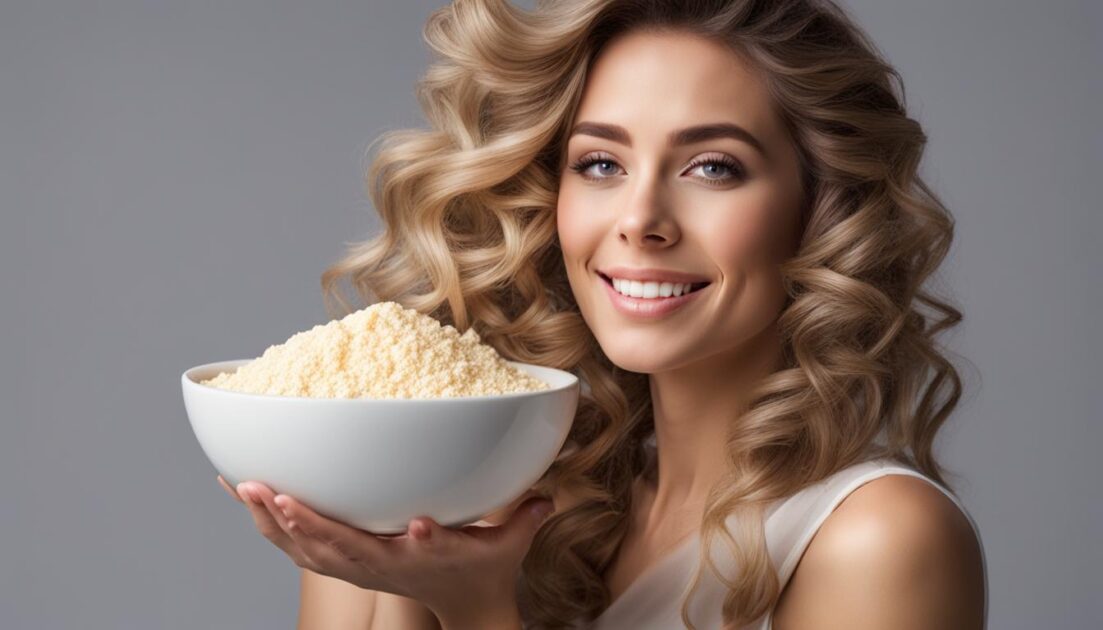
Cornstarch is a fine white powder made from grinding the starchy portion of corn kernels. It is similar to corn flour and wheat flour and is known for its moisture-absorbing properties. The endosperm of corn kernels is used to extract cornstarch, which is widely used for culinary purposes and now has found its way into haircare.
Cornstarch, also known as cornflour, is derived from the endosperm of corn kernels. It is a carbohydrate-rich ingredient that undergoes a grinding process to achieve a fine, powdery texture. With its moisture-absorbing properties, cornstarch has become a popular choice not only in the culinary world but also in the realm of haircare.
The extraction of cornstarch involves separating the endosperm from the rest of the corn kernel. The endosperm is the part responsible for storing starch and other nutrients. Through a meticulous process, the endosperm is ground into a fine powder, resulting in the creation of cornstarch.
Just like corn flour and wheat flour, cornstarch possesses moisture-absorbing properties that make it an excellent ingredient in various applications. Its ability to absorb moisture is particularly beneficial in the culinary field, where it is commonly used as a thickening agent for sauces, soups, and gravies. But its utility extends beyond the kitchen, as cornstarch has found its way into the world of haircare.
With its fine texture and moisture-absorbing capabilities, cornstarch has gained recognition for its potential benefits in haircare. Not only can it enhance texture and volume, but it can also provide other favorable effects when used correctly in your haircare routine.
Properties of Cornstarch
Before delving into the benefits of cornstarch for hair, it’s important to understand its properties and composition. Cornstarch is primarily composed of carbohydrates, making it a source of energy. Its moisture-absorbing properties allow it to absorb excess oil and sebum from the scalp, prolonging the time between washes.
In addition to carbohydrates, cornstarch also contains small amounts of protein, fiber, and fat. It is low in calories, making it a suitable option for individuals following a calorie-controlled diet.
The endosperm of corn kernels, from which cornstarch is derived, is rich in nutrients. It contains beneficial vitamins such as vitamin B6, thiamin, and vitamin K, as well as essential minerals like magnesium, potassium, and manganese. These nutrients can contribute to overall hair health.
Overall, cornstarch is a versatile ingredient that offers both culinary and haircare benefits. Its ability to absorb moisture, coupled with its nutrient content, makes it a valuable addition to your haircare routine.
How Cornstarch Is Used in Haircare
Cornstarch is a versatile ingredient that has found its way into haircare routines due to its numerous benefits. It can be used in various ways to enhance hair texture, absorb excess oil, and promote a refreshed and healthy scalp.
One popular use of cornstarch in haircare is as a DIY dry shampoo. This natural alternative helps absorb oil and grease from the hair, extending the time between washes. To use cornstarch as a dry shampoo, simply sprinkle a small amount onto the roots of your hair, focusing on areas that tend to get oily. Gently massage it into the scalp to distribute the powder, and then brush or comb through your hair to remove any excess.
Another way to incorporate cornstarch into your haircare routine is by making an exfoliating hair mask. This mask helps to remove oils, product buildup, and impurities from the scalp, leaving your hair feeling clean and revitalized. To create the mask, mix cornstarch with a tablespoon of your favorite oil, such as coconut or olive oil, to form a paste. Apply the paste to your scalp and massage it in circular motions to exfoliate. Leave it on for a few minutes, then rinse thoroughly with warm water.
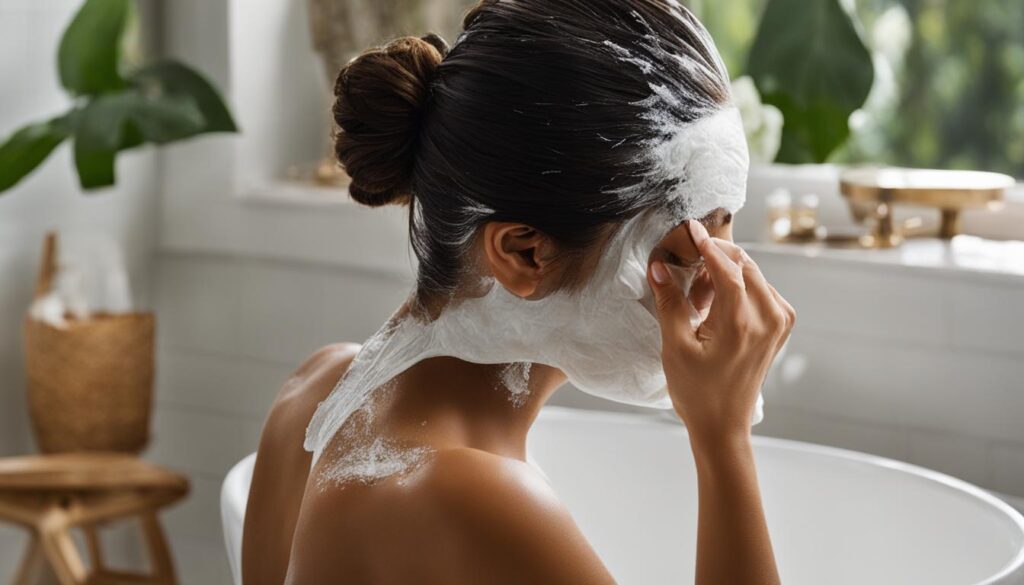
Using cornstarch in your haircare routine can provide natural solutions for common hair concerns. Whether you need to freshen up your hair between washes or cleanse your scalp thoroughly, cornstarch offers a budget-friendly and effective option. So why not give it a try and see the benefits for yourself?
Benefits of Cornstarch for Hair
Cornstarch offers numerous benefits for hair health and can be a valuable addition to your haircare routine. It contains essential vitamins and minerals that promote hair growth, regulate oil production, and improve overall hair health.
One of the key advantages of cornstarch for hair is its rich content of beneficial vitamins. Vitamins A, B, C, and E present in cornstarch nourish the hair follicles and promote healthy hair growth. These vitamins stimulate scalp circulation, ensuring that the hair follicles receive an adequate supply of nutrients for optimal growth.
In addition to vitamins, cornstarch also contains minerals like zinc, magnesium, and potassium, which are vital for maintaining healthy hair. Zinc helps to regulate oil production on the scalp, reducing the occurrence of greasiness and promoting a balanced scalp environment. Magnesium and potassium contribute to hair strength and improve the overall texture and appearance of the hair.
Cornstarch’s ability to regulate oil production on the scalp is especially beneficial for individuals with oily hair or those struggling with excessive oiliness. By absorbing excess oil, cornstarch helps to keep the hair looking fresh and voluminous throughout the day. Regular use of cornstarch can prevent the buildup of oil and sebum on the scalp, leading to cleaner, healthier hair.
Furthermore, cornstarch’s oil-regulating properties can also benefit individuals with dry hair. By preventing the scalp from becoming too dry or too oily, cornstarch helps to maintain a balanced moisture level in the hair and scalp, contributing to overall hair health and preventing dryness and brittleness.
| Benefits of Cornstarch for Hair: |
|---|
| Boosts hair growth |
| Regulates oil production |
| Nourishes with essential vitamins |
| Strengthens hair with minerals |
Incorporating cornstarch into your haircare routine can be as simple as using it as a dry shampoo or incorporating it into DIY hair masks. Its natural and gentle properties make it a safe and effective ingredient to enhance the health and appearance of your hair.
Risks of Using Cornstarch on Hair
While cornstarch can provide benefits for hair, it’s important to be aware of potential risks associated with its use. Understanding these risks will help you make informed choices and ensure the health and appearance of your hair.
Allergic Reactions
One of the risks of using cornstarch on hair is the potential for allergic reactions. Although rare, some individuals may have sensitivities or allergies to cornstarch, resulting in itching, redness, or scalp irritation. It’s essential to perform a patch test before using cornstarch on your hair to rule out any allergic reactions.
Bacteria Buildup
Prolonged use of cornstarch on the scalp can lead to a buildup of bacteria. Cornstarch absorbs excess moisture, including the natural oils produced by the scalp, which can create an environment conducive to bacteria growth. To minimize the risk of bacteria buildup, it’s important to practice good hair hygiene and regularly cleanse your scalp and hair.
Dullness
Using excessive amounts of cornstarch on your hair can result in dullness. Cornstarch absorbs oil, but it can also absorb essential moisture, leaving the hair looking dry and lackluster. It’s crucial to use cornstarch in moderation to avoid stripping the hair of its natural moisture and shine.
To mitigate these risks, it’s important to use cornstarch on your hair judiciously and in moderation. Patch-testing before use, practicing good hair hygiene, and avoiding excessive application will help prevent any adverse effects. If you experience any discomfort or adverse reactions, discontinue use and consult a healthcare professional.
| Risks of Using Cornstarch on Hair | |
|---|---|
| Allergic reactions | Potential for itching, redness, or scalp irritation |
| Bacteria buildup | Increased risk of bacterial growth on the scalp |
| Dullness | Excessive cornstarch use can lead to dry and lackluster hair |
Is Cornstarch Bad for Your Hair?
When it comes to cornstarch and its effects on your hair, moderation and regular cleansing are key. While cornstarch itself is not inherently bad for your hair, using it excessively can have adverse effects.
Cornstarch is often used as a natural alternative to dry shampoo, as it helps absorb excess oil and refresh the hair between washes. However, using too much cornstarch can lead to a buildup on the scalp, making the hair appear dull and greasy.
To prevent these issues, it’s important to use cornstarch sparingly. Only apply a small amount to the roots of your hair and gently massage it in. This will help absorb the oil without overloading your hair with product.
Regular cleansing is also essential when using cornstarch. Make sure to wash your hair regularly to remove any residue and buildup. This will maintain the overall health and cleanliness of your scalp and hair.
Remember, cornstarch can be a helpful addition to your haircare routine when used in moderation and combined with regular cleansing. By finding the right balance, you can enjoy the benefits of cornstarch without any negative impacts on your hair.
“Using cornstarch in moderation and ensuring regular cleansing of the hair are essential to maintain healthy and beautiful locks.”
Creative Beauty Uses for Cornstarch
Cornstarch is not only a versatile ingredient for cooking, but it also has creative beauty uses that can elevate your beauty routine. With its absorbent and gentle properties, cornstarch can be a valuable addition to your beauty arsenal.
Dry Shampoo
Cornstarch can act as a natural dry shampoo, absorbing excess oil from the scalp and hair. Simply sprinkle a small amount of cornstarch onto the roots of your hair and massage it in. Brush your hair thoroughly to distribute the cornstarch and remove any residue, leaving your hair looking refreshed and voluminous.
Exfoliating
Cornstarch can also be used as an exfoliant to gently remove dead skin cells and impurities from your face and body. Mix equal parts cornstarch and water to create a paste, then massage it onto damp skin in circular motions. Rinse thoroughly to reveal smooth and glowing skin.
Nail Polish
If you’re a fan of matte nail polish, cornstarch can give your regular nail polish a matte finish. Simply mix a small amount of cornstarch with your favorite nail polish to create a matte texture. Apply it to your nails as usual and enjoy a chic and trendy matte look.
Lipstick
For those who prefer a matte finish on their lips, cornstarch can help mattify your lipstick. After applying your lipstick, lightly dust a small amount of cornstarch over your lips using a brush or sponge. This will transform your shiny lipstick into a velvety matte texture.
Face Powder
Cornstarch can also be used as a natural and affordable face powder. Apply a small amount of cornstarch to a clean brush or makeup sponge and gently dust it over your face to mattify shine and set your makeup. It provides a light and silky finish, perfect for everyday use.
Deodorant
Cornstarch can be used as a natural deodorant to help absorb moisture and control odor. Mix equal parts cornstarch and baking soda, then apply a small amount to your underarms using your fingertips or a powder puff. Enjoy a fresh feeling all day long.
Body Powder
Give your skin a silky smooth feel by using cornstarch as a scented body powder. Simply mix cornstarch with a few drops of your favorite essential oil and store it in a container. Apply it to your body after showering or whenever you want to feel fresh and dry.
As you can see, cornstarch can be much more than a cooking ingredient. Incorporating it into your beauty routine can bring a host of benefits, from oil absorption to creating matte finishes. Be creative and experiment with cornstarch to discover even more beauty uses!
| Beauty Use | Description |
|---|---|
| Dry Shampoo | Absorbs excess oil from the scalp and hair |
| Exfoliating | Gently removes dead skin cells and impurities |
| Nail Polish | Adds a matte finish to regular nail polish |
| Lipstick | Helps mattify shiny lipstick for a matte look |
| Face Powder | Mattifies shine and sets makeup |
| Deodorant | Controls moisture and odor |
| Body Powder | Leaves the skin feeling fresh and dry |
Conclusion
In conclusion, cornstarch is a surprising and versatile ingredient that offers numerous styling benefits for your hair. Whether you’re looking to refresh your hair between washes with a DIY dry shampoo or exfoliate your scalp for a healthier shine, cornstarch can be a game-changer in your haircare routine.
However, it’s important to use cornstarch in moderation and combine it with regular cleansing for optimal results. Excessive use can lead to dullness and bacteria buildup on the scalp, so it’s crucial to strike a balance.
With its affordability and accessibility, cornstarch is truly an unexpected gem in the world of haircare. So next time you want to enhance your hairstyle or tackle oily roots, consider reaching for a jar of cornstarch and experience its surprising styling benefits firsthand.
FAQ
What are the benefits of using cornstarch for hair?
Cornstarch can enhance texture, volume, and more in your haircare routine. It contains beneficial vitamins and minerals that promote hair health and can help boost hair growth by improving scalp circulation and regulating oil production.
How can I use cornstarch for my hair?
Cornstarch can be used as a DIY dry shampoo to absorb excess oil and extend the time between washes. It can also be used to make an exfoliating hair mask that removes oils and buildup, leaving hair shiny and refreshed.
Are there any risks associated with using cornstarch on hair?
Some people may have allergic reactions to cornstarch, and prolonged use can lead to bacteria buildup on the scalp. Additionally, using excessive amounts of cornstarch can cause hair to become dull.
Is cornstarch bad for my hair?
Cornstarch is not inherently bad for hair, but it should be used in moderation and combined with regular cleansing. Using too much cornstarch can lead to adverse effects, so it’s important to use it sparingly and maintain overall hair health through regular shampooing.
Can cornstarch be used for purposes other than haircare?
Yes, cornstarch has various creative beauty uses. It can be used as a dry shampoo, exfoliant, to give a matte finish to nail polish, to mattify lipstick, as a face powder, as a natural deodorant, and as a scented body powder.


