
When it comes to natural weight loss remedies, coconut oil often stands out as a popular choice. Many individuals believe that adding coconut oil to their diet can aid in their weight loss journey. The claims surrounding coconut oil’s potential for weight loss are often rooted in studies on medium-chain triglyceride (MCT) oils. Coconuts are a rich source of MCTs, and incorporating coconut oil into the diet may promote weight loss and management by boosting metabolism and increasing feelings of fullness.
While the current findings regarding coconut oil’s impact on weight loss are controversial, some studies suggest that replacing long-chain triglycerides (LCTs) with MCTs in the diet may lead to modest reductions in body weight, visceral fat, and total body fat. However, it is important to note that coconut oil also contains other types of fats, and its effects on weight loss may vary from person to person.
Key Takeaways:
- Coconut oil is believed to promote weight loss by increasing metabolism and providing a sense of satiety.
- Studies suggest that replacing long-chain triglycerides (LCTs) with medium-chain triglycerides (MCTs) may have modest weight loss effects.
- Coconut oil should be consumed as part of a balanced diet and in moderation due to its high saturated fat content.
- Choosing high-quality options like virgin or extra virgin coconut oil is recommended for maximum effectiveness.
- Consulting with a healthcare professional is advised, especially for individuals with dietary restrictions or allergies.
Can Coconut Oil Help People Lose Weight?
Many people claim that adding coconut oil to the diet can help promote weight loss. The Medium-Chain Triglycerides (MCTs) present in coconut oil are believed to enhance the body’s metabolism and increase satiety, potentially supporting weight loss efforts.
However, the effects of coconut oil consumption on weight loss are still controversial and subject to ongoing research. While some studies have shown promising results, others have yielded inconclusive findings. Nonetheless, there are numerous anecdotal success stories of individuals who have achieved weight loss goals with the help of coconut oil.
I started incorporating coconut oil into my diet, and the results were amazing. Not only did I experience weight loss, but I also felt more satisfied after meals and noticed increased energy levels.
While scientific evidence may be mixed, the potential benefits of coconut oil in weight loss cannot be ignored. The key lies in the unique properties of MCTs, which can promote thermogenesis and favor fat burning. Additionally, the satiating effect of coconut oil may contribute to reduced calorie intake, further supporting weight loss efforts.
Research on Coconut Oil and Weight Loss
Several studies have explored the impact of coconut oil on weight loss. One study published in the journal Obesity found that replacing long-chain triglycerides (LCTs) with MCTs in the diet led to modest reductions in body weight, visceral fat, and total body fat[^1^]. Another study in the European Journal of Clinical Nutrition demonstrated that MCTs can increase energy expenditure and fat oxidation, potentially promoting weight loss[^2^]. However, it is essential to note that these studies often involve relatively small sample sizes or short durations, warranting further investigation.
Exploring the Coconut Oil Diet
The coconut oil diet is a weight loss approach that involves incorporating coconut oil into one’s daily routine. Advocates of this diet claim that it can enhance metabolism, increase energy levels, and aid in weight loss. While individual results may vary, some people have reported positive outcomes when following a coconut oil-based dietary plan.
It is essential to recognize that weight loss is a complex process influenced by various factors, such as overall calorie intake, physical activity levels, and genetics. While coconut oil may have its merits, it is most effective when integrated into a well-rounded weight loss strategy that includes a balanced diet and regular exercise.
To learn more about how coconut oil works for weight loss, proceed to the next section.
How Does Coconut Oil Work for Weight Loss?
Coconut oil has gained popularity as a potential aid in weight loss journeys. But how exactly does coconut oil work to support weight loss?
One of the key components of coconut oil is medium-chain triglycerides (MCTs). These MCTs play a crucial role in promoting weight loss by enhancing the body’s metabolism and increasing satiety.
The body is able to rapidly metabolize MCTs, thanks to their unique structure. Once consumed, the liver converts MCTs into energy and ketones, which are byproducts of fat metabolism. Ketones are believed to be more efficient sources of energy compared to glucose, the body’s usual fuel source.
But that’s not all. The MCTs in coconut oil may also reduce fat accumulation in the body. By incorporating coconut oil into your diet, you may be able to curb fat storage and promote a healthier body composition.
Furthermore, coconut oil has been found to increase feelings of fullness and enhance appetite regulation. This can be particularly beneficial for those looking to reduce their food intake and maintain a calorie deficit, which is essential for weight loss.
Incorporating coconut oil into your weight loss journey may provide multiple benefits, including enhanced metabolism, reduced fat accumulation, and improved appetite control. However, it’s important to note that coconut oil is not a magic solution for weight loss. It should be consumed as part of a balanced diet and in moderation.
By understanding how coconut oil works for weight loss, you can make informed decisions about how to incorporate it into your diet and overall weight management plan.
How to Use Coconut Oil for Weight Loss
When it comes to losing weight, incorporating coconut oil into your diet can be a beneficial strategy. There are several ways to use coconut oil for weight loss, making it a versatile and accessible option. Here are some simple and effective ways to incorporate coconut oil into your weight loss regimen:
- Cooking and Baking: Replace other cooking fats, such as butter and olive oil, with coconut oil. This can be done when sautéing vegetables, frying eggs, or baking healthy treats. Coconut oil adds a subtle nutty flavor to your dishes while providing potential weight loss benefits.
- Adding to Beverages: Enhance the nutritional value of your morning coffee, tea, or smoothie by adding a teaspoon or two of coconut oil. It can help increase satiety and provide a natural energy boost.
- Consuming Raw: If you enjoy the taste of coconut oil, you can consume it raw. Simply take a teaspoon or two of coconut oil and swallow it directly. However, keep in mind that coconut oil is high in calories, so moderation is key.
- Exploring Coconut Oil Recipes: There are numerous recipes available that specifically utilize coconut oil for weight loss. These recipes often incorporate coconut oil in creative ways to make delicious and satisfying meals. From coconut oil-infused dishes to snacks, there are plenty of options to choose from.
By incorporating coconut oil into your weight loss journey, you can take advantage of its potential benefits while enjoying a variety of flavors and textures in your meals. Remember to consume coconut oil in moderation and as part of a balanced diet for optimal results.
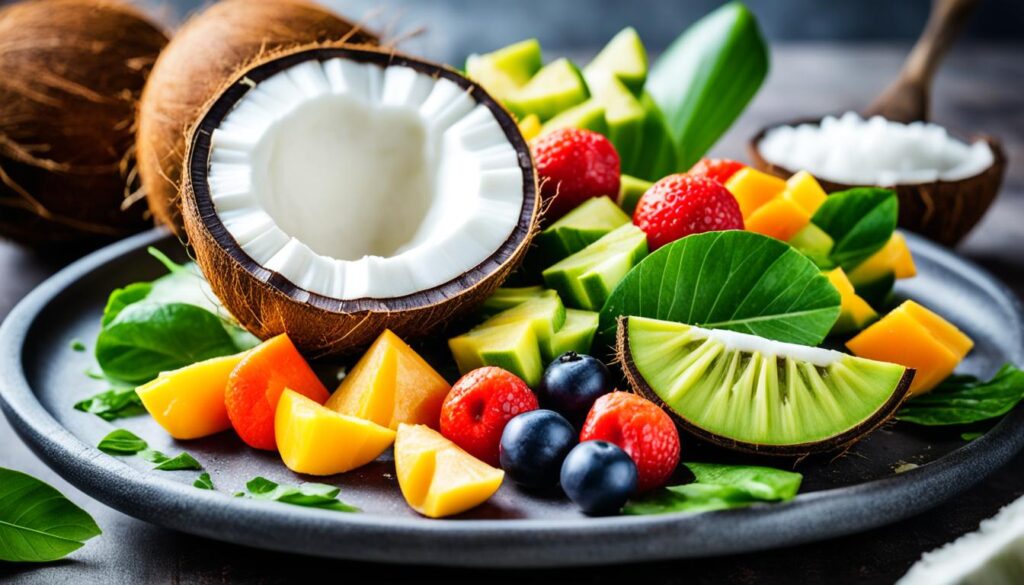
Considerations and Risks of Using Coconut Oil for Weight Loss
While coconut oil may have potential benefits for weight loss, it is important to consider some factors. The quality of the coconut oil used can impact its effectiveness, so it is recommended to choose high-quality options such as virgin or extra virgin coconut oil. Additionally, coconut oil is high in saturated fats, and its consumption should be part of a balanced diet high in fish and fresh produce and low in processed foods. It is also important to note that coconut oil should be consumed in moderation, as it is calorie-dense. People with certain dietary restrictions or allergies should consult with a healthcare professional before consuming coconut oil.
When incorporating coconut oil into a weight loss regimen, it is crucial to consider the following:
- Choose high-quality coconut oil, such as virgin or extra virgin options
- Consume coconut oil as part of a balanced diet
- Moderate coconut oil intake due to its calorie density
- Consult with a healthcare professional for individuals with dietary restrictions or allergies
| Considerations for Using Coconut Oil for Weight Loss | Risks of Using Coconut Oil for Weight Loss |
|---|---|
|
|
It’s important to note that while coconut oil may offer potential benefits for weight loss, it should not be relied upon as a standalone solution. A holistic approach that includes a balanced diet, regular physical activity, and overall healthy lifestyle choices is crucial for successful and sustainable weight loss.
The Importance of High-Quality Coconut Oil
The quality of the coconut oil used can significantly impact its effectiveness for weight loss. Choosing high-quality options, such as virgin or extra virgin coconut oil, ensures that you are getting the most beneficial compounds present in coconuts.
The Role of a Balanced Diet
Incorporating coconut oil into a balanced diet is key for achieving weight loss goals. Pairing it with a diet rich in fish and fresh produce while avoiding processed foods can optimize the potential benefits.
Moderate Intake for Calorie Control
Coconut oil is calorie-dense, meaning it contains a significant amount of calories in a small volume. To prevent calorie overload, it is essential to consume coconut oil in moderation as part of a well-planned diet.
Individual Considerations
People with specific dietary restrictions or allergies should exercise caution when consuming coconut oil. Consulting with a healthcare professional can help determine the suitability of coconut oil for individual circumstances.
The Controversy Surrounding Coconut Oil and Weight Loss
When it comes to the effects of coconut oil on weight loss, there is ongoing controversy and conflicting research. While some studies suggest potential benefits of including coconut oil in a weight loss diet, others have shown no significant effects. This conflicting evidence has left many people wondering whether coconut oil can truly help with weight loss.
One possible reason for the mixed findings could be the different types of fats present in coconut oil. While coconut oil contains medium-chain triglycerides (MCTs), which have been associated with weight loss benefits, it also contains other types of fats. The specific effects of these different fats on weight loss are still unclear and require further investigation.
The results of studies examining the thermogenic effects and effects on satiety of coconut oil have also been contradictory. Some studies have suggested that coconut oil may increase metabolism and promote feelings of fullness, leading to potential weight loss. However, other studies have found no significant effects on these factors.
To ensure accurate conclusions about the role of coconut oil in weight loss, more research is needed. Large-scale, well-designed studies that specifically examine the effects of coconut oil on weight loss are necessary to provide a clearer understanding of its potential benefits or lack thereof.
In the meantime, it’s important to approach the use of coconut oil for weight loss with caution. While some individuals may experience positive results, it is not a guaranteed solution for everyone. When incorporating coconut oil into a weight loss diet, it is essential to consider the overall diet, portion control, and physical activity levels for successful and sustainable weight loss.
Cooking with Coconut Oil for Weight Loss
When it comes to incorporating coconut oil into a weight loss diet, cooking with this versatile ingredient can be a game-changer. Coconut oil can be used for sautéing, stir-frying, baking, and roasting, making it an excellent substitute for other cooking fats. Not only does it offer potential weight loss benefits, but it also adds a pleasant, nutty flavor to dishes.
Incorporating coconut oil into your cooking routine is simple. Replace unhealthy cooking fats like butter or vegetable oil with coconut oil to enjoy the natural goodness it offers. Saute your favorite vegetables or stir-fry your protein sources in coconut oil to enhance the taste and promote weight loss.
When baking, swap out traditional oils or shortenings with coconut oil to create delicious treats that are not only tasty but also potentially supportive of your weight loss goals. Coconut oil can bring a delicate sweetness to baked goods while providing potential health benefits.
For those who enjoy roasting vegetables or preparing savory dishes, coconut oil can be a perfect choice. Its high smoke point makes it suitable for high-heat cooking while infusing your meals with a rich, tropical aroma.
Here’s a recipe idea to get you started:
Coconut Oil Roasted Vegetables
Ingredients:
- Assorted vegetables of your choice (e.g., broccoli, cauliflower, carrots, bell peppers)
- 2 tablespoons of coconut oil
- Salt and pepper to taste
Instructions:
- Preheat your oven to 400°F (200°C).
- Chop the vegetables into bite-sized pieces.
- In a mixing bowl, combine the chopped vegetables, coconut oil, salt, and pepper. Toss gently to coat the vegetables evenly.
- Spread the vegetables in a single layer on a baking sheet.
- Roast in the preheated oven for about 25-30 minutes, or until the vegetables are tender and slightly caramelized.
- Remove from the oven and serve hot.
Cooking with coconut oil not only allows you to enjoy the potential weight loss benefits of coconut oil but also adds a delicious twist to your meals. Be sure to experiment with different recipes and explore the full range of flavors coconut oil can bring to your culinary creations.
| Recipe | Ingredients | Instructions |
|---|---|---|
| Coconut Oil Coffee | – 1 cup of hot brewed coffee – 1 tablespoon of coconut oil – Optional: sweetener, milk, or spices |
1. Pour the hot coffee into a blender. 2. Add the coconut oil to the blender. 3. Blend for a few seconds until the oil is fully incorporated and the coffee appears frothy. 4. Optional: Add sweetener, milk, or spices to taste. 5. Pour into a mug and enjoy! |
| Coconut Oil Smoothie | – 1 ripe banana – 1 cup of frozen berries – 1 tablespoon of coconut oil – 1 cup of milk or dairy-free alternative – Optional: honey or other sweeteners |
1. Place all ingredients in a blender. 2. Blend until smooth and creamy. 3. Optional: Add honey or other sweeteners to taste. 4. Pour into a glass and enjoy! |
| Coconut Oil Granola | – 3 cups of rolled oats – 1/2 cup of melted coconut oil – 1/2 cup of honey or maple syrup – 1 teaspoon of vanilla extract – 1/2 teaspoon of salt – Optional: nuts, seeds, dried fruits, or spices |
1. Preheat your oven to 325°F (160°C). 2. In a mixing bowl, combine the rolled oats, melted coconut oil, honey or maple syrup, vanilla extract, and salt. Mix well. 3. Optional: Add nuts, seeds, dried fruits, or spices to taste. 4. Spread the mixture evenly on a baking sheet. 5. Bake for about 15-20 minutes, or until golden brown, stirring occasionally to ensure even browning. 6. Remove from the oven and let cool completely. 7. Break into clusters and store in an airtight container for up to two weeks. |
Conclusion
After exploring the potential benefits of incorporating coconut oil into a weight loss diet, it is clear that the research on its effectiveness is inconsistent. While there are claims of coconut oil aiding in weight loss, it should be consumed in moderation and as part of a balanced diet.
Coconut oil alone is not a magic solution for weight loss. To achieve successful and sustainable weight loss, it is important to focus on overall diet and lifestyle factors. This includes incorporating regular physical activity, practicing portion control, and consuming a variety of nutrient-dense foods.
Although coconut oil has been marketed as a natural weight loss remedy, it is crucial to approach it with caution and consult with a healthcare professional. Everyone’s body is different, and what works for one person may not work for another. It is always best to tailor a weight loss plan to individual needs and goals.
FAQ
Can coconut oil help with weight loss?
There is ongoing controversy and conflicting research regarding the effects of coconut oil on weight loss. While some studies suggest potential benefits of including coconut oil in a weight loss diet, others have shown no significant effects. The results of studies on the thermogenic effects and effects on satiety of coconut oil have been mixed. More research is needed to draw definitive conclusions about the role of coconut oil in weight loss.
How does coconut oil work for weight loss?
The MCTs in coconut oil may promote weight loss by enhancing the body’s metabolism and increasing satiety. The body can rapidly metabolize MCTs, and the liver converts them into energy and ketones, which are byproducts of fat metabolism. Ketones are believed to be more efficient sources of energy than glucose, the body’s usual fuel source. The MCTs in coconut oil may also reduce fat accumulation in the body. Additionally, coconut oil may increase feelings of fullness and enhance appetite regulation, leading to reduced food intake.
How can I use coconut oil for weight loss?
There are several ways to incorporate coconut oil into a weight loss regimen. It can be used for cooking and baking, replacing other cooking fats such as butter and olive oil. Coconut oil can also be added to beverages like coffee, tea, and smoothies. It can be consumed raw by those who enjoy its taste. There are also various recipes available that specifically use coconut oil for weight loss, such as coconut oil-infused dishes and snacks.
What should I consider when using coconut oil for weight loss?
While coconut oil may have potential benefits for weight loss, it is important to consider some factors. The quality of the coconut oil used can impact its effectiveness, so it is recommended to choose high-quality options such as virgin or extra virgin coconut oil. Additionally, coconut oil is high in saturated fats, and its consumption should be part of a balanced diet high in fish and fresh produce and low in processed foods. It is also important to note that coconut oil should be consumed in moderation, as it is calorie-dense. People with certain dietary restrictions or allergies should consult with a healthcare professional before consuming coconut oil.
What is the controversy surrounding coconut oil and weight loss?
There is ongoing debate and conflicting research regarding the effects of coconut oil on weight loss. While some studies suggest potential benefits, others have shown no significant effects. The mixed results make it difficult to draw definitive conclusions. More research is needed to fully understand the relationship between coconut oil and weight loss.
How can I cook with coconut oil for weight loss?
Cooking with coconut oil can be an effective way to incorporate it into a weight loss diet. Coconut oil can be used for sautéing, stir-frying, baking, and roasting. It can replace other cooking fats and add a mild, nutty flavor to dishes. By using coconut oil in cooking, individuals can enjoy the potential weight loss benefits of coconut oil while enhancing the taste of their meals.
Is coconut oil a natural weight loss remedy?
Coconut oil has been touted as a potential aid in weight loss journeys, but the research on its effectiveness is inconsistent. While there are potential benefits of incorporating coconut oil into a weight loss diet, it should be consumed in moderation and as part of a balanced diet. Coconut oil alone is not a magic solution for weight loss, and it is important to focus on overall diet and lifestyle factors, such as regular physical activity and portion control, for successful and sustainable weight loss.


