
Calendula, a flower belonging to the Asteraceae family and native to the Mediterranean region, has been celebrated for centuries for its various uses. From its natural healing properties to its vibrant colors as a dye, calendula offers significant benefits, especially for the skin. With its anti-inflammatory, moisturizing, and wound-healing properties, calendula is a safe and gentle ingredient suitable for all skin types, including sensitive skin and even babies. Its popularity in skincare products comes from its natural origins and the numerous advantages it provides.
Key Takeaways:
- Calendula is a flower that offers significant benefits for the skin due to its anti-inflammatory, moisturizing, and wound-healing properties.
- It is safe and gentle, making it suitable for people with sensitive skin and even babies.
- Calendula is a natural ingredient, which contributes to its popularity in skincare products.
- Its diverse uses include natural remedies, skincare routines, and even dyeing fabrics.
- When choosing skincare products, opt for those that are natural and free from potentially harmful chemicals.
What Is Calendula?
Calendula, scientifically known as Calendula officinalis, is a beautiful flower with bright yellow or vibrant orange petals. It belongs to the Asteraceae family and can grow up to one or two feet tall. Widely cultivated around the world, calendula has been used in various applications, including food, tea, and natural dyeing. However, its true potential lies in skincare, where it offers a multitude of benefits for the skin.
Calendula flower, or Calendula officinalis, is a renowned botanical used for its exceptional skincare properties. Its vibrant petals, ranging from yellow to orange, add a touch of natural beauty to any garden. Beyond its visual appeal, calendula has captured the attention of skincare enthusiasts for its remarkable benefits.
Calendula Benefits for Your Skin
Calendula, with its remarkable healing properties, offers a plethora of benefits for your skin. Extensive research has revealed its antibacterial, antiviral, anti-inflammatory, anti-tumor, and antioxidant properties. These characteristics make calendula an effective solution for various skin concerns, ensuring its positive impact on your skin health.
Calendula possesses anti-inflammatory properties that soothe redness and inflammation, providing relief to sensitive and irritated skin. Its moisturizing qualities help hydrate and nourish the skin, leaving it supple and radiant. Additionally, calendula’s potent antioxidant compounds combat free radicals, delaying skin aging and promoting a youthful complexion.
One of the most remarkable benefits of calendula is its wound-healing abilities. It accelerates the healing process, aiding in the regeneration of damaged skin cells and reducing the appearance of scars. This makes calendula an ideal ingredient for managing minor cuts, burns, and skin abrasions.
Calendula’s gentle care is suitable for all skin types, making it a popular choice in both adult and baby skincare products. Its natural properties provide effective and safe solutions without the risks associated with harsh chemicals.
| Calendula Benefits for Your Skin | Properties |
|---|---|
| Anti-inflammatory | Soothes redness and inflammation |
| Moisturizing | Hydrates and nourishes the skin |
| Anti-aging | Delays skin aging and promotes a youthful complexion |
| Wound healing | Accelerates the healing process and reduces the appearance of scars |
| Gentle care | Suitable for all skin types, including sensitive skin and babies |
By incorporating products formulated with calendula into your skincare routine, you can harness its exceptional benefits and unlock the natural beauty of your skin.

Using Calendula in Skincare
Calendula is a versatile flower that offers a wide range of benefits for the skin. Its healing and soothing properties make it a valuable ingredient in skincare products and natural remedies. Incorporating calendula into your skincare routine can help promote a healthy and radiant complexion.
Calendula in Skincare Products
Calendula can be found in various skincare products, including creams, ointments, oils, and extracts. Its natural healing properties make it a popular ingredient in formulations for deodorants, body lotions, and other daily skincare essentials. By using products containing calendula extract, you can harness its benefits for your skin.

Natural Remedies with Calendula
In addition to skincare products, calendula is often used in natural remedies for skin conditions. It can help treat common issues such as eczema, dermatitis, dandruff, and diaper rash. Calendula’s soothing and healing properties provide relief and promote optimal skin health.
Benefits of Calendula Extract
Calendula extract is a potent ingredient that offers numerous benefits for the skin. It has anti-inflammatory properties that can soothe redness, irritation, and inflammation. Additionally, calendula extract is moisturizing, helping to hydrate and nourish the skin. Regular use of calendula extract can contribute to an overall healthier complexion.
| Benefits of Calendula Extract | How It Helps |
|---|---|
| Anti-inflammatory | Calms redness and inflammation |
| Moisturizing | Provides hydration and nourishment |
| Healing | Promotes wound healing and skin repair |
By incorporating calendula extract into your skincare routine, you can enjoy these benefits and give your skin the care it deserves.
“Calendula extract is a powerful ingredient that can provide relief and improve the overall health of your skin.”
To optimize the benefits of calendula extract, it is essential to choose skincare products that contain high-quality, natural ingredients. Look for reputable brands that value the integrity of their formulations and prioritize the use of potent botanical extracts such as calendula.
Discover the transformative properties of calendula extract and unlock the true potential of your skincare routine.
Choosing Natural Skincare Products
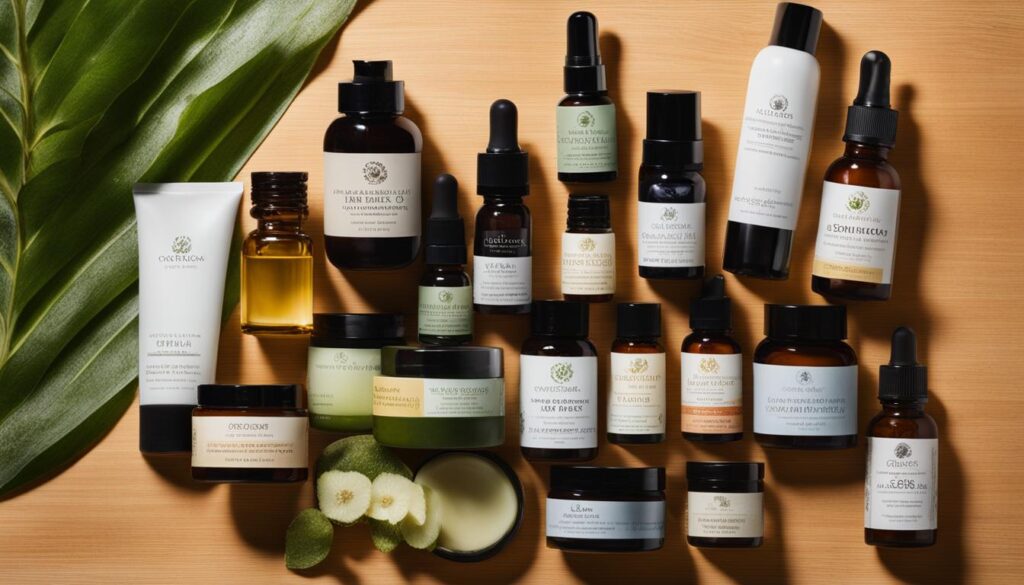
When it comes to taking care of your skin, opting for natural skincare products is essential. These products are free from potentially harmful chemicals that can have negative effects on your skin and overall health. By choosing natural skincare alternatives, you can nourish and care for your skin without the risks associated with chemical ingredients.
One of the key reasons to avoid chemical-laden skincare products is to protect your skin from drying out or becoming irritated. Ingredients such as sulfates, parabens, phthalates, and synthetic fragrances can strip away the skin’s natural oils, leaving it dry and vulnerable. Moreover, some of these chemicals can also disrupt the body’s hormonal balance, which can have long-term consequences for your health.
To ensure the health and well-being of your skin, it’s important to familiarize yourself with the ingredients to avoid in skincare products. Sulfates are commonly used in cleansers to create foam but can be harsh and drying. Parabens, which are synthetic preservatives, have been linked to hormonal disruption. Phthalates are often found in fragrances and can also interfere with hormonal function. Synthetic fragrances themselves can cause skin irritation and even trigger allergies in some individuals.
Instead of turning to products with potentially harmful ingredients, opt for natural skincare products that harness the power of botanicals, minerals, and ingredients derived from nature. These products are gentle on the skin and provide effective nourishment and care.
It’s also important to consider any specific sensitivities or allergies you may have. While natural skincare products are generally well-tolerated, certain individuals may still have sensitivities to specific botanicals or natural ingredients. Checking the labels for potential allergens or conducting a patch test can help avoid any adverse reactions and ensure a positive skincare experience.
Key points to consider when choosing natural skincare products:
- Avoid products containing sulfates, parabens, phthalates, and synthetic fragrances.
- Opt for natural alternatives that are free from potentially harmful chemicals.
- Look for skincare products that contain botanicals, minerals, and ingredients derived from nature.
- Check for potential allergens if you have sensitivities or allergies.
By making informed choices and prioritizing natural skincare products, you can give your skin the care it deserves, promoting a healthy and radiant complexion without compromising your overall well-being.
| Chemical Ingredient | Potential Effects |
|---|---|
| Sulfates | Drying, skin irritation |
| Parabens | Hormonal disruption |
| Phthalates | Hormonal disruption |
| Synthetic fragrances | Skin irritation, allergies |
How to Use Calendula in Everyday Life
Calendula is a versatile herb that offers a wide range of benefits, and incorporating it into your everyday routine is easier than you might think. Below, I will guide you through a few simple ways to make the most of calendula and experience its therapeutic effects in your daily life.
Calendula Tea
One of the easiest ways to enjoy the benefits of calendula is by making a soothing cup of calendula tea. Simply steep dried or powdered calendula flowers in boiling water for about 10 minutes. You can sweeten the tea with honey, add a squeeze of lemon for extra flavor, or enjoy it as is. Calendula tea is not only a delightful beverage but can also be used as a mouth rinse to alleviate throat irritation.
Calendula Oil
Calendula oil is a popular choice for topical applications, especially for wound healing and skincare. You can make your own calendula-infused oil by steeping dried calendula flowers in a carrier oil like olive oil or coconut oil. Allow the mixture to sit for a few weeks, strain it, and you’ll have your homemade calendula oil ready to use. Apply the oil directly to wounds or incorporate it into your skincare routine for added moisture and nourishment.
Calendula Cream
If you prefer a more convenient option, calendula cream or ointment can be easily made by combining infused calendula oil with other skin-loving ingredients. Mix the oil with beeswax, shea butter, and essential oils of your choice to create a luxurious and hydrating cream. Calendula cream can be applied to wounds to aid in healing, and it also works wonders in soothing various skin conditions like eczema and dermatitis.
Using calendula tea, oil, or cream can help treat wounds, alleviate skin irritations, and promote overall skin health. Whether you choose to make your own preparations or find pre-made products, incorporating calendula into your everyday life can bring about noticeable improvements to your well-being.
References:
- “Calendula Officinalis: Potential Roles in Wound Healing and Disease.” International Journal of Molecular Sciences, vol. 18, no. 11, 2017, doi:10.3390/ijms18112370.
- “Pharmacological and Therapeutic Effects of Calendula Officinalis: A Systematic Review.” Frontiers in Pharmacology, vol. 10, 2019, doi:10.3389/fphar.2019.00066.
| Calendula Uses | Description |
|---|---|
| Skincare | Calendula is commonly used in skincare products for its moisturizing, anti-inflammatory, and wound-healing properties. |
| Oral Health | Calendula tea can be used as a mouth rinse to soothe sore throats and promote oral health. |
| Wound Healing | Calendula oil and cream help facilitate the healing process and prevent infection in minor wounds, cuts, and scrapes. |
| Skin Conditions | Calendula cream can be used to alleviate the symptoms of eczema, dermatitis, and other skin conditions. |
| Aromatherapy | Calendula essential oil can be diffused or added to baths for a calming and therapeutic experience. |
| Herbal Remedies | Calendula is a key ingredient in many traditional herbal remedies for digestive issues, menstrual discomfort, and more. |
By incorporating calendula into your everyday life, you can harness its powerful benefits and enhance your overall well-being. Whether you choose to enjoy a cup of calendula tea, use calendula oil for healing, or embrace the nourishing properties of calendula cream, this incredible herb has a lot to offer in terms of health and skincare.
Growing Calendula in Your Garden
If you’re looking for an easy-care plant to add beauty to your garden, look no further than Calendula. This versatile flower can be grown in gardens, planters, or pots, making it a perfect choice for any gardening enthusiast. Calendula is a hardy plant that is adaptable to different soil types and can tolerate both sun and shade, providing flexibility in placement options.
When it comes to caring for Calendula, you’ll be pleased to know that it requires limited watering, making it a low-maintenance addition to your garden. This flower is known for its self-seeding abilities, allowing you to enjoy its vibrant blooms year after year without much effort. To encourage more abundant blooming, it’s recommended to regularly harvest the flowers.
As a bonus, growing Calendula in your garden not only adds visual appeal but also provides you with fresh flowers that can be used for various purposes. You can use the petals to create medicinal preparations or incorporate them into your skincare routine, harnessing the soothing and healing properties of Calendula.
| Gardening Tips | Plant Care |
|---|---|
|
|
The Importance of Patch Testing and Allergies
Before using calendula or any new skincare product, it is crucial to perform a patch test on a small area of the skin. This step helps you check for any adverse reactions or allergies that may occur. While calendula is generally safe and well-tolerated, it is important to be aware of the possibility of sensitivities or allergies, especially if you have a history of allergies to flowers or plants in the same family.
Calendula belongs to the Asteraceae family, which also includes other plants like daisies, chrysanthemums, and marigolds. Some individuals may experience allergic reactions or sensitivity to the compounds found in these plants, such as pollen or certain proteins.
The patch test involves applying a small amount of the product containing calendula, such as a cream or oil, to a small area of clean, dry skin. It is recommended to choose a discreet area, such as the inner forearm or behind the ear, to minimize visibility in case of an adverse reaction. Leave the product on the skin for 24 to 48 hours and observe for any signs of redness, itching, swelling, or irritation.
If you experience any of these symptoms during or after the patch test, it is important to discontinue the use of the product and rinse the area thoroughly with water. In severe cases, when symptoms persist or worsen, it is recommended to seek medical attention immediately.
Patch testing is a simple yet crucial step in skincare, as it helps identify potential allergies or sensitivities before applying a product to a larger area of the skin. By performing a patch test, you can ensure the safety and effectiveness of using calendula or products containing calendula in your skincare routine.
| Signs of an Allergic Reaction | What to Do |
|---|---|
| Redness, itching, or swelling at the patch test site | Discontinue use of the product |
| Rash or hives | Rinse the area thoroughly with water |
| Difficulty breathing or swallowing | Seek immediate medical attention |
Conclusion
Calendula, with its versatile properties, proves to be a valuable asset for skin health. Its anti-inflammatory, moisturizing, and wound-healing abilities have made it a popular choice for skincare products and natural remedies. Whether you have sensitive skin or caring for your baby’s delicate skin, calendula is safe to use.
When it comes to skincare, it is crucial to prioritize natural options that are free from potentially harmful chemicals. By choosing products infused with calendula, you can ensure that your skin receives the nourishment it needs without any risks associated with harsh ingredients.
There are various ways to incorporate calendula into your daily routine. You can enjoy its benefits through gentle teas, soothing oils, hydrating creams, or potent extracts. By understanding the advantages and proper usage of calendula, you can harness its healing properties and promote the overall health and radiance of your skin.
FAQ
What are the benefits of calendula?
Calendula has numerous benefits for the skin. It has anti-inflammatory, moisturizing, and wound-healing properties. It is safe for all skin types, including sensitive skin and babies.
What is calendula?
Calendula, also known as Calendula officinalis, is a flower that belongs to the Asteraceae family. It is a beautiful flower with bright yellow or vibrant orange petals.
How does calendula benefit the skin?
Calendula has anti-inflammatory properties that soothe redness and inflammation. It also moisturizes the skin and promotes wound healing. It can delay skin aging and provide gentle care for all skin types.
How can I use calendula in skincare?
Calendula can be found in creams, ointments, oils, and extracts. It can be used to treat conditions like eczema, dermatitis, dandruff, and diaper rash. It can also hydrate and nourish the skin.
What should I look for in natural skincare products?
When choosing skincare products, opt for natural options that are free from potentially harmful chemicals. Avoid ingredients like sulfates, parabens, phthalates, and synthetic fragrances.
How can I incorporate calendula into my everyday life?
You can use calendula in the form of tea, oil, cream, or extract. Calendula tea can be consumed or used as a mouth rinse. Calendula oil can be applied topically for wound healing. Calendula cream can be mixed with other ingredients for easy application.
How can I grow calendula in my garden?
Calendula is an easy-care plant that can be grown in gardens, planters, or pots. It is adaptable to different soil types, requires limited watering, and can tolerate both sun and shade.
Should I perform a patch test before using calendula?
Yes, it is important to perform a patch test on a small area of the skin before using calendula or any new skincare product to check for any adverse reactions or allergies.
What are some of the key benefits of calendula?
Calendula has significant benefits for the skin, including its anti-inflammatory, moisturizing, and wound-healing properties. It is safe and gentle on the skin, making it suitable for people with sensitive skin and even babies.


