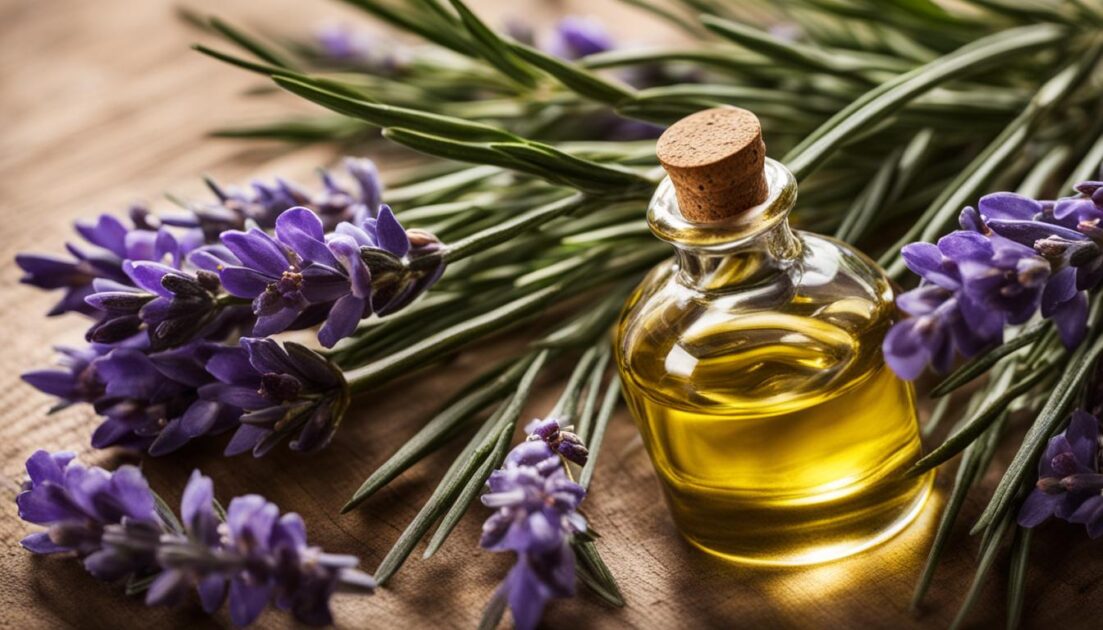
Argan oil, with its numerous health benefits, has gained popularity as a natural skincare and hair care ingredient. Derived from the kernels of the fruit of the argan tree, this organic oil is known for its anti-aging properties and is a key secret of Moroccan beauty rituals.
Argan oil is a versatile oil that can be consumed or applied topically to nourish the skin, hair, and nails. With its high content of essential nutrients, including fatty acids and vitamin E, it offers a range of wellness benefits.
In this article, I will explore the top 12 health benefits and uses of argan oil. From its antioxidant powerhouse to its potential effects on heart health, diabetes, and cancer, argan oil has proven to be a valuable addition to any wellness routine.
Key Takeaways:
- Argan oil is a natural skincare and hair care ingredient, cherished for its anti-aging properties.
- It is derived from the argan tree and has been a staple in Moroccan beauty rituals for centuries.
- Argan oil is rich in essential nutrients, including fatty acids and vitamin E.
- With its antioxidant and anti-inflammatory properties, argan oil may benefit heart health, diabetes, cancer, and various skin conditions.
- When used as a moisturizer, argan oil nourishes and hydrates the skin and hair.
Essential Nutrients in Argan Oil
Argan oil is a powerhouse of essential nutrients that provide numerous benefits for the body. Rich in fatty acids, phenolic compounds, and vitamin E, argan oil offers a natural and effective way to nourish and protect the skin, hair, and overall health.
The Essential Fatty Acids in Argan Oil
Fatty acids are crucial for maintaining healthy cellular function and promoting overall well-being. Argan oil contains two vital fatty acids:
- Linoleic Acid: This omega-6 fatty acid constitutes approximately 29-36% of the fatty acid content in argan oil. Linoleic acid plays a crucial role in maintaining the skin’s barrier function, improving moisture retention, and reducing skin inflammation.
- Oleic Acid: With a composition of 43-49% in argan oil, oleic acid is a monounsaturated fat that is also found in olive oil. Oleic acid aids in improving skin elasticity, enhancing hair strength, and providing nourishment for healthy skin and hair.
The Phenolic Compounds in Argan Oil
Phenolic compounds are potent antioxidants that protect the body against oxidative stress and inflammation. Argan oil contains a variety of phenolic compounds that contribute to its exceptional antioxidant properties.
“Phenolic compounds present in argan oil have been shown to scavenge free radicals and reduce inflammation, which helps combat the signs of aging and maintain skin health.”
Vitamin E: The Antioxidant Powerhouse
Vitamin E is a crucial nutrient known for its antioxidant properties. Argan oil is a rich source of vitamin E, providing nourishment and protection for the skin, hair, and eyes. Vitamin E works alongside other antioxidants in argan oil to neutralize free radicals, reduce oxidative stress, and promote overall skin health.
With essential fatty acids, phenolic compounds, and vitamin E, argan oil is a natural gem that offers a multitude of benefits for your body, inside and out.
| Essential Nutrients in Argan Oil | Percentage in Argan Oil |
|---|---|
| Linoleic Acid | 29-36% |
| Oleic Acid | 43-49% |
| Phenolic Compounds | – |
| Vitamin E | – |
Antioxidant and Anti-Inflammatory Properties of Argan Oil
Argan oil is known for its remarkable antioxidant and anti-inflammatory properties, making it a powerful addition to your skincare and wellness routine.
The presence of phenolic compounds in argan oil contributes to its antioxidant capacity, helping to combat the harmful effects of free radicals in the body. These compounds work by neutralizing oxidative stress, reducing inflammation, and promoting overall health.
One of the key antioxidants found in argan oil is vitamin E, or tocopherol. Vitamin E acts as a potent free radical scavenger, protecting the body’s cells from damage and supporting healthy aging.
In addition to vitamin E, argan oil contains other beneficial compounds such as CoQ10, melatonin, and plant sterols, which further enhance its antioxidant properties.
“The antioxidant properties of argan oil play a crucial role in supporting the body’s natural defense mechanisms against oxidative stress and inflammation.”
Studies have demonstrated that argan oil can effectively reduce inflammatory markers and alleviate inflammation caused by injuries or infections. By reducing inflammation, argan oil may help promote better skin health, support heart health, and contribute to overall wellness.
With its potent antioxidant and anti-inflammatory properties, argan oil offers numerous benefits for your skin, hair, and overall health.
| Benefits of Argan Oil | Antioxidant Properties | Anti-Inflammatory Properties |
|---|---|---|
| Skin Health | Protects against free radicals, reduces oxidative stress | Reduces inflammation, soothes skin conditions |
| Heart Health | Supports cardiovascular health, reduces oxidative stress | Alleviates inflammation, supports healthy blood vessels |
| General Wellness | Boosts overall antioxidant activity, combats free radicals | Reduces inflammation, supports immune function |
Heart Health Benefits of Argan Oil
When it comes to promoting heart health, argan oil proves to be a valuable ally. The high content of oleic acid, a monounsaturated omega-9 fat, makes argan oil an excellent choice for maintaining a healthy heart. Similar to avocado and olive oils, oleic acid is known for its heart-protective effects.
Studies have shown that incorporating argan oil into your diet or skincare routine can have a positive impact on heart health. One of the key benefits is its ability to reduce LDL cholesterol levels, often referred to as “bad” cholesterol. By decreasing LDL cholesterol, argan oil helps prevent the accumulation of plaque in the arteries, supporting cardiovascular health.
In addition to lowering LDL cholesterol, argan oil is rich in antioxidants. These powerful compounds help counteract oxidative stress, which can contribute to heart disease. By increasing the levels of antioxidants in the blood, argan oil helps protect against cellular damage and inflammation.
Here is a closer look at the heart health benefits of argan oil:
| Benefit | Description |
|---|---|
| Reduces LDL Cholesterol | Argan oil has been shown to decrease levels of LDL cholesterol, reducing the risk of heart disease. |
| Increases Antioxidants | The rich antioxidant content of argan oil helps protect against oxidative stress, a common precursor to heart disease. |
By incorporating argan oil into your daily routine, you can take a proactive approach to your heart health. Whether consumed or applied topically, argan oil offers a natural and beneficial way to support a healthy heart.
Quote:
“Argan oil’s high content of oleic acid and antioxidants makes it an excellent choice for promoting heart health and reducing the risk of heart disease.” – Dr. Sarah Thompson, Cardiologist
Potential Benefits of Argan Oil for Diabetes
Argan oil is not only known for its culinary and skincare uses but also for its potential benefits in managing diabetes. While more research is needed to confirm its effects in humans, some animal studies have shown promising results.
In these studies, argan oil has been found to reduce fasting blood sugar levels and improve insulin resistance, which are important factors in diabetes management. These potential benefits can be attributed to the presence of antioxidants in argan oil.
Antioxidants play a crucial role in protecting the body from oxidative stress, which is commonly seen in individuals with diabetes. By reducing oxidative stress, argan oil may help regulate blood sugar levels and improve insulin sensitivity.
While the results from animal studies are encouraging, it’s important to note that further research is needed to determine the exact mechanisms and effects of argan oil on diabetes in humans.
Key Takeaways:
- Argan oil has potential benefits for managing diabetes.
- Animal studies have shown that argan oil may help reduce fasting blood sugar levels and improve insulin resistance.
- The antioxidant content of argan oil is believed to contribute to these effects.
- More research is required to establish the effectiveness of argan oil in managing diabetes in humans.
Anti-Cancer Effects of Argan Oil
Studies have shown that argan oil exhibits promising anti-cancer effects, making it a potential natural ally in the fight against cancer. The polyphenolic compounds found in argan oil have been shown to inhibit the growth and reproduction of certain cancer cells, according to test-tube studies.
In fact, the extract from argan oil has demonstrated impressive results in reducing cancer cell growth. For example, in prostate cancer cells, the extract was found to reduce cell growth by a significant 50%. This highlights the potential of argan oil in slowing down the progression of cancer.
Furthermore, a mixture of argan oil and vitamin E has shown promise in inducing cell death in breast and colon cancer cells. The combination of these two powerful anti-cancer agents may provide synergistic effects, effectively targeting cancer cells and impeding their growth.
Though these preliminary findings are promising, further research is necessary to determine the full potential of argan oil in cancer treatment. Nevertheless, the anti-cancer properties of argan oil, attributed to its polyphenolic compounds and their influence on cell growth and cell death, hold exciting possibilities for future therapeutic applications.
The Potential of Argan Oil in Cancer Treatment
“Findings from test-tube studies suggest that argan oil and its polyphenolic compounds may inhibit the growth and reproduction of certain cancer cells. The extract from argan oil has shown significant reductions in cancer cell growth in prostate cancer cells, while a combination of argan oil and vitamin E has induced cell death in breast and colon cancer cells. Further research is needed to explore the potential of argan oil in cancer treatment.”
Argan Oil for Skin Aging
Argan oil has gained popularity for its potential anti-aging effects on the skin. Its unique composition makes it a promising ingredient in skincare routines.
When ingested or applied topically, argan oil may help slow down the aging process by reducing inflammation and oxidative stress. These properties contribute to maintaining skin health and vitality.
Several small studies have explored the effects of argan oil on skin aging. In one study, postmenopausal women who applied argan oil topically experienced an improvement in skin elasticity and hydration. These findings suggest that argan oil can help combat the natural decline of these factors that comes with age.
However, more research is needed to fully understand the comprehensive anti-aging benefits of argan oil and its long-term effects. Nevertheless, its potential to enhance skin elasticity and hydration makes it a noteworthy ingredient in anti-aging skincare products.
| Benefits of Argan Oil for Skin Aging | Evidence |
|---|---|
| Reduces inflammation and oxidative stress | Studies suggest that argan oil can help reduce inflammation and oxidative stress, which are key factors in skin aging. |
| Increases skin elasticity | Small studies have demonstrated that argan oil can improve skin elasticity, especially in postmenopausal women. |
| Enhances skin hydration | Argan oil has been shown to increase skin hydration, providing essential moisture to the skin. |
“Argan oil’s anti-inflammatory properties and ability to improve skin elasticity and hydration make it an interesting ingredient for anti-aging skincare products.”
By incorporating argan oil into your skincare routine, you can benefit from its potential anti-aging properties. However, it is essential to choose high-quality, organic argan oil and follow best practices for application to maximize its effectiveness.
Discover the transformative effects of argan oil on your skin and unlock the secrets to a more youthful appearance.
Argan Oil for Skin and Hair Care
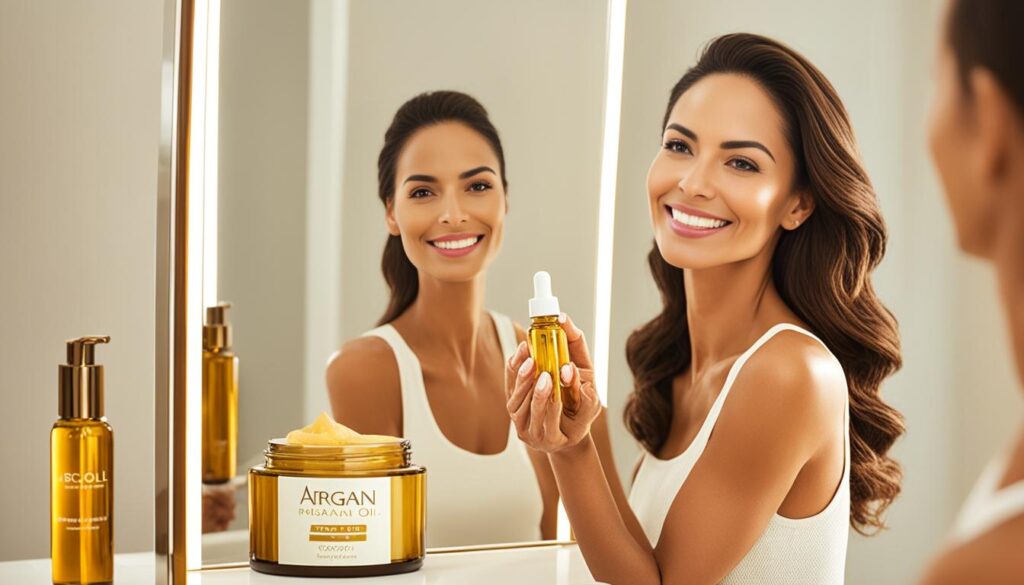
Argan oil is widely recognized for its exceptional moisturizing and hydrating properties, making it a popular ingredient in skincare and hair care products. Whether applied directly or used as an ingredient in cosmetics, argan oil provides nourishment and rejuvenation to both the skin and hair.
Studies have demonstrated the beneficial effects of argan oil on skin hydration, helping to lock in moisture and prevent dryness. Its deeply nourishing properties make it especially effective in treating conditions such as eczema and psoriasis, providing relief and promoting healthier skin.
For hair care, argan oil is a versatile and nourishing solution. It helps to repair damaged hair strands, reducing breakage and improving overall hair health. Additionally, argan oil enhances hair shine, leaving your locks looking lustrous and vibrant.
To illustrate the benefits of argan oil for skin and hair care, consider the following:
| Benefits of Argan Oil for Skin and Hair | Benefits |
|---|---|
| Improves skin hydration | Locks in moisture and prevents dryness |
| Treats skin conditions | Provides relief for eczema and psoriasis |
| Repairs damaged hair | Reduces breakage and improves overall hair health |
| Enhances hair shine | Leaves hair looking lustrous and vibrant |
With its hydrating and nourishing qualities, argan oil is a valuable addition to your skincare and hair care routine. Experience the multiple benefits of this natural treasure and indulge in the rejuvenating effects it offers for both your skin and hair.
Conclusion
After exploring the numerous health benefits of argan oil, it’s clear that this natural skincare and hair care powerhouse is a must-have addition to your daily routine. With its rich content of essential nutrients, antioxidant and anti-inflammatory properties, organic argan oil has been treasured as a Moroccan beauty secret for centuries.
Not only does argan oil provide nourishment and hydration, but it also possesses remarkable anti-aging properties. Its vitamin E-rich formulation acts as a potent antioxidant, combating free radicals and reducing inflammation. With regular use, argan oil can restore skin elasticity, promote wound healing, and rejuvenate hair damaged by environmental factors.
Whether you’re looking to enhance your skincare regimen or revitalize your hair, embracing the power of organic argan oil ensures you’re investing in the best. Unlock the secrets of Moroccan beauty and make argan oil your go-to nourishing moisturizer. Illuminate your natural beauty with this vitamin E-rich antioxidant powerhouse, offering you the ultimate in healthy benefits for your skin and hair.
FAQ
What is argan oil?
Argan oil is a versatile oil that can be consumed or applied topically to the skin, hair, and nails. It is derived from the kernels of the fruit of the argan tree and is used worldwide for culinary, cosmetic, and medicinal purposes.
What are the essential nutrients in argan oil?
Argan oil is rich in essential nutrients, including fatty acids and phenolic compounds. The fatty acid content of argan oil is primarily composed of linoleic acid (omega-6) and oleic acid (a healthy fat also found in olive oil). It is also a rich source of vitamin E, which is essential for healthy skin, hair, and eyes, and has powerful antioxidant properties.
What are the antioxidant and anti-inflammatory properties of argan oil?
Argan oil contains various phenolic compounds that contribute to its antioxidant and anti-inflammatory properties. Vitamin E, or tocopherol, is a potent antioxidant found in argan oil that helps reduce the damaging effects of free radicals. Other compounds present in argan oil, such as CoQ10, melatonin, and plant sterols, also contribute to its antioxidant capacity. Studies have shown that argan oil can reduce inflammatory markers and inflammation caused by injuries or infections.
How does argan oil benefit heart health?
Argan oil is beneficial for heart health due to its high content of oleic acid, a monounsaturated omega-9 fat. Studies have shown that argan oil can reduce “bad” LDL cholesterol levels and increase levels of antioxidants in the blood. Consumption of argan oil has been associated with a reduction in heart disease risk factors like LDL cholesterol and triglycerides.
Can argan oil help with diabetes?
Some animal studies suggest that argan oil may help prevent diabetes by reducing fasting blood sugar and insulin resistance. These potential benefits are attributed to the antioxidant content of argan oil. However, more research is needed to determine if argan oil has the same effects in humans.
Does argan oil have anti-cancer effects?
Test-tube studies have shown that argan oil and its polyphenolic compounds can inhibit the growth and reproduction of certain cancer cells. The extract from argan oil has been found to reduce cancer cell growth in prostate cancer cells and increase cell death in breast and colon cancer cells. Further research is needed to determine the potential of argan oil in cancer treatment.
Is argan oil effective for skin aging?
Argan oil has become popular for its potential anti-aging effects on the skin. It may help slow the aging process by reducing inflammation and oxidative stress when ingested or applied topically. Some small studies have shown that argan oil can increase skin elasticity and hydration, especially in postmenopausal women. More research is needed to fully understand the anti-aging benefits of argan oil.
How can argan oil be used for skin and hair care?
Argan oil is widely used in skincare and hair care products due to its moisturizing and hydrating properties. It can be directly applied to the skin and hair or used as an ingredient in cosmetic products. Studies have shown that argan oil can improve skin hydration, reduce hair damage, and enhance hair shine. It is a versatile and nourishing moisturizer for both the skin and hair.
What are the overall benefits of using argan oil?
Argan oil offers a multitude of benefits for overall wellness, including its essential nutrient content, antioxidant and anti-inflammatory properties, and potential benefits for heart health, diabetes, cancer, skin aging, skin conditions, wound healing, and moisturizing the skin and hair. It is a versatile and natural ingredient that has been used for centuries in Moroccan beauty rituals. Incorporating argan oil into your daily routine can provide nourishment, hydration, and anti-aging benefits for your skin and hair.


