
When it comes to achieving soft and supple skin, there’s a secret ingredient that I swear by – rosemary oil. This natural essential oil, extracted from the leaves of the Rosemary plant, has been used for centuries in food and medicine. But did you know that it can also work wonders for your skin?
Rosemary oil is not just another trendy skincare product. It has incredible moisturizing properties that can leave your skin feeling hydrated and nourished. When added to any body moisturizer, it penetrates deep into the skin, providing intense hydration while also killing bacteria that can cause skin problems like acne and spots. It’s like giving your skin a tall glass of water and a shield against harmful bacteria, all in one go.
Key Takeaways:
- Natural rosemary oil is a game-changer for body moisturization, thanks to its moisturizing and antibacterial properties.
- By adding rosemary oil to your body moisturizer, you can hydrate and nourish your skin, while protecting it from acne-causing bacteria.
- Rosemary oil is a versatile ingredient that can be used in various skincare products for its rejuvenating and moisturizing effects.
- Organic rosemary oil is a great choice for those looking for a natural and sustainable way to hydrate their skin.
- With rosemary oil, you can achieve soft and supple skin that radiates health and vitality.
The Benefits of Rosemary Oil for Hair Growth and Scalp Health
Rosemary oil is not only beneficial for the skin, but also for promoting hair growth and maintaining a healthy scalp. With its natural properties, rosemary oil has been found to prevent hair loss, stimulate hair growth, improve scalp health, and reduce dandruff.
One of the main ways rosemary oil promotes hair growth is by increasing blood circulation to the hair follicles. This stimulates hair growth and nourishes the follicles, providing the essential nutrients needed for healthy hair. By regularly massaging the scalp with rosemary oil, the blood flow is enhanced, resulting in stronger and thicker hair.
In addition to promoting hair growth, rosemary oil also improves scalp health. Its antimicrobial properties help reduce scalp inflammation and prevent the buildup of bacteria, which can lead to dandruff and other scalp issues. Regular use of rosemary oil can help maintain a clean and healthy scalp environment.
To utilize the benefits of rosemary oil for hair growth, there are various methods of application. One popular method is to massage the oil directly onto the scalp, ensuring it reaches the hair follicles. Another option is to mix rosemary oil with other hair-friendly oils like onion or bhringraj oil for added nourishment and enhancement of hair growth. Many people prefer to leave the oil overnight and wash it off the next morning to allow the oil to penetrate the scalp and provide optimum results.
Incorporating rosemary oil into your hair care routine can not only stimulate hair growth and prevent hair loss but also improve scalp health and reduce dandruff. Its natural properties make it a beneficial addition to any hair treatment or routine.

Key Benefits of Rosemary Oil for Hair Growth and Scalp Health:
- Stimulates hair growth
- Prevents hair loss
- Improves scalp health
- Reduces dandruff
Rosemary oil is a natural and effective remedy for promoting hair growth and maintaining a healthy scalp. Its unique properties nourish the hair follicles, stimulate blood circulation, and reduce scalp inflammation, resulting in stronger, thicker hair and a healthier scalp.
Using Rosemary Oil for Radiant Skin
When it comes to achieving radiant skin, rosemary oil is a must-have ingredient. Packed with powerful antioxidant and antibacterial properties, rosemary oil offers a range of benefits to improve the overall health and appearance of your skin.
Rosemary oil is particularly effective in controlling acne and reducing inflammation. Its natural antimicrobial properties help combat acne-causing bacteria, while its antioxidant compounds neutralize free radicals that contribute to skin inflammation. This not only helps clear up acne but also promotes a healthier complexion.
In addition to controlling acne, rosemary oil is known to tighten the skin tone, giving it a firmer and more youthful appearance. Its astringent properties help to minimize the appearance of pores and reduce sagging, leaving your skin looking smooth and rejuvenated.
Another benefit of rosemary oil is its ability to improve blood circulation. When applied topically, rosemary oil stimulates blood flow, which can enhance the delivery of nutrients and oxygen to the skin cells, promoting a healthy and vibrant complexion.
Not only does rosemary oil improve blood circulation, but it also helps even out the skin tone. Its natural properties can reduce the appearance of dark spots and uneven pigmentation, resulting in a more balanced and radiant complexion.
There are several ways to incorporate rosemary oil into your skincare routine for maximum benefits. You can mix a few drops of rosemary oil with rose water to create a refreshing facial toner or add it to your favorite face mask for an extra boost of nourishment for your skin.
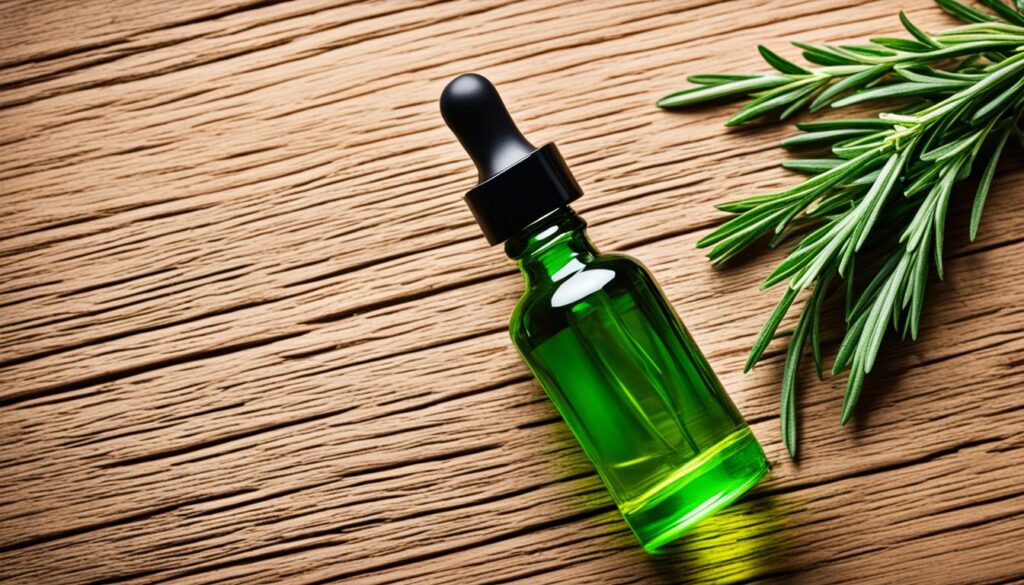
With regular use, rosemary oil can leave your skin looking healthy, radiant, and rejuvenated. Experience the transformative power of rosemary oil and unlock the true potential of your skin.
Different Forms of Rosemary Extracts for Skincare and Haircare
Rosemary offers a wide range of forms for incorporating its benefits into skincare and haircare products. Each form provides unique advantages and can be used in various formulations to achieve desired effects. Let’s explore the different forms of rosemary extracts:
- Rosemary Essential Oil: Derived from the leaves of the rosemary plant, this highly concentrated oil is known for its aromatic scent and therapeutic properties. It can be used to promote hair growth and treat various skin conditions.
- Rosemary CO2 Extract: This extract is obtained using carbon dioxide, resulting in a highly concentrated form of rosemary. It retains more of the plant’s natural compounds, making it potent and effective for skincare and haircare applications.
- Rosemary Hydrosol: Also known as rosemary floral water, this gentle extract is produced by steam distillation. It is refreshing and soothing, making it ideal for use in facial mists and toners.
- Rosemary Infused Oil: Made by infusing rosemary leaves in carrier oils such as jojoba or olive oil, this extract combines the benefits of both rosemary and the carrier oil. It can be used in massage oils, hair serums, and body moisturizers.
- Rosemary Tincture: This extract is created by steeping rosemary leaves in alcohol, resulting in a potent liquid. It can be used in hair rinses, scalp treatments, and skincare products for its antimicrobial and astringent properties.
- Rosemary Leaf Powder: Finely ground rosemary leaves can be used in DIY face masks, scrubs, and hair masks to provide exfoliation and antioxidant benefits.
- Rosemary Flower Wax: Extracted from rosemary flowers, this wax is rich in natural plant compounds. It can be incorporated into lip balms, creams, and ointments for its moisturizing and protective properties.
By utilizing these different forms of rosemary extracts, skincare and haircare products can benefit from the various properties and qualities of this versatile herb.
The Chemical Compounds and Benefits of Rosemary Extracts
Rosemary is a versatile herb that offers numerous health and beauty benefits. Its extracts are rich in chemical compounds that contribute to its remarkable properties. Let’s explore the various compounds found in rosemary and how they benefit our hair and skin.
Antioxidant Properties
Rosemary extracts contain powerful antioxidants that help protect our hair and skin from damage caused by free radicals. These antioxidants, such as carnosic acid and rosmarinic acid, neutralize harmful molecules and reduce oxidative stress, promoting healthier hair growth and youthful-looking skin.
Anti-inflammatory Properties
The anti-inflammatory compounds in rosemary, including rosmarinic acid, help soothe inflammation in the scalp and skin. By reducing inflammation, rosemary extracts can alleviate scalp conditions like dandruff, promote a healthy scalp environment for hair growth, and calm irritated skin, leading to a more even complexion.
Antimicrobial Properties
Thanks to its antimicrobial properties, rosemary extracts can help combat various microbial infections. The compounds found in rosemary, like cineol and camphor, possess antimicrobial activity, inhibiting the growth of bacteria and fungi. Incorporating rosemary extracts in hair and skincare products can help maintain a clean and healthy scalp and protect the skin from infections.
Hair Growth and Scalp Health
Using rosemary extracts for hair care can stimulate hair growth and enhance scalp health. The antioxidant and anti-inflammatory properties of rosemary promote better blood circulation to the scalp, nourishing the hair follicles and encouraging hair growth. Additionally, rosemary extracts can help balance oil production, reduce scalp irritation, and prevent conditions like dandruff.
Skin Protection and Repair
Rosemary extracts offer significant benefits for the skin. The antioxidants present in rosemary protect the skin against environmental stressors and free radicals, preventing premature aging and improving overall skin tone. Additionally, the anti-inflammatory properties of rosemary extracts can calm skin irritations and promote skin repair, helping to maintain a healthy and radiant complexion.
Now that we have explored the chemical compounds found in rosemary extracts and their benefits for hair and skin, let’s move on to the safe and effective utilization of rosemary extracts in various formulations to maximize their potential.
Using Rosemary Extracts Safely and Effectively in Formulations
While harnessing the benefits of rosemary extracts in cosmetic formulations, it is essential to prioritize safety and consider the potential for skin sensitivity and allergic reactions in some individuals. Implementing proper safety measures, including assessing the allergenic compounds present in rosemary extracts and adhering to established limits, is crucial for creating formulations that are both effective and safe for consumers.
Rosemary extracts contain a variety of chemical compounds that contribute to their beneficial properties. However, certain individuals may experience skin irritation or allergic responses to these compounds.
To ensure the safety of formulations containing rosemary extracts, it is recommended to conduct a comprehensive review of the Cosmetic Ingredient Review (CIR) guidelines and relevant safety data. This will help inform the appropriate usage levels and restrictions based on the specific composition of the extract and the intended product.
In addition to safety considerations, rosemary extracts, particularly CO2 and oleoresin extracts, offer the advantage of extending the shelf life of cosmetic products. These extracts possess antioxidant properties and can effectively slow down oxidation processes, thereby preserving the quality and efficacy of the formulation over time.
When incorporating rosemary extracts into formulations, it is essential to strike a balance between their beneficial properties and the potential for skin sensitivity or allergic reactions. Adhering to recommended usage levels and conducting patch tests is crucial to ensure the safety and efficacy of the final product.
Recommended Usage Levels of Rosemary Extracts
| Type of Extract | Recommended Usage Level (%) |
|---|---|
| Rosemary CO2 Extract | 0.2 – 1.0% |
| Rosemary Oleoresin Extract | 0.1 – 0.5% |
| Other Rosemary Extracts | Depends on concentration and purpose |
By following proper guidelines and implementing a cautious approach, formulators can effectively utilize the beneficial properties of rosemary extracts while ensuring the safety and well-being of consumers.
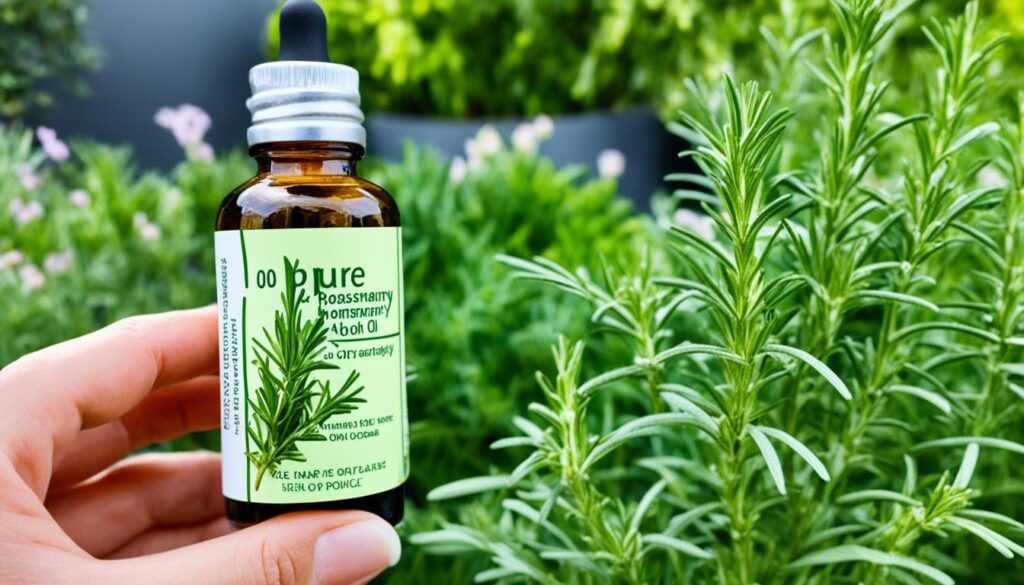
Incorporating Rosemary Extracts in Skincare and Haircare Formulations
When formulating skincare and haircare products with rosemary extracts, I consider the specific needs of the product and target audience. Rosemary is a versatile ingredient with numerous benefits for the skin and hair, and it can be used in combination with complementary ingredients to enhance its efficacy.
One important aspect of incorporating rosemary extracts is determining the appropriate concentration levels. Depending on the desired outcome, different concentrations of rosemary can be used to achieve the perfect balance and efficacy in the formulation. This allows me to customize the product according to the specific requirements and preferences of the target audience.
I also pay attention to the selection of complementary ingredients. By pairing rosemary extracts with other natural and beneficial components, I can enhance the overall effectiveness of the product. For example, combining rosemary with lavender oil can create a soothing and aromatic blend that promotes relaxation and stress relief.
In addition, I make sure to optimize the concentration levels of rosemary extracts to maximize their therapeutic benefits. By striking the right balance, I can ensure that the product delivers the desired results without overwhelming the senses or causing any adverse effects.
Here’s an example table showcasing the different types of complementary ingredients and their benefits when combined with rosemary extracts:
| Complementary Ingredient | Benefits |
|---|---|
| Lavender Oil | Calming, promotes relaxation |
| Tea Tree Oil | Antibacterial, helps fight acne |
| Aloe Vera Gel | Soothing, hydrating |
Rosemary Extracts Concentration Guide
Low Concentration: Suitable for mild formulations and products for sensitive skin or scalp.
Medium Concentration: Ideal for everyday skincare and haircare products for general use.
High Concentration: Recommended for intensive treatments or targeted formulations.
By carefully considering the concentration levels, balance, and efficacy of rosemary extracts, I can create skincare and haircare formulations that harness the full potential of this natural ingredient. The result is products that deliver nourishment, hydration, and overall improvement to the skin and hair.
Conclusion
Rosemary oil is a versatile natural ingredient that offers a wide range of benefits for body moisturization, hair growth, and skincare. Its antioxidant properties help nourish the skin, while its anti-inflammatory and antimicrobial properties can control acne and improve scalp health. By incorporating rosemary extracts into organic formulations, you can tap into the power of this natural ingredient to achieve radiant skin and healthy hair.
With its proven effectiveness and versatility, rosemary oil is a valuable addition to any skincare or haircare routine. Whether you’re looking for a body moisturizer to hydrate and nourish your skin or a solution to stimulate hair growth and prevent hair loss, rosemary oil can provide the desired results.
As the demand for natural skincare and haircare products continues to rise, incorporating rosemary oil into formulations is a trend that aligns perfectly with the growing consumer preference for organic, plant-based ingredients. By harnessing the benefits of rosemary oil, you can offer customers a natural and effective solution for their skincare and haircare needs, catering to the ongoing haircare trends and providing them with a truly holistic beauty experience.
FAQ
What is rosemary oil, and how is it used in body moisturizers?
Rosemary oil is a natural essential oil extracted from the leaves of the rosemary plant. It can be added to any moisturizer to hydrate and nourish the skin while providing antimicrobial benefits.
How does rosemary oil stimulate hair growth and prevent hair loss?
Rosemary oil increases blood flow to the hair follicles, nourishing them and promoting hair growth. It also improves scalp health and reduces dandruff, contributing to healthy hair growth.
What are the benefits of using rosemary oil for the skin?
Rosemary oil has antioxidant and antibacterial properties that control acne, reduce inflammation, tighten skin tone, improve blood circulation, and even out the skin tone.
In what forms can rosemary be used for skincare and haircare products?
Rosemary can be used as essential oil, CO2 extract, hydrosol, infused oil, tincture, leaf powder, and flower wax. Each form offers unique advantages and can be used in different formulations based on the desired effects.
What are the chemical compounds present in rosemary extracts and their benefits?
Rosemary extracts contain compounds such as carnosic acid, rosmarinic acid, and caffeic acid, which contribute to their antioxidant, anti-inflammatory, and antimicrobial properties. These properties promote hair growth, scalp health, protect and repair the skin, and treat various skin conditions.
Are there any safety considerations when using rosemary extracts?
While rosemary extracts offer many benefits, they can also cause skin irritation and allergic reactions in some individuals. It is important to assess the allergen compounds present in rosemary extracts and use them within safe limits in formulations. Rosemary extracts can also extend the shelf life of cosmetic products by slowing down oxidation.
How can rosemary extracts be effectively incorporated into skincare and haircare formulations?
When formulating with rosemary extracts, it is important to consider the specific needs of the product and the target audience. Rosemary can be used in combination with other ingredients that complement its benefits, and different concentrations can be experimented with to achieve the desired balance and efficacy in the formulation.
What are the benefits of using rosemary oil in body moisturizers?
Rosemary oil nourishes the skin, promotes hair growth, controls acne, and improves scalp health. It has antioxidant, anti-inflammatory, and antimicrobial properties that contribute to soft and supple skin.


