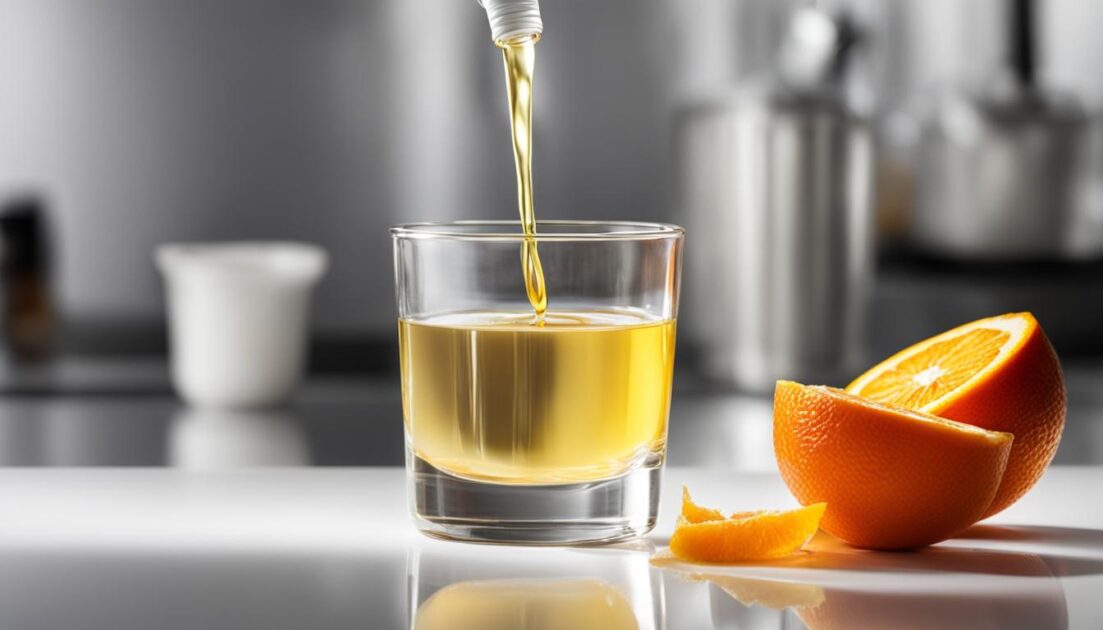
When it comes to purchasing essential oils, authenticity and purity are paramount. Consumers want to know that the product they are buying is genuine, free from impurities, and derived from its true botanical source. In the case of orange oil, verifying its purity is essential to ensure its effectiveness and safety.
To help you navigate the world of orange oil, this guide will provide you with methods for checking orange oil purity, tips for evaluating its quality, and insights into the standards for authentic orange essential oil. By understanding how to determine the purity of orange oil, you can make informed choices and enjoy the benefits it offers.
Key Takeaways:
- Checking the purity of orange oil is crucial to ensure its authenticity and effectiveness.
- Professional testing methods, such as GC-MS, can help determine the purity of orange oil.
- Trustworthy suppliers will provide a purity statement, transparency of testing, and a positive reputation.
- A ‘pure’ essential oil is derived from its genuine botanical source without any fillers or impurities.
- Organic certification ensures compliance with practices that reduce the use of synthetic pesticides and chemical contaminants in essential oils.
What Is A ‘Pure’ Essential Oil?
A ‘pure’ essential oil is one that has been derived from its genuine botanical source and does not contain any fillers, additives, or other impurities. The composition of an essential oil determines its purity, and it should be fully and completely composed of the plant source printed in Latin on the label. Different views on essential oil purity exist, with some emphasizing therapeutic impact and authenticity. However, a generally accepted definition of essential oil purity is that it is derived from the genuine botanical source without any fillers or impurities.
When it comes to essential oils, purity is of paramount importance. A genuine essential oil is obtained through a meticulous extraction process from its botanical source. It is essential that no extraneous substances are added during manufacturing, ensuring the oil retains its natural integrity.
Essential oils are prized for their therapeutic properties and aromatic benefits. To fully experience these benefits, it’s crucial to use pure essential oils that are free from any contaminants. Let’s explore the concept of essential oil purity in more detail:
“The purity of an essential oil is determined by its origin and the absence of fillers or other additives.”
Definition of Essential Oil Purity
The term “pure” in the context of essential oils refers to oils that are obtained from the genuine botanical source without any fillers or impurities. The term is often used to indicate that the oil is unadulterated and in its most natural form.
Essential oil purity goes beyond the absence of fillers or additives. The purity of an essential oil is also determined by factors such as the sourcing, harvesting, and production methods employed. The entire process should prioritize the preservation of the oil’s natural composition and therapeutic properties.
Genuine Botanical Source
When assessing the purity of an essential oil, it is crucial to ensure that it originates from the correct botanical source. This means that the oil should be derived from the specific plant species indicated on the label using its Latin name. The botanical source provides the oil with its unique chemical composition and therapeutic properties.
For example: Lavender essential oil should be obtained from Lavandula angustifolia, not another lavender species like Lavandula stoechas. The chemical composition of these species differs, and using the wrong plant source would result in an adulterated product.
Fillers and Additives in Essential Oils
Fillers and additives are substances that can be added to essential oils to dilute them, increase volume, or lower manufacturing costs. Common fillers include vegetable oils, synthetic extenders, or carrier oils, which are added to stretch the oil and make it more affordable.
While some dilution may be necessary for certain applications such as massage oils, it is essential that these additives are listed clearly on the product label. Transparent labeling provides consumers with the necessary information to make informed choices about the quality and purity of the essential oil.
Impurities in Essential Oils
Impurities can occur in essential oils due to various factors, including the sourcing and extraction processes. External contaminants, such as pesticides, herbicides, or chemicals, can find their way into essential oil products if not carefully controlled.
Pure essential oils undergo rigorous testing to ensure they are free from impurities. These tests include gas chromatography-mass spectrometry (GC-MS) analysis, which identifies the specific compounds present in the oil and confirms its purity.
| Common Impurities in Essential Oils | Potential Effects |
|---|---|
| Chemical contaminants | Can cause skin irritation or allergic reactions |
| Pesticide residues | May pose health risks when applied or inhaled |
| Synthetic additives | Can diminish the therapeutic properties of the oil |
By obtaining essential oils from reputable suppliers who prioritize purity, consumers can trust that the oils they are purchasing are free from impurities. Transparency in sourcing, manufacturing, and testing processes is key to ensuring the highest level of purity and quality.
Essential Oil Adulteration: How to Spot It
Essential oil adulteration is a deceptive practice wherein the composition of essential oils is modified to cut costs and increase profits. Adulteration can compromise the quality and therapeutic benefits of the oil, making it crucial for consumers to be able to identify adulterated products. Detecting adulterated essential oils can be challenging, as some methods of adulteration are difficult to detect by mere sensory evaluation or visual inspection.
Common methods of essential oil adulteration include:
- Dilution with Carrier Oils: Adulterers dilute genuine essential oils with inexpensive carrier oils, such as coconut or almond oil, to increase the quantity and reduce the cost.
- Dilution with Other Essential Oils: Adulterants blend genuine essential oils with cheaper oils, altering the aroma and therapeutic properties of the oil.
- Addition of Synthetic Constituents: To mimic the aroma and chemical profile of genuine oils, synthetic constituents may be added to adulterate essential oils.
- Addition of Natural Constituents: Adulterers may add natural compounds derived from other botanical sources to enhance or modify the fragrance of the oil.
- False Labeling Claims: Adulterated essential oils may be falsely labeled as ‘pure’ or ‘100% natural’, misleading customers into believing they are purchasing a high-quality product.
To ensure the authenticity and purity of essential oils, professional testing methods such as Gas Chromatography-Mass Spectrometry (GC-MS) are commonly employed. GC-MS analysis can identify the chemical components present in the oil, revealing any adulteration or contamination. This testing method provides valuable insights into the composition of essential oils, allowing consumers to make informed decisions when purchasing.
When buying essential oils, it is essential to choose reputable suppliers who prioritize transparency and quality assurance. Look for suppliers who provide detailed information about the oil’s origin, extraction method, and purity testing results. Trustworthy suppliers often have a reputation for their commitment to quality and can provide Certificates of Analysis (CoAs) to verify the purity and authenticity of their oils.
By being vigilant and knowledgeable about essential oil adulteration, consumers can confidently enjoy the benefits of pure, unadulterated essential oils in their daily lives.
The Myth of Essential Oil Purity and Quality
There is a common misconception surrounding the concept of essential oil purity, with many people mistakenly assuming that purity equates to quality. However, the truth is that while purity is undoubtedly an important factor, it does not solely determine the overall quality of an essential oil.
Essential oil purity lacks a universally accepted definition. Nonetheless, there is a general consensus that a pure essential oil is one that is derived from its genuine botanical source without any fillers or impurities. This means that the oil should contain only the natural compounds present in the plant it is derived from.
It’s important to note that even pure essential oils can have natural variations in their composition. Factors such as climate, geography, harvest methods, distilling methods, and storage conditions can all influence the quality of essential oils. For example, the climate in which the plants are grown and the method of harvest can impact the chemical makeup of the oil. These variations do not necessarily indicate a lack of purity, but rather the unique characteristics of the oil.
Quality is a broader concept that encompasses factors beyond purity. It considers the overall sensory experience, therapeutic properties, and the intended purpose of the essential oil. A high-quality essential oil should possess the desired aroma, consistency, and therapeutic benefits that align with its intended use.
When assessing the quality of an essential oil, it is crucial to consider both purity and the specific requirements of the intended use. While purity is an essential component, other factors, including the plant’s origin, cultivation methods, and distillation process, contribute to its overall quality.
Ultimately, it is essential to understand that purity and quality are not interchangeable terms. Purity refers to the absence of fillers or impurities in an essential oil, whereas quality takes into account various factors that influence its overall value and effectiveness.
Factors Affecting Essential Oil Quality
- Climate and geographical location
- Harvest methods
- Distilling methods
- Storage conditions
Variations in Essential Oil Composition
Different views on essential oil purity exist, with some emphasizing therapeutic impact and authenticity. However, a generally accepted definition of essential oil purity is that it is derived from the genuine botanical source without any fillers or impurities.
Impact of Climate and Harvest Methods on Essential Oil Quality
The climate in which plants are grown and the method used for their harvest can significantly influence the quality of essential oils. Each plant has specific climate and soil requirements for optimal growth and development, and variations in these conditions can affect the chemical composition of the oils produced. Similarly, the method of harvest, such as handpicking or mechanical means, can impact the quality of the final product. Proper timing and handling during the harvest process are essential to ensure optimal oil quality.
Overall, understanding the myth of essential oil purity and quality requires recognizing that while purity is an important attribute, quality encompasses a broader range of factors. By considering these elements alongside purity, consumers can make informed decisions and select essential oils that meet their specific needs and preferences.
The Role of Organic Essential Oils in Purity
Organic essential oils play a significant role in ensuring purity compared to non-organic oils. Organic certification guarantees compliance with stringent agricultural and manufacturing practices aimed at reducing the use of synthetic pesticides and chemical contaminants in the production of essential oils.
Organic certification involves rigorous testing and adherence to strict standards, ensuring that the oils are derived from organically grown plants and processed without the use of harmful chemicals. By choosing organic essential oils, consumers can be confident in their purity and minimize exposure to potentially harmful substances.
Organic vs. Non-Organic Oils
When it comes to organic essential oils, one of the key differentiating factors is the cultivation and harvesting practices. Organic oils are sourced from plants that have been grown without the use of synthetic pesticides, herbicides, or fertilizers. This ensures that the plants are not exposed to potentially harmful chemicals that can contaminate the final product.
In contrast, non-organic oils may be produced from plants that have been treated with synthetic pesticides and undergone conventional agricultural practices. These practices can introduce chemical residues into the oil, impacting its purity and potentially posing health risks.
| Organic Essential Oils | Non-Organic Essential Oils |
|---|---|
| Grown without synthetic pesticides and herbicides | Potential exposure to synthetic pesticides |
| No genetically modified organisms (GMOs) | Potential use of GMO crops |
| Adherence to strict organic certification standards | Limited regulation and certification |
Agricultural and Manufacturing Practices
Organic essential oils are produced through agricultural and manufacturing practices that prioritize sustainability, environmental stewardship, and the well-being of workers. These practices include:
- Organic cultivation methods that promote biodiversity and soil health.
- Avoidance of genetically modified organisms (GMOs) in crop production.
- Safe and sustainable harvesting techniques to preserve plant ecosystems.
- Eco-friendly extraction and distillation methods to maintain the integrity of the oil.
Reduction of Synthetic Pesticides and Chemical Contaminants
One of the significant advantages of organic essential oils is the significant reduction in synthetic pesticides and chemical contaminants. Organic certification ensures that the oils are free from residues of synthetic pesticides commonly used in conventional agriculture.
Chemical contaminants, such as heavy metals, solvents, and adulterants, are also minimized in organic essential oils due to the strict standards and testing procedures required for organic certification. This reduction of chemical contaminants enhances the purity and safety of organic essential oils.
By choosing certified organic essential oils, consumers can prioritize their health and well-being while enjoying the therapeutic benefits of pure and uncontaminated oils.
What Is Orange Essential Oil?
Orange essential oil is a highly sought-after natural oil derived from the citrus peel of oranges, specifically from the orange rind. Extracted from the aromatic glands within the peel, orange essential oil is known for its uplifting and refreshing scent, making it a popular choice in aromatherapy and natural remedies.
The extraction process starts with the careful removal of the outer peel, followed by grinding, chopping, and puncturing the peel to release the natural oils contained within. These oils, which are rich in compounds like limonene and myrcene, are then separated from the hydro-based orange juices through a purification and distillation process.
During purification and distillation, impurities and excess moisture are removed, leaving behind a pure, high-quality orange essential oil. This ensures that the final product is free from any contaminants and retains the natural therapeutic properties found in the fruit.
Orange essential oil, also known by its scientific name Citrus sinensis, is a versatile oil that can be used for various health and wellness purposes. From promoting relaxation and reducing stress to supporting digestion and boosting the immune system, orange essential oil offers a wide range of benefits.
| Benefits of Orange Essential Oil | Uses of Orange Essential Oil |
|---|---|
|
|
When using orange essential oil, it is important to dilute it properly and perform a patch test before applying it to the skin, as it can cause skin sensitivity in some individuals. Additionally, those with allergies to citrus fruits should avoid using orange essential oil.
To ensure the highest quality and purity, it is recommended to purchase orange essential oil from reputable suppliers who provide information such as the country of origin, extraction method, and purity testing. Well-known brands like DoTERRA offer a range of high-quality essential oils, including orange essential oil, that undergo rigorous testing processes to guarantee their purity and authenticity.
Benefits and Uses of Orange Essential Oil
Orange essential oil offers a wide range of benefits and can be utilized in various ways to enhance our well-being. Whether it’s for hair care, skincare, or promoting relaxation, this versatile oil has become a popular choice for natural remedies. Let’s explore some of the key benefits and uses of orange essential oil:
Hair Care:
Orange essential oil is known for its nourishing properties that can benefit your hair. It helps in nourishing hair follicles, promoting scalp health, and adding a natural shine to your locks. By incorporating orange essential oil into your hair care routine, you can enjoy healthier and more vibrant hair.
Skin Clarity:
For those struggling with acne or blemishes, orange essential oil can be a great addition to your skincare regimen. It has clarifying properties that can help improve skin clarity and reduce the appearance of imperfections. By incorporating orange essential oil into your skincare routine, you can achieve a clearer, more radiant complexion.
Anxiety and Stress Relief:
Orange essential oil is renowned for its calming and uplifting properties. When used in aromatherapy or in a diffuser, it can help relieve anxiety, stress, and tension. The refreshing citrus aroma of orange essential oil can create a soothing atmosphere, promoting relaxation and a sense of well-being.
Mood Enhancer:
The pleasant aroma of orange essential oil is also a powerful mood enhancer. Its uplifting scent can help improve mood and elevate spirits. By diffusing orange essential oil or using it in a massage, you can experience a boost in positivity and emotional well-being.
Digestion and Metabolism:
Orange essential oil can support healthy digestion and metabolism. When used internally, it can help alleviate digestive discomfort and promote proper digestion. Adding a drop of orange essential oil to your water or a favorite recipe can provide a flavorful and beneficial boost to your digestive system.
Inhalation, Topical Application, and Aromatherapy Massage:
There are several ways to use orange essential oil, depending on the desired effect. Inhalation, either through diffusion or direct inhalation, is a popular method for enjoying its aromatic benefits. Topical application on the skin, when properly diluted with a carrier oil, can offer targeted relief and skincare benefits. Another indulgent way to experience the benefits of orange essential oil is through an aromatherapy massage, where the oil is combined with a carrier oil and applied through gentle massage techniques.
Cleaning Products:
Orange essential oil’s antimicrobial properties make it a fantastic addition to natural cleaning products. It can be used in DIY cleaning recipes to create a fresh and effective cleaner for various surfaces. By incorporating orange essential oil into your cleaning routine, you can maintain a clean and toxin-free environment.
With its numerous benefits and versatile uses, orange essential oil is a valuable addition to any natural health and wellness routine. From enhancing hair and skin to promoting relaxation and supporting overall well-being, this oil offers a delightful and effective solution for various needs.
Safety and Buying Orange Essential Oil
When it comes to using orange essential oil, it is generally safe for most individuals. However, it’s important to note that some people may experience skin sensitivity when using this oil. To ensure a safe experience, it is recommended to dilute the orange essential oil properly before applying it to your skin. Additionally, it’s a good practice to perform a patch test on a small area of your skin to check for any adverse reactions.
Individuals with citrus fruit allergies should avoid using orange essential oil altogether. If you are unsure about whether or not you have an allergy, it is best to consult with a healthcare professional before using this oil.
When buying orange essential oil, it is crucial to choose reputable suppliers that prioritize quality and transparency. Look for suppliers who provide detailed information about the oil, including the country of origin, extraction method, and information on purity testing. Online platforms, pharmacies, and well-known brands like DoTERRA are great options for finding reputable suppliers of orange essential oil.
By following these guidelines, you can safely enjoy the benefits of orange essential oil and make informed purchasing decisions to ensure the highest quality product.
FAQ
How can I check the purity of orange oil?
The purity of orange oil can be checked through professional testing methods such as GC-MS (Gas Chromatography-Mass Spectrometry). Reputable essential oil suppliers often provide transparency by conducting purity testing and providing a purity statement.
What is a ‘pure’ essential oil?
A ‘pure’ essential oil is one that has been derived from its genuine botanical source and does not contain any fillers, additives, or other impurities. It should be fully composed of the plant source printed in Latin on the label.
How can I spot essential oil adulteration?
Essential oil adulteration can be difficult to spot, but there are some signs to look out for. Common methods of adulteration include diluting with carrier oils or other essential oils, adding synthetic or natural constituents, and using false labeling claims. Professional testing methods such as GC-MS can help detect adulteration.
What is the difference between essential oil purity and quality?
Purity refers to the absence of fillers, additives, and impurities in an essential oil. Quality, on the other hand, can vary due to factors such as climate, geography, harvest methods, distilling methods, and storage conditions. It is important to recognize that variations in composition can occur even in pure essential oils.
Are organic essential oils more pure than non-organic oils?
Organic essential oils are believed to have a higher level of purity compared to non-organic oils. Organic certification ensures compliance with agricultural and manufacturing practices that aim to reduce the use of synthetic pesticides and chemical contaminants. However, the purity of an essential oil can be tested and assured whether it is certified organic or not.
How is orange essential oil extracted?
Orange essential oil is extracted from the citrus peel of oranges, specifically from the orange rind. The extraction process involves removing the outer peel, grinding, chopping, and puncturing the peel to release the natural oils. These oils are then separated from hydro-based orange juices through a purification and distillation process.
What are the benefits and uses of orange essential oil?
Orange essential oil has a wide range of benefits and uses. It can be used for hair care, skincare, natural cleaning products, anxiety and stress relief, mood enhancement, digestion, and metabolism. It can be used through inhalation, topical application, aromatherapy massage, and in cleaning products.
Is orange essential oil safe to use?
Orange essential oil is generally safe for use, but it can cause skin sensitivity in some individuals. It is important to dilute it properly and perform a patch test before using it topically. It should be avoided by those with allergies to citrus fruits. When purchasing orange essential oil, buy from reputable suppliers that provide information on the country of origin, extraction method, and purity testing.


