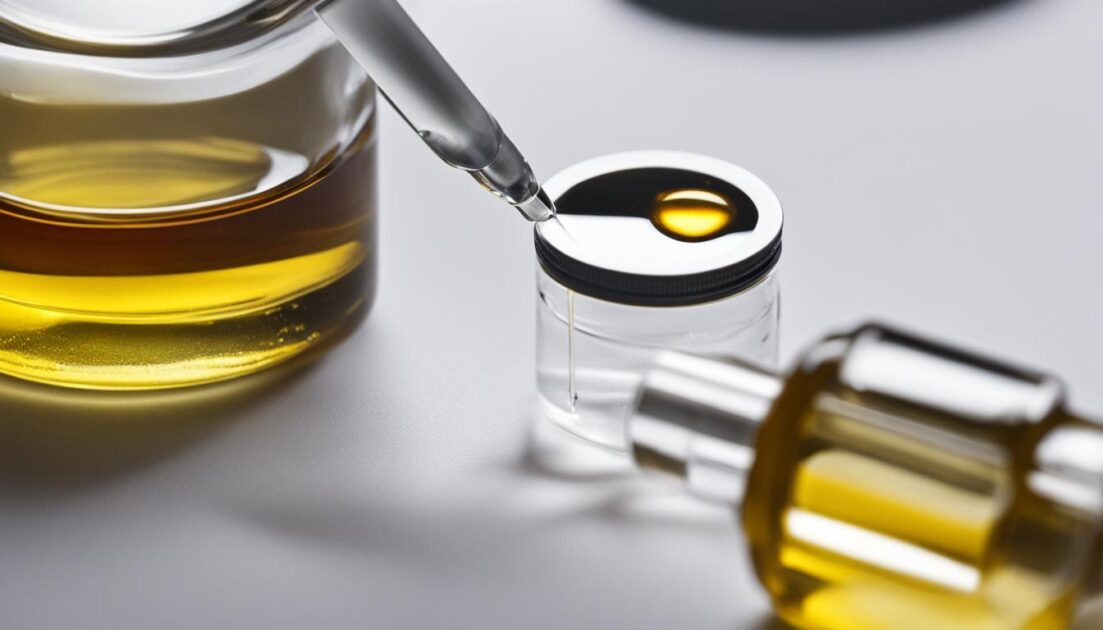
Vitamin E oil is a popular supplement and skincare product with numerous health benefits. It can improve skin health, reduce inflammation, and protect against UV damage. However, it is crucial to ensure that the vitamin E oil you are using is pure and of high quality. In this section, I will guide you on how to check the purity of vitamin E oil and ensure you are getting a product that is safe and effective for your skincare routine.
Key Takeaways:
- Checking the purity of vitamin E oil is essential to ensure its quality.
- Look for certified organic products that are free from pesticides and harmful chemicals.
- Choose cold-pressed oils to preserve the natural nutrients in the oil.
- Check the ingredient list and opt for products with minimal additives.
- Seals from organizations like the USP or NSF International indicate purity and quality.
Forms of Vitamin E Oil
When it comes to vitamin E oil, there are various forms that you should be aware of. Understanding these different forms can help you determine the purity and quality of the vitamin E oil you are using. Let’s take a closer look at the different types of vitamin E oil:
1. Alpha-Tocopherol
This is the most common form of vitamin E oil and is found in many skincare products. It is known for its antioxidant properties and ability to protect the skin from damage caused by free radicals.
2. Beta-Tocopherol
Beta-tocopherol is another form of vitamin E oil that is often found in combination with alpha-tocopherol. It offers similar antioxidant benefits and can help improve overall skin health.
3. Gamma-Tocopherol
Gamma-tocopherol is another important form of vitamin E oil. It has unique anti-inflammatory properties and can help reduce redness and irritation in the skin.
4. Other Forms
In addition to the forms mentioned above, there are other forms of vitamin E oil, such as delta-tocopherol and tocotrienols. While they may not be as commonly used, they still possess their own set of health benefits.
Understanding the different forms of vitamin E oil is crucial in assessing its purity and effectiveness. Each form contributes to the overall benefits of the oil, and high-quality brands often utilize a combination of these forms to provide the best results. Now, let’s take a look at a table summarizing the different forms of vitamin E oil and their unique characteristics:
| Form of Vitamin E Oil | Health Benefits |
|---|---|
| Alpha-Tocopherol | Powerful antioxidant, protects skin from free radicals |
| Beta-Tocopherol | Antioxidant properties, promotes skin health |
| Gamma-Tocopherol | Anti-inflammatory effects, reduces redness and irritation |
| Other Forms | Unique health benefits specific to each form |
As you can see, each form of vitamin E oil offers distinct advantages for the skin and overall well-being. By understanding these forms, you can make informed decisions when selecting a high-quality vitamin E oil that suits your specific needs. Now that we’ve covered the forms of vitamin E oil, let’s explore the benefits it provides for your skin and hair in Section 3.
Benefits of Vitamin E Oil
Vitamin E oil offers several potential benefits for the skin and hair. It is known for its moisturizing properties, ability to reduce the appearance of scars and stretch marks, and protection against UV damage. Additionally, it may help reduce inflammation and improve overall skin health. It is important to choose a pure vitamin E oil to fully reap these benefits.
Moisturizing Properties
Vitamin E oil is a rich source of hydration for the skin. When applied topically, it forms a protective barrier that locks in moisture, keeping the skin hydrated and supple. This can help prevent dryness and keep the skin looking healthy and radiant.
Reducing Scars and Stretch Marks
Vitamin E oil has been praised for its ability to reduce the appearance of scars and stretch marks. Its antioxidant properties help promote tissue repair and regeneration, aiding in the fading of scars and stretch marks over time. Regular application of vitamin E oil to affected areas can contribute to smoother and more even-toned skin.
UV Damage Protection
Exposure to the sun’s harmful UV rays can lead to premature aging, sunburns, and an increased risk of skin cancer. Vitamin E oil can act as a natural sunscreen, providing a layer of protection against UV damage. Its antioxidant properties help neutralize free radicals caused by sun exposure, preventing oxidative stress and potential skin damage.
Anti-Inflammatory Properties
Inflammation is a common underlying factor in many skin conditions, including acne, eczema, and psoriasis. Vitamin E oil possesses anti-inflammatory properties that can help calm and soothe inflamed skin. By reducing inflammation, it contributes to a healthier skin barrier and can alleviate symptoms associated with various skin issues.
Choosing a pure vitamin E oil is essential to fully enjoy these benefits. The market is flooded with various products, so it is important to read labels and look for certified organic options without added chemicals or unnecessary additives. By incorporating vitamin E oil into your skincare routine, you can nurture your skin and hair with its nourishing properties.
Disclaimer: The information provided in this article is for informational purposes only and should not be considered as medical advice. Always consult with a healthcare professional before incorporating new products into your skincare or haircare routine.
How to Choose Pure Vitamin E Oil
When it comes to selecting a vitamin E oil, ensuring its purity is crucial for reaping its benefits. Here are some essential tips to help you choose pure vitamin E oil:
- Look for Certified Organic Products: Opt for vitamin E oils that are certified organic, as they are less likely to have been treated with pesticides or harmful chemicals.
- Choose Cold-Pressed Oils: Cold-pressed vitamin E oils are preferred as they use a gentle extraction process that preserves the natural nutrients and antioxidants present in the oil.
- Check the Ingredient List: Carefully review the ingredient list and avoid oils that contain unnecessary additives or fillers. Choose products with minimal ingredients to ensure purity.
- Seals of Quality: Look for seals from reputable organizations like the USP (United States Pharmacopeia) or NSF International to ensure the purity and quality of the vitamin E oil.
By following these tips, you can confidently choose a pure vitamin E oil that will deliver the maximum benefits for your skincare and health routines.
Comparing Organic and Non-Organic Vitamin E Oils
There can be a significant difference between organic and non-organic vitamin E oils in terms of purity. Organic vitamin E oils are derived from plants that have been grown without the use of synthetic pesticides or fertilizers. They are typically considered purer and more natural compared to their non-organic counterparts.
On the other hand, non-organic vitamin E oils may be derived from conventionally grown plants that could have been treated with various chemicals. These oils may still contain vitamin E, but they may also contain traces of pesticides or harmful substances.
Choosing a certified organic vitamin E oil ensures that you are using a product that has gone through rigorous testing to meet the highest purity standards.
Organic vitamin E oils also tend to have a higher concentration of antioxidants and beneficial compounds, making them more potent and effective for skincare and health purposes.
The Benefits of Cold-Pressed Vitamin E Oil
Cold-pressed vitamin E oils are a popular choice among health-conscious individuals due to their potential for higher purity and better nutrient retention.
In the cold-pressed extraction method, the oil is obtained by mechanically pressing the vitamin E-rich seeds or nuts at low temperatures. This gentle extraction process helps preserve the vitamins, antioxidants, and other natural compounds present in the oil.
The benefits of using cold-pressed vitamin E oil include:
- Retaining the natural antioxidants and nutrients found in the oil
- Enhanced effectiveness and potency
- Reduced exposure to high temperatures, which can degrade the oil’s quality
By choosing a cold-pressed vitamin E oil, you can ensure that you are getting a product that is not only pure but also retains its maximum nutritional value.
Key Considerations for Choosing Pure Vitamin E Oil
| Consideration | Description |
|---|---|
| Certified Organic | Look for vitamin E oils that are certified organic to avoid exposure to pesticides and harmful chemicals. |
| Cold-Pressed | Choose oils that are cold-pressed to preserve the natural nutrients and antioxidants in the oil. |
| Minimal Additives | Check the ingredient list and opt for products with minimal additives and fillers. |
| Seals of Quality | Look for seals from reputable organizations like the USP or NSF International to ensure the purity and quality of the product. |
By considering these key factors, you can make an informed decision and select a pure and high-quality vitamin E oil that will enhance your skincare and health routines.
Using Vitamin E Oil in Skincare and Haircare
Vitamin E oil is a versatile ingredient that can be easily incorporated into skincare and haircare routines, providing numerous benefits for both the skin and hair. Whether you want to improve the health of your skin or enhance the shine and strength of your hair, vitamin E oil can be a valuable addition to your beauty regimen.
Skincare Benefits of Vitamin E Oil
Incorporating vitamin E oil into your skincare routine can help nourish and protect your skin. Its moisturizing properties make it an excellent choice for individuals with dry or dehydrated skin. Vitamin E oil can deeply hydrate the skin, leaving it soft, supple, and rejuvenated.
Vitamin E oil also has antioxidant properties, which can help neutralize free radicals and protect the skin from environmental damage. This can reduce the signs of aging, such as fine lines, wrinkles, and age spots. Additionally, vitamin E oil may help reduce inflammation, making it beneficial for individuals with sensitive or irritated skin.
When using vitamin E oil for skincare, it is important to start with a small amount and gradually increase it as needed. You can apply vitamin E oil directly to the skin or mix it with a carrier oil, such as jojoba or almond oil, for added moisturization. Massage the oil into your skin using gentle, circular motions until it is fully absorbed.
Haircare Benefits of Vitamin E Oil
Using vitamin E oil in your haircare routine can promote healthy hair growth and improve the overall condition of your hair. Its moisturizing properties help prevent dryness and nourish the hair follicles, resulting in stronger and shinier hair.
Vitamin E oil can also protect the hair from damage caused by environmental stressors, such as pollution and UV rays. It forms a protective barrier around the hair strands, minimizing the impact of external factors that can lead to dryness, breakage, and split ends.
To use vitamin E oil in your haircare routine, you can either apply it directly to your hair or mix it with your favorite hair mask or conditioner. Massage the oil into your scalp and along the length of your hair, focusing on the ends. Leave it on for a few minutes or overnight for deep conditioning, then rinse thoroughly.
| Vitamin E Oil for Skincare | Vitamin E Oil for Haircare |
|---|---|
| – Deeply moisturizes the skin | – Promotes healthy hair growth |
| – Protects against free radicals and environmental damage | – Nourishes and strengthens the hair |
| – Reduces signs of aging, such as fine lines and wrinkles | – Prevents dryness and split ends |
| – Soothes and calms irritated skin | – Protects the hair from environmental stressors |
Remember, while vitamin E oil offers numerous benefits, it should not replace other skincare or haircare products and treatments. Instead, it should be used as a supplement to enhance the effectiveness of your existing routine. As with any new product, it is recommended to perform a patch test before applying vitamin E oil to your skin or hair to check for any potential allergic reactions.
By incorporating vitamin E oil into your skincare and haircare routines, you can enjoy the nourishing and protective properties it offers. Whether you want to achieve smooth and hydrated skin or strong and lustrous hair, vitamin E oil can be a valuable addition to your beauty arsenal.
Natural vs. Synthetic Vitamin E Oil
When it comes to choosing vitamin E oil, there is an important distinction between natural and synthetic forms. Understanding the difference is crucial in ensuring that you select the most beneficial option for your body.
Natural vitamin E oil is derived from natural food sources and contains a mixture of different tocopherols, including alpha-tocopherol, beta-tocopherol, gamma-tocopherol, and others. These tocopherols are naturally occurring and are more easily recognized and absorbed by the body. Natural vitamin E oil is considered superior in terms of its bioavailability and overall effectiveness.
Synthetic vitamin E oil, on the other hand, is artificially created in laboratories. It is composed of a single isomer, typically dl-alpha-tocopherol acetate. Synthetic vitamin E oil may not be as well absorbed by the body as its natural counterpart and can potentially pose health risks.
When choosing a vitamin E oil, opt for the natural form to maximize its benefits and ensure optimal absorption. Natural vitamin E oil provides a broader spectrum of tocopherols, offering a more comprehensive range of health benefits. It is important to read product labels and look for the term “natural” when selecting a vitamin E oil.
By choosing natural vitamin E oil, you are making a conscious decision to prioritize the purity and effectiveness of the product. Protect your health and reap the rewards of this essential nutrient by opting for the natural form.
Potential Uses of Vitamin E Oil
Vitamin E oil is a versatile skincare product that offers various potential uses. While there is limited scientific evidence to support these claims, many people have found it beneficial for reducing the appearance of scars, stretch marks, and age spots.
In addition to its potential benefits for skin discoloration, vitamin E oil may also promote hair growth and improve overall skin health. Its moisturizing properties can help keep the skin hydrated, leading to a smoother and more supple complexion.
“Using vitamin E oil regularly has greatly helped fade my scars and stretch marks. I have seen a noticeable difference in the texture and appearance of my skin. It has become a staple in my skincare routine.” – Jessica
Although individual results may vary, incorporating vitamin E oil into your skincare routine can be worth considering. Keep in mind that it should not replace medical treatments or professional advice.
Potential Uses of Vitamin E Oil
| Benefits | Description |
|---|---|
| Reduces scars | Vitamin E oil has been commonly used to reduce the appearance of scars, including post-surgical scars and acne scars. |
| Fades stretch marks | Applying vitamin E oil to stretch marks may help fade their appearance over time. |
| Improves skin health | Vitamin E oil can enhance the overall health of the skin by providing moisture and nourishment. |
| Promotes hair growth | Massaging vitamin E oil into the scalp may help stimulate hair follicles and promote healthy hair growth. |
| Moisturizes skin | Vitamin E oil has excellent moisturizing properties, making it a popular choice for dry and dehydrated skin. |
While using vitamin E oil for these purposes can be beneficial, it’s always important to consult with a dermatologist or healthcare professional, especially if you have sensitive skin or specific medical conditions.
Conclusion: Ensure Quality and Enjoy the Benefits of Vitamin E Oil
After exploring the various aspects of vitamin E oil, it becomes evident that checking its purity is of utmost importance to ensure its quality and maximize the benefits it offers. By selecting a pure and high-quality vitamin E oil, you can experience deeply moisturized and healthy skin, as well as a reduced appearance of scars and stretch marks. Additionally, the overall health of your skin and hair can significantly improve.
When considering vitamin E oil, always opt for certified organic products that have not been treated with harmful chemicals or pesticides. Look for cold-pressed oils that retain the natural nutrients and minimal additives to guarantee a pure product. Seals from reputable organizations like the USP or NSF International are excellent indicators of purity and quality.
Remember, your health should always come first. If you have any concerns or questions about vitamin E oil, it is recommended to consult with a healthcare professional who can provide personalized advice based on your specific needs. So, take the necessary steps to ensure the purity of your vitamin E oil and enjoy the numerous benefits it offers for your skin and hair.
FAQ
How can I check the purity of vitamin E oil?
To check the purity of vitamin E oil, you can start by looking for certified organic products that have not been treated with pesticides or harmful chemicals. Cold-pressed oils are also preferred as they preserve the natural nutrients in the oil. Checking the ingredient list and choosing products with minimal additives is also recommended.
What are the different forms of vitamin E oil?
There are eight different forms of vitamin E oil, including alpha-tocopherol, beta-tocopherol, gamma-tocopherol, and other forms. Each form has its own unique set of health benefits and is often found in combination with vitamin E supplements. It is important to understand the different forms of vitamin E oil when checking its purity.
What are the benefits of vitamin E oil?
Vitamin E oil offers several potential benefits for the skin and hair. It is known for its moisturizing properties, ability to reduce the appearance of scars and stretch marks, and protection against UV damage. Additionally, it may help reduce inflammation and improve overall skin health.
How can I choose pure vitamin E oil?
When choosing a vitamin E oil, it is important to look for certified organic products that have not been treated with pesticides or harmful chemicals. Cold-pressed oils are also preferred as they preserve the natural nutrients in the oil. Checking the ingredient list and choosing products with minimal additives is also recommended. Look for seals from organizations like the USP or NSF International to ensure the purity and quality of the product.
How can I incorporate vitamin E oil into my skincare and haircare routine?
Vitamin E oil can be easily incorporated into skincare and haircare routines. It can be applied directly to the skin or hair, or mixed with a carrier oil for added moisture. It is important to start with a small amount and gradually increase it as needed. Vitamin E oil should not replace other skincare products or treatments, but rather be used as a supplement for added benefits.
What is the difference between natural and synthetic vitamin E oil?
Natural vitamin E oil is derived from natural food sources and is more beneficial for the body as it is more easily recognized and absorbed. Synthetic vitamin E oil is artificially created in laboratories and can have potential health risks. When choosing a vitamin E oil, it is important to opt for the natural form for maximum effectiveness.
What are the potential uses of vitamin E oil?
Vitamin E oil has various potential uses, including reducing the appearance of scars, stretch marks, and age spots. It may also promote hair growth, moisturize the skin, and improve overall skin health. While there is limited scientific evidence to support these claims, many people find vitamin E oil beneficial for these purposes. It is important to note that individual results may vary.
How important is it to ensure the quality of vitamin E oil?
Checking the purity of vitamin E oil is essential to ensure its quality and obtain the maximum benefits. By choosing a pure and high-quality vitamin E oil, you can enjoy moisturized and healthy skin, reduced appearance of scars and stretch marks, and overall improved skin and hair health. Remember to always choose certified organic products and consult with a healthcare professional if you have any concerns or questions.


