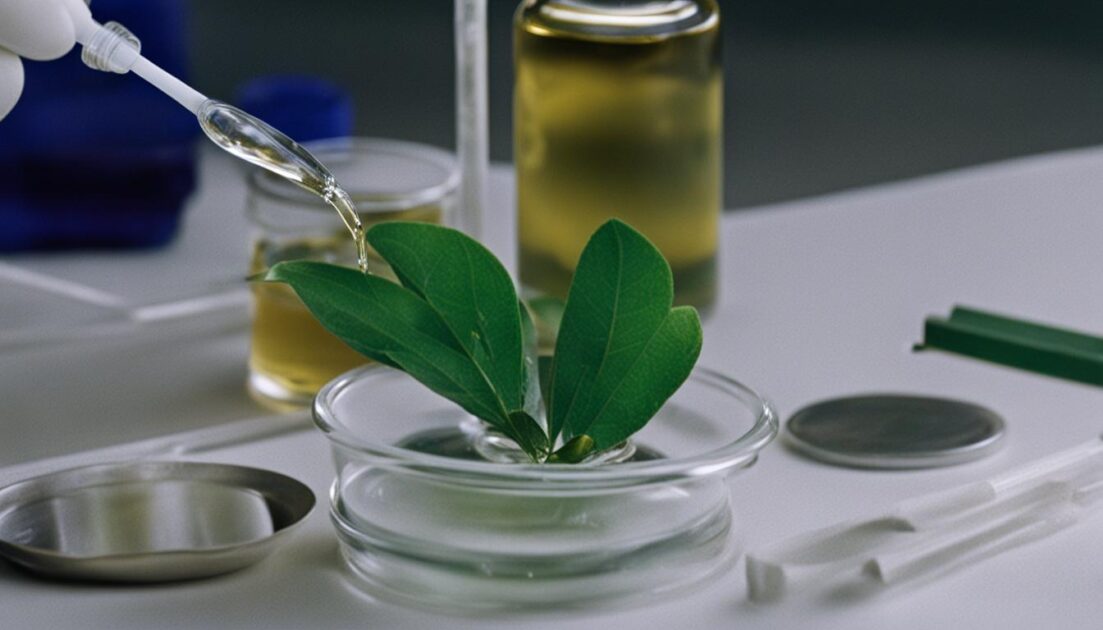
When it comes to using tea tree oil, ensuring its purity is crucial to reap its maximum benefits. But how can you determine if the tea tree oil you have is authentic and of high quality? In this article, I will guide you through the steps to verify the purity of tea tree oil and ensure that you are getting the best product for your needs.
The first method to check the purity of tea tree oil is by performing a simple and effective paper test. All you need is a piece of paper and a drop of tea tree oil. Place the drop of oil on the paper and allow it to dry. If you notice an oil or grease ring after drying, it may indicate impurities in the oil. This can be a sign that the oil is not of the desired quality.
Another important step is to ask your supplier about the distilling process. A reputable supplier should be transparent about their production methods and provide information about the source of the tea tree oil. Requesting a sample before making a purchase can also give you an opportunity to assess the quality of the oil firsthand.
Additionally, take a close look at the packaging of the tea tree oil. Check for a purity statement such as “100% Pure” or any other indication of its authenticity. Ensure that the packaging is sealed and has not been tampered with, as this can be a sign of compromise in quality.
If you are using tea tree oil for commercial purposes or have concerns about its purity, you can opt for professional testing. Sending the oil to a lab for chemical analysis, such as Gas Chromatography or Mass Spectrometry, can provide detailed information about its composition and detect any adulterants.
Remember that safety is paramount when using tea tree oil. Always follow the recommended guidelines and consult with experts or professionals if you have any concerns or pre-existing conditions.
Key Takeaways:
- Perform a paper test by placing a drop of tea tree oil on a piece of paper and checking for any oil or grease ring after drying.
- Ask your supplier about the distilling process and request a sample to assess the quality of the oil.
- Check the packaging for a purity statement and ensure it is sealed and not tampered with.
- Consider sending the oil to a lab for professional testing, especially for commercial use or if you have concerns about its purity.
- Follow safety precautions and consult with experts before using tea tree oil, especially if you have any pre-existing conditions.
Ask Your Supplier and Do Research on the Oil
When it comes to purchasing tea tree oil, it’s crucial to gather information about the supplier and conduct thorough research on the oil you intend to buy. By taking these steps, you can ensure that you’re getting a high-quality product that meets your specific needs and requirements.
Firstly, reach out to your supplier and inquire about the purity of their oils and the distilling process they follow. It’s advisable to look for suppliers who either distill their own oils or have direct partnerships with reputable distillers. This ensures that the oil has undergone a rigorous distilling process, maintaining its quality and purity.
Moreover, requesting a sample from the supplier before making a larger purchase is a prudent approach. This allows you to test the oil’s authenticity and quality firsthand. A trustworthy supplier should be willing to provide you with a sample, enabling you to evaluate the oil before committing to a larger quantity.
Additionally, conducting your own research on the oil is essential. Start by searching for the specific name of the plant from which the tea tree oil is derived. This will help you gather relevant information about the oil’s origins and properties. For instance, the Latin name of the tea tree plant is Melaleuca alternifolia. Understanding the plant makeup will assist you in verifying the authenticity of the oil.
“Asking your supplier about the distilling process and doing your own research on the oil will give you confidence in the quality and authenticity of the tea tree oil you’re purchasing.”
By taking the time to ask your supplier pertinent questions and conduct your own research, you can make an informed decision and be confident in the quality and authenticity of the tea tree oil you’re purchasing.
References:
- Tea tree oil supplier: [Supplier Name]
- “Tea Tree Oil Production Process” – [Source]
- Research article: “Plant Makeup of Tea Tree Oil: A Comprehensive Analysis” – [Research Publication]
Check the Packaging and Perform a Paper Test
When buying tea tree oil, it’s essential to pay attention to the packaging and perform a simple paper test to ensure its purity. Here’s what you need to do:
Step 1: Examine the Packaging
Inspect the packaging of the tea tree oil bottle for any signs of tampering or damage. Ensure that the bottle is properly sealed and that there are no leaks. Look for a purity statement on the packaging, such as “100% Pure,” to indicate the authenticity and quality of the oil. This statement provides assurance that the oil has not been diluted or contaminated.
Step 2: Conduct a Paper Test
To assess the purity of the tea tree oil, perform a simple paper test:
- Place a small drop of the oil on a piece of white paper.
- Allow the oil to dry completely.
- Observe the dried oil spot carefully.
If there is an oil or grease ring visible after drying, it may suggest impurities in the oil. However, keep in mind that some genuine tea tree oils may leave a slight tint, which is normal. The paper should not feel oily or greasy once it is completely dry, except for the presence of a slight tint.
Performing the paper test helps you determine the purity of the tea tree oil and identify any potential adulterants. It is a quick and easy method to assess the quality of the oil before use.
Remember, when purchasing tea tree oil, checking the packaging and performing a paper test are crucial steps to ensure you are getting a high-quality product that meets your needs. By following these simple guidelines, you can confidently incorporate pure tea tree oil into your daily routine.
Consider Sending Oil to a Lab for Testing
If you have concerns about the purity of your tea tree oil, especially for professional use, it may be worthwhile to send it to a lab for chemical testing. Two common tests performed are Gas Chromatography and Mass Spectrometry. These tests can detect any presence of adulterants in the oil and provide a detailed analysis of its chemical makeup. Sending the oil to a lab can ensure that it is pure and authentic, meeting the required standards.
Gas Chromatography is a technique used to separate and analyze the components of a substance. It can identify and quantify the various chemical compounds present in the tea tree oil, allowing for a comprehensive analysis of its purity.
Mass Spectrometry, on the other hand, is a technique that measures the mass-to-charge ratio of ions to identify and determine the chemical structure of compounds. It provides valuable information about the molecular composition of the tea tree oil, helping to identify any potential adulterants.
Sending your tea tree oil to a reputable lab for professional testing ensures that you have accurate and reliable results. The lab will provide a detailed report of the analysis, giving you a comprehensive understanding of the oil’s purity and quality.
By opting for lab testing, you can have peace of mind knowing that your tea tree oil is free from impurities and adulterants. Whether you use tea tree oil for personal purposes or in a professional setting, ensuring its purity is essential for the desired therapeutic effects.
| Benefits of Lab Testing | Benefits of Lab Testing: |
|---|---|
| Detects presence of adulterants | Ensures accurate and reliable results |
| Provides detailed analysis of chemical makeup | Helps identify potential impurities |
| Ensures tea tree oil meets required standards | Provides peace of mind regarding purity |
Safety Precautions and Expert Advice
When using tea tree oil, it is essential to prioritize safety precautions to minimize potential risks. While topical use of tea tree oil is generally safe, it is crucial to be aware of possible side effects and adverse reactions that some individuals may experience.
One of the most common side effects of tea tree oil is skin irritation, which can manifest as redness, itching, stinging, or a burning sensation. It is important to perform a patch test on a small area of skin before using tea tree oil topically to determine if you are sensitive or allergic to it.
Moreover, oral ingestion of tea tree oil should be strictly avoided as it can be toxic when swallowed. Ingestion of tea tree oil can lead to severe symptoms such as dizziness, confusion, nausea, vomiting, and even coma. Therefore, it is crucial to store tea tree oil out of reach from children and pets.
If you have a history of dermatitis, eczema, or any other pre-existing skin conditions, it is recommended to consult with a dermatologist or healthcare professional before incorporating tea tree oil into your skincare routine. They can provide personalized guidance based on your specific situation and offer suitable alternatives if necessary.
FAQ
How can I check the purity of tea tree oil?
There are a few methods you can use to check the purity of tea tree oil. One simple test is to place a drop of the oil on a piece of paper and let it dry. If you see an oil or grease ring after drying, it may indicate impurity. Additionally, you can ask your supplier about the distilling process and request a sample before making a purchase. You can also check the packaging for a purity statement, such as “100% Pure.” If you have concerns, you can send the oil to a lab for professional testing.
What should I ask my supplier when buying tea tree oil?
When purchasing tea tree oil, it’s important to ask your supplier about the purity of their oils and the distilling process they follow. Look for suppliers who distill their own oils or deal directly with distillers. They should be willing to provide you with a sample before making a larger purchase. Additionally, do your own research on the oil by searching for it using the specific name of the plant it is derived from. This will help you ensure that you’re buying a quality oil with the correct plant makeup.
How can I verify the purity of tea tree oil through packaging and a paper test?
When buying tea tree oil, check the packaging for a purity statement such as “100% Pure.” Ensure that the packaging is sealed and has not been tampered with. To verify the purity of the oil, you can perform a paper test. Place a drop of the oil on a piece of paper and let it dry. If you see an oil or grease ring after drying, it may indicate impurity. The paper should not feel oily or greasy once completely dry, except for oils that leave a slight tint.
Should I consider sending tea tree oil to a lab for testing?
If you have concerns about the purity of your tea tree oil, especially for professional use, it may be worthwhile to send it to a lab for chemical testing. Two common tests performed are Gas Chromatography and Mass Spectrometry. These tests can detect any presence of adulterants in the oil and provide a detailed analysis of its chemical makeup. Sending the oil to a lab can ensure that it is pure and authentic, meeting the required standards.
Are there any safety precautions I should take when using tea tree oil?
When using tea tree oil, it’s important to follow safety precautions. Topical use is generally safe, but it can cause skin irritation, allergic skin rash, itching, stinging, and burning in some individuals. Avoid oral ingestion as tea tree oil is toxic when swallowed and can cause serious symptoms. Individuals with eczema should avoid using tea tree oil. It’s always advisable to consult with experts or professionals before using any essential oil, especially if you have any pre-existing conditions or concerns.


