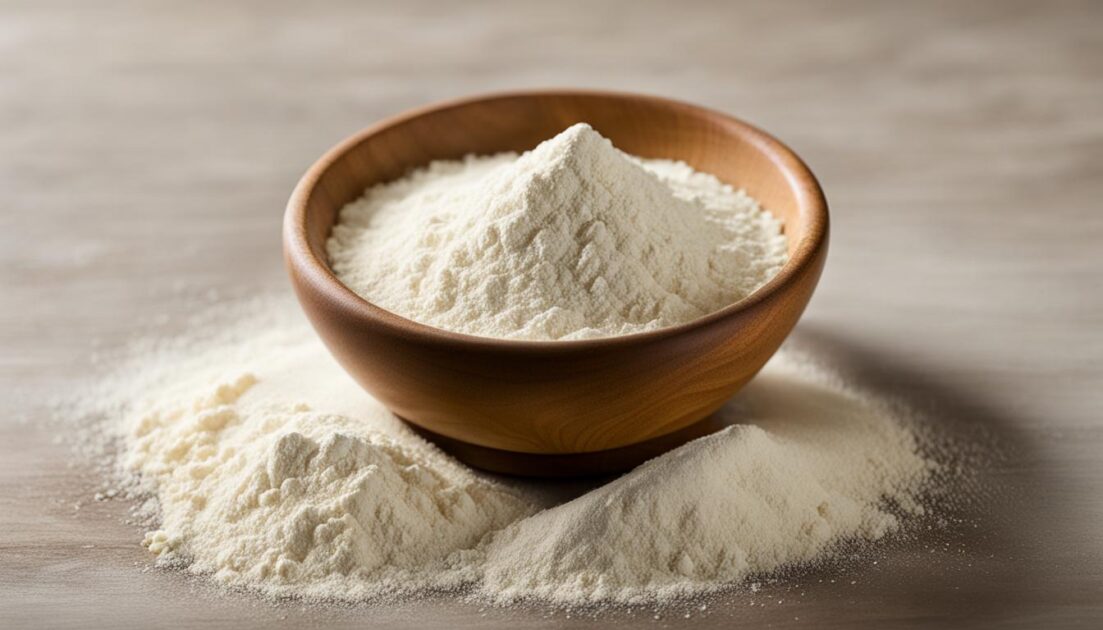
Greetings! In this article, I will delve into the fascinating world of arrowroot powder and reveal its myriad uses and benefits. Whether you’re a seasoned chef, a skincare enthusiast, or simply curious about this versatile ingredient, you’re in for a treat.
When it comes to culinary applications, arrowroot powder is a game-changer. With its natural thickening properties and neutral taste, it can be used in a wide range of recipes. From baking light and fluffy cakes to creating silky sauces and gravies, arrowroot powder is a go-to ingredient for achieving perfect texture and consistency. It’s also an excellent gluten-free alternative to flour or cornstarch.
But the wonders of arrowroot powder don’t stop at the kitchen. This versatile natural ingredient has made its way into the realm of skincare and haircare. Its ability to absorb excess oil and soothe irritated skin makes it a valuable addition to facial masks, dry shampoos, and other beauty products.
Now that you’re intrigued, let’s dive deeper into the world of arrowroot powder. I’ll guide you through its various uses and provide expert tips on how to incorporate it effectively into your cooking and skincare routines.
Key Takeaways:
- Arrowroot powder is a versatile ingredient with numerous culinary and skincare applications.
- It can be used as a thickening agent in cooking, offering a gluten-free alternative to flour or cornstarch.
- Arrowroot powder has absorbent and soothing properties, making it valuable in skincare and haircare products.
- When using arrowroot powder, follow recommended usage rates and consider its solubility and appearance in skincare formulations.
- Stay tuned for expert tips and tricks on how to unlock the full potential of arrowroot powder!
Understanding Different Thickeners
When it comes to thickening sauces, there are various options to choose from. Some popular thickeners include cornstarch, arrowroot powder, potato starch, and tapioca starch. Each of these thickeners has its own unique properties and can be used in different dishes. Understanding the characteristics of each thickener will help you determine which one to use in your recipes.
Let’s take a closer look at these different thickeners:
- Cornstarch: Cornstarch is a fine white powder that is commonly used as a thickening agent in both sweet and savory recipes. It has a high starch content and provides a glossy finish to sauces and gravies. Cornstarch is best suited for dishes that will be served immediately, as it can lose its thickening power when subjected to prolonged cooking or reheating.
- Arrowroot powder: Arrowroot powder is a gluten-free thickener derived from the root of the arrowroot plant. It has a neutral flavor and works well in delicate sauces, fruit fillings, and puddings. Unlike cornstarch, arrowroot powder maintains its thickening power even when subjected to prolonged cooking or reheating.
- Potato starch: Potato starch is a versatile thickener that is known for its ability to add a light and fluffy texture to dishes. It is particularly suitable for thickening soups, stews, and gravies. Potato starch works best when combined with cold liquid before being added to hot mixtures.
- Tapioca starch: Tapioca starch, also known as tapioca flour, is a common thickener in Asian cuisine. It is derived from the cassava root and has a slightly sweet flavor. Tapioca starch is often used in desserts, such as puddings and pies, as it provides a glossy and translucent appearance.
Each of these thickeners has its own unique characteristics, and choosing the right one for your recipe can greatly impact the taste and texture of your dishes. Experimenting with different thickeners will allow you to discover the perfect match for your culinary creations.
Mastering the Art of Thickening Sauces
Thickening sauces is an essential skill in the culinary world. The right technique can elevate the taste, texture, and mouthfeel of dishes, creating a delightful dining experience. Different thickeners, such as cornstarch, tapioca starch, wheat flour, and arrowroot, offer unique properties that can enhance the consistency and overall appeal of sauces.
When it comes to thickening sauces, it’s important to understand the process of gelatinization. This occurs when starches are heated with water, causing them to absorb liquid and swell, resulting in thickened sauces. Mastering this art requires practice and experimentation to achieve the perfect consistency and mouthfeel.
Let’s take a closer look at the different thickeners commonly used in the culinary world:
- Cornstarch: A pantry staple, cornstarch is known for its high thickening power. It creates a smooth and glossy texture, making it ideal for gravies, custards, and fruit fillings.
- Tapioca Starch: Derived from the cassava root, tapioca starch adds a chewy and shiny texture to sauces. It is commonly used in Asian cuisine, particularly in dishes like sweet and sour sauce.
- Wheat Flour: A classic thickener, wheat flour adds a subtly grainy texture to sauces. It is commonly used in traditional gravy recipes and can also serve as a roux base for cream-based sauces.
- Arrowroot: A natural thickening agent, arrowroot offers a neutral taste and a glossy finish. It works well in clear sauces, fruit pie fillings, and delicate dishes that require a lighter texture.
Each thickener has its own unique characteristics and suitability for different culinary creations. Experimenting with these thickeners will allow you to uncover the endless possibilities in the kitchen and create sauces that please the palate.
Now, let’s delve into the details and explore the characteristics of these thickeners:
Cornstarch
| Cornstarch | |
|---|---|
| Suitability | Gravies, custards, fruit fillings |
| Texture | Smooth and glossy |
| Key Properties | High thickening power |
Tapioca Starch
| Tapioca Starch | |
|---|---|
| Suitability | Asian cuisine, sweet and sour sauce |
| Texture | Chewy and shiny |
| Key Properties | Cassava root-derived, adds texture |
Wheat Flour
| Wheat Flour | |
|---|---|
| Suitability | Gravy, cream-based sauces |
| Texture | Subtly grainy |
| Key Properties | Classic thickener, roux base |
Arrowroot
| Arrowroot | |
|---|---|
| Suitability | Clear sauces, fruit pie fillings |
| Texture | Light and glossy |
| Key Properties | Natural thickening agent, neutral taste |
By understanding the characteristics of these thickeners, you can choose the best option for your sauces, considering factors such as desired taste, texture, and appearance. Experimentation and practice will ultimately empower you to master the art of thickening sauces and create flavorful dishes that leave a lasting impression on your taste buds.
Techniques for Proper Thickening
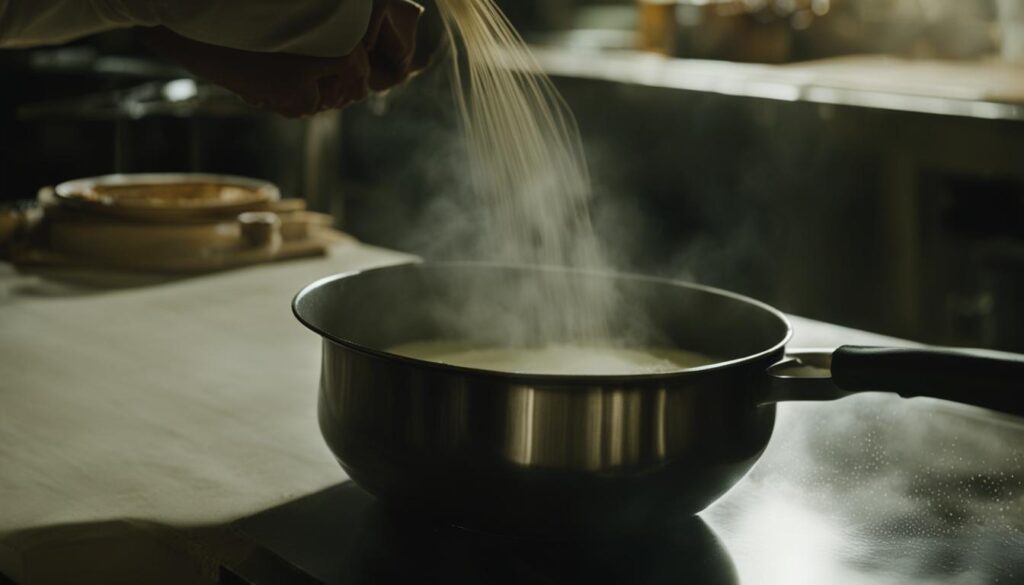
Proper thickening techniques are essential to achieve the desired consistency in your sauces. One technique that can greatly enhance your thickening process is creating a slurry by combining a starch with cooled liquid before adding it to your dish. This helps prevent the formation of lumps and clumps and ensures an even distribution of the thickener throughout the sauce.
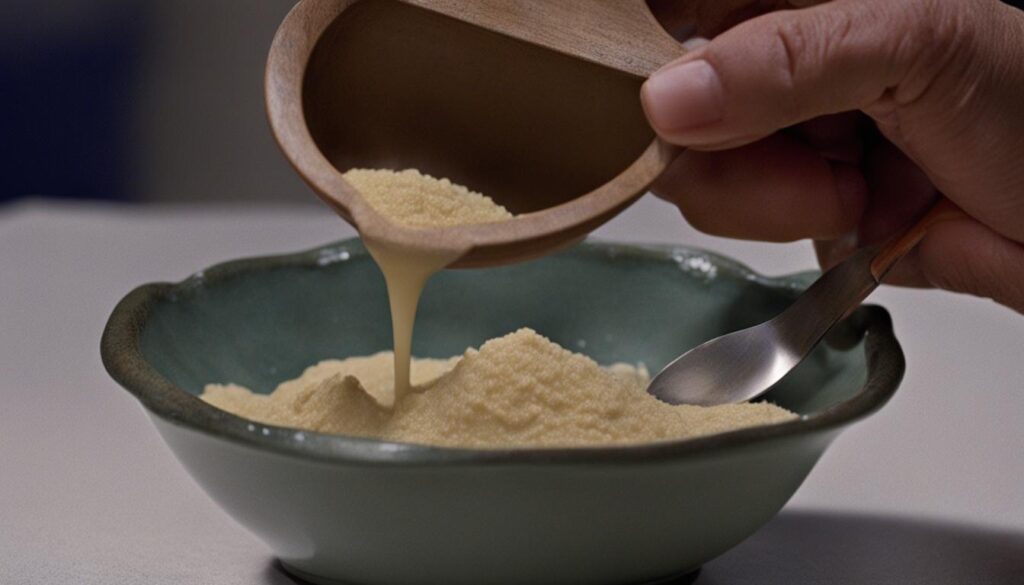
When creating a slurry, start by combining the starch, such as arrowroot powder or cornstarch, with a small amount of cooled liquid, such as water or broth, in a separate bowl. Stir vigorously until the mixture is smooth and free of any lumps.
Once your slurry is ready, you can gradually add it to your sauce while stirring continuously. This allows the starch to thicken the sauce and achieve the desired consistency. Avoid directly adding the starch to the hot sauce as it can result in the formation of lumps and uneven thickening.
Duration of Cooking and Cooling/Reheating Properties
Another important factor to consider is the duration of cooking and the cooling and reheating properties of thickeners. Different thickeners have different cooking times and reactions to heating and cooling, which can affect the final texture and taste of your sauce.
For example, cornstarch thickens quickly when heated but can lose its thickening power when cooled. On the other hand, arrowroot powder retains its thickening ability even when cooled and reheated.
By understanding the properties of the thickener you are using and considering the duration of cooking and any subsequent cooling or reheating, you can ensure that your sauce maintains the desired consistency throughout.
To summarize, techniques such as creating a slurry and considering the duration of cooking and cooling/reheating properties of thickeners are essential for achieving the desired consistency in your sauces. These techniques will help you avoid lumps and clumps while ensuring a smooth and delicious sauce every time.
Enhancing Flavor with Thickeners
Thickeners play a crucial role in enhancing the flavor of dishes, going beyond just improving their texture. They have the remarkable ability to bind and trap molecules, creating a complexity of flavors that can be truly transformative. When used appropriately, thickeners can concentrate and intensify the flavors of the ingredients, making each bite a delight for the taste buds.
By carefully selecting the right thickener for your dish and combining it with compatible ingredients, you can create culinary masterpieces that are not only visually appealing but also bursting with flavors.
Thickeners act as flavor enhancers by capturing and releasing the aromatic molecules present in the ingredients. As the dish cooks, these molecules are trapped by the thickener, allowing them to infuse the entire dish with a rich and concentrated flavor. This process adds depth and complexity to even the simplest of recipes.
When experimenting with thickeners, consider their binding properties. Thickeners can bind with both water and oil-based liquids, which helps them trap and hold onto the flavors present in the dish. This binding action allows the flavors to develop and intensify over time, resulting in a more robust and flavorful outcome.
Furthermore, thickeners can also contribute to the overall mouthfeel of a dish. As they help create a smooth and luxurious texture, they enhance the eating experience by providing a satisfying and velvety sensation. This heightened mouthfeel contributes to the overall enjoyment of the meal and leaves a lasting impression.
Expert Tip: Optimize Flavor with the Right Thickener
“When choosing a thickener to enhance flavor, consider the compatibility between the thickener and the ingredients in your dish. For example, arrowroot powder is an excellent choice when working with delicate flavors, as it has a neutral taste and won’t overpower the other ingredients. Experiment with different thickeners to find the one that complements your dish and elevates its flavor to new heights.”
| Thickener | Main Characteristics | Best Uses |
|---|---|---|
| Cornstarch | Binds well with water-based liquids. Creates a glossy finish. | Perfect for thickening sauces, soups, and gravies. |
| Tapioca Starch | Creates a chewy and smooth texture. Tolerates high temperatures. | Ideal for fruit pies, custards, and puddings. |
| Potato Starch | Retains a slightly lighter and more delicate texture. Gluten-free. | Great for gluten-free baking and thickening hearty stews. |
| Arrowroot Powder | Gives a transparent finish and has a neutral taste. Adds shine to sauces. | Best for clear sauces, fruit-based desserts, and glazes. |
Matching Thickeners to Ingredients
Choosing the right thickener for your ingredients is crucial in ensuring that flavors and textures blend harmoniously in your dish. One versatile thickener that pairs exceptionally well with various ingredients is arrowroot powder. Its neutral taste and glossy finish make it a suitable choice for a wide range of recipes.
Arrowroot powder is particularly effective in fruit pie fillings or sauces containing lemon juice or tomato paste. Its ability to thicken without imparting any noticeable taste allows the natural flavors of the ingredients to shine through. Whether you’re making a tangy lemon sauce or a savory tomato-based stew, arrowroot powder can help achieve the perfect consistency.
When selecting a thickening agent, it’s essential to consider the level of acidity in your dish. Certain thickeners, like arrowroot powder, work well with acidic ingredients and maintain their thickening properties. By using arrowroot powder in dishes that require a touch of acidity, you can achieve the desired consistency without compromising on savoriness.
Incorporating arrowroot powder into your recipes allows you to thicken your dishes effectively while preserving the integrity of the ingredients. Its versatility and compatibility with different flavors make it a valuable addition to any kitchen.
| Thickener | Suitability for Ingredients |
|---|---|
| Arrowroot Powder | Pairs well with various ingredients, particularly in fruit pie fillings or sauces containing lemon juice or tomato paste. Neutral taste and glossy finish make it a suitable choice. |
| Other Thickeners | May vary in compatibility with different ingredients and flavors. Some thickeners may alter the taste or texture of the dish. |
By carefully matching the right thickener to your ingredients, you can achieve the desired consistency, enhance savoriness, and create culinary masterpieces that will impress your guests.
Tips and Tricks for Perfect Consistency
Achieving the perfect consistency in your cooking requires considering various factors. From starch selection to cooling and reheating techniques, every step plays a crucial role in creating mouthwatering dishes. Here are some tips and tricks to help you achieve that perfect consistency.
Factors to Consider
When it comes to achieving the ideal consistency, several factors come into play. First and foremost is the selection of the appropriate starch. Different thickeners, such as arrowroot powder, cornstarch, potato starch, or tapioca starch, have different properties and affect the texture of your dish differently. Understanding the characteristics of each thickener and their compatibility with your recipe is key to achieving the desired results.
Cooling and Reheating
Another factor to consider is the cooling and reheating process. While some thickeners maintain their thickening power even when cooled, others may lose their ability to thicken. Therefore, when using certain thickeners, it’s important to anticipate any potential changes in consistency and make necessary adjustments accordingly.
To illustrate this point, take cornstarch as an example. While cornstarch is a commonly used thickener, it tends to lose its thickening power when exposed to prolonged heat or cooled. It’s important to keep this in mind when using cornstarch in recipes that require reheating or cooling. By understanding the properties of the thickener you choose, you can ensure consistent results, even after cooling and reheating.
Adjustments
The final factor to consider is making adjustments throughout the cooking process. It’s rare for a recipe to require the exact amount of thickener as stated. Factors such as temperature, ingredient variations, and personal preference can all impact the desired consistency. Therefore, it’s important to continuously monitor and make adjustments as needed to achieve the perfect balance. Whether it’s adding more liquid to thin out a sauce or incorporating additional thickener to achieve a thicker consistency, being flexible and willing to make changes is essential.
By carefully considering these factors and making necessary adjustments, you can achieve the perfect consistency in your dishes every time.
Avoiding Lumps and Clumps
Lumps and clumps can be a frustrating issue when it comes to thickening sauces. Fortunately, by employing the right techniques, you can easily avoid these culinary obstacles and achieve smooth and delicious results. Two key techniques to keep in mind are creating a slurry and constant stirring.
The first technique involves creating a slurry by mixing the thickener, such as arrowroot powder, with a cold liquid before adding it to your sauce. This helps to prevent the formation of lumps by ensuring that the thickener is evenly distributed throughout the mixture.
The second technique is constant stirring. When incorporating the slurry into your sauce, make sure to stir it continuously. This will promote even heat distribution and prevent the formation of clumps. Additionally, it is important to simmer the mixture for an adequate amount of time. Simmering allows the particles to dissolve thoroughly, resulting in a smooth consistency.
“Creating a slurry and constantly stirring while simmering are essential techniques to avoid lumps and clumps in your thickened sauces.”
By employing these effective techniques, you can achieve a lump-free and clump-free sauce that is sure to impress. Remember to exercise patience and attention to detail in order to achieve the desired consistency and texture in your culinary creations.
| Technique | Description |
|---|---|
| Creating a Slurry | Mix the thickener with a cold liquid to create a smooth, evenly distributed mixture. |
| Constant Stirring | Stir the slurry continuously while incorporating it into your sauce to promote even heat distribution and prevent clumps. |
| Simmering | Allow the mixture to simmer for an adequate amount of time to ensure thorough dissolution of particles. |
Adjusting Thickness on the Fly
Cooking often requires quick alterations to achieve the perfect thickness in your sauces. Whether your sauce is too thin or too thick, there are simple techniques to adjust the consistency on the fly. These methods allow for greater flexibility in the kitchen, ensuring your dishes turn out just right.
Adjusting Thin Sauces
If your sauce is too thin, don’t worry. You can easily remedy the situation by incorporating an appropriate amount of thickener. Start by determining the desired thickness and gradually add a small quantity of your chosen thickening agent, such as cornstarch, arrowroot powder, or tapioca starch. Mix the thickener with a small amount of liquid, like water or broth, to form a slurry. Then, slowly pour the slurry into the sauce while whisking continuously. Continue whisking and simmering the sauce until it thickens to your desired consistency.
Thinning Thick Sauces
On the other hand, if your sauce is too thick, you can easily adjust it by gradually incorporating additional liquid while whisking continuously. Start by adding small amounts of liquid, such as water, broth, or stock, and whisk vigorously to incorporate it into the sauce. Continue this process until the sauce reaches the desired thickness. Remember to maintain the heat while whisking to ensure the sauce incorporates the liquid evenly.
Whisking Continuously for Smoothness
When adjusting the thickness of your sauces, it’s crucial to whisk continuously throughout the process. Whisking ensures that the thickening agent disperses evenly and prevents the formation of lumps or clumps. By whisking continuously, you’ll achieve a smooth and velvety texture in your sauces, enhancing both the visual appeal and taste.
So, remember to keep these quick alterations in mind when adjusting the thickness of your sauces. Incorporate the appropriate thickener to remedy thin sauces, and gradually add liquid to thin out thick sauces, all while whisking continuously. With these techniques, you’ll have the flexibility to fine-tune your sauces and create culinary masterpieces.
Cooling and Reheating Considerations
The process of cooling and reheating can have a significant impact on the texture of thickened dishes. It is important to understand the properties of different thickeners and make necessary adjustments to maintain the desired texture throughout. Some thickeners, like potato starch, are known to maintain their desired consistency during these processes. On the other hand, thickeners such as cornstarch may lose some of their thickening power when cooled.
When cooling and reheating dishes that have been thickened, it is crucial to consider the properties of the chosen thickener. This will help ensure that the dish maintains its desired texture and consistency. Making adjustments during the cooling and reheating process can help compensate for any changes in the thickening power of the chosen thickener.
To maintain the texture of thickened dishes while cooling and reheating, it is recommended to:
- Monitor the consistency of the dish during cooling and reheating phases
- Make adjustments to the amount of thickener if necessary
- Stir the dish thoroughly during reheating to distribute the thickener evenly
By carefully considering the properties of thickeners and making necessary adjustments, you can ensure that your thickened dishes maintain their desired texture even after the cooling and reheating process.
Expert Tip:
It is advisable to prepare dishes with thickeners that maintain their texture during cooling and reheating for situations where maintaining the desired consistency is crucial. This will ensure that the dish remains visually appealing and enjoyable to eat.
Understanding the impact of cooling and reheating on the texture of your dishes will help you make the necessary adjustments to maintain their desired consistency throughout the entire cooking process.
Unlocking the Secrets of Arrowroot Powder in Skincare
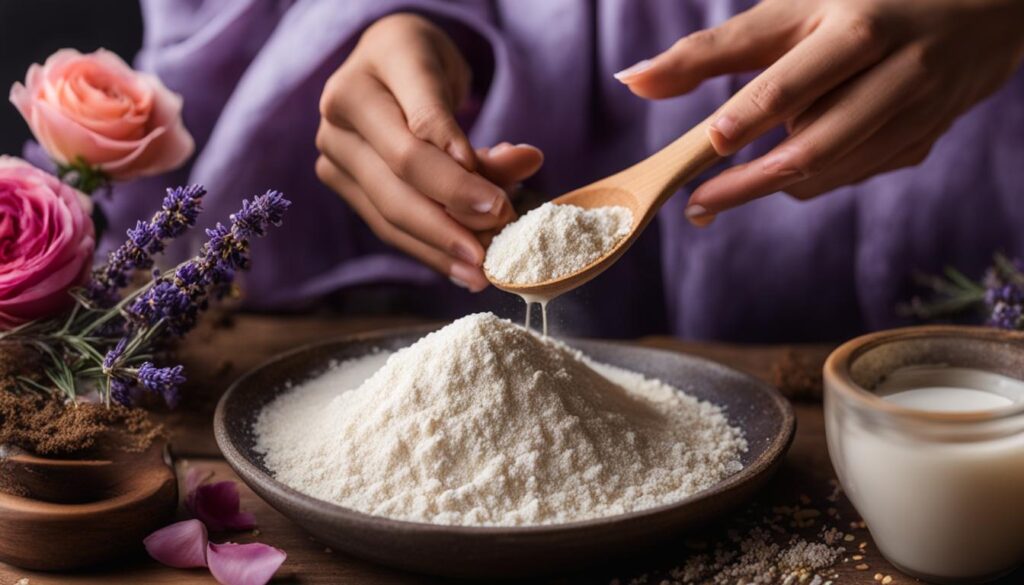
Arrowroot powder is not just a versatile ingredient in cooking, but it also holds incredible benefits for skincare. Known for its natural absorbent and soothing properties, arrowroot powder has become a prized ingredient in various beauty and grooming products. From facial masks to dry shampoos, this versatile natural ingredient has the power to transform your skincare routine.
One of the key advantages of arrowroot powder in skincare is its natural absorbent quality. It helps to draw out excess oil, keeping the skin balanced and preventing clogged pores. This makes it particularly beneficial for individuals with oily or combination skin types.
Additionally, arrowroot powder offers soothing properties, making it ideal for sensitive or irritated skin. Its gentle nature helps to calm inflammation and redness, providing relief and promoting a healthier complexion.
Another notable characteristic of arrowroot powder is its versatility. It can be incorporated into various beauty and grooming products, offering a wide range of applications. Its fine texture blends seamlessly with other ingredients, ensuring smooth formulations and enhancing the overall efficacy of the product.
Whether you are looking to control excess oil, soothe sensitive skin, or simply enhance the effectiveness of your skincare regimen, arrowroot powder is a natural ingredient that delivers exceptional results.
Benefits of Arrowroot Powder in Skincare:
- Natural absorbent properties help to control excess oil
- Soothing effects calm inflammation and redness
- Can be used in various skincare products for versatile applications
- Gentle and suitable for all skin types, including sensitive and acne-prone skin
Unleash the magic of arrowroot powder in your skincare routine and experience the transformative benefits it brings. Embrace this versatile natural ingredient and unlock the secrets to healthier, more radiant skin.
Recommended Usage and Solubility in Skincare
When it comes to incorporating arrowroot powder in skincare, it is important to follow the recommended usage rate of 1% to 15%. This ensures that you achieve the desired benefits without overpowering your formulation. Arrowroot powder is soluble in water, making it a versatile ingredient that can easily be incorporated into various skincare products, including creams, lotions, and masks.
With its fine, white appearance, arrowroot powder adds a touch of elegance to your skincare formulations. On ingredient labels, it is listed as “Maranta Arundinacea Root Powder.” This botanical name indicates the natural origin of the powder, allowing consumers to make informed choices about the products they use on their skin.
An important consideration for skincare ingredients is their comedogenic rating, which measures the likelihood of clogging pores. Arrowroot powder has a low comedogenic rating of 0, making it suitable for all skin types, including sensitive and acne-prone skin. By incorporating arrowroot powder into your skincare routine, you can enjoy its soothing and mattifying properties while keeping your skin clear and healthy.
FAQ
How can I use arrowroot powder in cooking and baking?
Arrowroot powder can be used as a thickener in sauces, gravies, and desserts. It can also be used as a substitute for cornstarch or wheat flour in recipes.
What are the benefits of using arrowroot powder in skincare?
Arrowroot powder has natural absorbent and soothing properties. It can help to absorb excess oil, soothe irritation, and improve the texture of the skin. It is suitable for all skin types.
Can arrowroot powder be used as a substitute for other thickeners?
Yes, arrowroot powder can be used as a substitute for cornstarch, potato starch, or tapioca starch in recipes. However, it may slightly alter the texture and flavor of the dish.
How can arrowroot powder be used for hair care?
Arrowroot powder can be used as a dry shampoo to absorb excess oil and refresh the hair. It can also be used as a natural hair styling product to add volume and texture.
Is arrowroot powder suitable for all skin types?
Yes, arrowroot powder has a low comedogenic rating of 0, which means it is unlikely to clog pores or cause acne. It is suitable for all skin types, including sensitive and acne-prone skin.


