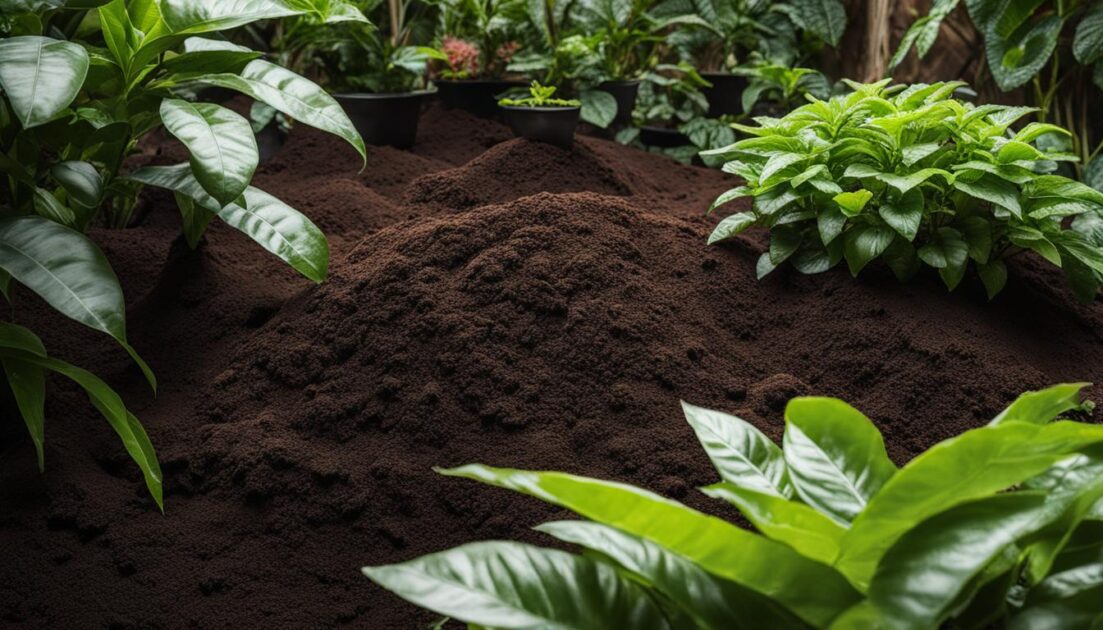
When it comes to enjoying a cup of coffee, most of us are left with the remnants of our morning ritual – coffee grounds. But did you know that these seemingly useless leftovers can actually be repurposed to benefit your garden and plants? In this article, I will show you how to make the most of your coffee grounds and unleash their potential in the world of gardening.
Coffee grounds are not just a waste product; they are a nutrient-rich resource that can be used to enhance your garden’s soil and promote plant growth. Rich in nitrogen, potassium, and phosphorus, coffee grounds make an excellent addition to compost, providing essential nutrients to the soil and improving its overall health.
But using coffee grounds in the garden is not as simple as dumping them straight onto your plants. It’s important to use them in moderation and take into consideration the specific needs of different plant species. Used correctly, coffee grounds can enhance soil structure, deter pests, and create a thriving environment for your plants.
But wait, there’s more! Coffee grounds have additional uses beyond the garden. From beauty hacks to household cleaning, these versatile grounds can be repurposed in creative ways that go far beyond their original purpose. We’ll explore these alternative uses as well, so you can maximize the value of your coffee grounds in multiple areas of your life.
So join me as we unlock the garden benefits of coffee grounds and discover how to repurpose them in various aspects of our daily lives. Let’s make the most of this often-overlooked resource and harness its power to transform our gardens and beyond!
Key Takeaways:
- Coffee grounds are a rich source of nutrients and can be effectively used in composting to enrich the garden soil.
- Excessive application of coffee grounds can disrupt the balance of water and air reaching plant roots, so they should be used with caution.
- Coffee grounds can act as a natural pest deterrent and are particularly beneficial for acid-loving plants.
- Coffee grounds can be sourced for free from coffee shops and restaurants.
- Coffee grounds have alternative uses in beauty, household cleaning, and even candle making.
Benefits of Using Coffee Grounds in the Garden & for Houseplants
Coffee grounds are not just for brewing your daily cup of coffee. They can also be a valuable resource in the garden and for houseplants. Let’s explore the benefits of using coffee grounds and how they can enhance your gardening experience.
Rich in Nutrients
Coffee grounds are a rich source of important nutrients that plants need to thrive. They contain nitrogen, phosphorus, potassium, calcium, and magnesium, all of which promote healthy plant growth and development. By incorporating coffee grounds into your garden, you are providing your plants with a nutrient boost that can result in lusher foliage, vibrant blooms, and increased fruit production.
Improves Soil Structure and Water Retention
When coffee grounds are added to the soil, they contribute organic matter that improves its structure. This means better drainage, increased aeration, and improved water retention capacity. The improved soil structure allows roots to penetrate the soil easily, ensuring better nutrient uptake and overall plant health.
Supports Beneficial Microbial Activity
The organic matter in coffee grounds acts as a food source for beneficial microbes in the soil. These microorganisms break down the coffee grounds, releasing nutrients that become readily available to plants. They also help to improve soil fertility and create a healthy soil ecosystem that supports plant growth.
Acid-Loving Plants and Pest Deterrent
Coffee grounds have a slightly acidic pH, making them particularly beneficial for plants that thrive in acidic soil conditions. Acid-loving plants such as azaleas, rhododendrons, and blueberries will benefit from the acidity provided by coffee grounds. Additionally, coffee grounds act as a natural pest deterrent, keeping away pests like slugs, snails, and ants.
Various Applications
There are several ways you can use coffee grounds in your garden and for your houseplants. Coffee grounds can be added to compost piles, where they will break down and contribute valuable nutrients to the compost. They can also be sprinkled directly around the base of plants as a slow-release fertilizer. Another option is to create a “coffee ground tea” by steeping coffee grounds in water and using the resulting liquid to water your plants. Lastly, coffee grounds can be incorporated into DIY potting mixes to provide plants with an extra nutrient boost.
| Benefit | Explanation |
|---|---|
| Rich in Nutrients | Coffee grounds provide essential nutrients for plant growth, including nitrogen, phosphorus, potassium, calcium, and magnesium. |
| Improves Soil Structure and Water Retention | Coffee grounds enhance soil structure, allowing for better drainage, increased aeration, and improved water retention. |
| Supports Beneficial Microbial Activity | The organic matter in coffee grounds promotes the growth of beneficial microbes in the soil, improving soil fertility. |
| Beneficial for Acid-Loving Plants | The slight acidity of coffee grounds makes them ideal for acid-loving plants, such as azaleas and rhododendrons. |
| Natural Pest Deterrent | Coffee grounds act as a natural deterrent against pests like slugs, snails, and ants. |
Using Coffee Grounds for Houseplants
As a plant enthusiast myself, I have discovered the incredible benefits of using coffee grounds for houseplants. Coffee grounds not only serve as a natural fertilizer but also contribute to the overall health and growth of indoor plants. There are various ways to incorporate coffee grounds into your houseplant care routine, ensuring your green companions thrive in a nutrient-rich environment.
Adding Coffee Grounds to Compost Bins or Vermicomposting Systems
If you have a compost bin or vermicomposting system, coffee grounds can be a valuable addition. Their nitrogen-rich composition aids in decomposition and enriches the resulting compost or worm castings. Simply add the coffee grounds to the organic matter being composted and let nature take its course.
Direct Application to the Soil Surface of Potted Plants
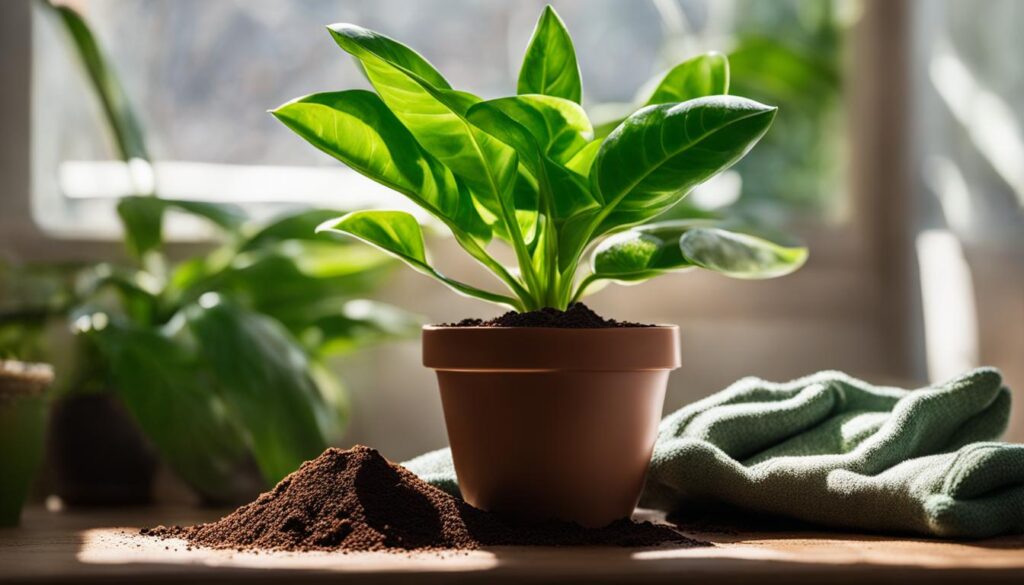
For a quick and convenient method, you can apply coffee grounds directly to the soil surface of your potted plants. Lightly sprinkle a layer of coffee grounds around the base of the plant, ensuring not to cover the stem or foliage. The grounds will slowly release nutrients into the soil as they decompose, providing a constant supply of nourishment.
Coffee Ground “Tea” for Nutrient-Rich Watering
Another effective technique is to create a nutrient-rich “tea” using coffee grounds. Simply steep a cup of coffee grounds in a gallon of water for 24 hours, stirring occasionally. Strain the mixture, and then use the liquid to water your houseplants. This method ensures a direct infusion of nutrients into the root zone, promoting healthy growth.
Adding Coffee Grounds to DIY Potting Mixes
If you enjoy creating your own potting mixes, coffee grounds can be an excellent addition. They contribute organic matter to the mix, enhancing soil structure and water retention. When incorporating coffee grounds into your DIY potting mix, aim for around 5-10% of the total mixture for optimal results. Remember to consider the specific needs of your houseplants and adjust the proportions accordingly.
To illustrate the different methods of using coffee grounds for houseplants, refer to the table below:
| Method | Description |
|---|---|
| Compost Bins or Vermicomposting Systems | Add coffee grounds to existing compost or vermicomposting systems to enhance nutrient content. |
| Direct Application to Soil Surface | Apply coffee grounds around the base of potted plants to slowly release nutrients into the soil. |
| Coffee Ground “Tea” | Brew a nutrient-rich tea by steeping coffee grounds in water, then use the liquid to water houseplants. |
| DIY Potting Mixes | Incorporate coffee grounds into homemade potting mixes to improve soil structure and water retention. |
Remember, when using coffee grounds for houseplants, it’s important to view them as a supplement rather than the main source of nutrients. Moderation is key to avoid any potential issues with over-fertilization or soil imbalance. By incorporating coffee grounds into your houseplant care routine, you can provide your indoor plants with the nourishment they need to thrive.
Using Coffee Grounds in the Garden (Outdoors)
When it comes to enhancing your outdoor garden, coffee grounds can be a valuable resource. They not only improve soil health but also provide essential nutrients for your plants. In addition, coffee grounds can act as a natural mulch, deterring pests and suppressing weeds. Let’s explore how you can utilize coffee grounds in your garden to maximize its potential.
Improving Soil Structure and Nutrient Composition
Coffee grounds can be incorporated into your garden soil to enhance its structure, drainage, and nutrient composition. Their organic matter improves soil texture, making it looser and more friable. This allows better water penetration and root growth, creating an ideal environment for your plants to thrive. Moreover, coffee grounds add valuable nutrients such as nitrogen, phosphorus, and potassium, which are essential for plant growth and development.
Natural Mulch for Outdoor Plants
Using coffee grounds as a mulch layer around your outdoor plants offers multiple benefits. Firstly, it acts as a deterrent to pests, as the strong aroma of coffee repels certain insects and critters. Secondly, coffee grounds form a protective barrier on the soil surface, suppressing weeds and minimizing weed competition for nutrients and water. Lastly, this natural mulch helps retain moisture in the soil, reducing water evaporation and promoting efficient water usage by your plants.
Fedding Earthworms and Producing Nutrient-Rich Compost
Furthermore, coffee grounds can be utilized in vermicomposting systems to feed earthworms and produce nutrient-rich worm castings. Earthworms are highly beneficial for the soil as they enhance its structure, increase nutrient availability, and promote microbial activity. By incorporating coffee grounds into your vermicomposting setup, you not only provide a valuable food source for the earthworms but also enrich the resulting compost with additional nutrients.
Guidelines for Using Coffee Grounds in the Garden
When using coffee grounds in your garden, it’s important to consider the following guidelines:
- Apply coffee grounds in moderation. While beneficial, excessive application can disrupt the balance of nutrients and acidity in the soil.
- Consider the specific needs of your plants. Some plants prefer acidic soil, while others thrive in neutral or alkaline conditions.
- Combine coffee grounds with other compost materials to provide a balanced nutrient profile for your plants.
- Monitor the moisture levels in the soil. Coffee grounds, when used as mulch, can prevent excessive evaporation but may also hinder water penetration if applied too thickly.
By following these guidelines, you can effectively use coffee grounds to enhance your outdoor garden, improving soil health and promoting robust plant growth.
How Much Coffee Grounds to Use
When using coffee grounds as fertilizer, it’s essential to determine the right amount to ensure optimal results for your plants. Various factors, including plant size, soil type, and plant needs, influence the quantity of coffee grounds to be used. As a general guideline, spreading a layer of coffee grounds about 1 to 2 centimeters thick around the base of a plant can provide beneficial nutrients.
For incorporating coffee grounds into the soil, it’s crucial to use them sparingly, aiming for approximately 5-10% of the total potting mix. This percentage helps maintain the nutrient balance without overwhelming the plants with excessive coffee grounds.
When using coffee grounds, it’s important to bear in mind that they should be used as a supplement rather than the primary source of nutrients. While coffee grounds are packed with beneficial elements, they should be combined with other fertilizers and organic matter to provide a well-rounded soil environment for plant growth.
Recommended Coffee Grounds Quantity for Various Plant Types
| Plant Type | Recommended Coffee Grounds Quantity |
|---|---|
| Large outdoor plants and shrubs | A layer of coffee grounds 1-2 cm thick around the base |
| Indoor houseplants | A thin layer of coffee grounds on the soil surface |
| Potted plants | Aim for 5-10% of the total potting mix with coffee grounds |
Remember, it’s always best to monitor your plants’ response to the coffee grounds and adjust the quantity accordingly. This approach helps strike a balance between providing the plants with valuable nutrients and preventing any potential issues that might arise from excessive usage.
Important Considerations and Precautions
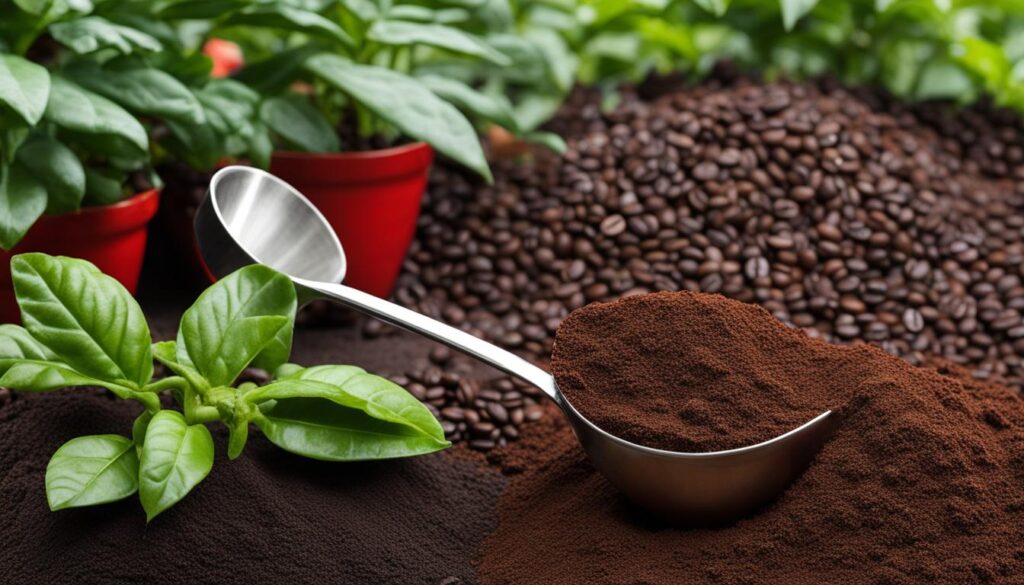
While coffee grounds offer numerous benefits as a fertilizer, it is important to be mindful of certain considerations and precautions to ensure their safe and effective use in gardening.
Dos and Don’ts
Here are some dos and don’ts to keep in mind when using coffee grounds in your garden:
- Do use coffee grounds in moderation: While coffee grounds provide valuable nutrients, excessive application can disrupt the pH balance of the soil and lead to nutrient imbalances. It is best to use coffee grounds as a supplement rather than the sole source of nutrients.
- Don’t rely solely on coffee grounds for nutrients: Coffee grounds should not replace a well-balanced fertilizer regimen. They should be used in conjunction with other organic or synthetic fertilizers to provide a complete nutrient profile for your plants.
- Do consider plant-specific needs: Different plants have different nutrient requirements. Some may benefit from coffee grounds, while others may not tolerate the acidity levels. Research the specific needs of your plants and use coffee grounds accordingly.
- Don’t use coffee grounds during the dormant season: Coffee grounds are best utilized during the active growing season when plants actively take up nutrients. Avoid using coffee grounds on dormant plants, as they may not be able to make use of the nutrients.
- Do be cautious with sensitive plant species: Some plants are not tolerant of acidic soil conditions or the caffeine content in coffee grounds. Avoid using coffee grounds around these sensitive plants to prevent any adverse effects.
“Coffee grounds should be used in moderation and as a supplement rather than the sole source of nutrients.”
By following these dos and don’ts, you can ensure the safe and effective use of coffee grounds in your garden. Remember to always consider the specific needs of your plants and make adjustments accordingly.
| Coffee Grounds Dos | Coffee Grounds Don’ts |
|---|---|
| Use in moderation as a supplement | Rely solely on coffee grounds for nutrients |
| Consider plant-specific needs | Use during the dormant season |
| Be cautious with sensitive plant species |
Plants That Like Coffee Grounds
When it comes to using coffee grounds as fertilizer, certain plants reap the benefits more than others. The nutrient-rich properties of coffee grounds make them particularly advantageous for specific types of plants. Let’s explore some of the plants that thrive with the addition of coffee grounds:
Nitrogen-Loving Plants
- Leafy greens, such as spinach, lettuce, and kale, benefit from the nitrogen content in coffee grounds for lush foliage growth.
- Grass and other nitrogen-intensive plants, like corn and wheat, perform well with the application of coffee grounds.
Phosphorus-Loving Plants
- Seedlings, young plants, and blooming flowers require phosphorus to develop strong roots and vibrant blooms. Coffee grounds provide phosphorus to support their growth.
- Root crops, including potatoes, carrots, and beets, also benefit from the phosphorus content in coffee grounds, enhancing tuber development.
Potassium-Loving Plants
- Plants that require overall health and disease resistance, like tomatoes and peppers, thrive with the potassium provided by coffee grounds.
- Fruit-bearing plants, such as strawberries and blueberries, also benefit from the increased potassium levels, resulting in larger and juicier fruits.
Acid-Loving Plants
Acid-loving plants thrive when the soil pH falls within their preferred range. Coffee grounds, with their slightly acidic nature, can create an ideal environment for these plants:
- Azaleas and rhododendrons not only appreciate the acidity but also benefit from the organic matter coffee grounds contribute to the soil.
- Blueberries, cranberries, and other members of the heath family grow best in acidic soil conditions, making coffee grounds a valuable addition.
Though coffee grounds work wonders for these plants, it’s important to note that not all species can tolerate acidic soil conditions or caffeine. Be sure to research the individual needs of each plant before using coffee grounds as fertilizer.
Incorporating coffee grounds into your gardening routine can lead to healthier plants, increased yields, and more vibrant blooms. Now that we’ve explored the plants that benefit from coffee grounds, let’s move on to the plants that may not appreciate their presence.
Plants That Don’t Like Coffee Grounds
While coffee grounds can benefit many plants, it’s important to note that there are certain plant species that may not tolerate them well. These plants are sensitive to acidic soil conditions or the presence of caffeine, making coffee grounds incompatible with their growth and health. It is crucial to research the specific needs of each plant and consider their compatibility with coffee grounds before using them as a fertilizer.
Tomatoes: Tomatoes are one example of plants that don’t like coffee grounds. These plants prefer a slightly acidic soil but can be adversely affected by an excess of acidity, which coffee grounds can contribute to. It is best to avoid using coffee grounds on tomato plants to prevent potential issues.
Some Seedlings: Certain seedlings, especially those that are young and delicate, can also be sensitive to the presence of coffee grounds. The high nitrogen content in coffee grounds may be too strong for these young plants, potentially causing burning or stunted growth. It is advisable to use alternative fertilizers for seedlings until they are stronger and more established.
By understanding the specific needs and preferences of different plant species, you can avoid using coffee grounds on plants that may be sensitive to them. This will help ensure that your plants thrive and grow in a healthy environment.
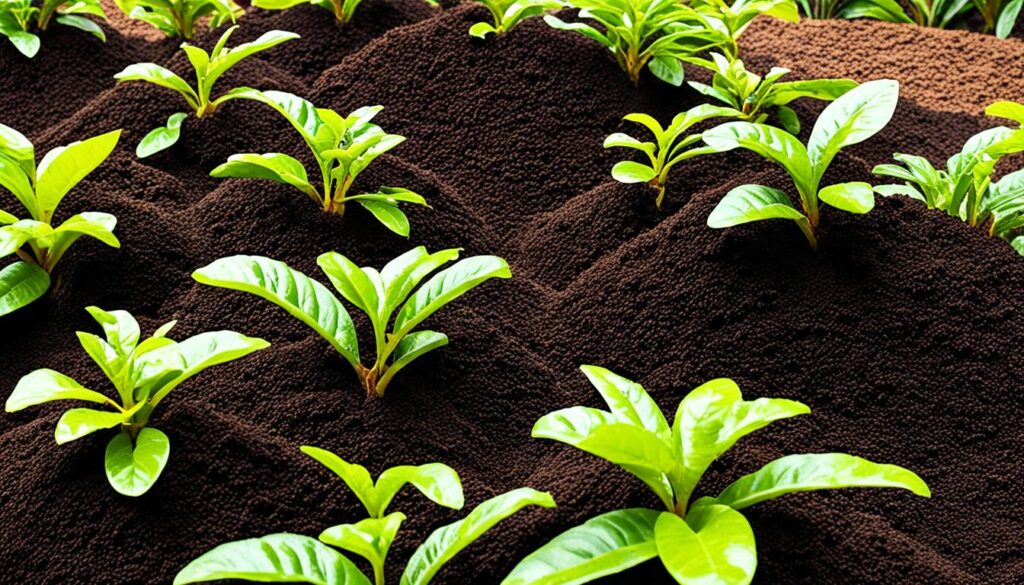
Note: The image above shows an example of plants that may be sensitive to coffee grounds. Always refer to plant-specific guidelines and recommendations for accurate information.
Where to Get Coffee Grounds for Your Garden
Obtaining coffee grounds for your garden is easier than you might think. Apart from using the coffee grounds from your own kitchen, there are several other sources you can explore. Let’s take a look:
- Friends and Neighbors: If you know someone who doesn’t have a garden but enjoys their daily cup of joe, they might have coffee grounds to spare. Don’t hesitate to ask around and see if they are willing to share their grounds with you.
- Coffee Shops, Cafes, and Restaurants: Many establishments accumulate a significant amount of used coffee grounds daily. Some of them offer tubs or bags of these grounds for free, as they recognize the value they hold for gardeners. It’s worth checking with local coffee shops, cafes, and restaurants to see if they have any available for gardening purposes.
By seeking coffee grounds from these sources, you can reduce waste and repurpose a valuable resource to nourish your garden.
Benefits of Using Recycled Coffee Grounds
Before we move on, let’s take a moment to appreciate the benefits of using recycled coffee grounds in your garden. By repurposing these grounds, you:
- Reduce Waste: Instead of letting coffee grounds end up in the trash, you give them a second life, contributing to a more sustainable lifestyle.
- Improve Soil Health: Coffee grounds enrich the soil with essential nutrients, promoting healthier plant growth and fertility.
- Add Organic Matter: The organic matter present in coffee grounds enhances soil structure, moisture retention, and beneficial microbial activity.
- Deter Pests: The strong scent of coffee can act as a natural pest deterrent, protecting your plants from unwanted visitors.
- Save Money: By accessing free coffee grounds, you save on fertilizer expenses while still nourishing your garden effectively.
| Source | Availability | Cost |
|---|---|---|
| Your Own Kitchen | High | Free |
| Friends and Neighbors | Moderate | Free |
| Coffee Shops, Cafes, and Restaurants | High | Free |
Repurposing Coffee Grounds
Coffee grounds have a multitude of uses beyond gardening. They can be repurposed in various ways to serve different purposes, from beauty hacks to household cleaning. Let’s explore some alternative uses for coffee grounds that go beyond the garden:
Beauty Hacks
Did you know that coffee grounds can be used as a natural exfoliating scrub for your skin? Their gentle abrasive texture helps remove dead skin cells, leaving your skin refreshed and rejuvenated. Simply mix coffee grounds with a moisturizing oil, like coconut or olive oil, and gently massage it onto your skin in circular motions. Rinse off to reveal smooth and glowing skin.
Coffee grounds can also be used as a natural dye for fabrics or even Easter eggs. By steeping coffee grounds in hot water and soaking fabrics or eggs in the resulting brew, you can achieve beautiful earthy tones that add a unique touch to your creations.
Household Cleaning
When it comes to household cleaning, coffee grounds can be surprisingly effective. Their natural abrasiveness and odor-neutralizing properties make them an excellent cleaning agent. Use coffee grounds to scrub stubborn stains on dishes, countertops, or even greasy pots and pans. They can help break down grime and eliminate odors, leaving your surfaces clean and fresh.
If you’re looking to deodorize your kitchen appliances, like refrigerators or garbage disposals, coffee grounds can come to the rescue. Simply place a small bowl of dried coffee grounds in your fridge or sprinkle some down the drain of your garbage disposal to absorb unwanted odors.
“Coffee grounds can be used as a natural exfoliating scrub for your skin and as a dye for fabrics or Easter eggs.”
| Alternative Uses for Coffee Grounds | Description |
|---|---|
| Exfoliating Scrub | Coffee grounds can be used to make a natural exfoliating scrub for the skin, removing dead skin cells and revealing smoother skin. |
| Natural Dye | Steeping coffee grounds in hot water can create a natural dye that can be used for fabrics or Easter eggs, adding unique earthy tones. |
| Household Cleaner | Due to their natural abrasiveness and odor-neutralizing properties, coffee grounds can be used to scrub surfaces and remove stains. |
| Deodorizer | Placing dried coffee grounds in the fridge or down the drain of a garbage disposal can neutralize unwanted odors. |
As you can see, there are numerous ways to repurpose coffee grounds and extend their usefulness beyond the garden. Give these alternative uses a try and discover the versatility of this commonly discarded resource.
Next, let’s wrap up our exploration of coffee grounds with some final thoughts and tips on using them in your gardening endeavors.
Final Thoughts on Using Coffee Grounds
Coffee grounds provide an eco-friendly and cost-effective solution for nourishing plants and enhancing soil health. When used correctly, they offer a range of benefits such as supplying essential nutrients, improving soil structure, deterring pests, and supporting plant growth. However, it is crucial to understand that coffee grounds should be used judiciously and as a supplement rather than the main source of nutrients.
When incorporating coffee grounds into your gardening routine, it is essential to assess the specific needs of each plant. Different plants require varying amounts of coffee grounds, so it’s crucial to use them in moderation. A layer of coffee grounds around the base of a plant, about 1 to 2 cm thick, can provide a good balance of nutrients without overwhelming the soil.
While coffee grounds are generally safe for most plants, it’s important to exercise caution. Some plant species are sensitive to acidic soil conditions or caffeine and may not respond well to the presence of coffee grounds. It’s recommended to conduct thorough research on the compatibility of specific plant species with coffee grounds before using them.
To optimize the benefits of coffee grounds in your gardening endeavors, it is advisable to follow these final tips:
- Use coffee grounds as a supplement to other fertilizers and organic matter.
- Remember that moderation is key – excessive use of coffee grounds can disrupt the pH balance and nutrient density of the soil.
- Incorporate coffee grounds into the soil or use them as a mulch to improve soil structure, retain moisture, and deter pests.
- Consider the specific needs and preferences of each plant before using coffee grounds.
By employing these strategies and guidelines, you can harness the potential of coffee grounds to unlock the benefits they offer and help your plants thrive.
FAQ
How can coffee grounds be used in the garden and for houseplants?
Coffee grounds can be used as a fertilizer, mulch, compost ingredient, or added to potting mixes to provide nutrients and improve soil health.
How should coffee grounds be used for houseplants?
Coffee grounds can be added to compost, used as a top dressing, incorporated into potting mixes, or brewed into a nutrient-rich “tea” for houseplants.
How can coffee grounds be utilized in the garden?
Coffee grounds can be spread around outdoor plants, used as a natural mulch, added to compost, or used in vermicomposting systems for outdoor gardens.
How much coffee grounds should be used for plants?
The amount of coffee grounds used depends on factors such as plant size, soil type, and plant needs. It is important to use them sparingly as a supplement and avoid excessive usage.
What are some important considerations when using coffee grounds?
It is important to be mindful of acidity imbalance, nutrient density, plant compatibility, and not using coffee grounds as the sole source of nutrients.
Which plants benefit from the use of coffee grounds?
Nitrogen-loving plants, phosphorus-loving plants, potassium-loving plants, and acid-loving plants can all benefit from the nutrients and acidity provided by coffee grounds.
Are there any plants that don’t tolerate coffee grounds?
Some plants, such as tomatoes and certain seedlings, may not thrive when exposed to coffee grounds due to their sensitivity to acidic soil conditions or caffeine.
Where can coffee grounds be obtained for gardening purposes?
Coffee grounds can be obtained from your own kitchen, friends, neighbors, or local coffee shops, cafes, and restaurants that offer them for free.
Are there alternative uses for coffee grounds beyond gardening?
Yes, coffee grounds can be used for beauty hacks, household cleaning, and even candle making. They can be repurposed as exfoliating scrubs, natural dyes, or odor neutralizers.
What are some final thoughts on using coffee grounds?
Coffee grounds offer a sustainable and cost-effective way to nourish plants and improve soil health. With proper usage and consideration of plant needs, coffee grounds can unlock the garden benefits and help plants thrive.


