
Potassium hydroxide (KOH) is a highly versatile chemical that is used in various applications. However, it is important to handle and use potassium hydroxide safely to avoid any potential hazards. This comprehensive guide will provide you with step-by-step instructions on how to use potassium hydroxide safely, along with important safety guidelines and the different applications of this chemical.
Key Takeaways:
- Follow safety guidelines to minimize the risk of accidents and injuries when working with potassium hydroxide.
- Handle potassium hydroxide under a fume hood and wear appropriate personal protective equipment.
- Understand the different applications of potassium hydroxide for effective usage.
- Store potassium hydroxide in a cool, dry, and well-ventilated area and dispose of it properly according to regulations.
- In case of potassium hydroxide exposure, know the appropriate first aid procedures.
Understanding Potassium Hydroxide Properties
Potassium hydroxide is a versatile chemical compound with distinctive physical properties. Its understanding is essential for safe handling and usage. Here, I will outline the key properties of potassium hydroxide to provide you with valuable insights into this compound.
Physical Appearance
Potassium hydroxide appears as a white solid, usually in the form of pellets or flakes. This compound has a characteristic alkaline odor and is highly soluble in water, alcohol, and other polar solvents.
Chemical Formula
The molecular formula of potassium hydroxide is KOH. It consists of a single potassium atom (K) bonded to a hydroxide group (OH-). This chemical composition gives rise to potassium hydroxide’s strong basic properties.
Alkaline Solutions
When dissolved in water or other polar solvents, potassium hydroxide forms strongly alkaline solutions. These solutions have a high pH and exhibit corrosive properties. It is important to handle them with care and wear appropriate protective equipment when working with potassium hydroxide solutions.
Dangerous Substances
Potassium hydroxide is classified as a dangerous substance due to its corrosive nature. Contact with potassium hydroxide can cause severe burns and damage to the skin and eyes. Inhalation of its fumes or dust can also lead to respiratory irritation. Swallowing potassium hydroxide is hazardous and can result in internal injuries.
Always prioritize safety when working with potassium hydroxide. Wear appropriate personal protective equipment, such as gloves and goggles, to minimize the risk of exposure and ensure safe handling.
Understanding the properties of potassium hydroxide is crucial for safely utilizing this compound in various applications. Now that we have explored its physical characteristics, let’s move on to the diverse applications of potassium hydroxide in the next section.
Potassium Hydroxide Applications
Potassium hydroxide, also known as KOH, is widely used in various industries due to its versatile applications. Understanding the different uses of potassium hydroxide is essential for maximizing its effectiveness in different processes.
Neutralization Reactions
Potassium hydroxide is commonly employed in neutralization reactions to produce potassium salts. These salts have diverse uses in industries such as pharmaceuticals, agriculture, and chemical manufacturing. The neutralization of potassium hydroxide with acids results in the formation of soluble and stable potassium salts.
Biodiesel Production
Potassium hydroxide is a key catalyst in the production of biodiesel. It facilitates the transesterification process, where triglycerides present in vegetable oils react with alcohols, such as methanol or ethanol, to produce fatty acid methyl or ethyl esters. This reaction yields biodiesel, a renewable and environmentally friendly alternative to traditional petroleum-based fuels.
Alkaline Batteries
Potassium hydroxide serves as the electrolyte in alkaline batteries. The electrolyte facilitates the movement of ions between the battery’s cathode and anode, allowing the flow of electric current. The alkaline nature of potassium hydroxide helps maintain the battery’s high energy density and extends its overall lifespan.
Glassware Cleaning
KOH is widely used for cleaning glassware in laboratory settings. Its strong alkaline properties make it effective in removing dirt, oils, and stains from glass surfaces. Potassium hydroxide solutions are particularly useful in cleaning glassware with stubborn residues, ensuring a high level of cleanliness and preventing cross-contamination between experiments.
“Potassium hydroxide exhibits diverse applications, from producing potassium salts through neutralization reactions to catalyzing biodiesel production. It’s also an essential component in alkaline batteries and a reliable solution for cleaning glassware in laboratories.”
To summarize, potassium hydroxide has a wide range of applications in various industries. It plays a crucial role in neutralization reactions, biodiesel production, alkaline batteries, and glassware cleaning. Understanding these applications allows for effective utilization of potassium hydroxide in different processes and industries.
Potassium Hydroxide Safety Guidelines
When working with potassium hydroxide, it is crucial to prioritize safety by following specific guidelines to minimize the risk of accidents and injuries. By implementing these safety precautions, you can ensure the safe handling and usage of potassium hydroxide in various applications.
Personal Protective Equipment (PPE)
Wear appropriate personal protective equipment (PPE) when working with potassium hydroxide. This includes:
- Safety goggles: Protect your eyes from potential splashes or spills.
- Gloves: Use chemically-resistant gloves to prevent direct contact with potassium hydroxide.
- Lab coat: Wear a lab coat or protective clothing to shield your skin from exposure.
Ventilation
Ensure proper ventilation in your workspace when handling potassium hydroxide. This helps minimize the concentration of chemical fumes and promotes a safe working environment. Working under a fume hood or in a well-ventilated area is highly recommended.
Storage
Store potassium hydroxide properly to maintain its stability and prevent accidents. Consider the following storage guidelines:
- Cool and dry location: Store potassium hydroxide in a cool and dry area to prevent degradation.
- Well-ventilated area: Choose a storage location with proper ventilation to avoid the buildup of fumes.
- Separate from incompatible substances: Keep potassium hydroxide away from acids, oxidizing agents, and flammable materials.
- Secure containers: Store potassium hydroxide in tightly closed containers to prevent leaks or spills.
Handling Precautions
Follow these handling precautions to ensure safe usage of potassium hydroxide:
- Fume hood: Handle potassium hydroxide under a fume hood to minimize exposure to fumes and vapors.
- Avoid skin contact: Wear gloves and other protective clothing to prevent direct contact with potassium hydroxide. In case of skin contact, wash the affected area thoroughly with water.
- Eye protection: Wear safety goggles to protect your eyes from potential splashes or spills. In case of eye contact, flush with water for at least 15 minutes and seek medical attention.
- Slow and controlled mixing: When diluting or dissolving potassium hydroxide, add it slowly to water while stirring gently. Adding water to potassium hydroxide can cause a violent reaction.
- Proper labeling: Ensure all containers holding potassium hydroxide are properly labeled with clear identification and hazard information.
Note: Always consult the Safety Data Sheet (SDS) and follow the specific guidelines provided by the manufacturer for handling and using potassium hydroxide.
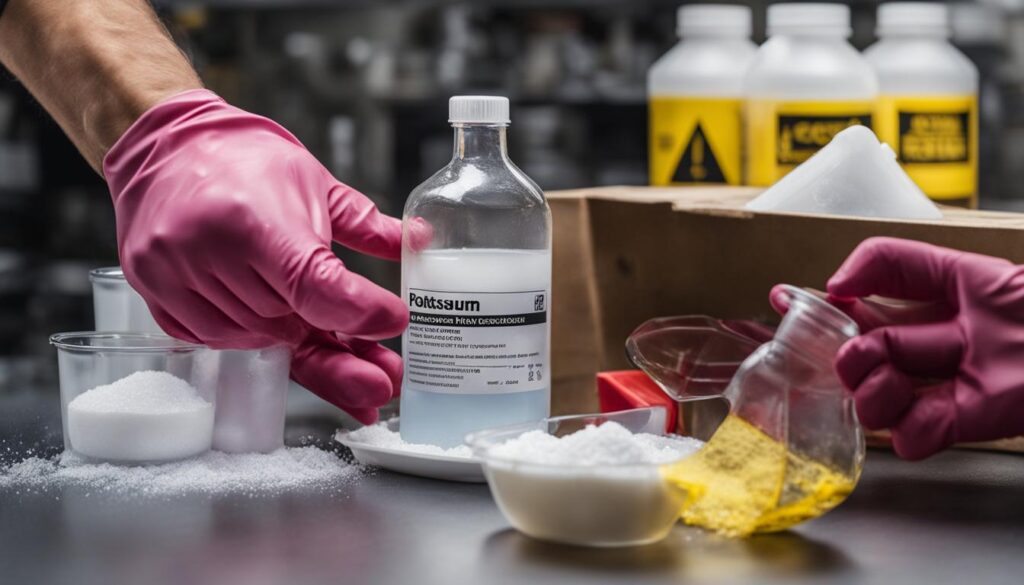
Potassium Hydroxide Handling Procedures
When it comes to handling potassium hydroxide, it is crucial to follow specific procedures to ensure the safety of yourself and others. By adhering to these handling precautions, you can minimize the risk of exposure to this caustic chemical and prevent accidents.
- Handle potassium hydroxide under a fume hood: Due to its corrosive nature and strong alkalinity, it is essential to work with potassium hydroxide in a well-ventilated area. Using a fume hood will help prevent the inhalation of harmful fumes and minimize the risk of exposure.
- Wear appropriate personal protective equipment (PPE): Protecting yourself from contact with potassium hydroxide is crucial. Be sure to wear safety goggles, gloves, and a lab coat to shield your eyes, skin, and clothing from potential splashes or spills.
- Avoid contact with skin, eyes, and mucous membranes: In the event of accidental contact, potassium hydroxide can cause severe burns and damage. Always exercise caution and take immediate action if any contact occurs.
- Mix potassium hydroxide with water slowly and with caution: When diluting or dissolving potassium hydroxide, it is crucial to add it to water slowly and carefully. This process helps prevent sudden boiling and splashing, reducing the risk of injuries.
- Properly label and store containers: Potassium hydroxide should be stored in containers that are clearly labeled to avoid mix-ups and potential hazards. Store these containers in a cool, dry, and well-ventilated area, away from incompatible substances.
Following these handling procedures will ensure the safe and effective usage of potassium hydroxide in various applications.
| Handling Procedures | Benefits |
|---|---|
| Handle under a fume hood | Minimizes inhalation of harmful fumes |
| Wear appropriate PPE | Protects against skin and eye contact |
| Avoid contact with skin, eyes, and mucous membranes | Reduces the risk of burns and damage |
| Mix with water slowly and with caution | Prevents splashing and boiling |
| Properly label and store containers | Avoids mix-ups and potential hazards |
First Aid for Potassium Hydroxide Exposure
In the event of potassium hydroxide exposure, it is crucial to take immediate action and follow the appropriate first aid procedures to minimize further harm. By promptly administering the correct first aid measures, you can mitigate the potential risks associated with potassium hydroxide exposure.
If you or someone in your vicinity has come into contact with potassium hydroxide on the skin, it is essential to act swiftly. Follow these steps:
-
Flush the affected area: Immediately rinse the exposed area with cool water for at least 15 minutes. Ensure that the water flow is gentle to prevent further irritation or spread of the chemical.
-
Remove contaminated clothing: Carefully remove any clothing that may have come into contact with potassium hydroxide. Handle the clothing with caution to avoid spreading the chemical onto unaffected areas of the skin.
In the case of eye exposure to potassium hydroxide, it is imperative to provide immediate and thorough irrigation:
-
Flush the eyes: Hold the affected person’s eyelids open and flush their eyes with water continuously for at least 15 minutes. This will help to rinse away any traces of potassium hydroxide and minimize potential damage.
In the event of inhalation exposure to potassium hydroxide, taking the following steps will help alleviate respiratory irritation:
-
Move to fresh air: Safely move the affected individual to an area with fresh air and ensure proper ventilation. This will help reduce the inhalation of potassium hydroxide fumes and alleviate any respiratory discomfort.
If ingestion of potassium hydroxide occurs, it is crucial to seek immediate medical attention:
-
Report ingestion: Contact emergency medical services or the local poison control center immediately. It is essential to provide accurate information about the ingestion incident and avoid inducing vomiting unless instructed to do so by medical professionals.
Remember, knowledge of first aid procedures for potassium hydroxide exposure is vital for minimizing the potential harm caused by accidents. Acting swiftly and appropriately in these situations can significantly contribute to positive outcomes.

Potassium Hydroxide Storage and Disposal
Proper storage and disposal of potassium hydroxide are crucial for ensuring safety and environmental responsibility. To maintain the integrity of this highly reactive chemical, it must be stored in a cool, dry, and well-ventilated area to prevent any potential reactions or degradation.
When storing potassium hydroxide, it is important to keep it away from incompatible substances that could lead to hazardous reactions. To avoid cross-contamination, store it separately from acids, oxidizers, and other chemicals that may react with potassium hydroxide.
The storage containers for potassium hydroxide should be tightly closed to prevent exposure to air and moisture. Additionally, it’s essential to label the containers properly with all relevant information, such as the chemical name, concentration, and date of receipt. This ensures easy identification and minimizes the risk of accidents.
When it comes to the disposal of potassium hydroxide, it is considered hazardous waste and should be handled accordingly. Always refer to local regulations and guidelines for proper disposal procedures. Contaminated materials, such as empty containers or spills, should be collected and disposed of through authorized waste management facilities or services.
Remember, improper storage or disposal of potassium hydroxide can lead to significant safety risks and environmental harm. Following the correct procedures ensures the responsible management of this chemical and reduces the potential for accidents and negative impacts.
With proper storage and disposal practices in place, you can effectively minimize the risks associated with potassium hydroxide while maintaining a safe working environment and protecting our natural surroundings.
Potassium Hydroxide Spill Response
In the event of a potassium hydroxide spill, it is crucial to respond promptly and appropriately to minimize the risk of exposure and environmental damage. Handling a potassium hydroxide spill requires proper training, spill kits, and personal protective equipment (PPE) to ensure safety.
Here are the steps to handle a potassium hydroxide spill:
- First, ensure your safety by putting on the necessary PPE, such as gloves, goggles, and a lab coat.
- Evacuate the affected area immediately to prevent further exposure.
- Restrict access to the spill area to prevent others from getting exposed.
- Contact the appropriate authorities, such as the hazardous materials team or local emergency services, for assistance.
- Follow any specific spill response procedures provided by your organization or regulatory guidelines.
- If possible, contain the spill by using appropriate spill control materials, such as absorbent pads or spill socks, to prevent further spreading.
- Carefully clean up the spill by following proper disposal procedures, making sure to avoid contact with the chemical and to properly label any waste.
Remember, potassium hydroxide spills should only be handled by trained personnel equipped with the necessary knowledge and tools. Safety should always be the top priority when responding to a potassium hydroxide spill.
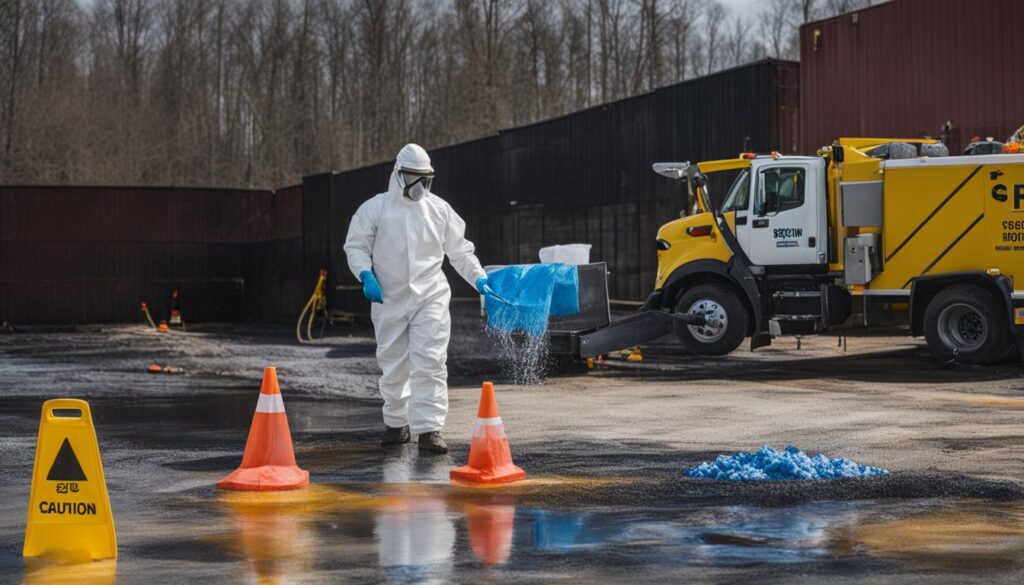
Expert Tip:
Proper training and regular drills can significantly improve your response to potassium hydroxide spills. Familiarize yourself with the spill kits and safety protocols specific to your workplace to ensure a quick and efficient response in case of an emergency.
Potassium Hydroxide Training and Emergency Contacts
Proper training is crucial when working with potassium hydroxide. It is essential to receive comprehensive training on handling procedures, safety guidelines, and emergency response protocols. This training equips individuals with the knowledge and skills necessary to handle potassium hydroxide safely, reducing the risk of accidents and injuries.
During potassium hydroxide training, individuals learn how to handle the chemical properly, including how to mix it with water, avoid skin and eye contact, and store it safely. They also learn about the potential hazards associated with potassium hydroxide and the appropriate personal protective equipment to use when working with the chemical.
In addition to training, having access to emergency contacts is crucial for a prompt and efficient response to potassium hydroxide incidents. These contacts include the Department of Public Safety’s emergency number, local emergency services, and relevant health and safety personnel. In case of any accidents or emergencies involving potassium hydroxide, contacting these authorities ensures that immediate assistance can be provided.
Remember, receiving proper training and knowing the appropriate emergency contacts are vital for maintaining a safe working environment when handling potassium hydroxide.
| Emergency Contacts | Phone Number |
|---|---|
| Department of Public Safety | 555-123-4567 |
| Local Emergency Services | 555-789-1234 |
| Health and Safety Personnel | 555-456-7890 |
Conclusion
This comprehensive potassium hydroxide usage guide has provided you with the necessary information to handle and use potassium hydroxide safely. By following the guidelines, procedures, and safety measures outlined in this guide, you can effectively utilize potassium hydroxide in various applications while minimizing the risk of accidents and injuries.
Remember to always prioritize safety and consult with relevant health and safety personnel for further guidance when working with potassium hydroxide. The properties of potassium hydroxide, its wide range of applications, and the importance of following proper handling and storage procedures have all been covered in this guide.
With the knowledge gained from this guide, you can confidently and safely handle potassium hydroxide in your work or projects. Utilize this chemical’s versatility while adhering to the recommended safety guidelines. By doing so, you can ensure a safe working environment and contribute to the successful implementation of potassium hydroxide in various industries.
FAQ
How should potassium hydroxide be handled to ensure safety?
Potassium hydroxide should be handled with caution. Follow safety guidelines such as wearing personal protective equipment, handling it under a fume hood, and storing it properly in a cool, dry area.
What are the applications of potassium hydroxide?
Potassium hydroxide is used in various industries for neutralization reactions, biodiesel production, electrolyte in alkaline batteries, and cleaning glassware.
What safety guidelines should be followed when working with potassium hydroxide?
Safety guidelines include wearing appropriate personal protective equipment, ensuring proper ventilation, handling it under a fume hood, and storing it properly.
What are the handling procedures for potassium hydroxide?
Handling procedures include wearing personal protective equipment, avoiding skin and eye contact, mixing it with water slowly, and properly labeling and storing containers.
What should be done in the event of potassium hydroxide exposure?
First aid procedures for potassium hydroxide exposure include flushing the affected area with water for skin exposure, flushing the eyes with water for eye exposure, moving to fresh air for inhalation exposure, and reporting ingestion exposure.
How should potassium hydroxide be stored and disposed of?
Potassium hydroxide should be stored in a cool, dry, and well-ventilated area, away from incompatible substances. Contaminated materials should be disposed of as hazardous waste in accordance with local regulations.
What is the proper response to a potassium hydroxide spill?
Trained personnel should respond to a potassium hydroxide spill using proper spill kits and personal protective equipment. The affected area should be evacuated, access restricted, and appropriate authorities contacted.
Is training necessary when working with potassium hydroxide?
Yes, proper training on handling procedures, safety guidelines, and emergency response protocols is crucial when working with potassium hydroxide.
Where can I find emergency contacts for potassium hydroxide-related incidents?
It is important to have emergency contacts readily available, including the Department of Public Safety emergency number, local emergency services, and relevant health and safety personnel.
How can I use potassium hydroxide safely and effectively?
By following the guidelines, procedures, and safety measures outlined in this guide, you can use potassium hydroxide safely and effectively in various applications while minimizing the risk of accidents and injuries.


