Aloe vera is a versatile plant that offers numerous benefits for the skin, hair, and overall health. Its natural healing properties have been known for centuries, and it continues to be a popular ingredient in skincare products, hair treatments, and dietary supplements.
Using aloe vera can help you achieve healthy, glowing skin, promote hair growth, and even improve your digestive health. With its many uses and potential benefits, incorporating aloe vera into your daily routine is a simple and effective way to enhance your well-being.
Key Takeaways:
- Aloe vera offers a wide range of benefits for the skin, hair, and overall health.
- It can promote hydration, reduce inflammation, and fight signs of aging when used in skincare.
- Aloe vera has been found to lower blood pressure, stabilize blood sugar, and improve dental health.
- It can also be used as a natural remedy for constipation and provide relief for skin irritations.
- There are various ways to use aloe vera, including applying it topically and consuming it as a juice or supplement.
Aloe Vera for Lowering Blood Pressure
Research has shown that aloe vera gel powder can be beneficial for individuals with diabetes who are looking to lower their blood pressure. Aloe vera contains anti-inflammatory components that have been found to reduce both systolic and diastolic blood pressure levels.
However, it is important to note that aloe vera should not be viewed as a substitute for essential lifestyle changes, regular exercise, and prescribed medication. Instead, it should be seen as a complementary addition to a comprehensive blood pressure management plan.
“The use of aloe vera gel powder has been associated with measurable reductions in blood pressure among individuals with diabetes.”
Adding aloe vera to your routine may help support your overall health, but it should not replace the guidance and treatment recommended by your healthcare professional. It is essential to consult with a medical expert before making any changes to your current blood pressure management plan.
How Does Aloe Vera Reduce Blood Pressure?
The exact mechanisms by which aloe vera aids in blood pressure reduction are still being studied. However, the anti-inflammatory properties of aloe vera may play a role in its potential benefits. Chronic inflammation has been linked to increased blood pressure levels, and aloe vera’s anti-inflammatory compounds may help counteract this effect.
Additionally, aloe vera has been shown to promote vasodilation, which refers to the widening of blood vessels. This dilation allows for improved blood flow and may contribute to the lowering of blood pressure levels.
Cautionary Considerations
While aloe vera gel powder may have potential benefits for lowering blood pressure, it is vital to exercise caution and consult with a healthcare professional before incorporating it into your routine, especially if you have an existing medical condition or are taking medication. Your doctor will be able to provide personalized advice based on your specific health needs.
Furthermore, it is crucial to note that aloe vera gel powder is not suitable for everyone. Side effects such as diarrhea, stomach cramping, and electrolyte imbalances may occur. Pregnant women, individuals with kidney disease, and those on diuretic medication should avoid consuming aloe vera gel powder.
| Aloe Vera for Lowering Blood Pressure | |
|---|---|
| Potential Benefits | Cautionary Considerations |
|
|
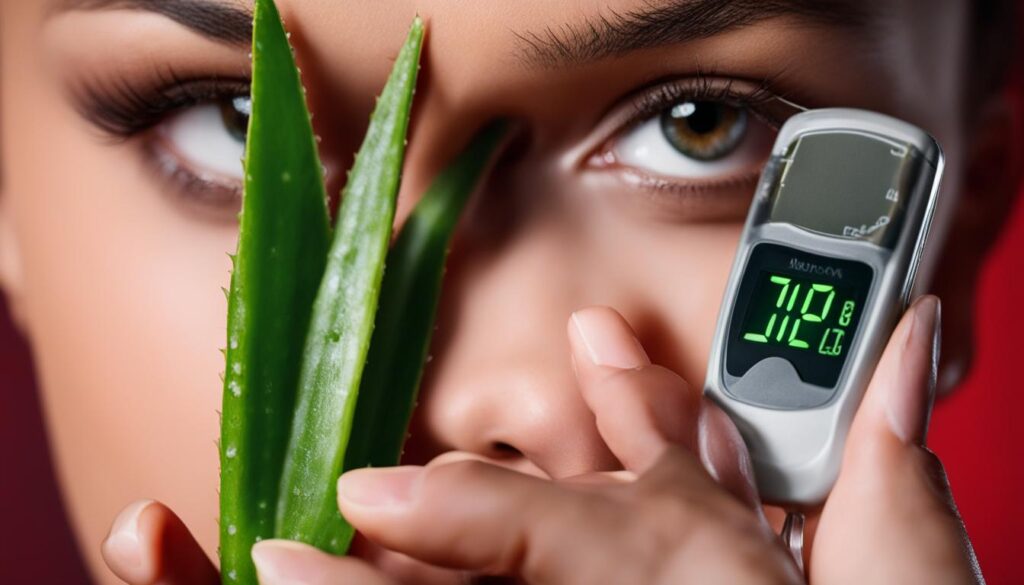
Image: The image below provides a visual representation of a person using aloe vera for blood pressure reduction.
Aloe Vera for Blood Sugar Control
Studies have found that aloe vera can help stabilize blood sugar levels in individuals with prediabetes and type 2 diabetes. This natural plant has been shown to reduce glucose absorption in the digestive tract and lower glucose production, making it a potentially beneficial supplement for those managing diabetes.
While aloe vera shows promise in blood sugar control, it is necessary to note that further research is needed to determine its full effects and potential interactions with diabetes medications. Consulting with a healthcare professional before incorporating aloe vera into your diabetes management routine is highly advisable.
One study conducted on individuals with prediabetes found that aloe vera consumption significantly reduced fasting blood sugar levels and HbA1c, a measure of long-term blood sugar control. Another study involving individuals with type 2 diabetes observed a decrease in fasting blood sugar levels, post-meal blood sugar spikes, and HbA1c with aloe vera supplementation.
“The potential of aloe vera in blood sugar control is promising, with preliminary studies showing positive effects. However, it is essential to exercise caution and seek professional advice when incorporating this herb into your diabetes management plan.”
As a natural remedy, aloe vera offers an alternative to traditional diabetes management methods, but it is not a substitute for prescribed medication, dietary changes, or a healthy lifestyle. Its potential blood sugar-lowering effects should be considered in conjunction with a comprehensive diabetes care plan.
Ways to Incorporate Aloe Vera for Blood Sugar Control
If you are considering using aloe vera to help manage your blood sugar levels, here are some ways to incorporate it into your routine:
- Drink aloe vera juice: Look for aloe vera juice that is specifically formulated for diabetes care, as it may contain standardized levels of key active compounds. Follow the recommended dosage instructions and consult with a healthcare professional before adding it to your diet.
- Take aloe vera supplements: Aloe vera supplements, available in capsule or tablet form, are another option for blood sugar control. Choose high-quality supplements from reputable brands and follow the recommended dosage instructions.
- Use aloe vera gel: Apply aloe vera gel topically to your skin, as it may help improve wound healing and skin health, which is important for individuals with diabetes who are more prone to skin complications.
Remember, it is crucial to consult with a healthcare professional before trying any new supplements or making significant changes to your diabetes management plan. Diabetes care should be personalized, and a healthcare professional can provide individualized advice based on your specific needs and medical history.
Aloe Vera for Dental Health
Aloe vera is not only beneficial for the skin and hair but also for dental health. It has been found to possess anti-plaque and anti-gingivitis properties, making it an excellent natural remedy for maintaining gum health.
Research has shown that using an aloe vera-based mouthwash can significantly reduce gum bleeding and plaque compared to a placebo. This makes aloe vera mouthwash a suitable alternative to traditional mouthwashes for individuals dealing with dental plaque and gingivitis.
What sets aloe vera apart is its natural anti-inflammatory and antimicrobial properties. These properties help in combating gum inflammation and controlling the growth of harmful bacteria that can lead to gingivitis or gum disease. Regular use of aloe vera mouthwash can contribute to healthier gums and improved overall oral hygiene.
When using aloe vera mouthwash, it is important to follow the instructions provided by the product manufacturer. It is also advisable to consult with a dental professional before incorporating aloe vera mouthwash into your oral care routine.
“Regular use of aloe vera mouthwash can contribute to healthier gums and improved overall oral hygiene.”
The Benefits of Aloe Vera for Dental Health:
- Reduces gum bleeding
- Controls plaque formation
- Acts as an anti-inflammatory agent
- Helps combat gingivitis
- Provides natural antimicrobial properties
Aloe vera mouthwash can be an effective addition to your oral care routine, enhancing the health of your gums and promoting good dental hygiene.
Aloe Vera for Skin Care
Aloe vera is a versatile plant known for its numerous benefits for the skin. Its moisturizing and anti-aging properties have made it a popular ingredient in skincare products. Whether you want to keep your skin hydrated, reduce the appearance of wrinkles, soothe sunburns, or promote wound healing, aloe vera can be a valuable addition to your skincare routine.
One of the key benefits of aloe vera for skin is its ability to trap water, keeping the skin moisturized and preventing dryness. This hydration is essential for maintaining healthy, glowing skin. With its lightweight and non-greasy texture, aloe vera gel is easily absorbed into the skin, providing instant moisture without clogging pores or leaving a heavy residue.
In addition to moisturizing the skin, aloe vera stimulates collagen production, a protein responsible for maintaining the skin’s elasticity. Collagen helps tighten the skin, reducing the appearance of wrinkles and fine lines. By incorporating aloe vera into your skincare routine, you can promote a youthful and vibrant complexion.
Aloe vera is also a soothing agent for sunburned skin. Its anti-inflammatory properties can help reduce redness, inflammation, and pain caused by sunburns. Applying aloe vera gel to sunburned areas can provide relief and speed up the healing process.
Moreover, aloe vera has been found to improve wound healing. Its antimicrobial properties help prevent infection, while its moisturizing effects create a conducive environment for healing. Whether you have a minor cut, scrape, or burn, applying aloe vera gel can promote faster recovery and minimize scarring.
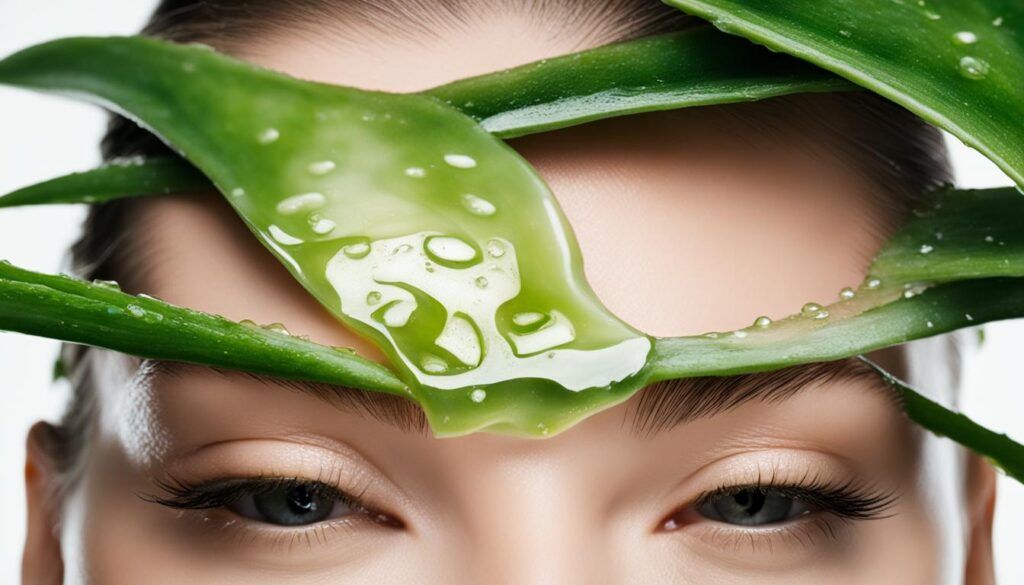
Aloe vera’s beneficial properties for skin care make it a valuable ingredient in various skincare products, including moisturizers, serums, masks, and sunscreens. Incorporating products containing aloe vera gel into your skincare routine can help you achieve healthy, hydrated, and rejuvenated skin.
Aloe Vera for Acne Treatment
When it comes to treating acne, Aloe Vera is a natural and effective solution. Its anti-inflammatory properties can soothe irritated skin and reduce the appearance of acne and acne scars. By decreasing the production of inflammatory lipids in the sebaceous glands, Aloe Vera helps minimize redness and swelling associated with breakouts.
Applying Aloe Vera gel or products containing Aloe Vera onto the affected areas can provide relief to acne-prone skin. However, it is important to note that Aloe Vera should not be applied directly to open acne blemishes, as it may cause further irritation.
By incorporating Aloe Vera into your skincare routine, you can harness the power of this natural remedy to promote clear and healthy skin. Whether used as a spot treatment or as a part of your daily regimen, Aloe Vera gel for acne can provide the soothing and calming effects necessary for a clearer complexion.
Aloe Vera for Skin Irritation
When it comes to soothing skin irritations, aloe vera has proven to be an effective natural remedy. It offers relief for common skin conditions such as psoriasis and eczema.
Aloe vera for psoriasis:
Psoriasis is a chronic skin condition characterized by red, itchy patches covered with silvery scales. Aloe vera can help alleviate the symptoms associated with psoriasis, including redness and scaling. When applied topically, aloe vera acts as a moisturizer and helps reduce inflammation, providing much-needed relief for those affected by this condition.
Aloe vera for eczema:
Eczema, also known as atopic dermatitis, is a common form of skin inflammation characterized by dry, itchy, and irritated skin. Aloe vera’s anti-inflammatory properties can help prevent flare-ups and soothe the skin. By providing hydration and reducing redness, aloe vera offers relief to individuals dealing with the discomfort of eczema.
To effectively utilize aloe vera for psoriasis and eczema, apply a thin layer of pure aloe vera gel to the affected areas of the skin. Massage it gently until fully absorbed. Repeat this process regularly to experience the full benefits of aloe vera. It is important to note that while aloe vera can provide relief, it should not be considered a substitute for medical advice or prescribed treatments for these conditions.
For a better understanding of the benefits of aloe vera in treating psoriasis and eczema, refer to the table below that highlights the key advantages:
| Condition | Benefits of Aloe Vera |
|---|---|
| Psoriasis | – Reduces redness |
| – Alleviates scaling | |
| Eczema | – Soothes irritated skin |
| – Reduces inflammation |
Incorporating aloe vera into your skincare routine can provide much-needed relief for skin irritations such as psoriasis and eczema. However, it is essential to consult with a dermatologist or healthcare professional for personalized advice and to determine the most suitable course of treatment.
Aloe Vera for Digestive Health
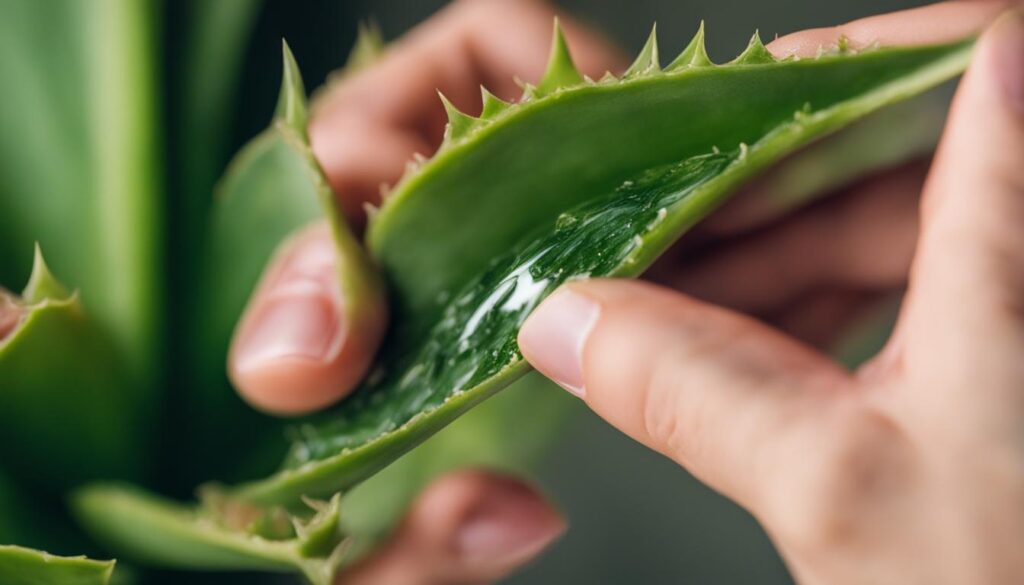
Aloe vera is not just beneficial for your skin and hair, it can also have a positive impact on your digestive system. This amazing plant has been found to have laxative properties, making it an effective remedy for constipation.
One of the reasons why aloe vera is helpful for overcoming constipation is its hydrating properties. Staying hydrated is important for maintaining regular bowel movements, and aloe vera can provide the necessary hydration to keep things moving smoothly.
Another key component of aloe vera that aids in relieving constipation is anthraquinones. These natural compounds act as a stimulant laxative, stimulating muscle contractions in the intestines and promoting bowel movements.
However, it is important to note that while aloe vera gel can be used for constipation relief, consuming aloe latex, which is the part of the plant with laxative properties, can have potential side effects. Some individuals may experience abdominal cramps or electrolyte imbalances, particularly a decrease in potassium levels, when consuming aloe latex.
When using aloe vera for constipation, it is best to consult with a healthcare professional to determine the appropriate dosage and ensure it is safe for your specific situation.
Benefits of Aloe Vera for Digestive Health:
- Provides hydration to combat constipation
- Contains anthraquinones, acting as a stimulant laxative
- May help relieve occasional constipation
- Offers a natural remedy for digestive discomfort
While aloe vera can provide relief for constipation, it is essential to maintain a balanced diet, exercise regularly, and practice healthy lifestyle habits for optimal digestive health.
Now that we’ve explored the benefits of aloe vera for digestive health, let’s move on to its amazing effects on hair care in the next section.
Aloe Vera for Hair Care
Aloe vera is not just beneficial for the skin, but it also plays a vital role in hair care. This natural plant extract can nourish the hair and scalp, promoting hair growth and improving scalp health. Its unique properties make it an excellent ingredient for homemade hair treatments and remedies.
One of the key benefits of aloe vera for hair is its ability to reduce dandruff. Dandruff is often caused by a dry, itchy scalp, and aloe vera’s moisturizing properties can provide relief. It helps to soothe the scalp, reducing itchiness and flakiness. By moisturizing the scalp, aloe vera can also help to prevent dryness and reduce hair breakage.
In addition to addressing scalp issues, aloe vera can also contribute to hair growth. It contains enzymes that help to remove dead skin cells from the scalp, creating a conducive environment for hair follicles to grow. Aloe vera also stimulates blood circulation in the scalp, which can improve hair follicle health and promote hair growth.
Aloe vera’s moisturizing properties can prevent dry hair, leaving it soft, smooth, and hydrated. It can be especially beneficial for those with dry or damaged hair, as it adds moisture and shine to the hair strands. Regular use of aloe vera treatments can help restore the hair’s natural luster and vitality.
To incorporate aloe vera into your hair care routine, you can create your own DIY treatments or look for hair care products that contain aloe vera as an ingredient. Here is a simple recipe for an aloe vera hair mask:
Aloe Vera Hair Mask Recipe:
- Mix 2 tablespoons of fresh aloe vera gel with 1 tablespoon of coconut oil.
- Apply the mixture to your scalp and hair, focusing on the roots.
- Leave it on for 30 minutes and then rinse thoroughly with lukewarm water.
- Follow with your usual shampoo and conditioner.
This hair mask can help nourish the hair, reduce dandruff, and promote healthy hair growth.
Remember to perform a patch test before applying aloe vera or any new product to your hair to ensure you are not allergic or sensitive to it. If you experience any irritation, discontinue use immediately.
Aloe Vera for Scalp Health
The scalp plays a crucial role in hair health, and maintaining a healthy scalp is essential for promoting strong, beautiful hair. Aloe vera can contribute to scalp health in several ways:
- Antibacterial and Antifungal Properties: Aloe vera has natural antibacterial and antifungal properties, which can help combat scalp infections caused by bacteria or fungi. By keeping the scalp clean and free from infections, aloe vera supports a healthy scalp environment for hair growth.
- Reducing Inflammation: Aloe vera’s anti-inflammatory properties can help reduce scalp inflammation, relieving itchiness and discomfort. Inflammation can disrupt hair growth and lead to hair loss, so maintaining a calm and healthy scalp is crucial for optimal hair growth.
- Maintaining pH Balance: The pH balance of the scalp is essential for a healthy environment for hair follicles. Aloe vera has a naturally acidic pH, which can help balance the scalp’s pH levels. This balance is crucial for maintaining scalp health and promoting hair growth.
By incorporating aloe vera into your hair care routine, you can experience the benefits of this incredible plant extract for both your hair and scalp. Whether you choose to use homemade treatments or opt for hair care products containing aloe vera, you can nourish your hair, promote hair growth, and improve scalp health.
How to Incorporate Aloe Vera into Your Routine
Incorporating aloe vera into your skincare routine is a simple and effective way to reap its numerous benefits. Whether you want to hydrate your skin, reduce redness and inflammation, or fight signs of aging, aloe vera can be your go-to ingredient. There are several ways to include aloe vera in your everyday skincare regimen.
First, consider using aloe vera gel or moisturizer directly on your skin. Apply a thin layer of aloe vera gel after cleansing your face to provide deep hydration and soothe any irritations. You can also find moisturizers infused with aloe vera extract, which offer the added benefits of other nourishing ingredients.
In addition, look for aloe vera-based cleansers and serums. Incorporating these products into your routine can help cleanse your skin gently and deliver a concentrated dose of aloe vera’s soothing properties. Look for cleansers that contain aloe vera as a key ingredient, and apply a serum with aloe vera to target specific skincare concerns.
Last but not least, consider adding aloe vera juice or supplements to your daily diet. Consuming aloe vera internally can support your overall health and enhance the benefits of your skincare routine. However, it’s important to choose high-quality aloe vera products and consult with a healthcare professional before introducing any new supplements into your diet.
FAQ
How can I unlock the benefits of aloe vera?
Aloe vera can be used in various ways to promote health and wellness. You can apply it topically as a gel or moisturizer, incorporate it into your skincare routine, or consume it as a juice or supplement.
Can aloe vera help lower blood pressure?
Yes, research has shown that aloe vera gel powder can help lower blood pressure. It contains anti-inflammatory components that can reduce systolic and diastolic blood pressure levels.
Is aloe vera effective for blood sugar control?
Yes, aloe vera has been found to help stabilize blood sugar levels in individuals with prediabetes and type 2 diabetes. It reduces glucose absorption and production, but further research is needed.
How can aloe vera benefit dental health?
Aloe vera has anti-plaque and anti-gingivitis properties, making it beneficial for oral health. Using an aloe vera-based mouthwash can reduce gum bleeding and plaque.
What are the skincare benefits of aloe vera?
Aloe vera has moisturizing and anti-aging properties. It can hydrate the skin, reduce redness and inflammation, stimulate collagen production, soothe sunburn, and improve wound healing.
Can aloe vera be used to treat acne?
Yes, aloe vera’s natural anti-inflammatory properties make it an effective acne treatment. It can soothe and diminish acne and acne scars by reducing redness and swelling.
Is aloe vera beneficial for skin irritations?
Yes, aloe vera can benefit skin conditions such as psoriasis and eczema. It can reduce redness and scaling associated with psoriasis and prevent flare-ups in individuals with atopic dermatitis.
Does aloe vera have digestive health benefits?
Yes, aloe vera has laxative properties and can help relieve constipation. It provides hydration and contains compounds that act as a stimulant laxative.
How can aloe vera benefit hair care?
Aloe vera can nourish the hair and scalp, promoting hair growth and improving scalp health. It can reduce dandruff, prevent dryness, and add shine to the hair.
How can I incorporate aloe vera into my routine?
There are various ways to incorporate aloe vera into your skincare routine. You can use aloe vera gel, moisturizers, cleansers, serums, or consume aloe vera juice or supplements. Choose high-quality products and consult with a healthcare professional before starting any new regimen.
Source Links
- https://www.everydayhealth.com/alternative-health/potential-health-benefits-of-aloe-vera/
- https://www.curaloe.com/blogs/everyday-aloe-vera-benefits/the-benefits-of-aloe-vera-for-skin-a-comprehensive-guide
- https://www.lorealparis.co.in/beauty-magazine/skin-care-blogs/aloe-vera-for-the-skin—how-to-use-this-miracle-plant


