
Almond oil is not just a delicious addition to your pantry, it is also packed with nutrients that offer a range of health benefits. Derived from almonds, this natural oil can be used for skincare, haircare, cooking, and overall wellness. With its impressive composition of monounsaturated and polyunsaturated fatty acids, phytosterols, and vitamins, almond oil possesses antioxidant, anti-inflammatory, and antibacterial properties. Additionally, it has been found to have potential benefits for heart health, diabetes management, skin conditions, cancer prevention, and brain health.
When it comes to nutrition, almond oil delivers a significant amount of energy and essential nutrients per 100 grams. It contains saturated fatty acids, monounsaturated fatty acids, polyunsaturated fatty acids, as well as vitamins such as vitamin K and vitamin E. These nutritional components make almond oil a valuable addition to a healthy diet.
Whether you are looking to nourish your skin, promote hair growth, or enhance your culinary creations, almond oil is a versatile and natural solution. However, it’s important to consult a medical professional before incorporating almond oil into your routine, especially if you have specific health conditions or concerns.
Key Takeaways:
- Almond oil is packed with nutrients and offers a variety of health benefits.
- It has antioxidant, anti-inflammatory, and antibacterial properties.
- Almond oil may help improve heart health, manage diabetes, and promote healthier skin.
- It can be used for cooking, skincare, and haircare purposes.
- Consult a medical professional before using almond oil for specific health conditions or concerns.
What is Almond Oil and How is it Produced?
Almond oil, scientifically known as Oleum amygdalae, is derived from almonds and plays a vital role in the global market. Produced through the extraction and expression processes, this versatile oil is prepared from two varieties of almonds, sweet and bitter. Almond trees thrive in various regions, including India, Saharan plains, Iran, Turkey, and Nepal, making it accessible to a global market.
Composed of glycerine and oleic acid, almond oil possesses a mild odor and a slightly nutty taste. Its nutrient composition is impressive, packed with monounsaturated and polyunsaturated fatty acids, phytosterols, and vitamins. The extraction process ensures the retention of these valuable nutrients that contribute to the oil’s health benefits.
The production of almond oil is an intricate process that begins with obtaining ripe almonds from almond trees. These almonds are then cleaned, hulled, and ground into a fine paste. The next step involves separating the oil from the almond paste through methods like cold pressing or expeller pressing. These processes ensure the extraction of every drop of oil from the almond paste, maximizing its yield.
The production of almond oil involves careful extraction and expression processes, ensuring the retention of valuable nutrients that contribute to its health benefits.
Once the oil is extracted, it undergoes refining and filtration processes to enhance its purity and remove any impurities. The final result is a high-quality, versatile oil with a long shelf life and numerous applications.
Whether used for culinary, skincare, or haircare purposes, the production of almond oil follows strict procedures to ensure the delivery of a premium product. This commitment to quality and the extraction of the oil’s natural goodness contribute to its popularity and wide range of uses.

Nutritional Value of Almond Oil
Almond oil is a real powerhouse when it comes to nutrition. Packed with essential nutrients, it offers a wide array of health benefits that can enhance your overall well-being. Let’s take a closer look at the nutritional composition of almond oil:
| Nutrient | Amount per 100g |
|---|---|
| Energy (kcal) | 884 |
| Saturated Fatty Acids (g) | 8.2 |
| Monounsaturated Fatty Acids (g) | 69.9 |
| Polyunsaturated Fatty Acids (g) | 17.4 |
| Choline (mg) | 0.4 |
| Vitamin K (µg) | 7 |
| Vitamin E (mg) | 39.2 |
Almond oil also contains various other essential vitamins and minerals that contribute to its nutritional value. These nutrients make almond oil a valuable addition to a healthy diet.
Image:
Health Benefits of Almond Oil
Almond oil offers a multitude of health benefits that make it a valuable addition to your daily routine. Let’s explore some of the key advantages:
- Heart Health: Almond oil may contribute to a healthy heart by reducing bad cholesterol levels and increasing good cholesterol levels. This can help lower the risk of developing heart disease.
- Diabetes Management: Research suggests that almond oil has blood glucose-lowering effects, which can be beneficial for individuals with diabetes. It may help regulate blood sugar levels and improve insulin sensitivity.
- Skin Nourishment: When it comes to skincare, almond oil is a natural powerhouse. It can effectively moisturize and nourish the skin, keeping it soft and supple. Almond oil can also help improve skin conditions such as eczema and psoriasis, and enhance overall complexion.
- Cancer Prevention: Almond oil contains potent antioxidants that have been linked to cancer prevention. These antioxidants help neutralize harmful free radicals in the body, potentially reducing the risk of colon, breast, and colorectal cancers.
- Brain Health: Regular consumption of almond oil has been associated with improved brain health. It can help reduce stress, anxiety, and fatigue, while enhancing memory and sleep quality.
Almond oil is a versatile and natural solution that can support your overall well-being. However, it is essential to consult with a healthcare professional before incorporating almond oil into your routine, especially if you have any specific medical conditions or concerns.
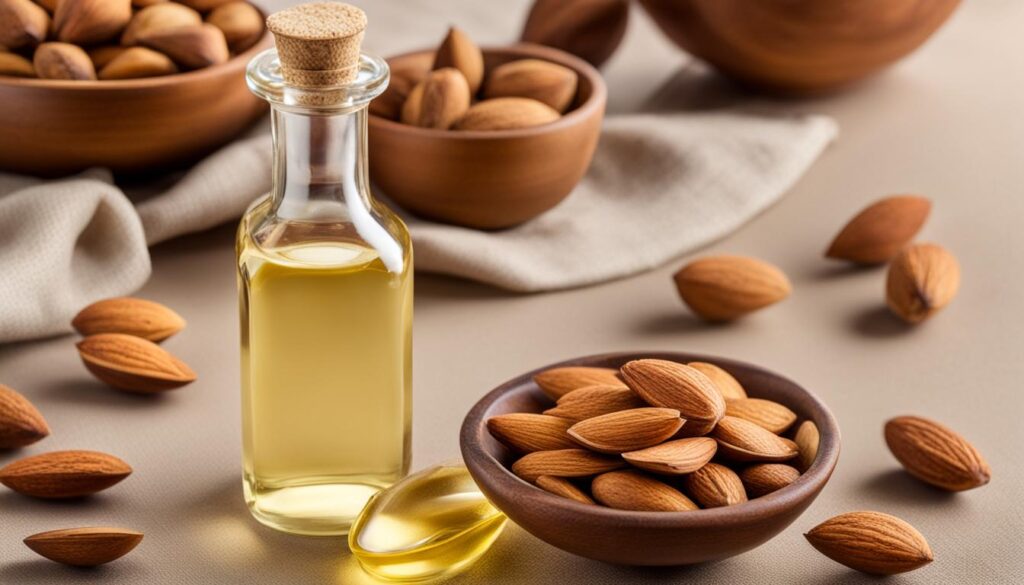
Culinary Uses of Almond Oil
Almond oil is not only a healthful ingredient but also a versatile one in the kitchen. It can be used in various culinary applications, adding a delightful nutty and mild flavor to a variety of dishes.
Here are some of the culinary uses of almond oil:
“Almond oil adds a unique touch to both sweet and savory recipes, making it a favorite among chefs and cooking enthusiasts.”
1. Cooking with Almond Oil
Almond oil can be used as a flavorful and healthy substitute for traditional cooking oils. Whether you’re sautéing vegetables or frying food, almond oil adds a subtle nuttiness to your dishes.
2. Flavoring with Almond Oil
Almond oil can be used as a flavoring agent in both sweet and savory recipes. It adds a distinct almond taste that enhances the overall flavor profile of your dishes. Try drizzling a few drops of almond oil on top of salads, roasted vegetables, or grilled meats to enjoy its unique flavor.
3. Salad Dressings with Almond Oil
Almond oil can be incorporated into homemade salad dressings to add depth and complexity. Combine it with vinegar, herbs, and spices to create delicious dressings that will elevate your salads to the next level.
4. Making Almond Butter
Almond oil can be used to make your own almond butter at home. Blend roasted almonds with a small amount of almond oil until smooth and creamy. The result is a homemade almond butter that is both nutritious and delicious.
| Benefits of Using Almond Oil in Cooking |
|---|
| 1. Adds a nutty and mild flavor to dishes |
| 2. Provides a healthy alternative to traditional cooking oils |
| 3. Enhances the taste of salads, stir-fries, and baked goods |
| 4. Versatile ingredient in various culinary applications |
Whether you’re a home cook or a professional chef, incorporating almond oil into your culinary adventures can add a new dimension of flavor to your dishes. Its versatility and unique taste make it a valuable addition to your pantry.

Almond Oil for Skincare
Almond oil is commonly used in skincare products and has numerous benefits for the skin. It is known for its moisturizing and nourishing properties, making it effective in combating dryness and promoting soft and supple skin. Almond oil can also help improve conditions like acne, under-eye circles, and dark spots. Its high vitamin E and essential fatty acid content contribute to its ability to rejuvenate and revitalize the skin.
When it comes to skincare, almond oil is a versatile and natural option. Here are some of the key benefits of using almond oil for your skin:
- Moisturizing: Almond oil is deeply moisturizing, helping to keep the skin hydrated and preventing dryness. It can be particularly beneficial for individuals with dry or sensitive skin.
- Nourishing: Packed with essential fatty acids, almond oil nourishes the skin and improves its overall health and appearance. It helps to maintain the skin’s natural barrier function and promotes a youthful and radiant complexion.
- Acne Treatment: Almond oil contains anti-inflammatory properties that can help reduce inflammation and redness associated with acne. It also has antimicrobial properties that can inhibit the growth of acne-causing bacteria.
- Under-Eye Circles: Almond oil is often used to minimize the appearance of under-eye circles and puffiness. Its nourishing properties can help reduce dark circles and promote a more refreshed and revitalized under-eye area.
“Using almond oil for skincare is a natural and effective way to nourish and rejuvenate the skin. Its moisturizing properties can help combat dryness, while its anti-inflammatory and antimicrobial properties can assist in treating acne and reducing under-eye circles.” – [Your Name]
Almond Oil for Haircare
When it comes to caring for your hair, almond oil is a natural and nourishing option that can provide numerous benefits. Rich in essential nutrients, almond oil can promote hair growth, reduce dandruff, and add a beautiful shine to your locks.
One of the key advantages of using almond oil for hair is its ability to provide essential nutrients to the scalp. The oil penetrates deep into the hair follicles, delivering nourishment that strengthens the roots and promotes healthy hair growth. Regular use of almond oil can result in thicker, fuller, and more vibrant hair.
In addition to promoting hair growth, almond oil can also help combat dandruff. Its moisturizing properties soothe the scalp and reduce dryness, which is often a common cause of dandruff. By regularly massaging almond oil into the scalp, you can minimize flakiness and maintain a healthy scalp.
Furthermore, almond oil can add a beautiful shine to your hair, making it look lustrous and radiant. The oil forms a protective layer around the hair strands, locking in moisture and preventing damage from environmental factors. By using almond oil as a natural hair conditioner, you can achieve smooth, shiny, and manageable hair.
Incorporating almond oil into your haircare routine can transform your locks and enhance your overall hair health. Its nourishing and hydrating properties make it a popular choice among individuals seeking natural solutions for hair growth, dandruff reduction, and improved hair shine.
Almond Oil for Overall Health
Almond oil is a powerhouse of benefits that contribute to overall health and well-being. Its unique properties make it a valuable addition to your daily routine.
Digestive Health
The consumption of almond oil can aid in digestion and relieve symptoms of indigestion. It helps regulate bowel movements, promoting a healthy digestive system and preventing discomfort.
Immunity Boost
Almond oil is packed with essential nutrients that enhance the immune system. It strengthens the body’s defense mechanisms, helping you stay healthy and fight off illnesses.
Weight Management
The monounsaturated fats present in almond oil can contribute to weight management. They help control appetite and promote a feeling of fullness, reducing the chances of overeating.
| Key Benefits | Description |
|---|---|
| Digestion | Aids in digestion and relieves symptoms of indigestion |
| Immunity | Boosts the immune system with essential nutrients |
| Weight Management | Helps control appetite and promotes a feeling of fullness |
“Incorporating almond oil into your daily routine can unlock its natural goodness and contribute to a healthier lifestyle.”
Whether used internally or externally, almond oil has numerous health benefits to offer. It is essential to note that consulting a healthcare professional is always advised before using almond oil for specific medical conditions.
Precautions and Side Effects of Almond Oil
While almond oil is generally safe for consumption and topical use, it is important to be aware of certain precautions and possible side effects.
Pregnant Women and Breastfeeding Mothers
Precaution: If you are pregnant or breastfeeding, it is advisable to consult a doctor before using almond oil. Though almond oil is generally considered safe, it’s always best to seek medical advice during this crucial stage of life to ensure the well-being of both mother and child.
Allergic Reactions to Almond Oil
Precaution: Some individuals may experience allergic reactions to almond oil. These reactions can vary in severity and may include skin rashes, itching, redness, or swelling. If you notice any adverse reactions after using almond oil, discontinue use immediately and consult a healthcare professional.
Almond Allergies in Infants
Precaution: Almond allergies can occur in infants. While almond oil is not typically recommended for infants due to the potential risk of allergies, it is essential to be cautious when introducing any new foods or products to them. Always consult a pediatrician before using almond oil or any almond-based products on infants.
Possible Cyanide Poisoning
Side effect: Excessive ingestion or inhalation of bitter almond oil can lead to cyanide poisoning. Bitter almond oil contains amygdalin, a compound that can release cyanide when metabolized by the body. It is important to note that sweet almond oil does not contain amygdalin and does not pose the same risk. However, it is crucial to exercise caution and use bitter almond oil products only under the guidance of a qualified healthcare professional.
“Always practice caution and consult a healthcare professional before using almond oil, especially during pregnancy, breastfeeding, or when dealing with allergies. Your well-being and safety are of utmost importance.”
If you experience any adverse reactions or concerns while using almond oil, it is essential to discontinue use and seek proper medical advice. Your healthcare provider will be able to provide personalized guidance and recommendations based on your specific situation.
Conclusion
Almond oil is a versatile and nutritious oil that provides a wide array of health benefits. Its rich composition of nutrients, including monounsaturated and polyunsaturated fatty acids, phytosterols, and vitamins, make it an excellent choice for improving heart health, aiding in digestion, enhancing skin and hair health, and promoting overall well-being.
When used for cooking, almond oil adds a nutty and mild flavor to dishes, making it a popular choice for salads, stir-fries, baked goods, and more. Its moisturizing and nourishing properties make it a valuable addition to skincare routines, helping to combat dryness, improve conditions like acne and psoriasis, and rejuvenate the skin.
For haircare, almond oil nourishes the scalp, promotes hair growth, reduces dandruff, and adds shine to the hair. Additionally, incorporating almond oil into your daily routine can boost immunity, aid in weight management, and provide essential nutrients for overall health.
It is important to consult a doctor before incorporating almond oil into your regimen, especially if you have specific medical conditions or concerns. Your healthcare professional can guide you on the proper usage and dosage to ensure safe and effective results. By harnessing the natural goodness of almond oil, you can enjoy its numerous benefits and contribute to a healthier lifestyle.
FAQ
Is almond oil healthy?
Yes, almond oil is considered healthy due to its high nutrient content and various health benefits.
What are the benefits of almond oil?
Almond oil offers numerous benefits, including improving heart health, aiding in digestion, enhancing skin and hair health, and promoting overall well-being.
Can almond oil be used for skincare?
Yes, almond oil is commonly used for skincare as it moisturizes and nourishes the skin, improves conditions like eczema and psoriasis, and enhances the complexion.
Is almond oil suitable for haircare?
Yes, almond oil can be used for haircare as it promotes hair growth, reduces dandruff, and adds shine to the hair.
How can almond oil be used in cooking?
Almond oil can be used as a flavorful and healthy alternative to traditional cooking oils. It can add a nutty and mild flavor to salads, stir-fries, baked goods, and more.
What are the nutritional properties of almond oil?
Almond oil is rich in nutrients such as monounsaturated and polyunsaturated fatty acids, phytosterols, and vitamins like vitamin E and vitamin K.
Are there any precautions or side effects of using almond oil?
While almond oil is generally safe for consumption and topical use, precautions should be taken by pregnant and breastfeeding women. Some individuals may also experience allergic reactions or skin rashes after using almond oil.


