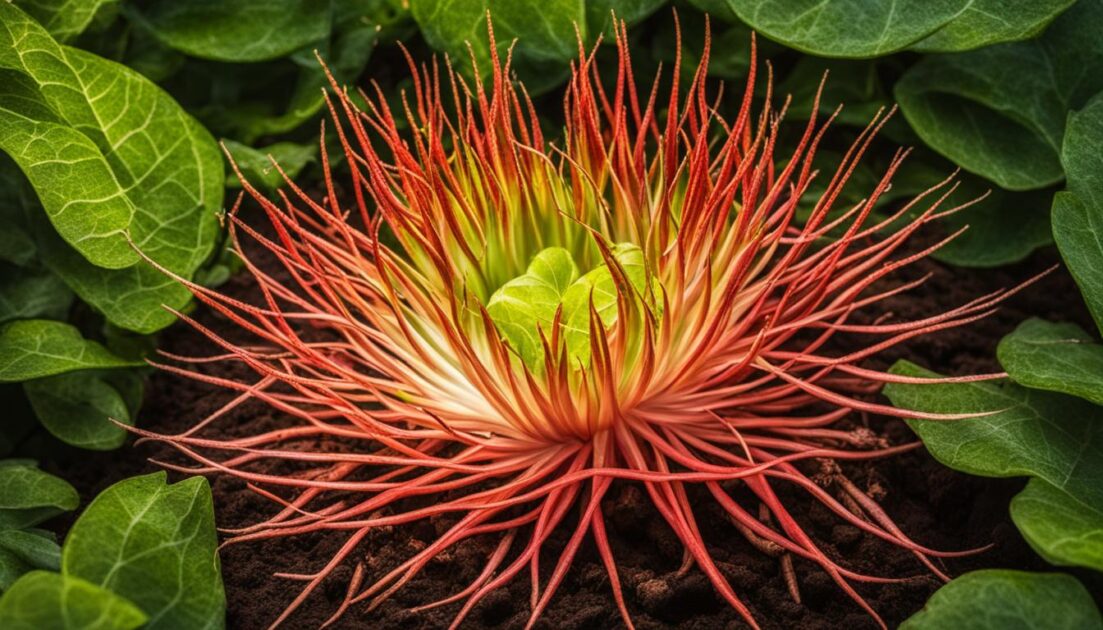
Madder root, also known as Rubia Tinctorum, is an Ayurvedic herb that offers a multitude of health benefits. It has been used for centuries in various cultures for its medicinal properties. Madder root is not only used for its stunning pigments in dyeing textiles but also for its ability to support reproductive health, purify the blood, detoxify lymph nodes, and provide anti-inflammatory properties. According to herbalist Dr. Paul Haider, some of the main medicinal benefits of madder root include its anti-inflammatory properties, ability to raise white blood cell count, aid in the prevention of kidney and bladder stones, and reduction of acne.
Key Takeaways:
- Madder root offers a variety of health benefits for optimal well-being.
- It has been used for centuries in various cultures for its medicinal properties.
- Madder root provides anti-inflammatory properties and helps raise white blood cell count.
- It aids in the prevention of kidney and bladder stones.
- Madder root can be used in natural remedies for acne reduction.
The Origin and Historical Uses of Madder Root
Madder root, also known as Rubia Tinctorum, has a rich history dating back centuries. This natural dye has been utilized in various regions such as Turkey, Iran, and India, where it has played a significant role in traditional crafts and textile production.
Historically, madder root was highly valued for its ability to produce a deep red color known as “Turkey red.” Obtaining this color was a closely guarded secret, and the vibrant hue became synonymous with luxury and craftsmanship.
In addition to its use in textiles, madder root found its way into other industries. It was employed in creating stunning carpets, wall hangings, and even paintings. The dyeing process involved extracting the color from the roots of the madder plant.
The roots contained dye compounds such as alizarin and purpurin, which produced shades of red, orange, and yellow. These pigments could be applied to various fabrics, including leather, silk, wool, and cotton, making madder root an indispensable natural dye.
The versatility of madder root as a dye also allowed for color customization based on pH levels. Adjusting the acid or alkaline properties of the dye bath resulted in different hues, ensuring a wide range of shades to suit every artistic vision.
Anti-inflammatory Properties of Madder Root
One of the notable health benefits of madder root is its anti-inflammatory properties. Madder root can help alleviate joint pain, redness, swelling, and symptoms of arthritis. Inflammation is an important factor in the development of various diseases, and madder root’s anti-inflammatory properties can help prevent the progression of inflammation-related illnesses.
When it comes to joint pain and arthritis, madder root has shown promise in providing relief. Its natural compounds have been found to have analgesic (pain-relieving) and anti-inflammatory effects. By reducing inflammation in the affected joints, madder root can help improve mobility, reduce discomfort, and enhance overall joint function.
Madder root has been traditionally used in Ayurvedic medicine for its therapeutic value in managing joint pain and arthritis.
“The anti-inflammatory properties of madder root make it a valuable remedy for individuals suffering from joint pain and arthritis. By targeting the underlying inflammation, madder root can provide relief and improve quality of life.”
Studies have shown that the active compounds in madder root, such as alizarin and purpurin, possess anti-inflammatory and antioxidant properties. These compounds help to neutralize free radicals and reduce the production of inflammatory molecules, thus suppressing chronic inflammation in the body.
Madder root can be used internally or externally to address joint pain and arthritis symptoms.
Internal Use:
Consuming madder root as a supplement or incorporating it into your daily diet can provide long-term anti-inflammatory benefits. It is available in various forms, including capsules, powders, and tinctures. However, it is essential to consult with a healthcare professional before adding any herbal supplement to your routine.
External Use:
For localized relief, madder root can be used topically as a paste or oil. Gently massaging the affected area with madder root-infused products can help soothe inflammation, reduce pain, and promote healing.
It’s important to note that while madder root may provide relief for joint pain and arthritis symptoms, it should not replace medical advice or prescribed treatments. Always consult with a healthcare professional for a comprehensive approach to managing your condition.
Top Benefits of Madder Root for Joint Health
| Benefit | Description |
|---|---|
| Anti-inflammatory properties | Madder root reduces inflammation, alleviating joint pain and swelling. |
| Analgesic effects | It provides pain relief by targeting the source of joint discomfort. |
| Antioxidant activity | Madder root’s antioxidant compounds protect against free radical damage and oxidative stress. |
| Supports joint mobility | By reducing inflammation, madder root improves joint function and flexibility. |
| Complementary therapy | Madder root can be used alongside conventional treatments to enhance symptom management. |
Immune-Boosting Effects of Madder Root
Madder root, known as Rubia Tinctorum, offers more than just vibrant hues in textile dyeing. It also possesses immune-boosting properties that can enhance your overall health and well-being. Studies have shown that madder root can effectively raise white blood cell counts, playing a vital role in fortifying your immune system. This herb is particularly beneficial for individuals suffering from leukopenia, a condition characterized by low white blood cell count.
White blood cells are essential components of our immune system, defending the body against harmful pathogens and diseases. By increasing the production of white blood cells, madder root helps strengthen your body’s defense mechanisms, enhancing your ability to fight off infections and illnesses.
Additionally, madder root exhibits potent antioxidant and anti-inflammatory properties, which further support immune function. Its natural compounds help neutralize harmful free radicals and reduce inflammation, creating an environment that promotes optimal health.
Whether you’re looking to maintain a strong immune system or seeking relief from leukopenia, incorporating madder root into your wellness routine may provide the boost you need.
Support for Kidney and Bladder Health with Madder Root
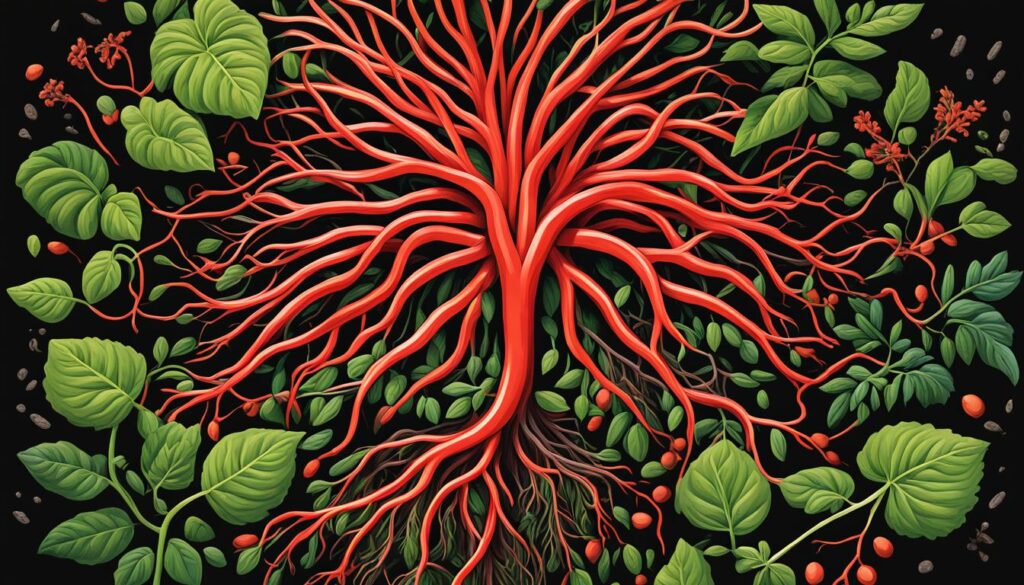
When it comes to kidney and bladder health, madder root proves to be a natural remedy worth considering. This incredible herb contains ruberythric acid, which can help lower levels of calcium and magnesium in the body, effectively preventing the formation of bladder stones. By inhibiting the development of these stones, madder root minimizes the risk of urinary tract obstruction and discomfort.
Furthermore, madder root acts as an antispasmodic agent, providing relief to those suffering from kidney stones. Its ability to relax the urinary muscles helps stones pass through the urinary tract with reduced pain and discomfort. By supporting kidney and bladder health, madder root contributes to overall well-being and urinary system functionality.
| Benefits of Madder Root for Kidney and Bladder Health | How Madder Root Helps |
|---|---|
| Prevents bladder stones | Lowering calcium and magnesium levels |
| Aids in passing kidney stones | Acting as an antispasmodic agent |
| Promotes overall kidney and bladder health | Supporting urinary system functionality |
With its unique properties, madder root emerges as a reliable and natural solution for kidney and bladder stones. By incorporating madder root into your wellness routine, you can proactively maintain the health and functionality of your urinary system.
Skin Benefits of Madder Root
Madder root is not only beneficial for internal health but also offers several advantages for the skin. Its natural properties make it a valuable ingredient in skincare routines, particularly for individuals concerned about acne and overall skin health. Incorporating madder root into your skincare regimen can help you achieve clear, glowing, and healthy skin.
The Power of Madder Root for Acne
Acne can be a persistent and bothersome skin condition. However, madder root can help reduce acne breakouts and promote clearer skin. When combined with other ingredients such as dried ground orange peel, turmeric, and sandalwood, madder root becomes a powerful ally in combating acne. These natural ingredients work synergistically to cleanse and purify the skin, reduce inflammation, and soothe irritated skin.
The anti-inflammatory properties of madder root help reduce redness, swelling, and discomfort associated with acne. By incorporating a face mask made with madder root powder and these additional ingredients into your skincare routine, you can experience the benefits of this natural remedy firsthand.
The combination of madder root, dried ground orange peel, turmeric, and sandalwood in a face mask can help reduce acne breakouts and promote clear and healthy skin.
Enhancing Wound Healing and Overall Skin Health
Aside from its role in treating acne, madder root also possesses properties that can contribute to wound healing and improve overall skin health. The natural compounds found in madder root can help speed up the recovery process for skin injuries and promote the growth of healthy new skin cells.
Additionally, madder root contains antioxidants that protect the skin from damage caused by free radicals, which can lead to premature aging and skin ailments. By incorporating madder root into your skincare routine, you can aid in maintaining a youthful and radiant complexion.
Remember, while madder root can provide benefits for the skin, it is important to consult with a dermatologist or skincare professional before integrating any new ingredients into your routine, especially if you have pre-existing skin conditions or sensitivities.
To summarize, madder root offers multiple benefits for the skin, including its potential to reduce acne breakouts, enhance wound healing, and promote overall skin health. By utilizing madder root face masks and incorporating it into a natural skincare routine, you can unlock the full potential of this Ayurvedic herb for radiant and healthy skin.
Madder Root in Natural Dyeing
Madder root is highly valued for its vibrant and long-lasting natural dyeing properties. Whether you’re an artist, a textile enthusiast, or simply interested in eco-friendly alternatives, madder root offers a versatile and sustainable option for dyeing fabrics.
When embarking on the madder root dyeing process, you have the choice of using madder root paste, powder, or raw roots. Regardless of the form you choose, the process involves simmering the madder root with fabric for approximately an hour. This allows the natural dye compounds within the root, such as alizarin and purpurin, to infuse into the fabric, creating beautiful hues that range from bright reds to warm oranges and yellows.
One of the fascinating aspects of madder root dyeing is the ability to adjust the pH level of the dye bath to achieve different shades. By experimenting with pH adjustment using substances like citric acid or soda ash, you can create a wide spectrum of colors. For example, a slightly alkaline pH will yield a coral hue, while a more acidic pH will result in a deeper, redder shade.
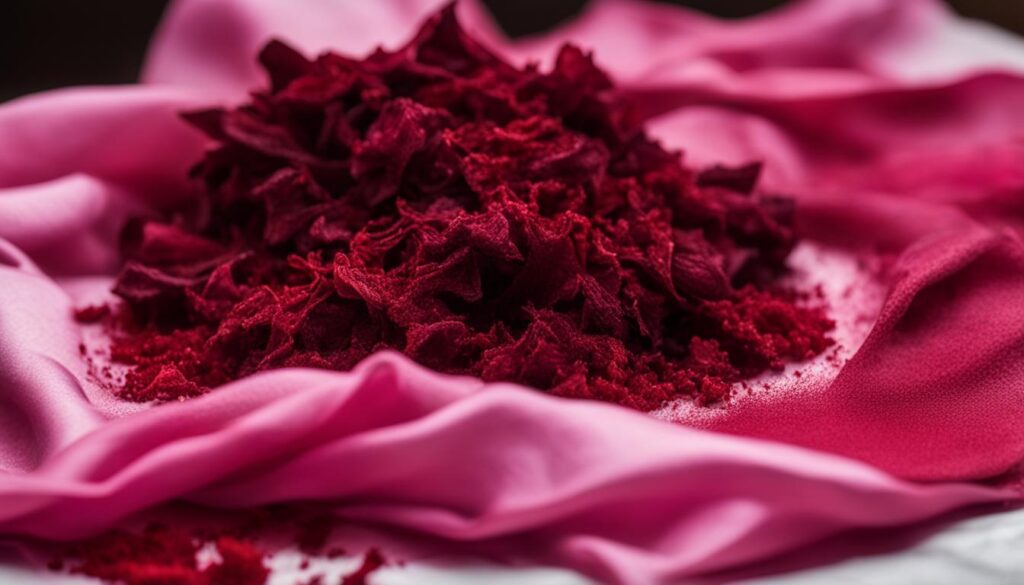
Additionally, the dye bath can be reused to achieve lighter shades, making madder root an economical choice for natural dyeing. By gradually reducing the dye concentration with each subsequent dyeing session, you can create a range of gradients and variations within your color palette.
With its rich history in the textile industry and its ability to produce a diverse range of colors, madder root remains a popular choice for natural dye enthusiasts. Its sustainable and eco-friendly nature, coupled with its versatility in creating beautiful and unique shades, makes madder root an excellent option for anyone interested in exploring the world of natural dyeing.
Madder Root in Ayurvedic Yoga Mats
Madder root has made its way into the world of yoga mats, revolutionizing the concept of eco-friendly and sustainable yoga practices. The use of madder root dye in yoga mats offers a unique and earth-friendly approach to practicing yoga, aligning wellness with environmental consciousness.
These ayurvedic yoga mats are not only beautiful but also harness the natural benefits of madder root. Dyed with madder root and other natural ingredients such as Sappan wood, turmeric, and Harda, these mats provide a holistic and harmonious experience for yogis.
The Benefits of Ayurvedic Yoga Mats
Ayurvedic yoga mats, infused with madder root dye, offer several advantages that go beyond aesthetics. These mats are crafted with intention, considering both the practitioner’s well-being and the environmental impact.
- Promote a Healthy Practice: Madder root is known for its anti-inflammatory properties, which can help reduce joint pain and discomfort during yoga sessions. By practicing on an ayurvedic yoga mat dyed with madder root, you can support your physical well-being and enhance your yoga experience.
- Eco-Friendly and Sustainable: Madder root dye is derived from a natural and renewable source, making these yoga mats an eco-conscious choice. By opting for madder root dyed mats, you can minimize your carbon footprint and contribute to a healthier planet.
- Chemical-Free and Nontoxic: Traditional yoga mats are often made with synthetic materials and harsh chemicals that can be harmful to the environment and your health. Ayurvedic yoga mats dyed with madder root are free from toxins and chemicals, providing a safe and natural surface for your yoga practice.
- Unique and Vibrant Designs: Madder root dye creates rich and vibrant colors, resulting in unique and eye-catching yoga mats. Each mat is a one-of-a-kind piece of art, reflecting the beauty of nature and adding a touch of elegance to your yoga practice.
Whether you are a seasoned yogi or a beginner, incorporating an ayurvedic yoga mat dyed with madder root into your practice can enhance your physical well-being, deepen your connection to nature, and promote a sustainable lifestyle.
Conclusion
After examining the numerous health benefits of madder root, it is evident that this ancient Ayurvedic herb can significantly contribute to optimal health and overall well-being. With its anti-inflammatory properties, madder root can help alleviate joint pain, reduce redness and swelling, and potentially ease symptoms of arthritis. Additionally, its immune-boosting effects can increase white blood cell counts, fortifying the body’s defense against illnesses.
Madder root also proves to be beneficial for kidney and bladder health, as it helps prevent the formation of stones and assists in their expulsion, relieving pain and discomfort. Its remarkable natural dyeing properties have made it a popular choice for textiles such as silk, wool, and cotton, offering vibrant and long-lasting colors. Moreover, the use of madder root in the production of ayurvedic yoga mats presents an eco-friendly and sustainable option for practitioners.
By incorporating madder root into your lifestyle, whether through Ayurvedic remedies or by enjoying its stunning pigments in natural dyeing, you can unlock the multitude of health benefits it provides. From its anti-inflammatory and immune-boosting properties to its support for kidney and bladder health and its positive effects on the skin, madder root is a powerful and versatile herb that can improve your overall well-being. Embrace the natural remedies and holistic lifestyle that madder root offers for optimal health and vitality.
FAQ
What are the benefits of madder root for optimal health?
Madder root offers various health benefits including anti-inflammatory properties, immune-boosting effects, support for kidney and bladder health, and skin benefits.
What is the origin of madder root and how has it been historically used?
Madder root, also known as Rubia Tinctorum, is one of the oldest natural dyes and has been used for centuries in cultures like Turkey, Iran, and India. It was originally used for dyeing textiles such as carpets and wall hangings.
How does madder root help with joint pain and arthritis?
Madder root has anti-inflammatory properties that can help alleviate joint pain, redness, and swelling associated with arthritis and other inflammatory conditions.
Can madder root boost the immune system?
Yes, madder root has immune-boosting effects as it can raise white blood cell counts, which are essential for a healthy immune system.
What are the benefits of madder root for kidney and bladder health?
Madder root can help prevent the formation of bladder stones and kidney stones. It also acts as an antispasmodic agent, allowing kidney stones to pass with less pain.
Does madder root have any benefits for the skin?
Yes, madder root can help reduce acne when used in combination with other ingredients. It also possesses properties that can improve wound healing and contribute to overall skin health.
How is madder root used in natural dyeing?
Madder root is widely used as a natural dye for textiles such as leather, silk, wool, and cotton. The dyeing process involves simmering madder root with fabric to obtain different shades, and the pH level of the dye bath can be adjusted accordingly.
Can madder root be found in ayurvedic yoga mats?
Yes, madder root is used in the production of eco-friendly and sustainable ayurvedic yoga mats, offering a unique and earth-friendly approach to practicing yoga.
How can madder root contribute to optimal health and overall well-being?
By incorporating madder root into your lifestyle, you can experience its various health benefits and promote overall well-being.


