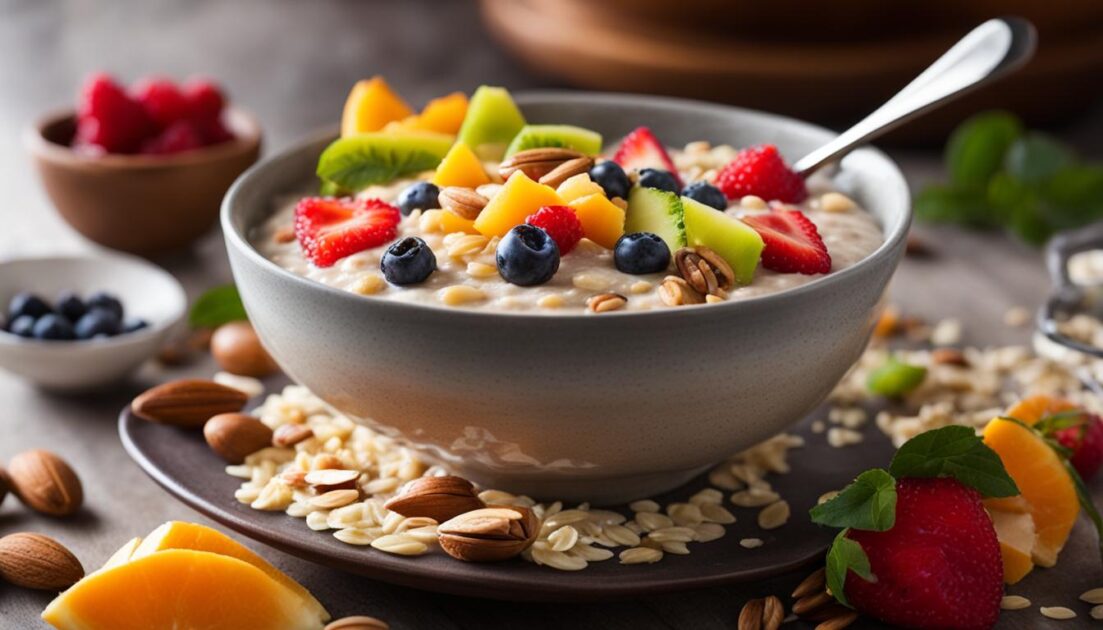
Oatmeal has long been a staple in many households, touted as a healthy and nutritious breakfast option. The humble oat is packed with essential nutrients, fiber, and antioxidants, making it a popular choice for those seeking a hearty and satisfying start to their day.
When it comes to oatmeal, the benefits go beyond its comforting taste and texture. Not only is oatmeal rich in dietary fiber, which can promote digestion and contribute to feelings of fullness, but it also contains important vitamins and minerals, like iron, magnesium, and B vitamins.
Additionally, oatmeal has been linked to various health benefits. Research suggests that regular consumption of oatmeal may help reduce the risk of heart disease by lowering cholesterol levels and promoting heart-healthy oats.
Whether you prefer a warm bowl of traditional oatmeal, overnight oats, or baked oatmeal, incorporating oatmeal into your breakfast routine can offer a variety of nutritious and delicious options to start your day off right.
Key Takeaways:
- Oatmeal is a healthy and nutritious breakfast option.
- Oatmeal is rich in essential nutrients, fiber, and antioxidants.
- Eating oatmeal regularly may help lower cholesterol levels and support heart health.
- There are various ways to enjoy oatmeal, including traditional, overnight oats, and baked oatmeal.
- Adding oatmeal to your breakfast routine can provide satisfying and nourishing options.
Blood Sugar and Oatmeal: Is There a Significant Benefit?
When it comes to blood sugar management, oatmeal has long been praised as a healthy breakfast choice. Studies have shown that consuming oatmeal can lead to an immediate improvement in blood sugar levels after a meal, particularly when compared to consuming white bread.
This positive effect on blood sugar can be attributed to the characteristics of oats. Oatmeal contains a type of soluble fiber called beta-glucan, which forms a gel-like substance in the digestive system. The gel slows down the digestion and absorption of carbohydrates, resulting in a slower release of glucose into the bloodstream. This mechanism helps to regulate blood sugar levels and prevent spikes and crashes.
However, it’s important to note that the improvement in blood sugar levels may be short-lived. While oatmeal has a lower glycemic index compared to white bread, meaning it has a slower and more gradual impact on blood glucose levels, the actual impact may not be as significant as it seems.
There are other factors to consider when evaluating oatmeal’s effects on blood sugar. The glycemic index of oatmeal can vary depending on factors such as the type of oats used, the cooking method, and the presence of other ingredients. For example, steel-cut oats have a lower glycemic index compared to instant oats.
It’s also important to consider the overall composition of a meal. Consuming oatmeal with protein, healthy fats, and fiber-rich toppings such as nuts or seeds can further slow down the digestion and absorption of carbohydrates, leading to a more favorable impact on blood sugar levels.
| Food | Glycemic Index |
|---|---|
| Oatmeal (cooked) | 58 |
| White Bread | 71 |
Table: Glycemic Index of Oatmeal and White Bread
As shown in the table above, oatmeal has a lower glycemic index compared to white bread, indicating a slower and more controlled impact on blood sugar levels. However, it’s important to remember that the glycemic index is just one piece of the puzzle, and the overall nutritional composition of a meal plays a crucial role in blood sugar management.
In conclusion, while oatmeal can provide a modest benefit in terms of blood sugar management, it’s essential to consider the glycemic index, the overall meal composition, and individual variations in response. Incorporating oatmeal as part of a balanced diet, paired with protein, healthy fats, and fiber, can help optimize its effects on blood sugar levels.
Cholesterol and Oatmeal: Separating Fact from Fiction
When it comes to the connection between oatmeal and cholesterol, there is a lot of information out there that can be confusing. Oats contain a type of soluble fiber called beta glucan, which has been shown to have cholesterol-lowering effects. This is why oatmeal is often touted as a heart-healthy food.

Research has demonstrated that consuming beta glucan from oats can lead to a reduction in both total cholesterol and LDL cholesterol levels—the “bad” cholesterol. This is attributed to beta glucan’s ability to interfere with the absorption of cholesterol in the gut, ultimately assisting in its excretion from the body.
However, it is important to note that the studies demonstrating these effects have typically used isolated beta glucan rather than whole oats. While whole oats do contain beta glucan, they also contain other compounds that may have an impact on cholesterol levels, making it unclear whether the same cholesterol-lowering benefits can be achieved by simply consuming whole oats.
Furthermore, the individual response to oatmeal’s effect on cholesterol can vary. Some studies have shown significant reductions in cholesterol levels, while others have found no significant change. This emphasizes the importance of considering the overall context and not solely relying on marketing claims that oatmeal is “heart healthy.”
In conclusion, while there is evidence to suggest that oatmeal, specifically the beta glucan it contains, can have a positive impact on cholesterol levels, it is important to understand that the effects may vary and may depend on factors such as the form in which oats are consumed and individual dietary patterns. A balanced and varied diet, along with lifestyle factors, plays a crucial role in promoting heart health.
Individual Variations: Understanding the Personalized Effects of Oatmeal
When it comes to oatmeal, the effects can vary from person to person, especially for individuals with diabetes. While some studies have shown no significant change in blood glucose levels after consuming oats, it’s important to remember that individual responses can differ.
In order to understand how oatmeal affects your body, it is essential to monitor your own blood sugar levels before and after consuming this popular breakfast choice. This personalized approach allows you to gain insights into how your body responds and make informed decisions about your diet.
Remember, each person’s body is unique, and factors such as overall health, medication use, and other dietary choices can also play a role in how oatmeal impacts blood sugar levels. By closely monitoring your blood glucose levels, you can adjust your oatmeal consumption and manage your diabetes effectively.
Factors Affecting Oatmeal’s Impact on Blood Sugar Levels
| Factors | Effect on Blood Sugar Levels |
|---|---|
| Dietary Fiber Content | Oatmeal’s high fiber content can slow down the absorption of glucose, leading to a more gradual rise in blood sugar levels. |
| Additional Ingredients | The type and amount of ingredients added to oatmeal, such as fruits, sweeteners, or milk, can influence its impact on blood sugar levels. |
| Processing Methods | The level of processing, such as instant oatmeal versus steel-cut oats, can affect how quickly the oats are digested and absorbed. |
| Total Carbohydrate Intake | The overall carbohydrate content of your meal should be considered, as it plays a significant role in blood sugar management. |
It is crucial for individuals with diabetes to work closely with their healthcare team to develop a personalized meal plan that takes into account their specific dietary needs and blood sugar goals.
Gluten Sensitivity and Oatmeal: Is It Safe to Consume?
Oatmeal, made from oats, is often considered a healthy breakfast option. However, for individuals with gluten sensitivity, celiac disease, or other inflammatory conditions, the safety of consuming oatmeal may be a concern. While oats themselves do not contain gluten, they can be cross-contaminated with gluten during processing or harvesting.
This cross-contamination poses a risk for those who need to avoid gluten. Gluten is a protein found in wheat, barley, and rye, which can trigger adverse reactions in individuals with gluten sensitivity or celiac disease. When oats are grown in close proximity to these gluten-containing grains or processed in facilities that also handle wheat, barley, or rye, there is a possibility of gluten contamination.
It is important for individuals with gluten sensitivity to exercise caution when consuming oatmeal. Certified gluten-free oats are available in which strict measures are taken to prevent cross-contamination. These oats are tested and certified to contain less than the standard amount of gluten.
- Avenin in Oats: Oats contain a protein called avenin, which is similar in structure to gluten but differs enough not to trigger an immune response in most individuals with celiac disease. However, a small percentage of individuals with celiac disease may still react to avenin, leading to symptoms and intestinal damage similar to gluten exposure.
- Oatmeal for Individuals with Celiac Disease: The consumption of oats, particularly those that are certified gluten-free, can be considered safe for most individuals with well-managed celiac disease. However, it is essential to consult with a healthcare professional or registered dietitian before adding oats or oatmeal to the diet to ensure proper monitoring and management of symptoms.
For individuals with gluten sensitivities, it is recommended to be cautious when considering oatmeal as a breakfast option. Exploring alternative gluten-free breakfast options such as quinoa, buckwheat, or millet may be beneficial. These grains provide similar nutritional benefits and can be a suitable substitute for individuals who need to avoid gluten.
Glyphosate Concerns: Understanding the Potential Risks
Glyphosate, a commonly used herbicide, is found in many oat and wheat products as a drying agent. While glyphosate is generally considered safe, there are ongoing debates about its potential impact on health. Concerns surrounding the safety of glyphosate in oat products have raised questions among consumers, prompting them to explore alternatives and safer breakfast options.
In recent years, glyphosate has faced scrutiny due to its classification as a probable human carcinogen by the International Agency for Research on Cancer (IARC). This classification, along with the increasing presence of glyphosate residue in various food products, including oatmeal, has raised safety concerns among consumers.
Organic oats are an alternative for individuals who wish to minimize their exposure to glyphosate. Organic farming practices prohibit the use of synthetic pesticides, including glyphosate, ensuring that the oats are free from these potential contaminants. By choosing organic oats, individuals can prioritize their health and reduce their intake of glyphosate.
Intermittent fasting is another alternative to traditional oatmeal consumption. Intermittent fasting involves cycling between periods of eating and fasting, typically with a daily eating window within a shorter time frame. By skipping breakfast and the potential exposure to glyphosate in oat products, individuals can explore the health benefits associated with intermittent fasting while avoiding any safety concerns related to glyphosate exposure.
“I have personally chosen to switch to organic oats to minimize my exposure to glyphosate. It gives me peace of mind knowing that I’m consuming a product free from potentially harmful chemicals.”
– Sarah Thompson, Health-conscious Consumer
While the debate on glyphosate’s safety continues, it is crucial for individuals to make informed choices based on their own research and priorities. Whether opting for organic oats or exploring intermittent fasting, individuals can proactively mitigate potential risks associated with glyphosate exposure in oat products.
| Glyphosate in Oat Products | Safety Concerns | Organic Oats as an Alternative | Intermittent Fasting for Breakfast |
|---|---|---|---|
| Potential presence of glyphosate residue | Debate over its classification as a probable human carcinogen | Prohibits the use of synthetic pesticides, including glyphosate | Allows individuals to skip breakfast and avoid potential glyphosate exposure |
| Raises concerns among health-conscious consumers | Increasing presence of glyphosate in food products | Prioritizes health and minimizes glyphosate intake | Explores the health benefits associated with intermittent fasting |
By staying informed about glyphosate concerns and considering alternatives, individuals can make conscious choices to align their breakfast habits with their health and safety goals.
The Shocking Truth About Oatmeal: Debunking the Health Myth
The health myth of oatmeal has been perpetuated by claims of its unquestionable benefits. However, it’s essential to delve deeper into the role of lectins in oatmeal and the potential risks associated with their consumption.
Lectins, such as avenins found in oatmeal, are proteins that can interact with the lining of the gut, potentially leading to adverse effects on digestive health in certain individuals. While some people may tolerate lectins without any issues, others may experience symptoms such as bloating, gas, and digestive discomfort.
It is important to note that the lectin content in oatmeal can be reduced through proper preparation methods such as soaking or fermenting. However, individuals with lectin sensitivity, celiac disease, or irritable bowel syndrome (IBS) should exercise caution and consider alternative breakfast options.
In order to provide a comprehensive understanding of lectins in oatmeal, it is helpful to highlight the potential risks associated with their consumption:
- Gut health: Lectins present in oatmeal have been linked to digestive issues and may contribute to the development of leaky gut syndrome. This condition involves increased intestinal permeability, which can potentially allow harmful substances to enter the bloodstream.
- Inflammatory responses: Lectins in oatmeal, particularly avenins, may trigger inflammatory responses in sensitive individuals. This can lead to symptoms like joint pain, fatigue, and skin problems.
- Gluten contamination: While oats themselves are gluten-free, cross-contamination with gluten-containing grains during processing is common. This poses a risk for individuals with celiac disease or gluten sensitivity who rely on gluten-free diets.
It’s important to approach oatmeal consumption with awareness and make informed decisions based on individual health circumstances. Alternative grains and breakfast options can be considered to minimize lectin exposure and promote optimal gut health.
As with any dietary choice, consulting with a healthcare professional, nutritionist, or registered dietitian can provide personalized guidance and ensure that oatmeal consumption aligns with individual health goals and requirements.

Potential Risks of Oatmeal: Inflammation and Sensitivities
Lectins, including those found in oatmeal, have been associated with leaky gut syndrome and inflammatory responses. These lectins can trigger an immune response in some individuals, leading to a range of symptoms and health issues related to lectin sensitivity. If you experience symptoms such as bloating, digestive discomfort, or skin irritation after consuming oatmeal, it may be a sign of lectin sensitivity.
Furthermore, oats can be contaminated with gluten during processing, which poses a risk for individuals with gluten sensitivity or celiac disease. The protein called avenin, found in oats, can trigger an inflammatory response in some people with gluten intolerance.
It’s crucial to be aware of these potential risks and consider alternative options if necessary. If you suspect lectin sensitivity or gluten intolerance, consulting a healthcare professional or registered dietitian can help determine the best course of action.
Incorporating a diverse range of grains and exploring gluten-free alternatives can provide a more balanced approach to nutrition. Understanding your body’s individual needs and sensitivities is essential for maintaining optimal gut health and overall well-being.
Optimizing Oatmeal Consumption for Health Benefits
When it comes to reaping the health benefits of oatmeal, there are various strategies you can incorporate to optimize your consumption. By exploring different grains, soaking or fermenting oatmeal, and personalizing it to align with your preferences and health needs, you can enhance the nutritional value and overall experience. However, it’s important to keep in mind the principle of moderation in oatmeal consumption to ensure a balanced and healthy diet.
1. Incorporating Different Grains
While oatmeal is commonly associated with rolled oats, there is a wide range of grains you can experiment with to diversify your breakfast options. Consider incorporating whole grains such as quinoa, amaranth, or barley into your oatmeal recipes. These grains bring their unique flavors, textures, and nutritional profiles, adding variety to your breakfast routine and optimizing your nutrient intake.
2. Soaking or Fermenting Oatmeal
Soaking or fermenting oatmeal before cooking can enhance its digestibility and nutritional absorption. By soaking oatmeal overnight in water or a fermented liquid like kefir or yogurt, you can reduce the phytic acid content, a compound that can interfere with mineral absorption. This process can also improve the texture and flavor of the oatmeal, providing a creamy and delightful breakfast experience.
3. Personalizing Your Oatmeal
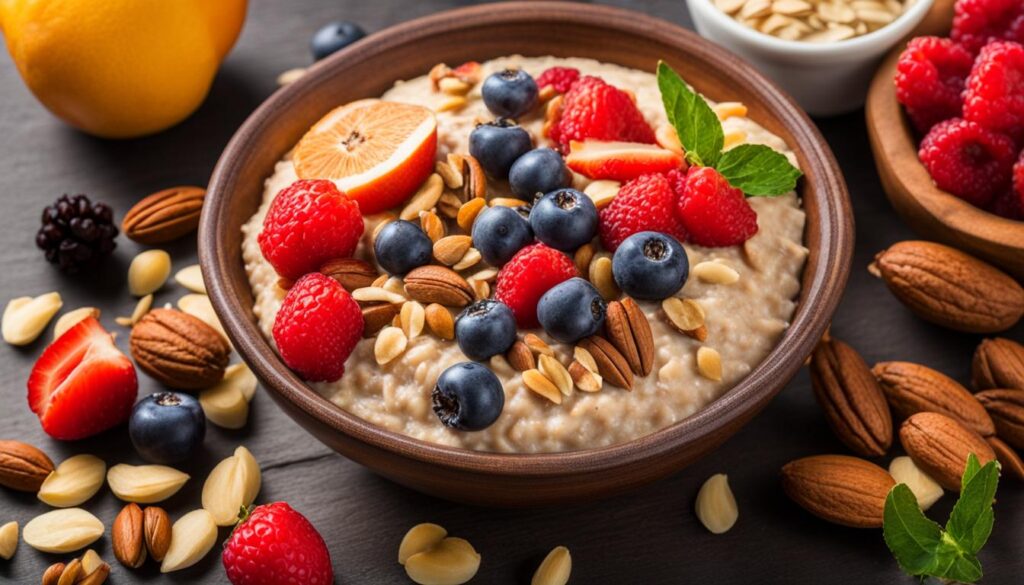
Oatmeal is a versatile canvas that allows for endless customization. Tailor your oatmeal to your taste preferences by adding a variety of toppings such as fresh fruits, nuts, seeds, or spices. You can also experiment with different cooking methods, like stovetop, microwave, or overnight oats, to find the texture and consistency that you enjoy the most. Personalizing your oatmeal ensures that it remains exciting and enjoyable each morning.
4. Moderation is Key
While oatmeal offers many health benefits, it’s important to remember that moderation is key. Although it is a nutritious option, consuming excessive amounts of oatmeal can lead to an imbalance in your overall diet. Consider incorporating other nutrient-rich foods into your breakfast routine to diversify your nutrient intake and maintain a well-rounded diet.
By optimizing your oatmeal consumption through incorporating different grains, soaking or fermenting oatmeal, personalizing it to your preferences, and practicing moderation, you can maximize the health benefits of this wholesome breakfast staple. Explore and experiment to discover the oatmeal experience that works best for you.
| Benefits of Optimizing Oatmeal Consumption | Strategies |
|---|---|
| Enhanced nutritional intake | Incorporating different grains |
| Improved digestibility and nutrient absorption | Soaking or fermenting oatmeal |
| Customized flavors and textures | Personalizing your oatmeal |
| Maintaining a balanced diet | Moderation in oatmeal consumption |
Can Oatmeal Aid in Weight Loss?
When it comes to achieving weight loss goals, oatmeal can be a valuable addition to your diet. This humble breakfast staple offers a combination of high fiber and protein content that promotes satiety and helps you feel fuller for longer. By incorporating oatmeal into your meals, you can potentially manage your weight more effectively.
Oatmeal’s role in satiety is crucial for weight loss because it helps curb cravings and reduces the desire to snack on unhealthy options throughout the day. The soluble fiber in oatmeal absorbs water and forms a gel-like substance in your stomach, which slows down digestion and keeps you feeling satisfied.
Additionally, oatmeal is a low-calorie food, making it an ideal choice for weight loss. A half-cup serving of cooked oatmeal contains only around 150 calories, depending on the cooking method and added toppings. By replacing higher-calorie breakfast options with oatmeal, you can create a calorie deficit and support your weight loss journey.
| Oatmeal | Calories (per 100g) | Protein (g) | Fiber (g) |
|---|---|---|---|
| Instant Oatmeal | 367 | 8.1 | 10.6 |
| Steel-Cut Oatmeal | 368 | 17 | 3.2 |
| Old-Fashioned Rolled Oats | 379 | 13 | 10.1 |
*Calorie and nutrient values are approximate and may vary depending on the brand and specific preparation method.
Incorporating oatmeal into a balanced diet is key. While oatmeal can aid in weight loss, it is essential to combine it with other nutrient-rich foods and maintain a calorie deficit for optimal results. Pairing oatmeal with fruits, nuts, or seeds can add additional nutrients and flavor to your breakfast.
In summary, oatmeal’s high fiber and protein content make it a valuable tool in weight loss efforts. By promoting satiety and offering a low-calorie option, oatmeal can contribute to a balanced diet and potentially aid in weight management.
Conclusion
When it comes to oatmeal, it’s clear that it can be a healthy choice for breakfast. However, it’s important to approach oatmeal consumption with awareness and understanding. While oatmeal has been associated with benefits such as improved blood sugar levels and lower cholesterol, it’s crucial to consider the nuances and individual variations.
Gluten sensitivity can be a concern for some individuals, and cross-contamination during processing can pose risks. Being mindful of glyphosate concerns and considering organic options or alternative breakfast choices can help mitigate potential risks. Additionally, optimizing oatmeal consumption by incorporating different grains, soaking or fermenting, and personalizing it to suit individual needs is essential for reaping the benefits.
In conclusion, oatmeal can be a valuable addition to a nutritious diet. By staying informed about oatmeal’s benefits and considerations, we can make informed choices for our overall health and well-being. Remember, moderation and knowledge are key to enjoying oatmeal as part of a balanced and healthy lifestyle.
FAQ
Is oatmeal a good option for managing blood sugar levels?
Oatmeal can lead to an immediate improvement in blood sugar levels after a meal, especially when compared to consuming white bread. However, the long-term impact on blood glucose levels may not be as significant as it seems. Understanding the glycemic index of oatmeal can provide a more accurate picture of its effects on blood sugar.
Does oatmeal help lower cholesterol?
Oats contain a compound called beta glucan, which has been shown to lower cholesterol levels. However, it is unclear whether consuming whole oats would have the same effect as consuming beta glucan alone. While there is evidence of some improvement in cholesterol levels, it is important to consider the overall context and not solely rely on marketing claims that oatmeal is “heart healthy.”
How does oatmeal affect individuals with diabetes?
The impact of oatmeal on blood glucose levels may vary among individuals, especially those with diabetes. Some studies have shown no change in blood glucose levels in participants with diabetes after consuming oats. It is crucial for individuals to monitor their own blood sugar levels before and after consuming oatmeal to gain personalized insights into how it affects their body.
Is oatmeal safe for individuals with gluten sensitivity?
Oats themselves do not contain gluten, but they can be cross-contaminated with gluten during processing or harvesting. This can pose a risk for individuals with gluten sensitivity, celiac disease, or other inflammatory conditions. While certified gluten-free oats are available, it’s important for individuals with gluten sensitivity to exercise caution and consider alternative breakfast options.
Should I be concerned about glyphosate in oat products?
Glyphosate, a commonly used herbicide, is found in many oat and wheat products as a drying agent. While it is generally considered safe, there are ongoing debates about its potential impact on health. Concerned individuals may opt for organic oats or consider intermittent fasting as an alternative breakfast option to mitigate potential glyphosate exposure.
Are there any potential health risks associated with oatmeal consumption?
Oatmeal contains lectins, specifically avenins, which can have adverse effects on gut health in certain individuals. Lectins have been associated with leaky gut syndrome and inflammatory responses. Individuals with lectin sensitivity, celiac disease, or irritable bowel syndrome (IBS) may experience symptoms such as bloating and digestive discomfort.
How can I optimize oatmeal consumption for health benefits?
Incorporating different grains, soaking or fermenting oatmeal, and personalizing it to align with individual preferences and health needs can help optimize oatmeal consumption. Additionally, moderation in oatmeal consumption is emphasized to ensure a balanced and healthy diet.
Can oatmeal help with weight loss?
Oatmeal can be a helpful tool for weight loss due to its high fiber and protein content, which promote satiety. With relatively low calorie content, oatmeal can help individuals feel fuller for longer and potentially aid in weight management.


