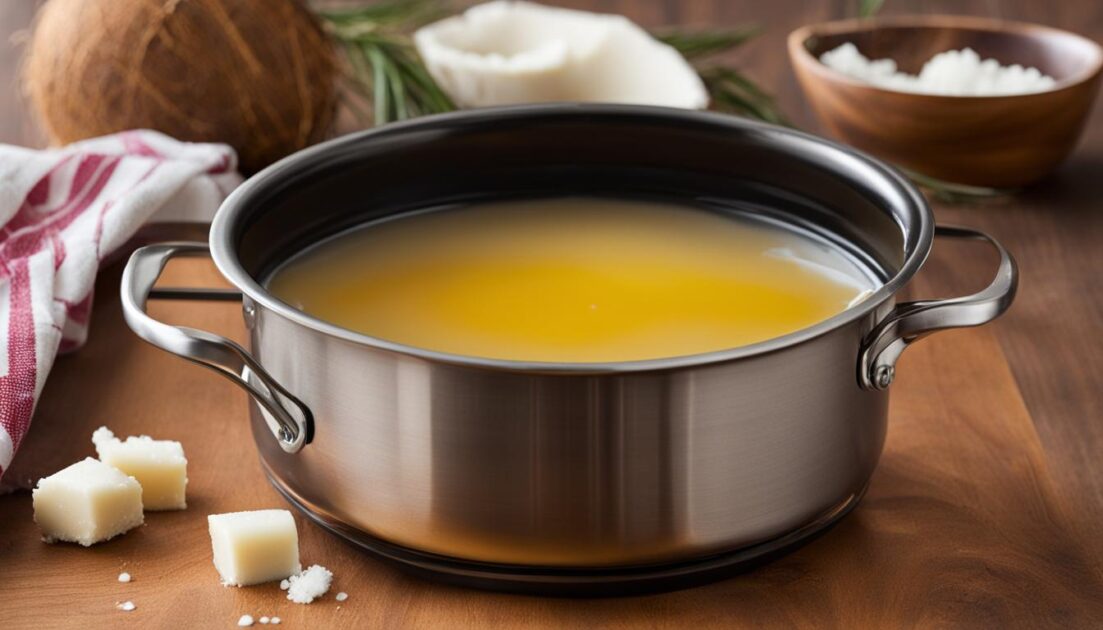
Welcome to my DIY guide on how to make candelilla wax! If you’re interested in creating your own homemade candelilla wax, you’ve come to the right place. In this article, I will walk you through the process of making candelilla wax from scratch, providing you with a simple candelilla wax recipe and guiding you through each step of the candelilla wax making process.
Candelilla wax is a versatile plant-based wax derived from the candelilla shrub. With a melting point of about 70°C, it is commonly used as a food additive and in the cosmetics industry. By following this DIY guide, you’ll gain the knowledge and skills to create your own homemade candelilla wax for various applications.
Key Takeaways:
- Learn how to make candelilla wax at home using a simple recipe.
- Understand the candelilla wax making process and the importance of testing ratios of wax and oil.
- Discover the benefits and uses of candelilla wax in skincare and cosmetic formulations.
- Explore the properties and characteristics of candelilla wax, including its melting point and recommended usage levels.
- Find out how to use candelilla wax in various formulations, such as creams, balms, and lip products.
Benefits and Uses of Candelilla Wax
Candelilla wax offers numerous benefits and is widely used in various applications. Its unique properties make it a valuable ingredient in skincare and cosmetic formulations. Let’s explore some of the key benefits and uses of candelilla wax.
Thickening and Emulsifying Properties
Candelilla wax has excellent thickening and emulsifying properties, making it an ideal ingredient in cosmetic products. When added to lip products, such as lip balms and lipsticks, it helps thicken their composition, allowing for a solid stick structure and a smooth application.
Additionally, candelilla wax acts as an emulsifier, which means it helps blend and stabilize ingredients that wouldn’t normally mix together, resulting in a well-balanced and smooth formulation.
Moisturizing and Hydrating
Rich in Vitamin A, candelilla wax promotes cell regeneration and hydration. It is commonly used in balms and thick creams, where its moisturizing properties help replenish dry skin and lock in moisture.
When applied to the skin, candelilla wax forms a protective barrier that prevents moisture loss while allowing the skin to breathe. It absorbs quickly and leaves the skin feeling soft, supple, and nourished.
| Benefits | Uses |
|---|---|
| Thickening and emulsifying properties | Lip products (balms, lipsticks) |
| Moisturizing and hydrating | Balms, creams |
| Protective barrier | Skincare products |
As shown in the table above, candelilla wax’s benefits and uses are varied, making it a versatile ingredient in the formulation of various cosmetic and skincare products.

Next, we will explore the properties and characteristics of candelilla wax, providing a deeper understanding of its unique qualities and how they contribute to its effectiveness in formulations.
Properties and Characteristics of Candelilla Wax
When it comes to candelilla wax, understanding its properties and characteristics is essential for formulating effective skincare and cosmetic products. With a melting point ranging from 68-73°C, candelilla wax offers versatility in various applications. Here are key insights into the unique properties of candelilla wax:
- Candelilla wax acts as a thickening and hardening agent in formulations, providing structure and stability to products.
- As a viscosity modifier, it helps control the texture and flow of cosmetic formulations.
- Its emollient properties make candelilla wax an excellent choice for moisturizing creams and balms, promoting skin hydration and softness.
- With its ability to form a protective barrier on the skin, candelilla wax helps shield against environmental aggressors and lock in moisture.
- For its shine-enhancing effects, candelilla wax adds a glossy finish to lip products and hair pomades.
- Fast absorption is another advantage of candelilla wax, ensuring quick application and avoiding a greasy feel.
- As a vegan alternative to beeswax, candelilla wax offers similar functionalities without the use of animal-derived ingredients, making it suitable for vegan and cruelty-free formulations.
Whether you’re formulating lip balms, creams, or other cosmetic products, candelilla wax is a versatile ingredient that enhances product performance and delivers desirable results.
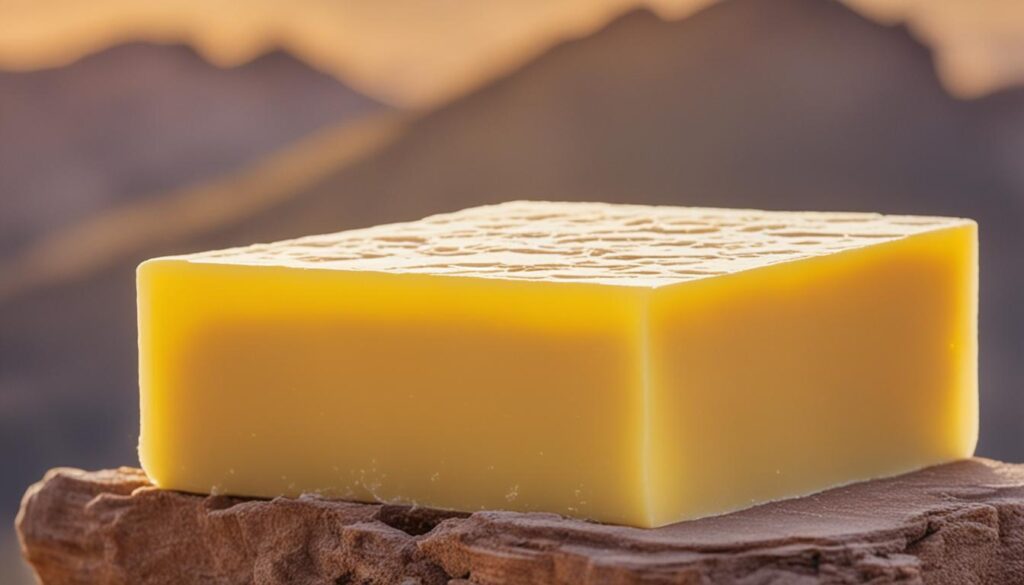
How to Use Candelilla Wax in Formulations
When it comes to incorporating candelilla wax into your formulations, there are a few key considerations to keep in mind. First and foremost, it’s important to note that candelilla wax is insoluble in water but soluble in oils and alcohols. This means that you’ll need to melt the wax before adding it to your formulations.
Candelilla wax can be used in a wide range of products, including creams, lotions, balms, pomades, and lip products. It serves multiple purposes, helping to blend ingredients, emulsify liquids, and provide texture and structure to your formulations. The unique properties of candelilla wax make it a versatile ingredient that can enhance the overall performance of your products.
When using candelilla wax, it’s important to follow recommended dosage and usage rates for different applications. The specific amount of wax you’ll need will depend on factors such as the desired consistency and texture of your product. It’s always a good idea to start with a small amount and gradually increase it as needed.
Here’s an example of how candelilla wax can be incorporated into a lip balm formulation:
- Melt 1 tablespoon of candelilla wax in a double boiler.
- Add 2 tablespoons of coconut oil and 1 tablespoon of shea butter to the melted wax.
- Stir the mixture until everything is well combined.
- Remove from heat and add any additional desired ingredients, such as essential oils for fragrance.
- Pour the mixture into lip balm tubes or containers.
- Allow the lip balm to cool and solidify before using.
This simple recipe demonstrates how candelilla wax can be used to create a nourishing and hydrating lip balm. By experimenting with different ratios and combinations, you can customize your formulations to meet your specific needs and preferences.
“Candelilla wax adds structure and texture to formulations, making it an essential ingredient in various skincare and cosmetic products.”
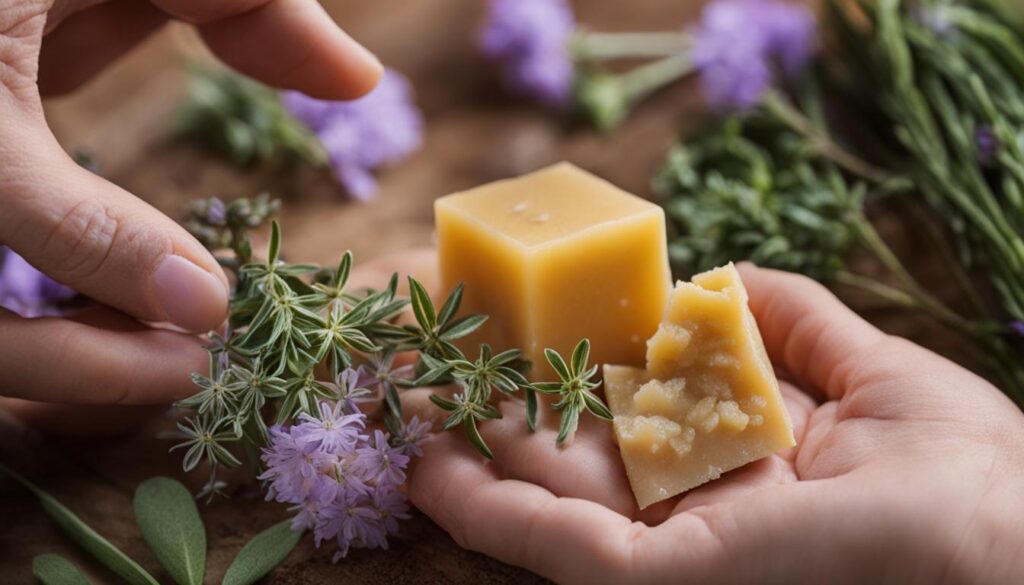
In summary, candelilla wax is a valuable ingredient that can enhance the performance of your formulations. Its unique properties make it a popular choice for creating products with texture, structure, and moisturizing benefits. By understanding how to effectively use candelilla wax in your formulations, you can unlock its full potential and create high-quality products that delight customers.
Candelilla Wax Substitutes and Where to Find Candelilla Wax
If you’re looking for alternative substitutes to candelilla wax, two popular options are beeswax and carnauba wax. Beeswax is a natural thickener commonly used in cosmetic formulations, although it is not vegan-friendly. On the other hand, carnauba wax can be mixed with beeswax or candelilla wax to create stick formulations for various beauty products.
To get your hands on candelilla wax, you can find it at various online retailers. Here are a few recommended sources:
- Formulator Sample Shop
- From Nature With Love
- New Directions Aromatics
- Other specialty cosmetic ingredient suppliers
These retailers offer high-quality candelilla wax that can be conveniently purchased online, ensuring you have access to this versatile ingredient for your DIY projects or cosmetic formulations.
Conclusion: Unlock the Secrets of Making Candelilla Wax at Home
Making your own candelilla wax at home is an exciting and rewarding process. By boiling the candelilla plant in a solution, you can easily collect the natural wax and harness its incredible properties. From skincare to cosmetics, candelilla wax offers a wide range of benefits that can elevate your homemade products.
With its thickening and emulsifying properties, candelilla wax is perfect for creating lip products, balms, and creams. Its high melting point ensures stability and longevity, while its fast absorption leaves your skin feeling moisturized and protected. Plus, candelilla wax is a vegan alternative to beeswax, making it a great choice for those seeking cruelty-free options.
Through this comprehensive DIY guide, you’ve learned how to make candelilla wax, explored its properties and characteristics, and discovered its various uses in formulations. From imparting texture and structure to enhancing product shine, candelilla wax is a versatile ingredient that can take your creations to the next level.
Ready to unlock the secrets of candelilla wax? Get started today and enjoy the satisfaction of crafting your very own homemade products with this exceptional natural wax. Experiment, embrace creativity, and let candelilla wax be your gateway to a world of handmade skincare and cosmetics.
FAQ
What is candelilla wax?
Candelilla wax is a plant-based wax derived from the candelilla shrub. It is commonly used as a food additive and in cosmetics.
What is the melting point of candelilla wax?
Candelilla wax has a melting point of about 70°C.
What are the benefits and uses of candelilla wax?
Candelilla wax has thickening and emulsifying properties, making it ideal for use in lip products to create a solid stick structure. It is also rich in Vitamin A, promoting cell regeneration and hydration, making it suitable for use in balms and thick creams for its moisturizing properties.
What are the properties and characteristics of candelilla wax?
Candelilla wax has a melting point of 68-73°C and recommended usage levels range from 1-30% in formulations. It functions as a thickening and hardening agent, viscosity modifier, emollient, and skin-protective barrier agent. It also contributes shine, stability, and fast absorption to products.
How do I use candelilla wax in formulations?
Candelilla wax can be added to creams, lotions, balms, pomades, lip products, and more. It helps blend ingredients, emulsify liquids, and provide texture and structure to formulations. The recommended dosage and usage rates vary depending on the application.
What are the substitutes for candelilla wax and where can I find candelilla wax?
Beeswax and carnauba wax are alternative substitutes for candelilla wax. Beeswax is a natural thickener but not vegan-friendly, while carnauba wax can be mixed with beeswax or candelilla wax for stick formulations. Candelilla wax can be purchased from various online retailers such as Formulator Sample Shop, From Nature With Love, and New Directions Aromatics.
Can I make candelilla wax at home?
Yes, you can make candelilla wax at home by boiling the candelilla shrub in a solution to collect the wax. With this DIY guide, you can explore the world of candelilla wax and create your own homemade products.


