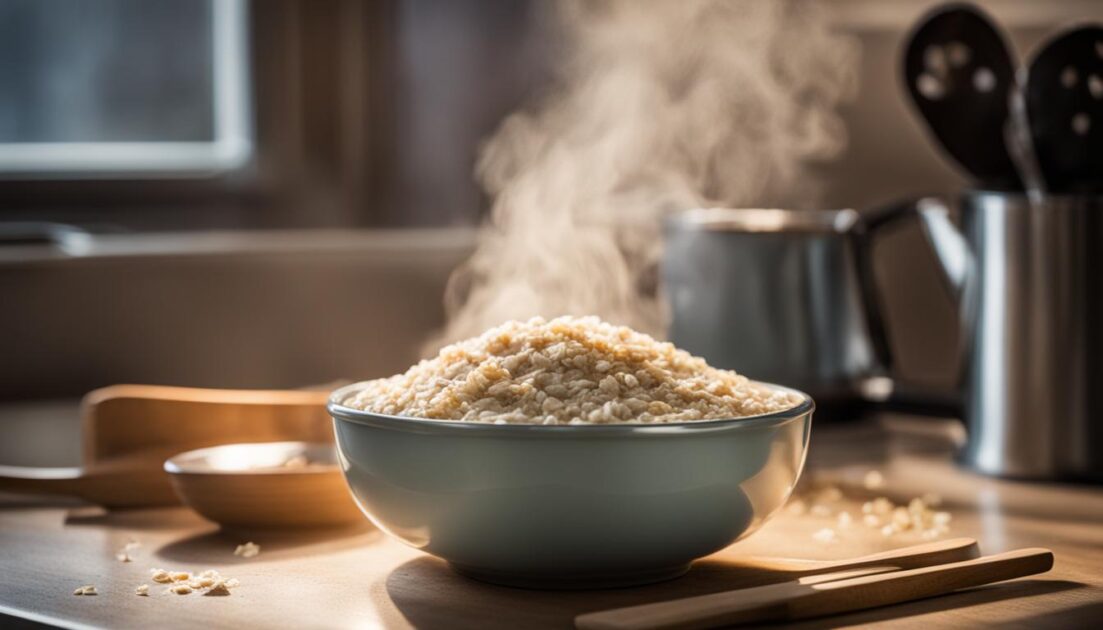
Oatmeal is a versatile and nutritious breakfast option that can be easily prepared at home. Whether you prefer a warm bowl of oatmeal in the morning or enjoy experimenting with different flavors and toppings, making oatmeal is a simple and satisfying process. In this guide, I will walk you through the steps to make oatmeal perfectly, and provide you with some tips and ideas to enhance your homemade oatmeal experience.
To make oatmeal, you’ll need a few basic ingredients: old-fashioned oats or rolled oats, milk or water, and a pinch of salt. The ratio of oats to liquid is typically 1:1, but you can adjust it based on your desired consistency. You can choose to cook oatmeal on the stovetop or in the microwave, depending on your preference and convenience. Whichever method you choose, the cooking time is relatively short, making oatmeal a quick and easy breakfast option.
Once your oatmeal is cooked, you can get creative with toppings and add-ins to add flavor, texture, and nutrition. From fresh fruits and nuts to sweeteners and spices, the possibilities are endless. Experiment with different combinations to find your favorite mix-ins and create your signature homemade oatmeal recipe.
So, let’s get started on our oatmeal-making journey and discover the joy of a warm and delicious breakfast that you can prepare in a matter of minutes. Follow the step-by-step instructions, and soon you’ll be enjoying a bowl of perfect oatmeal tailored to your taste preferences.
Key Takeaways:
- Making oatmeal at home is quick, easy, and customizable.
- Choose the right type of oats and liquid for your desired texture.
- Experiment with a variety of toppings and add-ins to enhance flavor and nutrition.
- Follow the specific cooking instructions for stovetop or microwave oatmeal.
- Oatmeal is a nutritious breakfast option that provides sustained energy and can contribute to weight loss efforts.
Types of Oats for Making Oatmeal
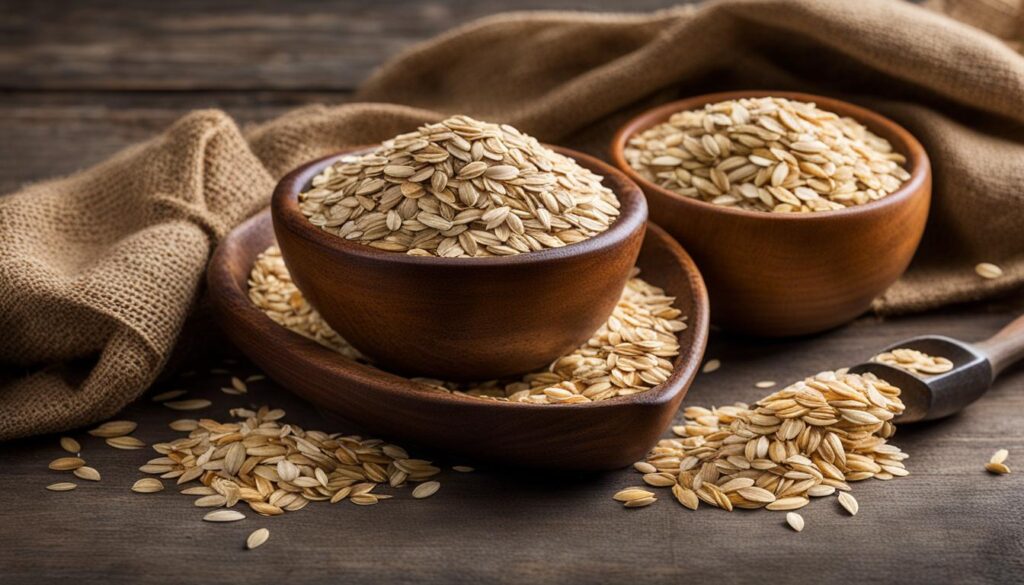
When it comes to making oatmeal, you have several options when it comes to choosing the type of oats to use. Different types of oats offer different textures and cooking times, allowing you to customize your oatmeal experience. Let’s explore the various types of oats commonly used for making oatmeal:
1. Old Fashioned Oats (Rolled Oats)
Old fashioned oats, also known as rolled oats, are oats that have been steamed and then flattened with large rollers. This process gives them a slightly rolled or pressed texture. Old fashioned oats retain more of their natural flavor and texture compared to quick oats. They require a bit longer cooking time, but the result is a creamy and hearty bowl of oatmeal.
2. Quick Oats
Quick oats are oats that have been further processed to shorten their cooking time. They are pre-cooked, dried, and then rolled into slightly thinner flakes. Quick oats are convenient for those who want their oatmeal ready in a flash. However, they may have a softer and less chewy texture compared to old fashioned oats.
3. Steel Cut Oats
Steel-cut oats are the least processed among the different types of oats. They are whole oat groats that have been chopped into small pieces with steel blades. Steel-cut oats have a chewy and nutty texture and take the longest to cook. While they require more time and patience, the result is a hearty and satisfying bowl of oatmeal with a thicker consistency.
Tip: To give your oatmeal an extra boost of flavor and texture, try toasting your oats before cooking them. This simple step adds a delicious nutty taste to your oatmeal.
So, which type of oats is best for making oatmeal? Both old fashioned oats and rolled oats are popular choices due to their balance of texture and cooking time. However, if you prefer a quicker cooking option, quick oats can be a convenient choice. On the other hand, if you enjoy a heartier and chewier oatmeal, steel-cut oats may be your best bet. Ultimately, the choice of oats comes down to personal preference and desired texture.
| Oat Type | Texture | Cooking Time |
|---|---|---|
| Old Fashioned Oats (Rolled Oats) | Slightly rolled or pressed | Approximately 5 minutes |
| Quick Oats | Softer texture | Approximately 2 minutes |
| Steel Cut Oats | Chewy and nutty texture | Around 20-30 minutes |
Cooking Methods for Making Oatmeal
When it comes to cooking oatmeal, there are two popular methods: stovetop oatmeal and microwave oatmeal. Each method has its own advantages and it’s up to personal preference to decide which one to choose.
Stovetop Oatmeal
Stovetop oatmeal offers a traditional and hands-on approach to cooking this comforting breakfast dish. Here’s how to make stovetop oatmeal:
- Bring your choice of liquid, whether it’s water or milk, to a boil in a saucepan.
- Add in the oats and a pinch of salt.
- Reduce the heat to low and simmer the mixture, stirring occasionally, until the oats are soft and have absorbed the liquid. Typically, this process takes around 5 minutes.
Stovetop oatmeal allows you to have more control over the texture of the oats, and you can easily adjust the cooking time to achieve your desired consistency. Plus, the simmering process gives the oatmeal a creamy and hearty texture.
Microwave Oatmeal
If you’re looking for a quick and convenient way to make oatmeal, microwave oatmeal is the way to go. Here’s how to make microwave oatmeal:
- In a microwave-safe bowl, combine the oats, liquid, and a pinch of salt.
- Place the bowl in the microwave and cook on high for the specified time, usually around 2 minutes.
- Stir the oatmeal before serving to ensure that it’s evenly cooked.
Microwave oatmeal is a time-saving option that allows you to prepare a warm and satisfying breakfast in just a few minutes. It’s especially convenient for busy mornings or when you’re in a rush.
Both stovetop oatmeal and microwave oatmeal are reliable methods for preparing a delicious and nutritious breakfast. The choice ultimately depends on your preference and the amount of time you have. Whether you prefer the traditional stovetop cooking process or the convenience of the microwave, you can enjoy a warm bowl of oatmeal to start your day off right.
Toppings and Add-Ins for Oatmeal
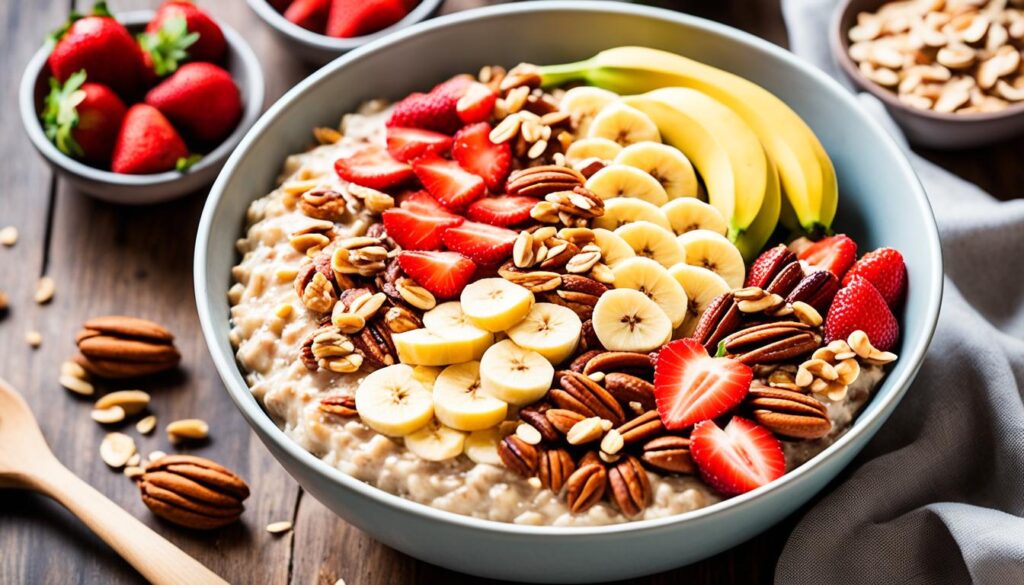
Oatmeal is not only a comforting and nutritious breakfast option, but it also provides endless opportunities for creativity and customization. By adding a variety of toppings and add-ins, you can transform your plain oatmeal into a delicious and satisfying meal. Whether you prefer a sweet or savory flavor profile, there are countless options to suit your taste.
Sweet Toppings
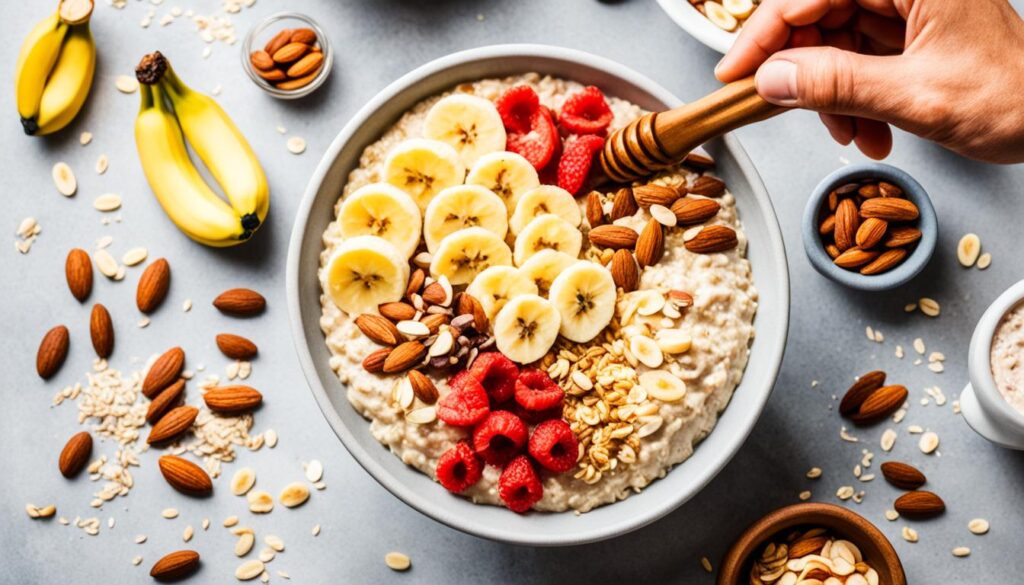
If you have a sweet tooth, you can enhance the natural sweetness of oatmeal with a range of toppings. Fresh or dried fruit like bananas, berries, apples, and raisins add natural sweetness, vitamins, and fiber. Nuts and seeds such as almonds, walnuts, and chia seeds provide a satisfying crunch and a dose of healthy fats. For a creamy and indulgent touch, dairy or non-dairy options like milk or yogurt can be drizzled on top. To elevate the sweetness further, you can use sweeteners such as honey, maple syrup, or brown sugar. Finally, a sprinkle of spices like cinnamon, nutmeg, or ginger can add warmth and depth of flavor.
Savory Toppings
If you prefer a savory twist to your oatmeal, savory toppings can take your breakfast to the next level. Consider adding cooked grains like quinoa or wheat germ for added protein and texture. Herbs and spices such as parsley, basil, or black pepper can lend a savory note. For a rich and umami flavor, you can even experiment with toppings like grated cheese or crumbled bacon.
Healthy Add-Ins
To boost the nutritional value of your oatmeal, you can incorporate healthy add-ins. Consider mixing in a spoonful of protein-rich nut butter like almond or peanut butter for added satiety. Flaxseeds or chia seeds can provide a dose of omega-3 fatty acids and fiber. For an antioxidant boost, a sprinkle of cocoa nibs or dark chocolate chips can be a delightful addition. Don’t forget to add a dollop of Greek yogurt to increase the protein content.
“Customizing your oatmeal with different toppings and add-ins allows you to create endless flavor combinations while providing essential nutrients.”
Remember, the key to creating the perfect bowl of oatmeal is to experiment and find combinations that you enjoy the most. Whether you opt for a sweet or savory flavor, there are no limits to the toppings and add-ins you can use. Get creative and make your oatmeal an enjoyable and nutritious start to your day.
| Topping/Add-In | Benefits |
|---|---|
| Fresh or dried fruit (bananas, berries, apples, raisins) | Natural sweetness, vitamins, fiber |
| Nuts and seeds (almonds, walnuts, chia seeds) | Healthy fats, crunch |
| Dairy or non-dairy options (milk, yogurt) | Creamy texture, added flavor |
| Sweeteners (honey, maple syrup, brown sugar) | Enhanced sweetness |
| Spices (cinnamon, nutmeg, ginger) | Warmth, depth of flavor |
| Cooked grains (quinoa, wheat germ) | Protein, texture |
| Herbs and spices (parsley, basil, black pepper) | Savory note |
| Grated cheese or crumbled bacon | Rich, umami flavor |
| Protein-rich nut butter (almond, peanut butter) | Satiety, added protein |
| Flaxseeds or chia seeds | Omega-3 fatty acids, fiber |
| Cocoa nibs or dark chocolate chips | Antioxidants, deliciousness |
| Greek yogurt | Additional protein |
Tips for Making Perfect Oatmeal
When it comes to making the perfect oatmeal, it’s important to follow a few key tips. These tips will help you achieve a delicious, well-cooked bowl of oatmeal every time. Here are some tips to keep in mind:
1. Use the Right Oat to Liquid Ratio
The oat to liquid ratio is an essential factor in achieving the perfect consistency for your oatmeal. A common ratio is 1:1, meaning equal parts oats and liquid. This ensures that the oats are fully cooked and not too watery or dry. Adjust the ratio based on your desired thickness and creaminess.
2. Don’t Forget the Salt
Adding a pinch of salt to your oatmeal can make a significant difference in enhancing its flavor. Salt helps bring out the natural sweetness and nuttiness of the oats, making every bite more enjoyable. Just a small amount is enough to elevate the taste.
3. Choose the Right Type of Oats
Selecting the right type of oats is crucial for achieving the desired texture in your oatmeal. Old fashioned oats or rolled oats work well for a creamy consistency and maintain a pleasant chewiness. These oats are perfect for traditional stovetop or microwave cooking methods.
4. Avoid Overcooking or Undercooking
To achieve the perfect texture, it’s important to avoid overcooking or undercooking your oatmeal. Cooking times may vary depending on the type of oats and cooking method you choose. Follow the recommended cooking times, stirring occasionally, until the oats are tender but still have a slight bite.
5. Get Creative with Toppings and Add-Ins
Experimenting with different toppings and add-ins is one of the joys of making oatmeal. Whether it’s fresh or dried fruit, nuts and seeds, yogurt, spices, or sweeteners, the possibilities are endless. Find your favorite combinations and add extra flavor, nutrition, and texture to your oatmeal.
With these tips in mind, you’ll be well on your way to making a perfect bowl of oatmeal every time. Enjoy the comforting and nutritious goodness that oatmeal brings to your breakfast routine!
Benefits of Eating Oatmeal
Oatmeal is a satisfying and healthy breakfast option. It is a whole grain that is high in soluble fiber, which can help lower LDL cholesterol and keep blood sugar levels stable. The soluble fiber in oatmeal forms a gel-like substance in the digestive system, which helps to reduce the absorption of cholesterol and promote heart health.
Additionally, oatmeal is a low-glycemic-index food, meaning it has a minimal impact on blood sugar levels. This makes it an excellent choice for individuals with diabetes or those looking to maintain stable blood sugar levels throughout the day. Oatmeal provides sustained energy and helps keep you feeling full until lunchtime, making it a great option for those who want to avoid mid-morning snacking.
Furthermore, oatmeal is a versatile base for adding nutritious ingredients and flavors, making it a customizable and delicious breakfast choice. You can enhance the nutritional profile of oatmeal by adding fresh or dried fruits, nuts, seeds, and spices. These additions not only add extra flavor and texture but also provide additional vitamins, minerals, and antioxidants.
In summary, the benefits of oatmeal include its role as a healthy breakfast option, its status as a whole grain, and its ability to provide sustained energy and keep you feeling full. Incorporating oatmeal into your breakfast routine can contribute to a balanced diet, support heart health, regulate blood sugar levels, and offer a delicious and customizable meal to start your day.
FAQ
How do you make oatmeal?
To make oatmeal, you will need old-fashioned oats or rolled oats, milk or water, and a dash of salt. The ratio is typically 1:1 for oats to liquid. You can cook oatmeal in the microwave or on the stovetop, following the specific instructions for each method. Oatmeal can be topped with a variety of ingredients, such as fruit, nuts, seeds, spices, and sweeteners, to add flavor and texture.
What types of oats are best for making oatmeal?
There are different types of oats available for making oatmeal. Quick oats are more processed and cook quickly, but they may not have the same texture as other types of oats. Steel-cut oats are the whole oat, unprocessed, and take the longest time to cook. Old fashioned oats or rolled oats are in between quick oats and steel-cut oats. They have a slightly rolled or pressed texture and require more cooking time than quick oats. Both old fashioned oats and rolled oats work well for making oatmeal. The choice of oats depends on personal preference and desired texture.
What are the different cooking methods for making oatmeal?
There are different cooking methods for making oatmeal. For stovetop oatmeal, you can bring the liquid (water or milk) to a boil, then reduce the heat and add the oats. Cook and stir occasionally until the oats are soft and have absorbed the liquid. This typically takes about 5 minutes. For microwave oatmeal, you can combine the oats, liquid, and salt in a microwavable bowl and cook on high for a specified time, usually around 2 minutes. Stir before serving. The choice of cooking method depends on personal preference and convenience.
What are some popular toppings and add-ins for oatmeal?
Oatmeal can be customized with a variety of toppings and add-ins to enhance flavor and nutrition. Some popular toppings for oatmeal include fresh or dried fruit (bananas, berries, apples, raisins), nuts and seeds (almonds, walnuts, chia seeds), dairy or non-dairy options (milk, yogurt), sweeteners (honey, maple syrup, brown sugar), spices (cinnamon, nutmeg, ginger), and cooked grains (quinoa, wheat germ). These toppings and add-ins can be mixed and matched to create different flavor combinations and add extra nutrients to your oatmeal.
What are some tips for making perfect oatmeal?
To make the perfect oatmeal, it’s important to keep a few tips in mind. Use the recommended oat to liquid ratio, which is usually 1:1. This will ensure that the oats are fully cooked and not too watery or dry. Don’t forget to add a pinch of salt to enhance the flavor of the oatmeal. It brings out the sweetness and nuttiness of the oats. Choose the right type of oats for the desired texture. Old fashioned oats or rolled oats work well for a creamy consistency. Avoid overcooking or undercooking the oatmeal to achieve the perfect texture. Experiment with different toppings and add-ins to find your favorite combinations.
What are the benefits of eating oatmeal?
Oatmeal is a satisfying and healthy breakfast option. It is a whole grain that is high in soluble fiber, which can help lower LDL cholesterol and keep blood sugar levels stable. Oatmeal is also a low-glycemic-index food, meaning it has a minimal impact on blood sugar levels. It provides sustained energy and helps keep you feeling full until lunchtime. Oatmeal can be a part of a balanced diet and can contribute to weight loss efforts. Additionally, oatmeal can be a versatile base for adding nutritious ingredients and flavors, making it a customizable and delicious breakfast choice.


